True classics aren’t just old cars that survived — they’re cars whose engineering was so right that decades later, they still feel intuitive, balanced, and confidence-inspiring. No nostalgia goggles required. These are genuine classics — pre-1990s icons — that continue to feel surprisingly modern once you’re actually driving them.
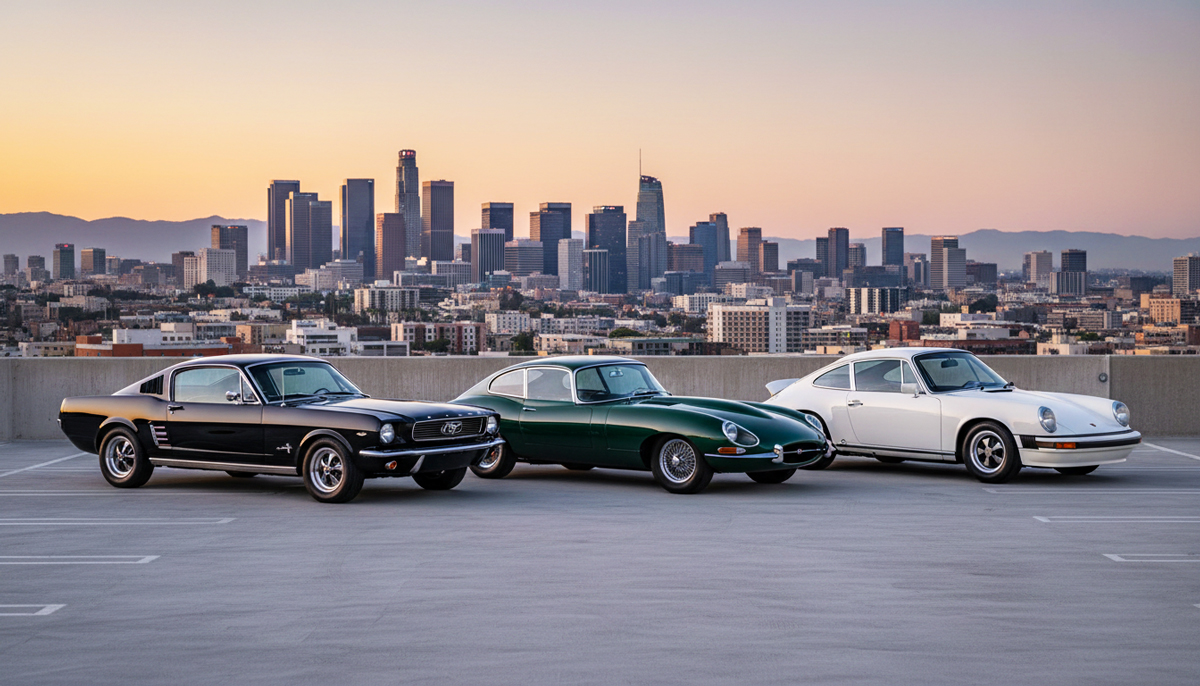
Porsche 911 (1969–1973, Long-Hood Models)
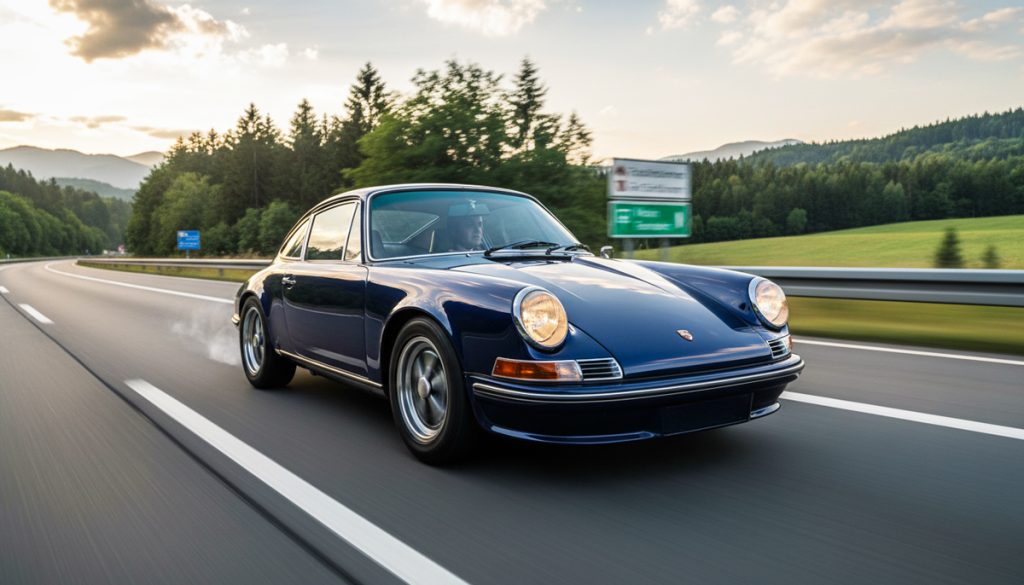
Early 911s are raw, but not crude. Their compact size, light weight, and communicative steering feel more aligned with today’s driver-focused sports cars than their age suggests.
- Light curb weight by modern standards
- Steering that talks back constantly
- Controls placed exactly where instinct expects them
It feels less like a vintage car and more like a blueprint for everything Porsche still does.
BMW E30 3 Series (1982–1991)
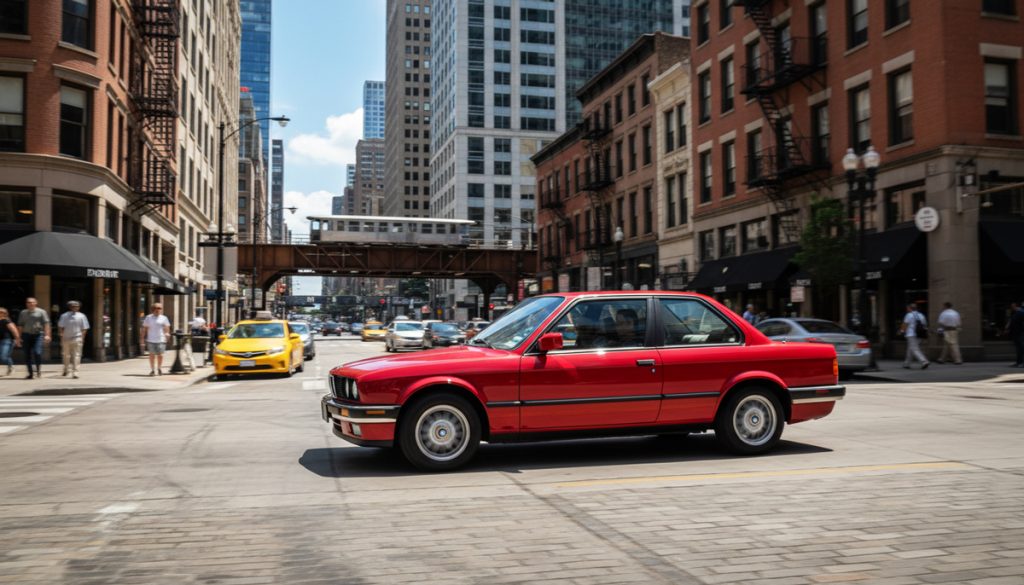
The E30 defines what “driver’s car” meant long before the term was overused. Its balance and visibility make it feel honest and agile even today.
- Excellent sightlines and upright driving position
- Naturally aspirated engines with immediate response
- Suspension tuned for real roads, not just lap times
You don’t fight the car — you collaborate with it.
Mercedes-Benz W123 (1976–1985)
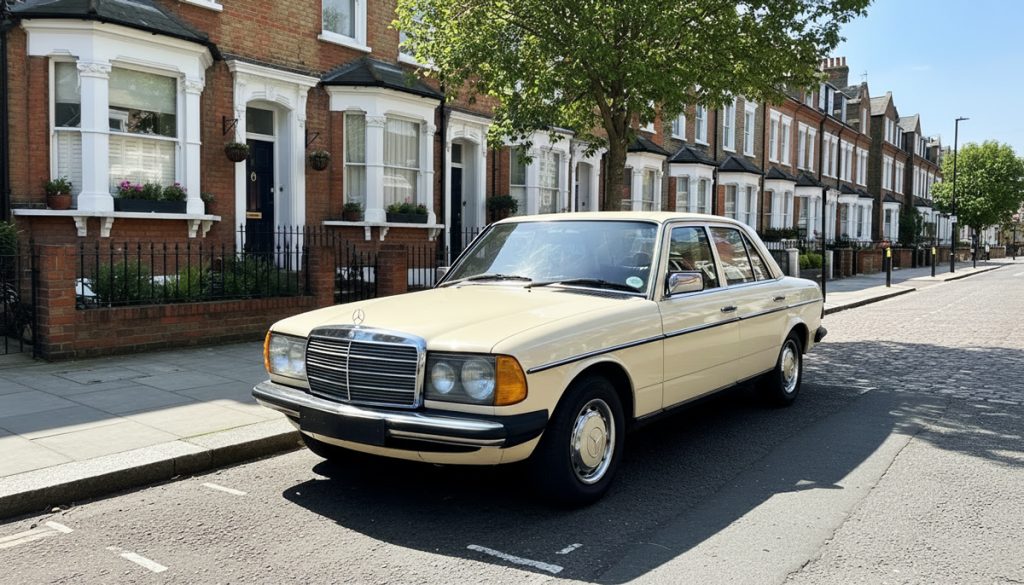
Luxury through restraint. The W123 doesn’t feel modern because it’s sporty — it feels modern because it’s calm, predictable, and incredibly well-sorted.
- Steering that’s light but accurate
- Ride quality that still embarrasses some new sedans
- Controls that are tactile and intuitive
It’s a reminder that refinement doesn’t require technology overload.
Jaguar E-Type Series II (1968–1971)
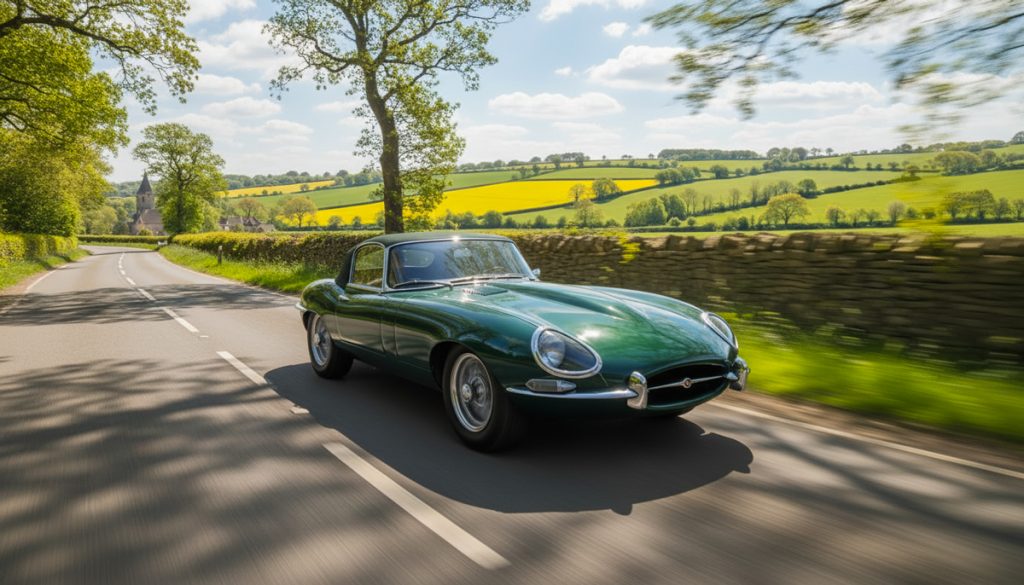
Often admired for its looks, the E-Type also delivers behind the wheel — especially later Series II cars with improved cooling and drivability.
- Low seating position that feels purpose-built
- Smooth, torque-rich straight-six
- Balanced handling that rewards smooth inputs
It feels less like a fragile relic and more like an early grand touring benchmark.
Alfa Romeo Giulia Super (1960s–early 1970s)
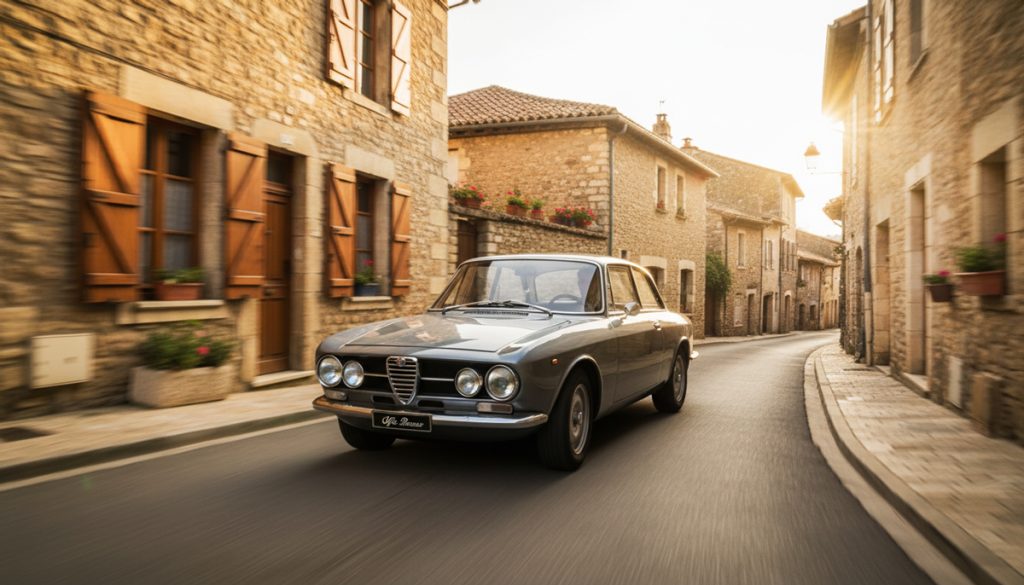
Alfa Romeo understood chassis tuning long before most manufacturers caught up. The Giulia Super feels alert, light, and eager in a way that mirrors modern sport sedans.
- Lively steering with excellent feedback
- Free-revving engines that feel alive
- Compact proportions that suit modern traffic
It drives like it was engineered by people obsessed with feel.
Porsche 356 (Late 1950s–Early 1960s)
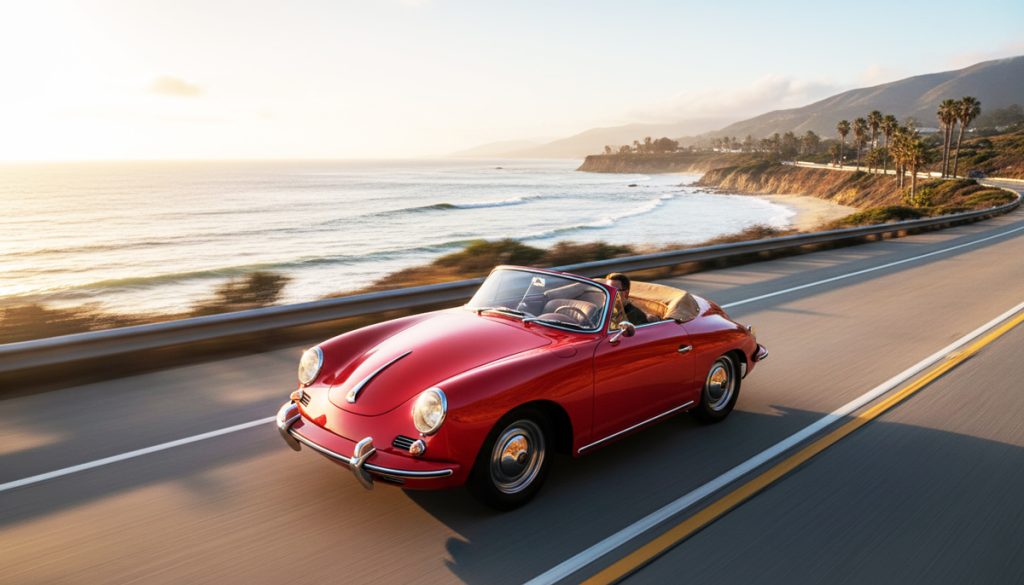
Minimalist by necessity, modern by outcome. The 356’s simplicity translates directly into clarity behind the wheel.
- Low mass and excellent road feel
- Predictable handling at real-world speeds
- Controls that fade into the background
Nothing distracts you — which is exactly why it works.
Ford Mustang (1965–1967, Small-Block V8)
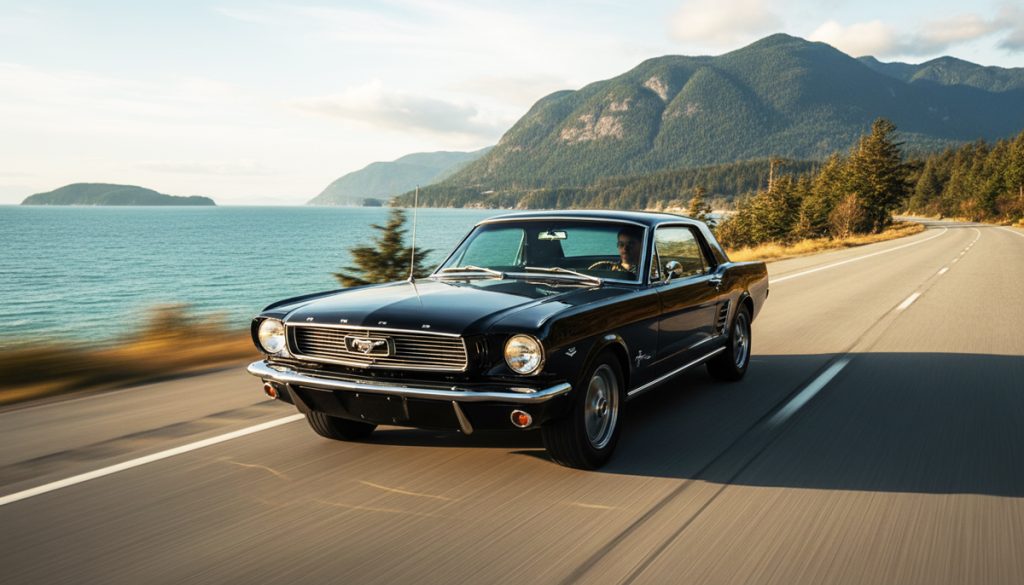
Early Mustangs weren’t muscle monsters yet — they were light, responsive, and surprisingly approachable.
- Simple mechanical layout
- Strong low-end torque that suits everyday driving
- A driving position that feels natural even today
In the right configuration, it feels far more modern than its reputation suggests.
Why These Classics Still Feel Right
These cars were built before excess weight, digital layers, and artificial feedback diluted the driving experience. Their strengths are fundamental — and fundamentals don’t expire.
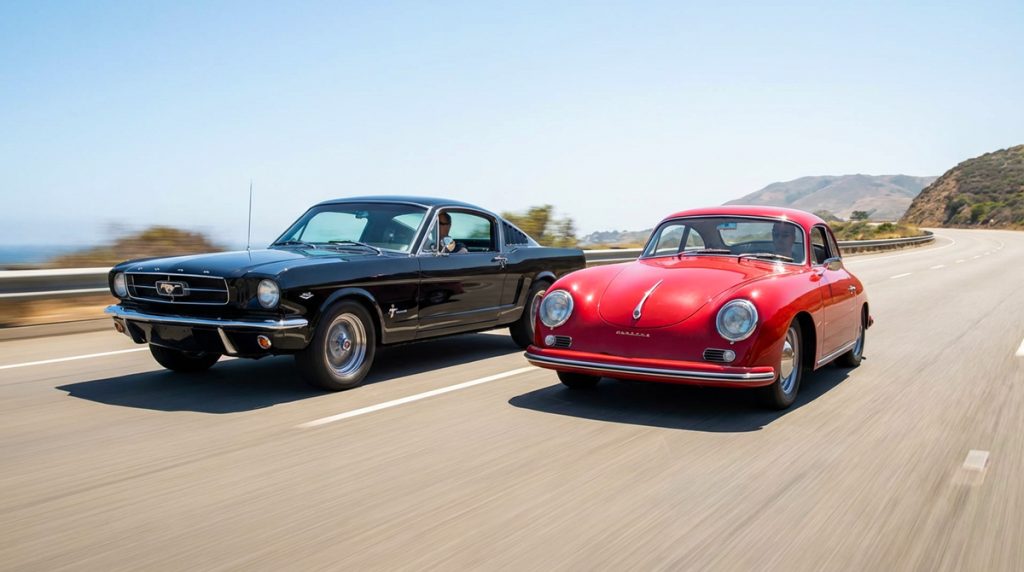
They succeed because:
- Steering communicates honestly
- Chassis balance matters more than horsepower
- Simplicity creates confidence
They aren’t fast by today’s numbers. They’re right by today’s standards.
MaxTake
Modern cars chase progress through technology. These classics achieved it through engineering. When the basics are perfect, time doesn’t matter — only the drive does.