Modern car buyers say they want simplicity. Their driveways say otherwise. Crossovers with fold-flat seats, trucks that tow a house they’ll never move, and SUVs sized for a family reunion that happens once a year continue to dominate sales. The appeal isn’t excess—it’s optionality. Buyers are choosing vehicles that promise to handle anything, even if “anything” rarely shows up.
The Just-In-Case Mindset
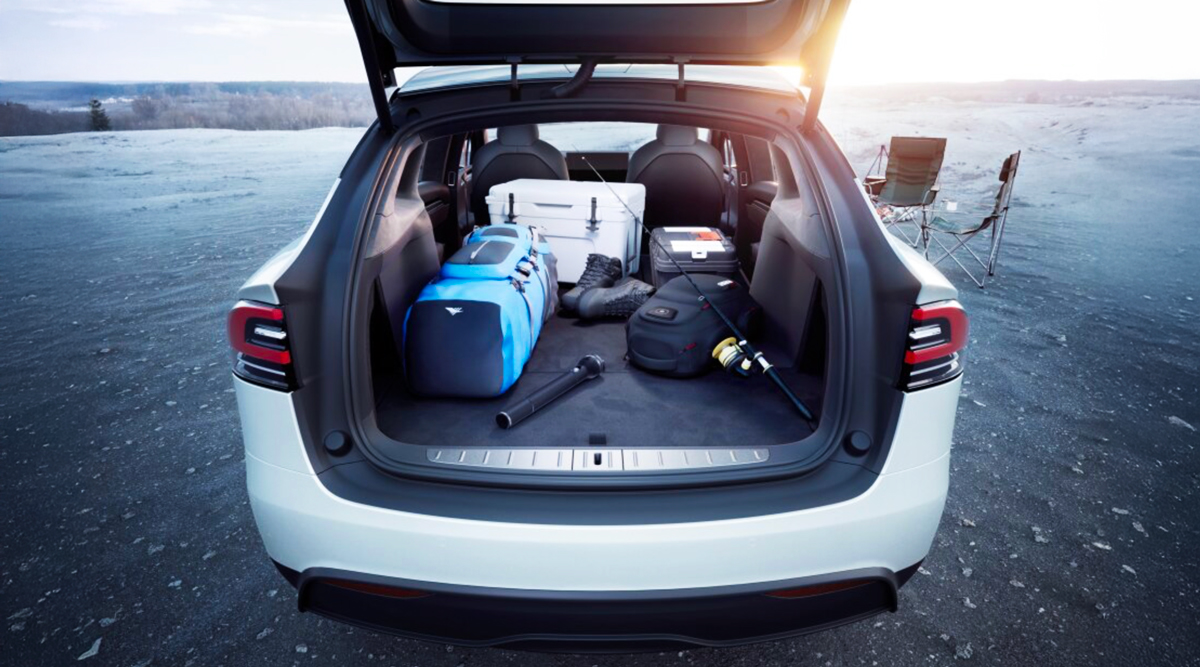
Versatility sells peace of mind. A higher ride height, all-wheel drive, and flexible cargo space reassure buyers they’re prepared for weather, weekend projects, or a surprise road trip. Most days, the back seats stay upright and the hitch stays unused—but the idea that they’re there matters. It’s insurance without a deductible.
Lifestyle Signaling (Without the Lifestyle)
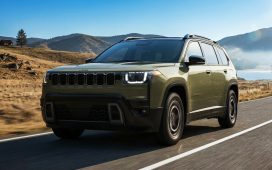
Vehicles have become shorthand for aspiration. An adventure-ready SUV hints at hikes and kayaks, even if the most rugged terrain is a mall parking lot. Buyers aren’t lying to themselves; they’re buying a story. Versatile vehicles let owners project possibility without committing to it—no climbing gym membership required.
One Car, All Roles
Rising costs push buyers toward do-everything machines. A single vehicle that commutes comfortably, hauls gear on weekends, and handles winter weather feels smarter than a two-car solution. Versatility reduces trade-offs, and in a one-garage world, that’s powerful.
The Safety and Confidence Factor
Bigger footprints, elevated seating positions, and all-weather traction create a perception of control. Whether or not the stats justify it, buyers feel more secure. That confidence is a selling point, especially in regions with unpredictable climates or long highway stretches.
Resale Value and Regret Avoidance
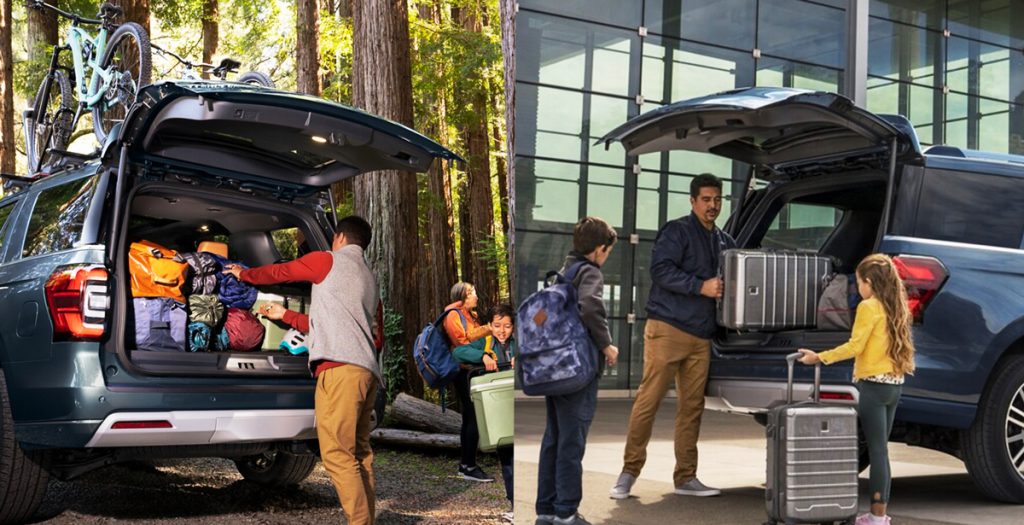
Versatile vehicles tend to hold value better because they appeal to a wider audience. Buyers know tastes change, families grow, and jobs relocate. Choosing a flexible platform today reduces tomorrow’s “I should’ve bought the bigger one” regret.
Marketing Did Its Homework
Automakers learned to frame versatility as everyday luxury. Power tailgates, configurable cabins, and driver-assist tech turn capability into convenience. You don’t need to tow—just enjoy knowing you could. It’s capability repackaged as comfort.
The Quiet Trade-Offs
There are costs: higher prices, lower efficiency, and bulk where a smaller car would do. Yet buyers consistently accept them. Why? Because the downsides are abstract, while the benefits—space, confidence, flexibility—are immediate and emotional.
Where This Leaves the Market
Versatility isn’t fading; it’s evolving. Expect smarter packaging, lighter platforms, and efficiency gains that reduce the penalty of “just in case.” The future favors vehicles that feel right 95% of the time and promise coverage for the other 5%.
MaxTake – Buyers don’t choose versatility because they need it daily—they choose it because it removes doubt. In a market shaped by uncertainty, the winning vehicles aren’t the ones that do one thing perfectly, but the ones that quietly say, “You’re covered.”