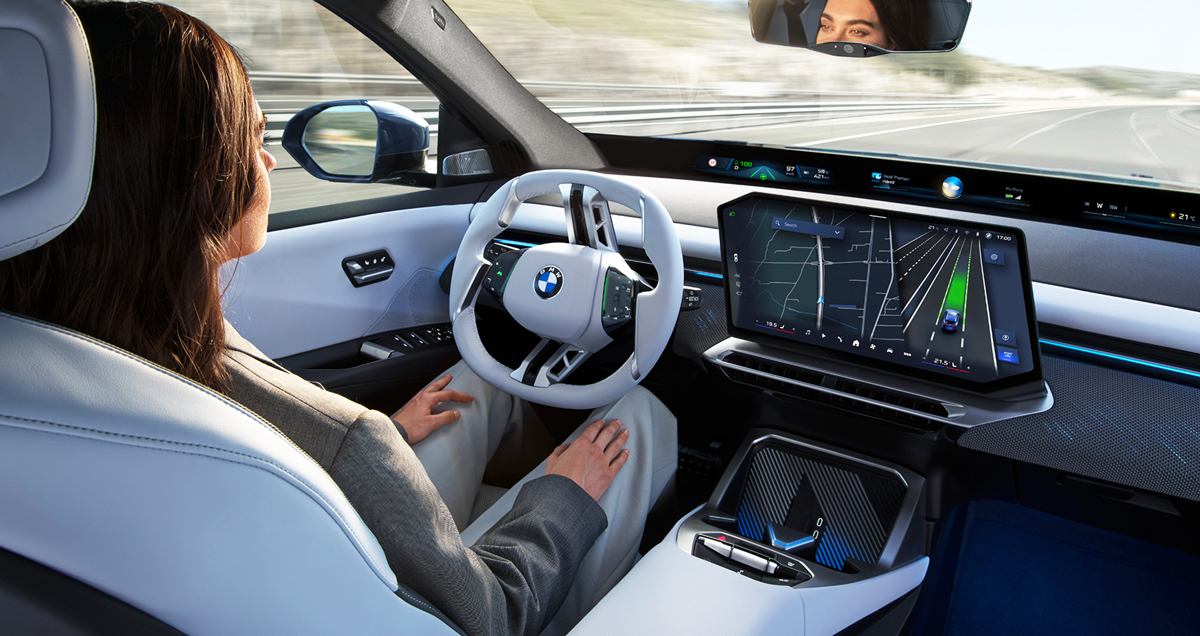
For years, “self-driving” lived somewhere between concept cars and conference-stage promises. Then, quietly, it showed up in dealer showrooms. Today, you can merge onto a highway, settle into the seat, lift your hands from the wheel, and let the car handle the steering, braking, and throttle with eerie composure. The lane stays perfectly centered. Traffic compresses and expands without drama. The miles start slipping by like you’ve switched the world to easy mode.
It feels futuristic for about five minutes. Then it simply feels… normal. That’s the real surprise. Hands-off driving hasn’t arrived with fireworks — it’s arrived like good suspension or a great stereo. Subtle. Effortless. Hard to give up once you’ve had it. But before you picture full autonomy, there’s an important reality check: this isn’t freedom from driving. It’s relief from the tedious parts.
What Hands-Off Really Means
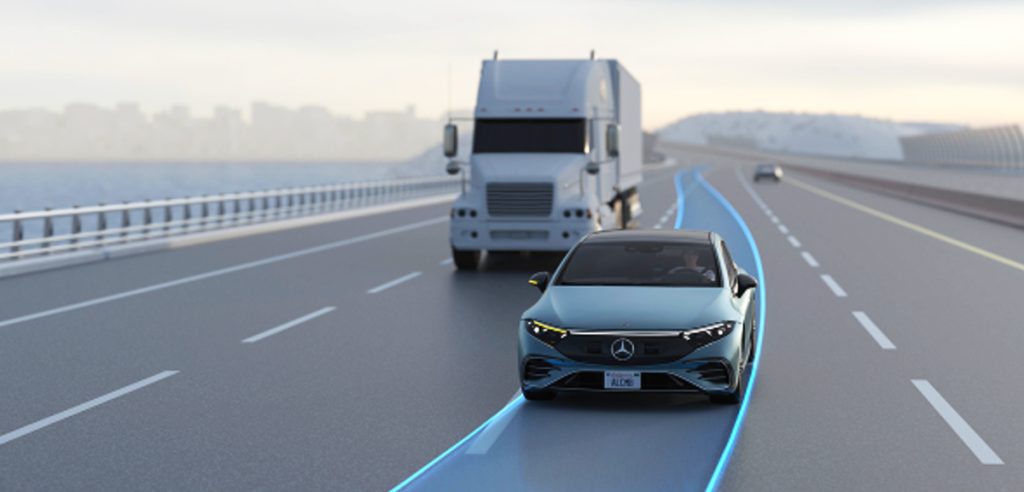
Despite the headlines, no mainstream car is letting you fully check out. These systems occupy the middle ground between traditional cruise control and true autonomy. The car manages the mechanical workload — steering inputs, speed adjustments, stop-and-go crawling — while you supervise like an air-traffic controller. Your eyes stay up. Your brain stays engaged. Your hands just get a break.
Cameras watch for your gaze. Sensors track your attention. Look away too long and the car politely nudges you. Ignore it and the technology bows out, returning control without ceremony. It’s less “robot chauffeur” and more “extremely competent co-driver.” And honestly, that’s exactly what most commutes need.
The Brands Leading the Charge
Several automakers have moved beyond marketing language and into genuinely usable hands-free tech.
General Motors has arguably set the benchmark. Its Super Cruise system feels polished and predictable, the kind of technology that fades into the background because it simply works. Long highway stretches become calm, almost serene — the car threading lanes with quiet confidence while you supervise.
Mercedes-Benz has taken a more surgical approach, introducing conditional automation designed for dense, slow-moving traffic where human patience tends to evaporate. In those moments, letting the car take over feels less like luxury and more like therapy.
BMW leans into the grand-touring idea: effortless, extended cruising that reduces fatigue over distance. The experience matches the brand’s character — smooth, measured, and deliberately unobtrusive.
Different philosophies, same outcome: fewer micro-corrections, less stress, more breathing room behind the wheel.
The Fine Print You Only Notice Later
Of course, the magic has boundaries. These systems prefer clean lane markings and predictable roads. Heavy rain, snow, or construction zones can confuse sensors. Sometimes the car will simply hand the job back mid-corner with a calm chime that says, in effect, “Your turn.”
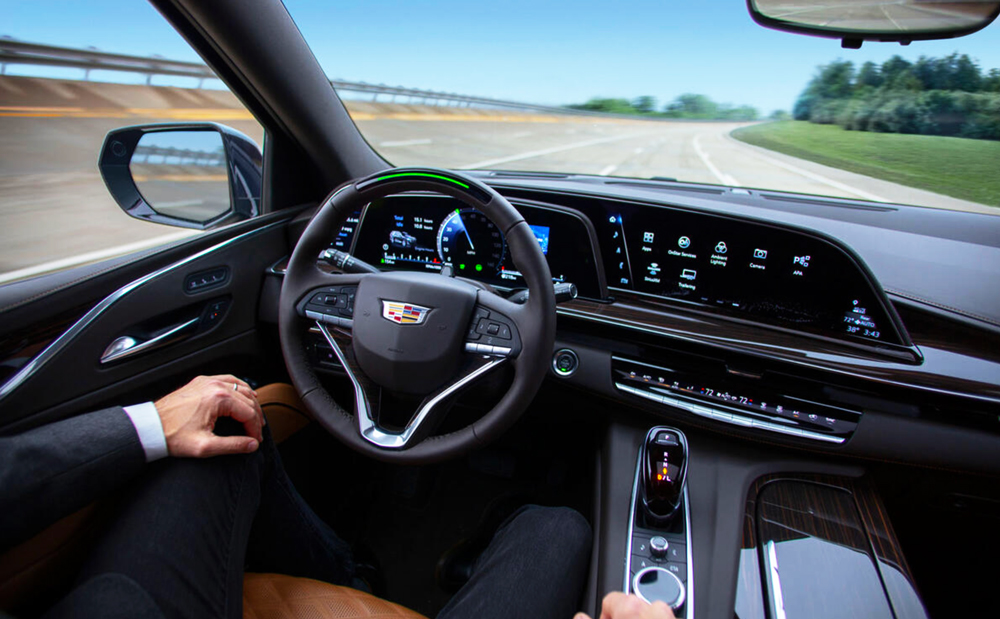
And legally, it is always your turn. Responsibility never leaves the driver’s seat. So no, this isn’t the moment to answer emails or stream a show. It’s not a nap machine. It’s a fatigue reducer — a very sophisticated one — but still a tool, not a replacement.
Why It Matters More Than You Think
Spend two hours on a highway with hands-off assistance and something subtle happens: you arrive less drained. Your shoulders aren’t tight. Your grip hasn’t been clenching unconsciously. The constant micro-steering corrections that normally wear you down just… disappear. The car handles the busywork while you focus on the big picture.
It’s the difference between actively scrubbing a floor and letting a robot vacuum glide across it. Same result. Far less effort. That reduction in mental load is where hands-off driving earns its keep. Not flashy. Not dramatic. Just quietly transformative.
What Comes Next
Expect expansion, not revolution. More mapped roads. Smarter sensors. Better cameras. Clearer regulations. Gradually, the boundaries widen and the car handles a little more each year.
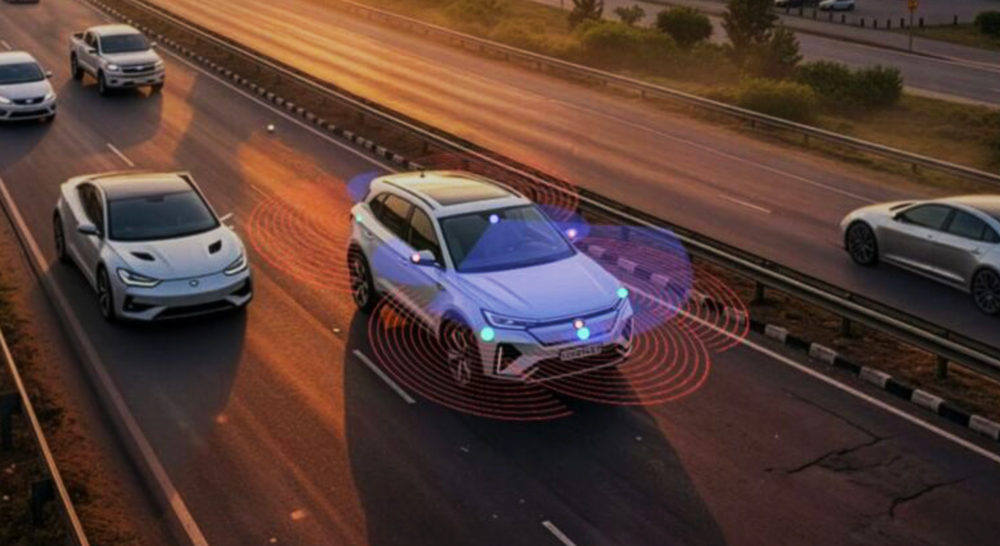
True “eyes-off” autonomy will likely arrive in controlled slices first — predictable traffic, limited speeds, carefully defined environments — before anything resembling full freedom. Progress is steady, not cinematic.
MaxMoto Take
Hands-off driving isn’t the end of driving — it’s the refinement of it. You’re still in charge. You’re still responsible. But the dullest parts of the job get delegated to silicon and software, leaving you with the parts that actually feel human. And on a long, empty stretch of highway, when the car holds its line and the world smooths out ahead, that small bit of borrowed effort feels like the future arriving right on schedule.