

Charging at home is quickly becoming the quiet superpower of electric-vehicle ownership. Plug in overnight, wake up to a full “tank,” skip the gas station forever. Simple in theory. Slightly confusing in practice.
Wallbox. Level 2. Smart load management. Energy systems. Solar integration.
It can sound like alphabet soup until you break it down.
Here’s the clear, practical guide — what each option really means, how fast it charges, what it costs, and which setup makes the most sense for different drivers and homes.
Level 1 Charging (The One You Already Have)
What it is:
The charger that comes with most EVs. Plugs into a regular 120-volt household outlet.
Speed:
~3–5 miles (5–8 km) of range per hour
Best for:
- Plug-in hybrids
- Very short commutes
- Occasional charging
- Apartment dwellers without dedicated wiring
Reality check:
Great for emergencies. Painfully slow for daily EV life. Charging a larger battery can take 30–40+ hours.
Verdict:
Think of Level 1 as the spare tire, not the main plan.
Level 2 Charging (The Home Sweet Spot)
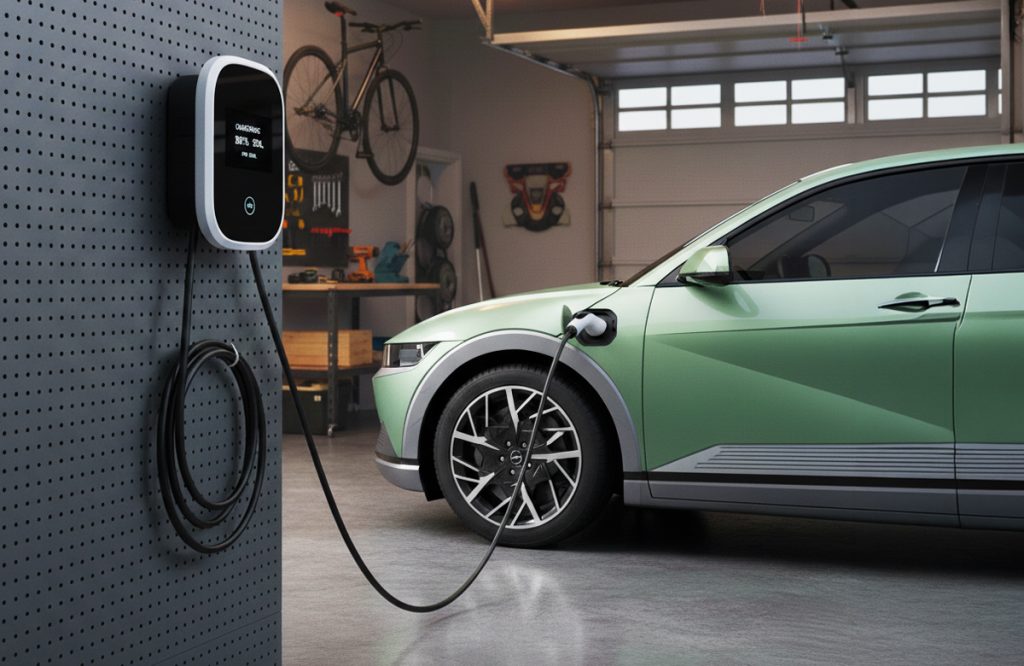
What it is:
A 240-volt circuit (similar to a dryer or oven). Installed by an electrician or wired to an existing outlet.
Speed:
~20–40 miles (30–65 km) of range per hour
Full charge overnight for nearly all EVs
Best for:
- Daily drivers
- Families with one or more EVs
- Anyone who wants “charge and forget”
Typical costs:
- Charger: $400–$900
- Installation: $500–$2,000+ (panel distance matters)
Verdict:
For 90% of owners, Level 2 is the gold standard. Fast, affordable, future-proof.
Wallbox Chargers (Compact, Smarter Level 2)
What it is:
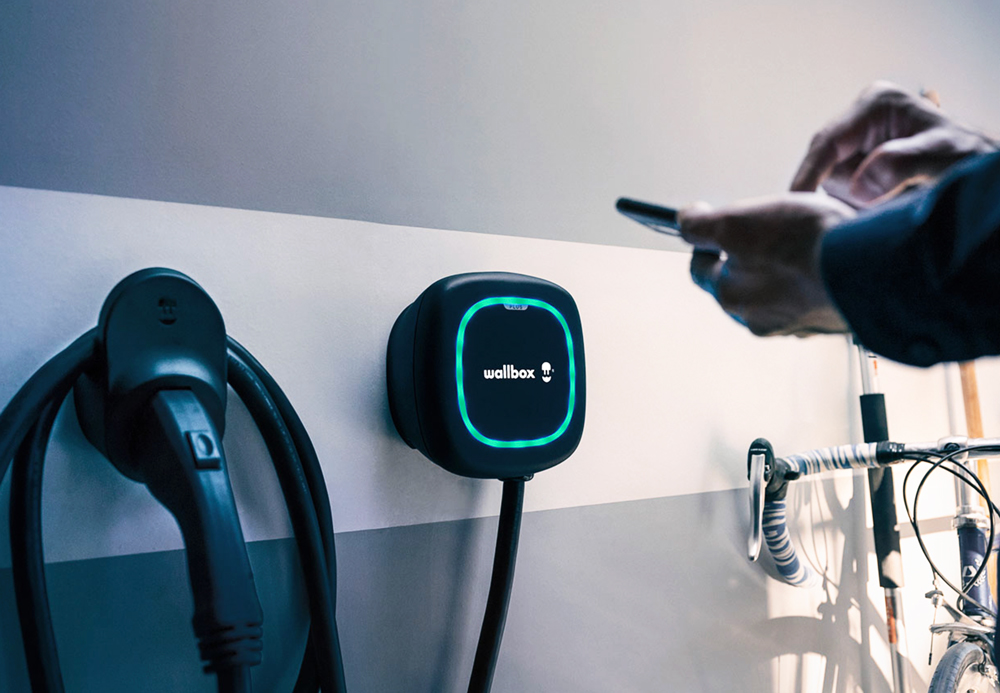
A brand and category of compact, feature-rich Level 2 chargers. “Wallbox” has become shorthand for smaller, smart units with app control.
Speed:
Same as Level 2 (because it is Level 2)
Why people choose it:
- Smart home integration
- Electricity cost tracking
- Avoid tripping breakers
- Cleaner design
Verdict:
Level 2, but smarter and sleeker. Worth the upgrade if you like data or plan to expand your energy setup.
Smart Energy Systems (The Next Level)
What it is:
An integrated setup combining:
- Level 2 or Wallbox charger
- Smart panel or energy monitor
- Optional solar
- Optional home battery
What it does:
- Charges when electricity is cheapest
- Uses excess solar first
- Balances multiple cars
- Prevents overloads automatically
- Reduces peak-rate utility charges
Best for:
- Solar homes
- Two+ EV households
- High electricity rates
- Future-proof energy planning
Verdict:
Not essential — but incredibly satisfying. This is the “set it and never think again” solution.
Quick Comparison
| Setup | Speed | Cost | Ideal For |
|---|---|---|---|
| Level 1 | Very slow | Free | Occasional use |
| Level 2 basic | Fast | $$ | Most drivers |
| Wallbox smart | Fast + features | $$$ | Tech-savvy homes |
| Smart energy system | Fast + optimized | $$$$ | Solar/multi-EV homes |
Installation Tips (Save Money + Headaches)
- Install near your parking spot (cable length matters)
- Use a licensed electrician
- Check utility rebates and government incentives
- Consider a higher-amp circuit for future EVs
- If upgrading your panel anyway, add smart monitoring now
Future you will be grateful.
So… What Should You Buy?
Simple rule:
- Short commute → Level 1 is fine
- One EV → Level 2
- Want app control → Wallbox
- Solar or multiple EVs → Smart energy system
If you want one safe recommendation:
A 40–48 amp smart Level 2 wall-mounted charger hits the sweet spot for almost everyone.
Plug in. Sleep. Wake up full.
Home charging should feel boring — that’s how you know you nailed it.