A long drive can be one of life’s great pleasures: the road unwinding ahead, the miles clicking by, and the right soundtrack turning time into an experience. But when it comes to choosing what takes you there — an executive SUV or a grand tourer (GT) — the decision isn’t just about luggage space or horsepower. It’s about comfort, performance, personality, and purpose. Let’s break down how these two very different automotive archetypes stack up on the big road.
The Contenders: What Defines Each Class?
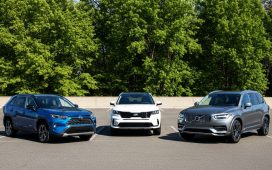
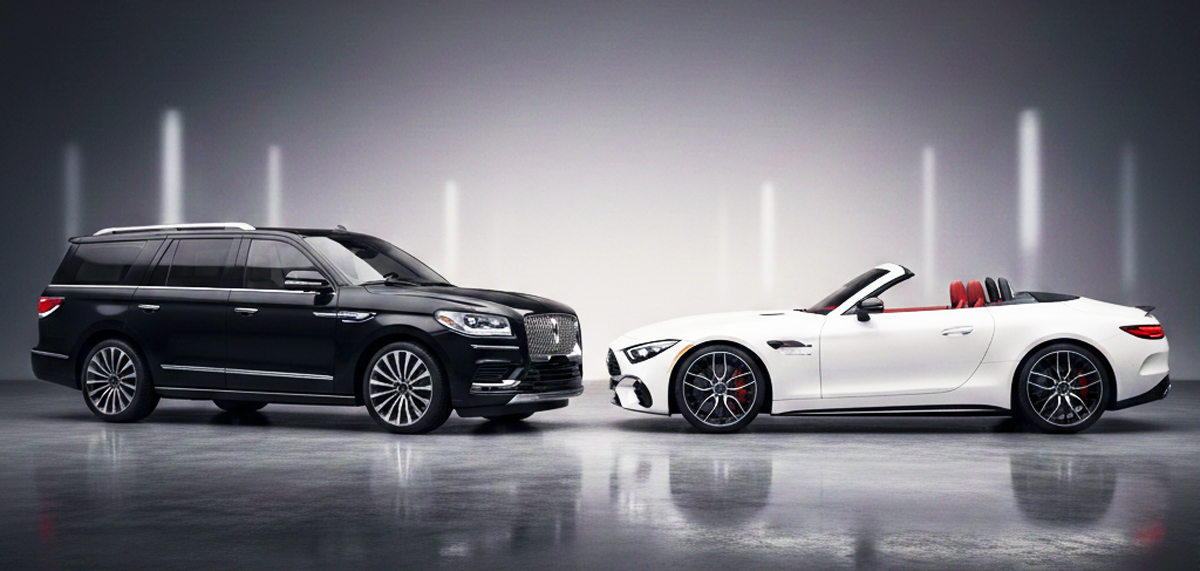
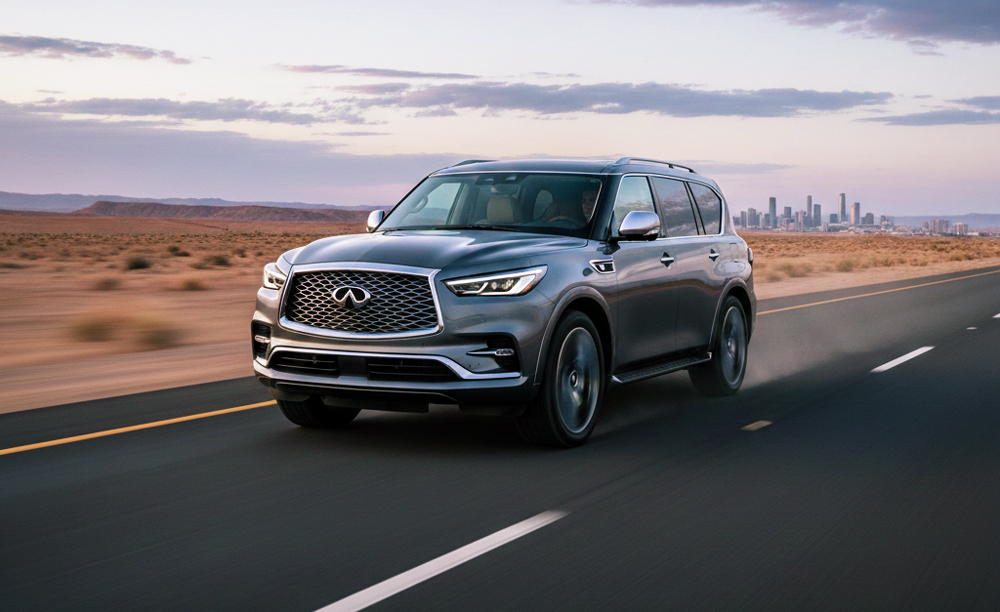
Executive SUVs are tall, luxurious, and capable of hauling people and stuff with poise. They’re at home in the city, on rough pavement, and across borders with no complaint.
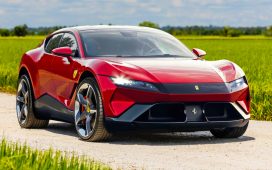
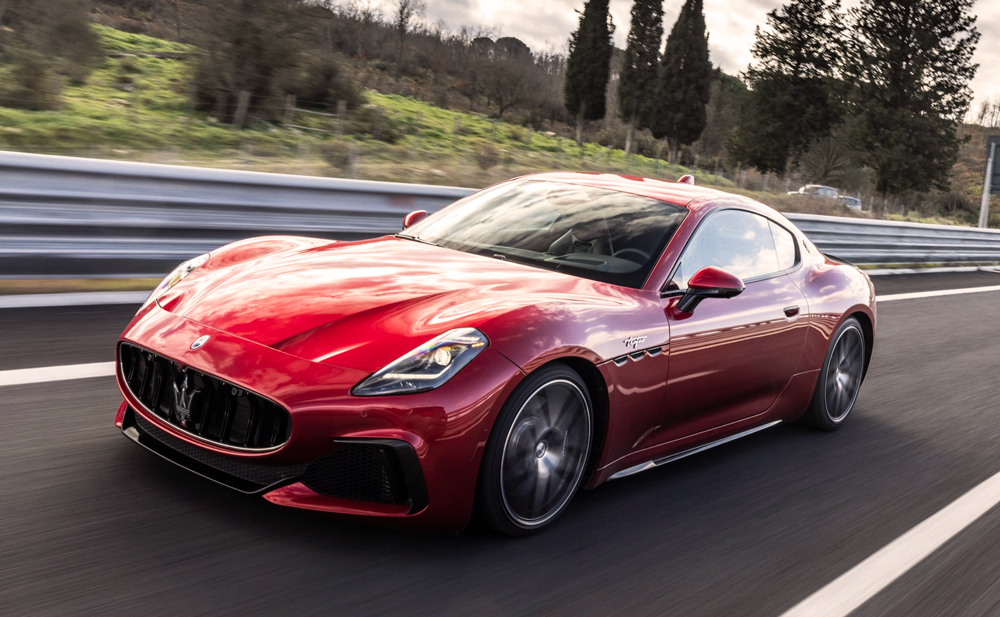
Grand Tourers are sleek performance cruisers built for sustained high-speed travel in comfort. They aren’t track weapons, but they feel utterly at home on twisty mountain roads and long three-digit highway stretches.
Comfort for Hours (or Days)
Executive SUV Strengths
- Elevated seating and commanding visibility make long trips effortless, even through traffic.
- Suspension tuning is usually biased toward comfort; rough roads feel less rough.
- Spacious cabins mean passengers aren’t squished: headroom, legroom, and shoulder space abound.
- Climate zones and adjustable seats mean everyone gets their perfect micro-environment.
Grand Tourer Strengths
- Low, sculpted seats cradle the driver and front passenger, cutting out fatigue at highway speeds.
- Cabin acoustics and insulation tend to be exceptional — wind and tyre noise are kept in the background.
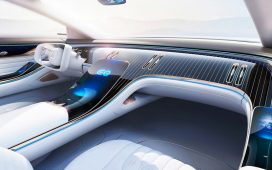
- Interior materials are often more driver-centric and high-end, reinforcing that “special journey” feeling.
Practical Takeaway: If you want maximum physical comfort and room for people and gear, the SUV wins. But if you prioritize a refined, cocoon-like driving environment aimed squarely at front occupants, the GT pulls ahead.
Performance on the Long Haul
Executive SUVs
- Punchy engines (often V6 or V8) with smooth power delivery.
- All-wheel drive is common, meaning traction doesn’t become a worry, rain or shine.
- Handling has improved enormously in recent years, but physics still limits agility compared with low-slung cars.
Grand Tourers
- Engines are tuned for both power and refinement — big torque at low revs, eager top-end.
- Lower centre of gravity and sportier chassis deliver sharper handling without making the ride harsh.
- Long-distance performance feels both effortless and engaging.
Practical Takeaway: For straight-line cruising and confident handling on sweeping roads, the GT has the edge. For variable conditions and mixed terrain, the SUV’s broader capability is a major plus.
Practicality and Everyday Use
Executive SUVs
- Larger cargo areas swallow luggage, equipment, kits, and then ask for more.
- Roof rails and towing capacity expand utility even further.
- Rear-seat comfort means families and friends aren’t compromises on long trips.
Grand Tourers
- Limited cargo space — sometimes just a pair of weekend bags.
- Rear seats, if present, are usually small and best avoided for adults on long hauls.
- Everyday errands and parking can be less convenient due to size or ride height.
Practical Takeaway: If “do-everything” versatility matters — from airport runs to camping gear — the SUV is the practical choice. If your road trips prioritise driving pleasure and minimal occupants, the GT’s simplicity becomes a virtue.
Fuel Efficiency and Costs
Executive SUVs and GT cars both sit above average in terms of fuel consumption, but:
- Some SUVs offer mild-hybrid or plug-in options that soften the cost at the pump.
- GTs often make their performance the priority, meaning thirstier engines.
Insurance, servicing, and tyre costs trend high for both categories, but GT tyres and brakes often cost more due to performance specifications.
Practical Takeaway: Expect both classes to command premium ownership costs, but SUVs may offer slightly better efficiency, especially in hybrid variants.
Real-World Scenarios: Choosing Your Long-Distance Machine
Choose the Executive SUV if:
- You regularly carry passengers or bulky cargo.
- You want an elevated driving position and easy ingress/egress.
- Mixed weather and road surfaces are common on your routes.
- You value practicality alongside comfort.
Choose the Grand Tourer if:
- You’re chasing the joy of the journey, not just the destination.
- Performance and driver engagement matter a great deal.
- Your trips usually involve two occupants and moderate luggage.
- You prefer a sleek, low profile and refined dynamic feel.
Verdict
There’s no single answer that’s “objectively” best — it comes down to how you define a long-distance experience.
- For versatility, comfort for all occupants, and go-anywhere capability, the executive SUV is supreme — think of it as a luxury spaceship for the road.
- For poise, performance, and that pure road-trip thrill, the grand tourer is the long-distance machine that will make every highway feel like a chapter in a story.
Both classes excel in their niches. If you often haul people and gear through varying conditions, the SUV earns its keep. If you want to savour the drive itself, the GT will smile back at you in every corner and straightaway.
MaxMoto Insight – The Ultimate Long-Distance Machine
The ideal long-distance car doesn’t just get you there — it shapes how the miles feel. If your priority is shared comfort and practicality, choose the executive SUV. If your priority is refined speed and driver engagement, reach for the grand tourer. Both deliver incredible experiences in their own rights — the road just tells a different story depending on which seat you choose.