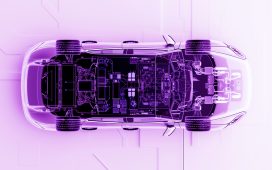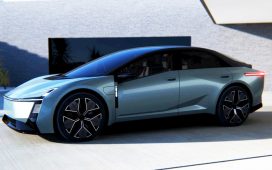
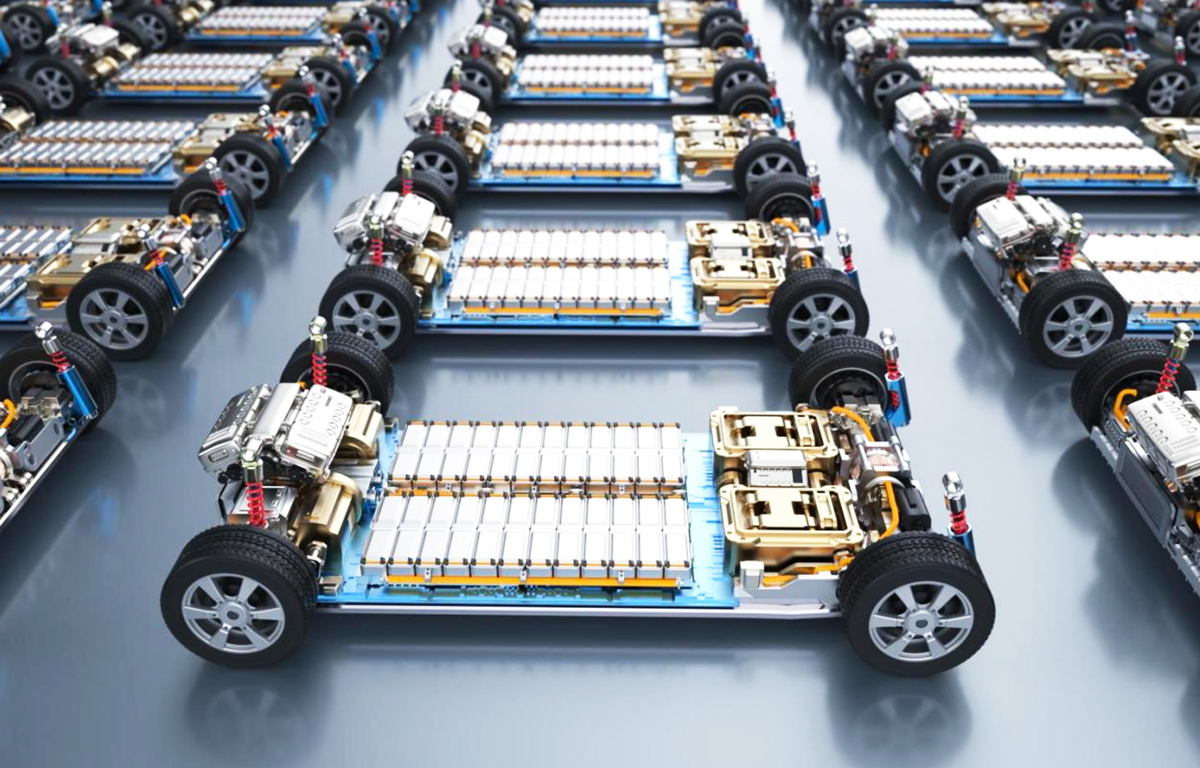
Lithium-ion still powers the electric revolution, but the next phase of EV performance won’t rely on a single miracle breakthrough. Instead, automakers are building a portfolio of chemistries—each tuned for cost, climate, safety, or outright performance. The result? Smarter batteries matched to real-world driving.
Sodium-Ion
The cost stabilizer with cold-weather credibility.
Sodium-ion replaces lithium with abundant sodium, reducing exposure to volatile lithium pricing and tightening supply chains. It’s not chasing maximum range—it’s chasing affordability and durability.
Mass-production deployment for passenger vehicles has already been publicly announced, with first market launches targeted for mid-2026. Energy density trails top lithium-ion packs, but sodium-ion shows strong potential in low temperatures, making it especially interesting for colder markets. Think urban EVs, fleets, and practical daily drivers.
Solid-State
The performance leap everyone’s racing toward.
Solid-state batteries replace the traditional liquid electrolyte with a solid material, aiming to increase safety, energy density, and charging performance. In theory, they offer more range, lighter packs, and improved thermal stability.
Several global automakers have announced road-test programs targeting late 2027 and beyond for early premium applications. The technology is advancing, but large-scale production and long-term durability validation remain the final hurdles. Expect limited high-end launches before mass adoption.
Lithium-Sulfur
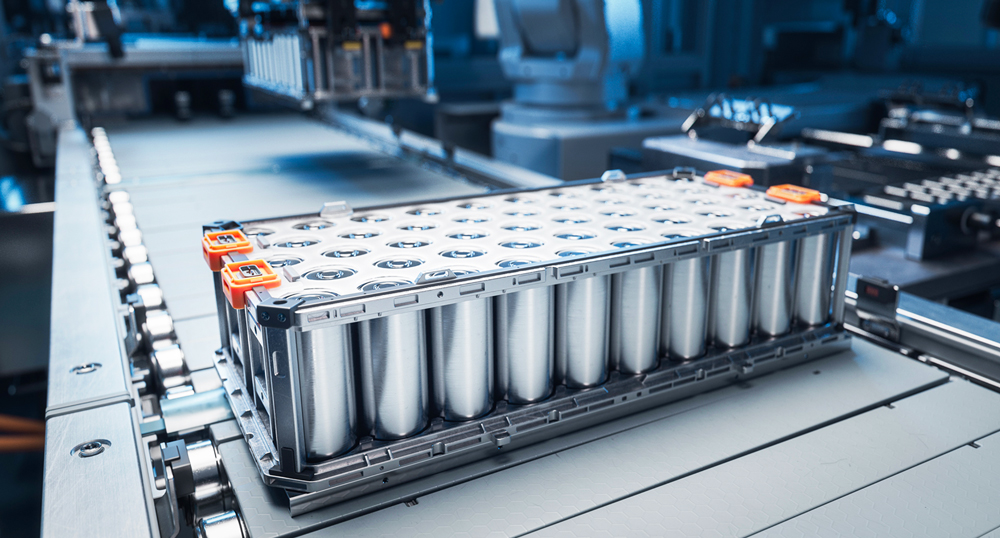
High energy potential, still proving itself.
Lithium-sulfur promises very high specific energy while reducing reliance on nickel and cobalt. That combination makes it appealing for weight-sensitive applications.
Public demonstrations have focused primarily on aerospace and specialty sectors, including announced space-based validation efforts. For automotive use, cycle life and stability are still under development. It’s a chemistry with upside—but not a showroom reality yet.
Lithium Manganese-Rich & Evolved Lithium-Ion
The quiet, near-term revolution.
Not every breakthrough replaces lithium-ion. Some refine it. Lithium manganese-rich cathodes aim to reduce expensive materials like cobalt and high nickel while maintaining performance. A major automaker has publicly outlined plans to introduce this chemistry later this decade.
Add silicon-enhanced anodes and ongoing pack optimization, and you get steady year-over-year improvements in energy density and efficiency—without radical redesigns.
Why It Matters
For drivers, this isn’t lab talk. It’s real-world impact:
- More stable pricing and diversified supply chains
- Better cold-weather performance
- Improved charging consistency
- Enhanced thermal safety
The future of EVs isn’t about abandoning lithium-ion overnight. It’s about matching the right chemistry to the right vehicle. Sodium-ion may anchor affordable city cars. Solid-state could power premium long-range models. Refined lithium variants will quietly improve mainstream EVs year after year.
MaxTake — The next era of electric driving won’t be defined by one battery breakthrough. It will be defined by choice—and by batteries engineered for how we actually drive.