EV ownership in 2026 is no longer a novelty experiment. It’s a financial decision that looks very different depending on where — and how — you live. The early promise of “cheap to run” still holds true in many cases, but only when the surrounding variables line up. For today’s owners, the real economics aren’t hiding in the charging cable. They’re sitting in depreciation charts, insurance renewals, and electricity rate schedules.
This is what the ownership math actually looks like.
The Cost Stack That Really Matters
When you zoom out over a five-year window, most EV owners see their total cost shaped by a handful of core factors:
- Depreciation — typically the single largest expense
- Insurance — often higher than comparable gas models
- Energy — highly dependent on charging behavior
- Financing — interest rates and lease structures matter
- Maintenance & wear items — generally lower, but not zero
Energy costs get the headlines. Depreciation usually wins the argument.
Charging: Where the Savings Are Made (or Lost)
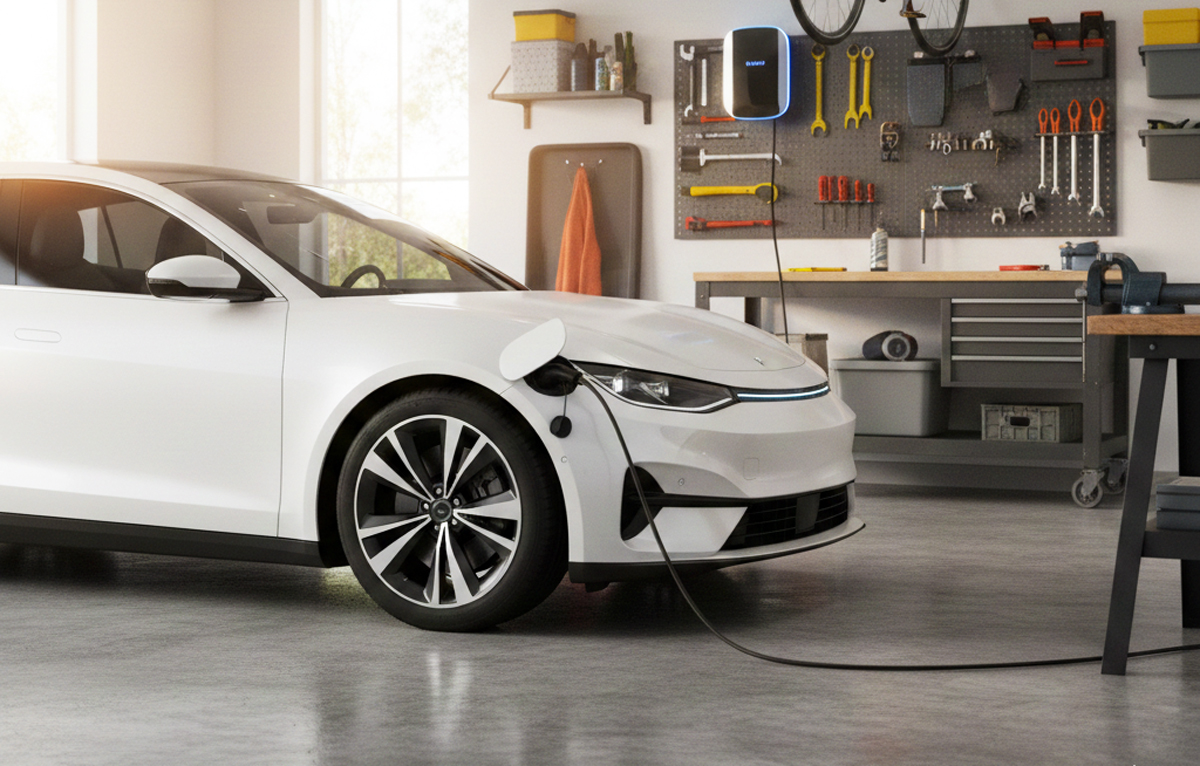
Home charging remains the financial advantage of EV ownership. Drivers with consistent access to overnight residential electricity — especially in markets with time-of-use pricing — often see significantly lower per-mile energy costs compared to gasoline. In parts of North America, Europe, and the GCC, off-peak rates make daily commuting notably inexpensive.
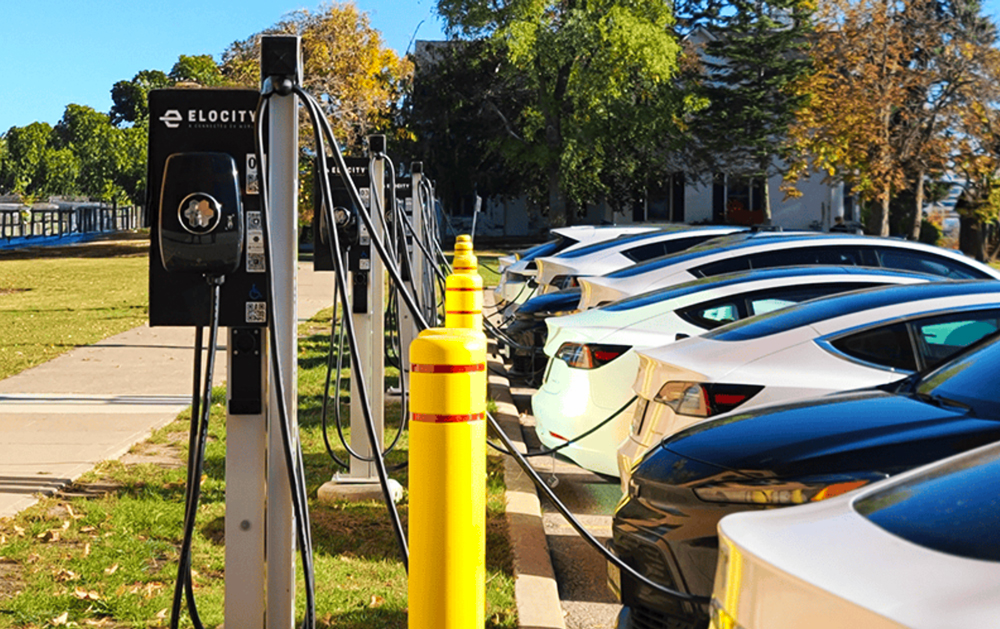
Public charging tells a different story. While AC charging can be reasonable in some cities, frequent DC fast charging can cost multiple times more per mile than home energy. Add peak-hour pricing, network subscriptions, and idle fees, and the margin narrows quickly.
In practical terms:
- Mostly home charging = strong operating savings
- Mostly public fast charging = moderate savings at best
The biggest divide in EV economics in 2026 isn’t brand loyalty — it’s garage access.
Depreciation: The Quiet Heavyweight
Battery technology continues to improve, new models launch with longer range and better efficiency, and manufacturers periodically adjust pricing. All of this influences resale values.
That doesn’t mean EVs depreciate poorly across the board — it means model selection matters more than ever. Vehicles with strong demand, balanced range, and competitive pricing tend to perform better long term. Those purchased at peak pricing may see sharper value corrections.
The takeaway is simple: the purchase decision matters as much as the charging strategy.
Insurance: The Unexpected Variable
Across multiple regions, EV insurance premiums often exceed similar internal combustion vehicles. Reasons commonly cited include:
- Specialized battery repair procedures
- Higher parts costs in certain cases
- Longer repair cycle times
For some households, insurance absorbs a noticeable portion of the fuel savings advantage. Comparison shopping can significantly alter the equation.
Maintenance: Simpler, Not Free
EVs eliminate oil changes and many traditional service intervals. Over several years, routine maintenance costs are typically lower. Brake wear is reduced thanks to regenerative braking, and fewer mechanical systems require attention.
However, tire wear can be higher due to vehicle weight and torque delivery. Suspension components and alignments still require periodic service. The savings are real — just not absolute.
Financing and Ownership Strategy
In today’s rate environment, financing costs meaningfully affect total ownership. Leasing has gained popularity among drivers who prefer predictable monthly costs and reduced exposure to resale swings. Purchasing rewards buyers who select models with stable long-term value.
Either way, monthly payment alone doesn’t define affordability. Total lifecycle cost does.
When the EV Equation Works Best
EV ownership tends to deliver clear financial benefits when:
- Home charging is available and used consistently
- Annual mileage is steady enough to compound energy savings
- Insurance is competitively priced
- Public fast charging is used primarily for travel
When those conditions aren’t met, the savings story becomes more modest — though the driving experience may still justify the decision.
The 2026 Perspective
The EV narrative has matured. It’s no longer about novelty or ideology. It’s about infrastructure access, disciplined purchasing, and understanding where the real expenses sit. For many drivers, EV ownership remains financially compelling. For others, it’s a lifestyle upgrade with slimmer economic margins.
MaxTake – In 2026, EV ownership rewards strategy. Charge at home and you build the advantage. Buy smart and you protect value. Ignore insurance and depreciation, and the savings can quietly disappear. The plug still wins — but only when the numbers line up.