The modern car is no longer defined primarily by horsepower or design language. It is defined by code. As vehicles transition into software-defined architectures, competition is shifting from mechanical engineering to operating systems, silicon platforms, and digital ecosystems. The next platform war is unfolding on the road.
From Machines to Platforms
For decades, automakers differentiated through engines, chassis tuning, and craftsmanship. Today, the competitive edge lies in centralized computing systems that separate hardware from functionality.
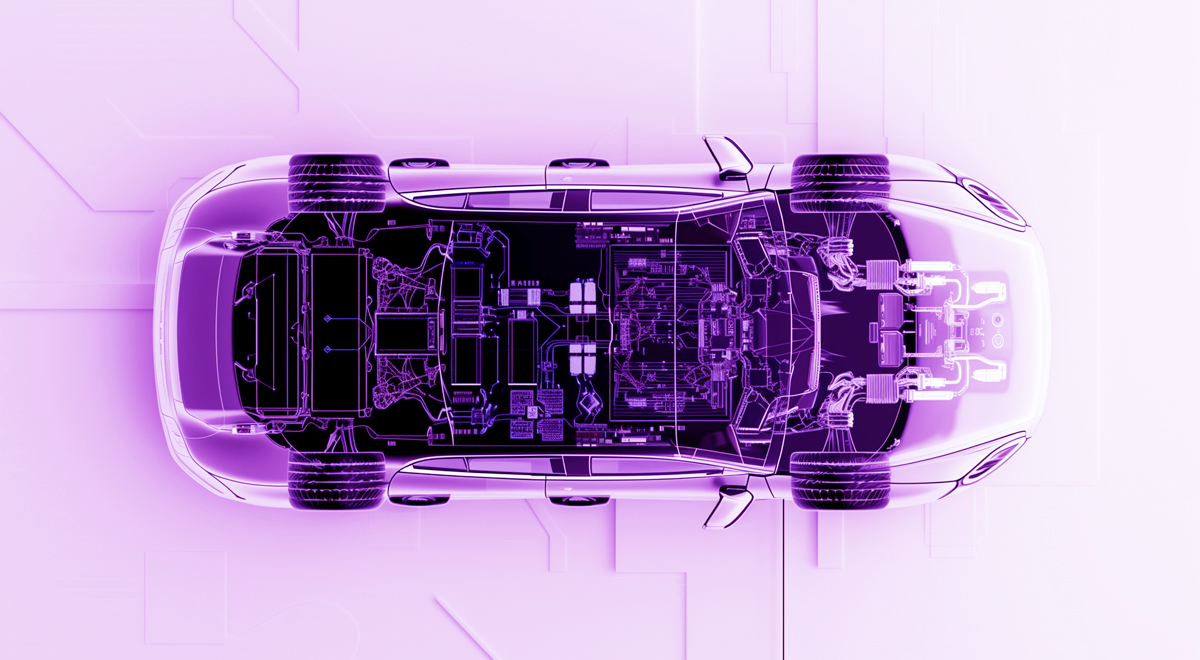
Software-defined vehicles (SDVs) replace scattered electronic control units with high-performance central processors that manage features through adaptable software layers. The implications are significant:
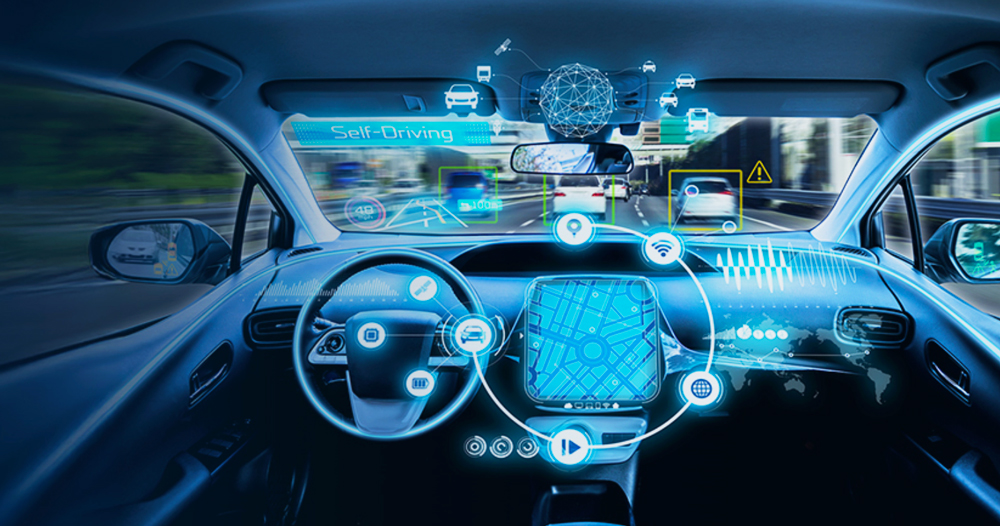
- Over-the-air updates that refine or expand functionality
- Continuous improvements to driver assistance systems
- Subscription-based feature activation
- Shorter innovation cycles without full hardware redesign
Manufacturers that control the software stack control the long-term customer experience.
The Ecosystem Battle
The SDV race extends beyond traditional automakers. It now includes major technology players.
Tesla pioneered a centralized, vertically integrated approach, treating the vehicle like a rolling consumer tech device.
Google supplies Android Automotive OS, a native in-vehicle operating system adopted by multiple global brands.
Apple is expanding deeper vehicle integration through next-generation CarPlay, aiming to shape the digital interface layer.
Volkswagen Group established its CARIAD division to consolidate software development across its portfolio — a clear signal that legacy players recognize the structural shift.
The competition is no longer badge versus badge. It is ecosystem versus ecosystem.
Ownership, Reimagined
For drivers, SDVs introduce a fundamentally different ownership model. Vehicles can improve over time through remote updates. Features may be activated on demand rather than fixed at purchase. Personalization increasingly mirrors smartphone ecosystems, with cloud profiles and AI-driven enhancements.
At the same time, friction points remain:
- Subscription fatigue
- Cybersecurity vulnerabilities
- Data privacy concerns
- Software instability affecting critical systems
Unlike consumer electronics, automotive software must meet uncompromising safety standards.
The Silicon Foundation
Centralized computing requires advanced automotive-grade processors capable of handling AI workloads, sensor fusion, infotainment, and connectivity. Companies such as NVIDIA and Qualcomm are positioning themselves as full-stack automotive compute providers, not merely component suppliers.
The vehicle is evolving into a mobile data platform.
A New Revenue Model
Software-defined architecture unlocks recurring revenue opportunities:
- Subscription-based feature access
- Digital services ecosystems
- Data-enabled insurance integration
- Performance upgrades post-delivery
This model increases lifetime vehicle value but also deepens consumer reliance on digital infrastructure.
Global Momentum
In North America and Europe, legacy manufacturers are restructuring to compete with tech-first entrants.
In China, domestic brands have accelerated centralized software architectures and rapid feature deployment.
In the UAE and Saudi Arabia, connected mobility strategies and smart infrastructure investments align naturally with SDV development.
This transformation is structural, not cyclical.
MaxTake – Software-defined vehicles represent the automotive industry’s most consequential pivot since electrification. The brands that dominate the operating system layer, data architecture, and update pipeline will shape the next era of mobility. The platform war has moved from smartphones to steering wheels — and it is only beginning.