There was a time when performance was something you heard before you saw. A distant rumble at idle. A rising growl under throttle. The unmistakable cadence of a cross-plane crank echoing through tunnels and down suburban streets. The V-8 wasn’t just an engine layout — it was a cultural signature.
As electric propulsion reshapes the industry and silence becomes the new performance language, the legacy of the V-8 grows even more powerful. Not because it is disappearing overnight, but because it defined an era where emotion was mechanical.
Why the V-8 Sound Matters
A naturally aspirated V-8 produces a firing order and exhaust pulse rhythm that creates its signature burble. In American muscle cars, the cross-plane crankshaft gave a deep, uneven rumble. In European performance cars, flat-plane V-8s delivered sharper, higher-revving screams.
Sound wasn’t marketing. It was physics shaped by combustion timing, crankshaft design, exhaust routing, and displacement. The result was a mechanical soundtrack no algorithm could replicate.
The American Muscle Era
In the 1960s and early 1970s, the V-8 became the heartbeat of American performance.
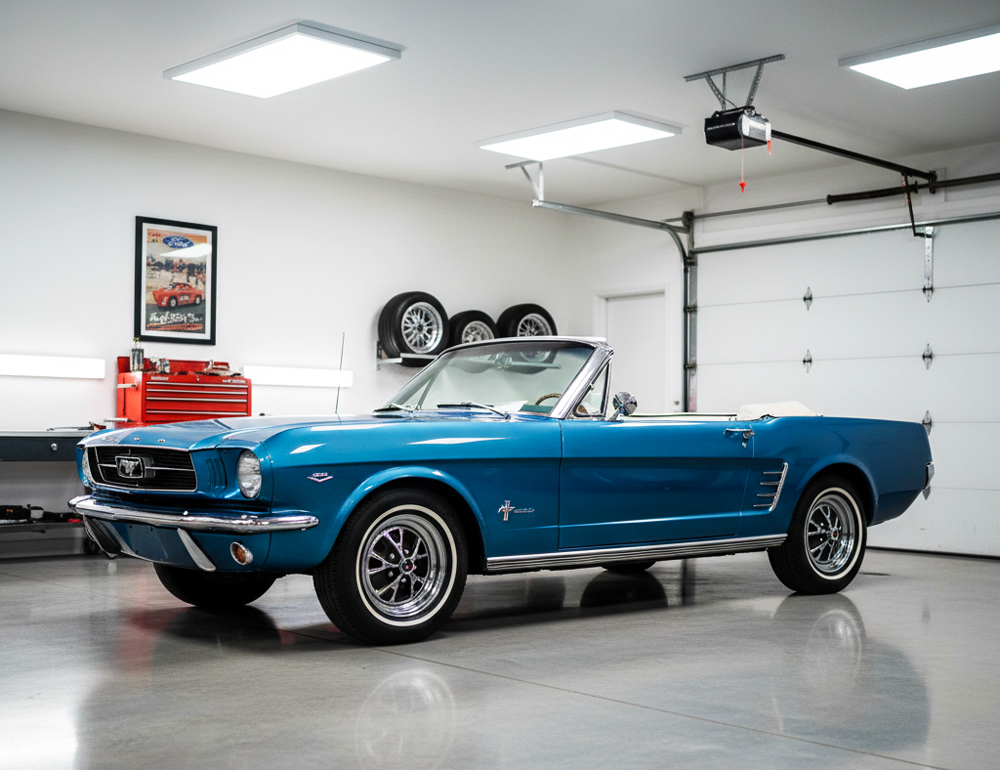
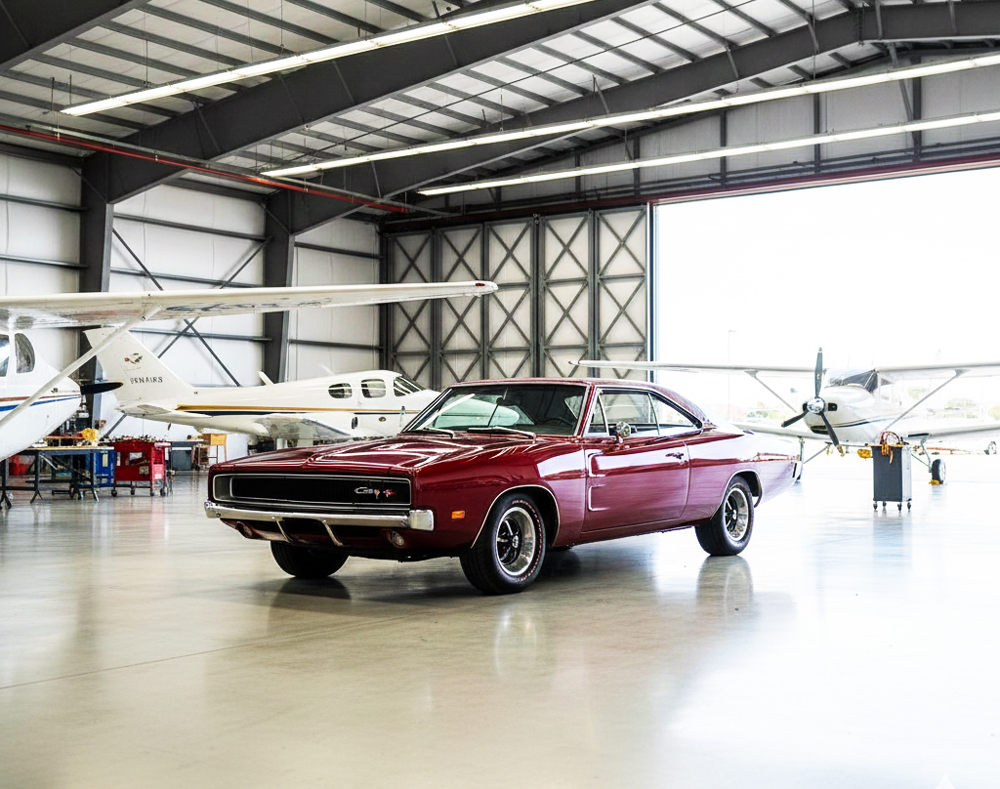
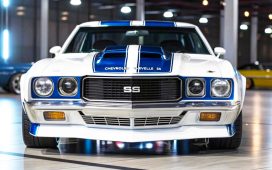
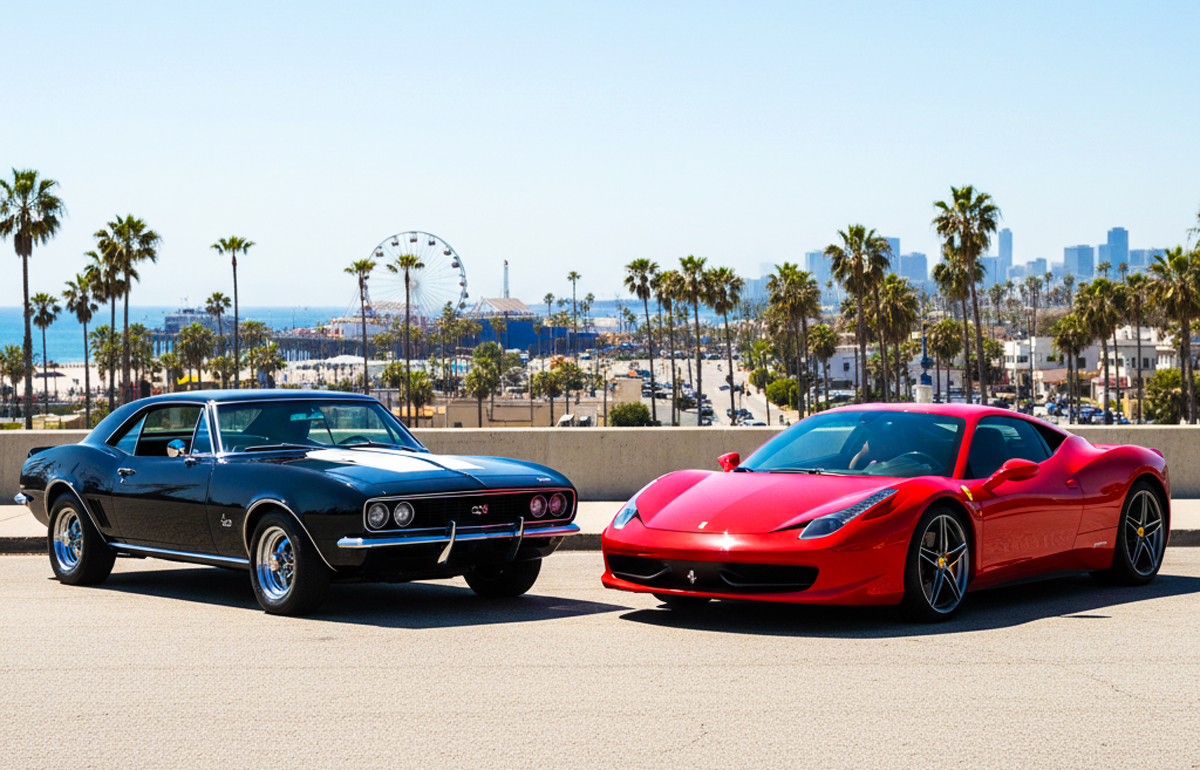
Icons like the Ford Mustang GT, Chevrolet Camaro SS, and Dodge Charger R/T weren’t defined by lap times — they were defined by presence.
Big displacement and simple engineering delivered:
- Thunderous cold starts that shook neighborhoods awake
- Effortless torque for highway pulls and smoky burnouts
- A bass-heavy exhaust note that became pure Americana
The V-8 wasn’t subtle. It was bold, rebellious, and unapologetically loud.
The European Interpretation
Europe refined the formula. Smaller displacement, higher rev ceilings, sharper throttle response. Cars like the Ferrari 458 Italia, Mercedes-Benz C 63 AMG, and BMW M3 transformed the V-8 into something orchestral.
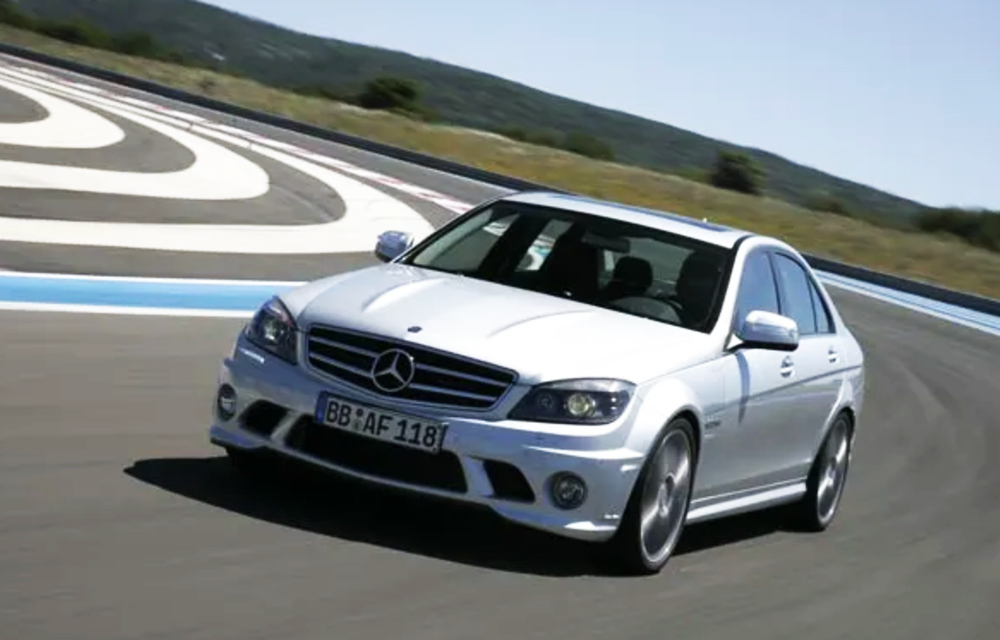
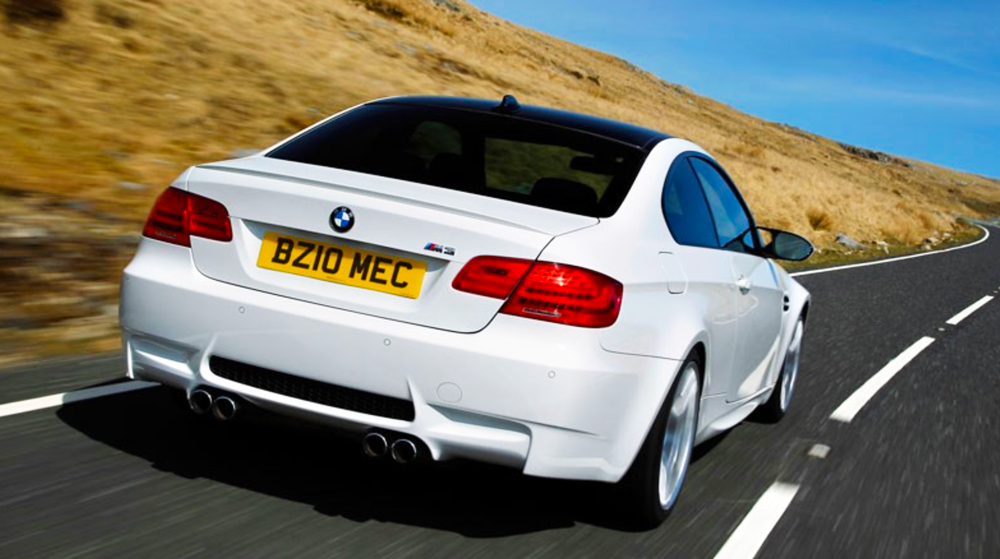
Flat-plane crank Ferraris screamed toward 9,000 rpm. AMG’s naturally aspirated 6.2-liter delivered raw mechanical aggression. BMW’s final naturally aspirated M3 created one of the most celebrated modern V-8 soundtracks ever produced.
In tunnels, these cars didn’t just accelerate — they performed.
The Shift Toward Silence
Electric vehicles changed the equation almost overnight. Instant torque replaced rev builds. Linear acceleration replaced crescendo. Speed became clinical. Today’s high-performance EVs offer measurable advantages in acceleration, traction control, and torque distribution. They are faster in many real-world scenarios and dramatically quieter.
That silence is efficiency. But it also removes anticipation — the rising mechanical build that once defined performance drama.
Why the V-8 Won’t Be Forgotten
The V-8’s legacy isn’t just about nostalgia. It is about sensory memory and mechanical engagement.
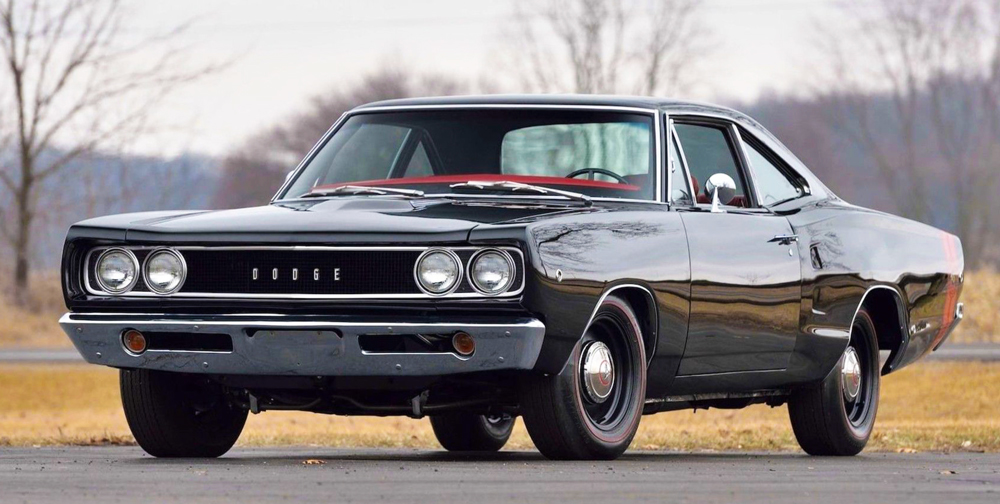
- The vibration felt through the steering wheel at idle
- The cam lope pulsing unevenly at a stoplight
- The deep resonance that travels through your chest under throttle
These sensations are physical. They connect driver and machine in a way silent propulsion cannot fully replicate. As regulations tighten and electrification expands globally, naturally aspirated V-8 engines are becoming rarer. Their presence shifts from mainstream production to specialty models and heritage offerings.
Collectibility and Cultural Value
In a quieter automotive future, analog character becomes more desirable. The V-8 transitions from everyday performance option to collectible artifact.
Expect stronger preservation culture, increased interest in low-mileage naturally aspirated models, and greater appreciation for unmodified examples. Events centered on combustion heritage will grow in cultural value, and specialty fuel technologies may help extend the life of classic platforms. What was once common becomes coveted.
The Emotional Divide
Performance now exists in two distinct philosophies. Electric performance delivers precision, repeatability, and relentless acceleration without theatrics. It is efficient and brutally effective.
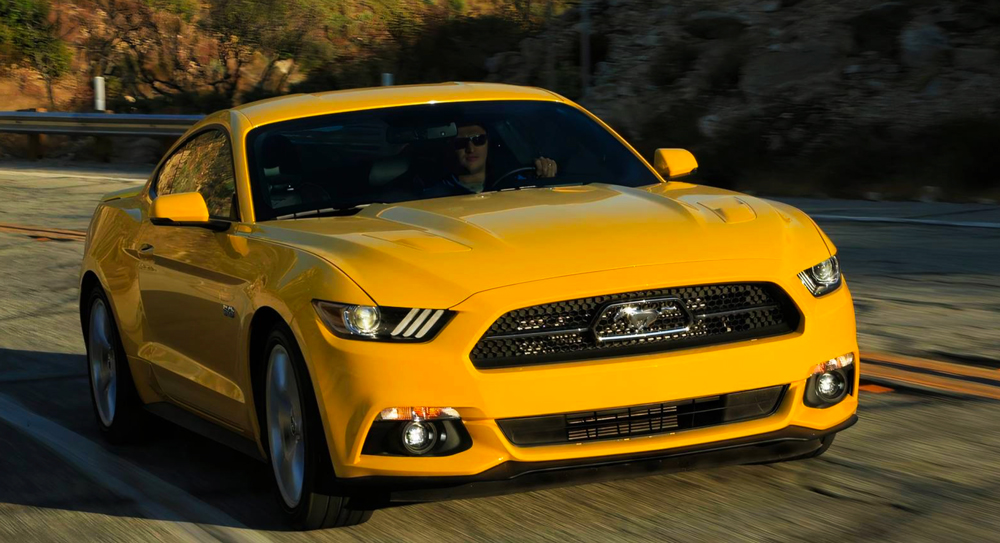
V-8 performance delivers drama, anticipation, and identity. The power builds. The sound rises. The driver becomes part of a mechanical sequence. One defines the future of engineering. The other defines the history of emotion.
The Long View
The V-8 will narrow into specialty segments: heritage muscle cars, limited-run sports cars, collector-focused grand tourers. Its production footprint may shrink, but its cultural impact will not. In a world moving toward silence, the memory of eight cylinders firing in rhythm grows more meaningful. The soundtrack becomes a symbol of a mechanical era that shaped generations of enthusiasts.
MaxTake – The V-8 soundtrack represents more than combustion — it represents character. As performance evolves toward electrification, the emotional benchmark set by decades of V-8 dominance remains the reference point. The future may be quiet, but the legacy of that unmistakable rumble will continue to define what driving once felt like.