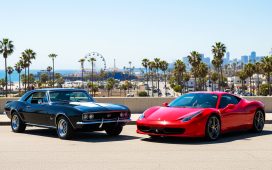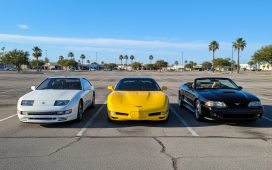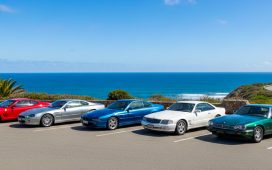
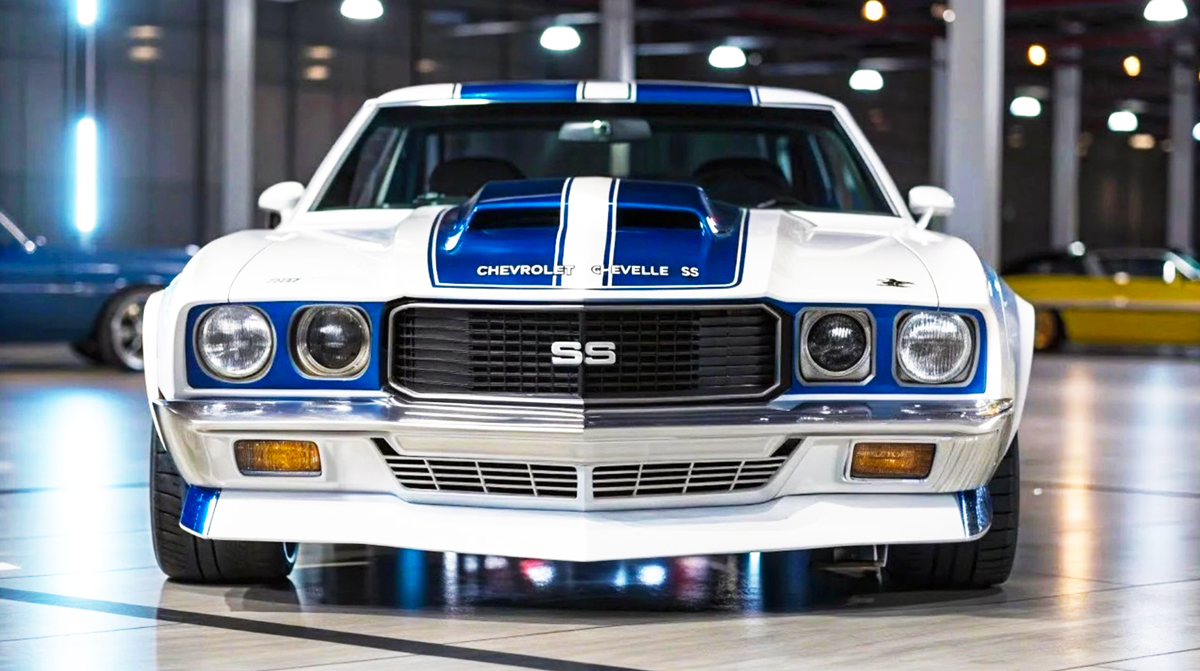
Owning a classic in 2026 isn’t nostalgia — it’s stewardship. Whether you’re preserving a carbureted V-8, a German grand tourer, or a ‘90s JDM icon, the formula is the same: protect originality, apply modern tools intelligently, and stay ahead of wear before it becomes failure.
Smart Diagnostics, Old-School Mechanical Sense
Classic cars may be analog, but the approach to maintaining them no longer has to be. Today’s compact diagnostic tools allow owners to identify small issues before they become major mechanical events. Electrical gremlins, inconsistent idle, or charging system fluctuations can now be traced quickly instead of guessed at. Still, technology should complement experience — not replace it. A trained ear, a steady idle, and consistent oil pressure readings remain some of the best indicators of overall health.
- OBD-II Scanners (1996+ classics): Compact Bluetooth scanners paired with a smartphone deliver live data and fault codes in seconds.
- Digital Multimeter: Essential for tracking electrical faults in pre-OBD cars.
- Compression & Leakdown Tests: The fastest way to assess internal engine health before problems escalate.
Technology helps — but mechanical intuition still matters. Listen for changes. Feel for vibration. Classics talk; good owners pay attention.
Fluids: The Lifeblood
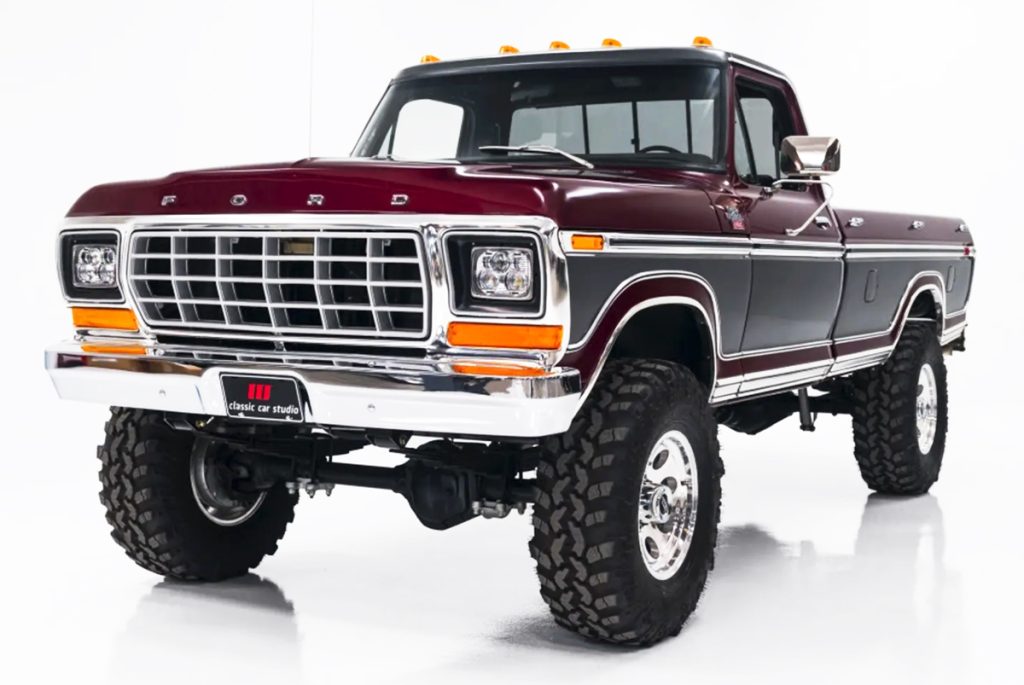
Infrequent driving can be harder on a classic than regular use. Fluids degrade over time, even if the car rarely leaves the garage. Moisture accumulation, additive breakdown, and ethanol-blended fuel all accelerate wear in older systems. Preventative fluid maintenance is one of the simplest and most cost-effective ways to protect long-term engine and drivetrain health.
- High-Zinc Engine Oil (ZDDP): Protects flat-tappet cams common in older engines.
- Coolant with Corrosion Inhibitors: Prevents internal radiator and block damage.
- Brake Fluid Flushes: Moisture buildup leads to corrosion — change it regularly.
Annual servicing, even for low-mileage cars, is non-negotiable.
Parts in 2026: Better Than Ever
The restoration and aftermarket ecosystem has evolved rapidly over the last decade. What was once rare or discontinued can often now be reproduced with remarkable precision. However, availability does not guarantee quality. Owners must balance authenticity, durability, and fitment when choosing replacement components. Strategic sourcing protects both drivability and long-term value.
- OEM When Possible: Fit and longevity still win.
- CNC & 3D-Printed Components: Ideal for discontinued trim and brackets.
- Remanufactured Drivetrain Parts: Modern tolerances, classic character.
Cheap parts create expensive repairs. Invest once.
Sensible Upgrades That Don’t Ruin Value
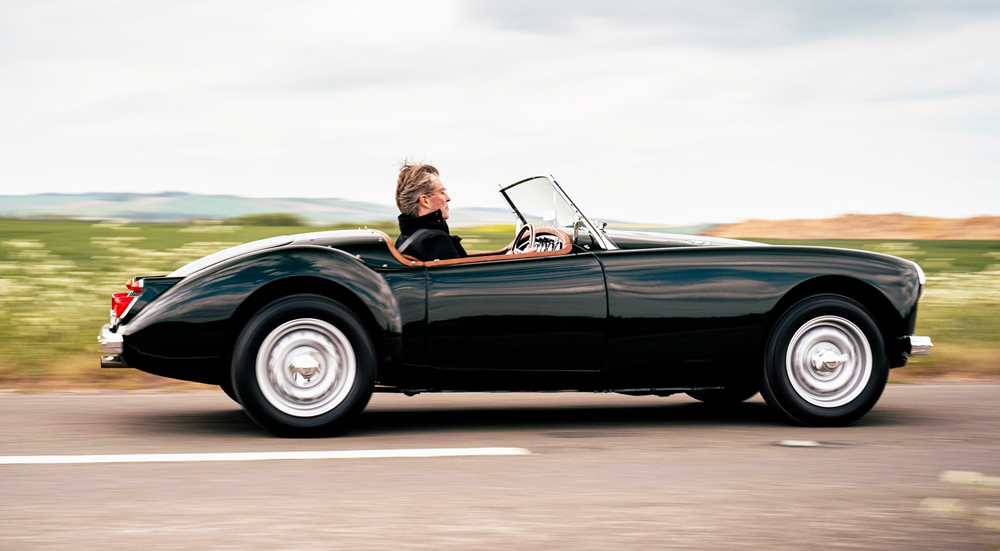
There is a difference between modification and improvement. Purists value originality, but safety and reliability should never be compromised. The smartest upgrades are discreet, reversible, and focused on reducing stress on aging systems. Done correctly, they enhance drivability without altering the vehicle’s character.
- Front Disc Brake Conversions: Stronger stopping with minimal visual change.
- Polyurethane Bushings: Sharper response without harshness.
- Modern Radiators & Electric Fans: Better cooling, same silhouette.
The goal isn’t modification. It’s longevity.
Preservation Is Performance
Corrosion remains the single biggest long-term threat to classic cars. Mechanical components can be rebuilt; structural rust is far more costly and complex to correct. Climate, storage conditions, and preventative measures directly influence a car’s lifespan. Owners who prioritize preservation early avoid expensive bodywork later.
- Underbody protection and cavity sealing are critical in damp climates.
- Paint protection film on high-impact zones prevents chips without altering appearance.
- UV protection for interiors keeps vinyl and leather from cracking.
Condition is value. Prevention is profit.
Documentation Builds Legacy
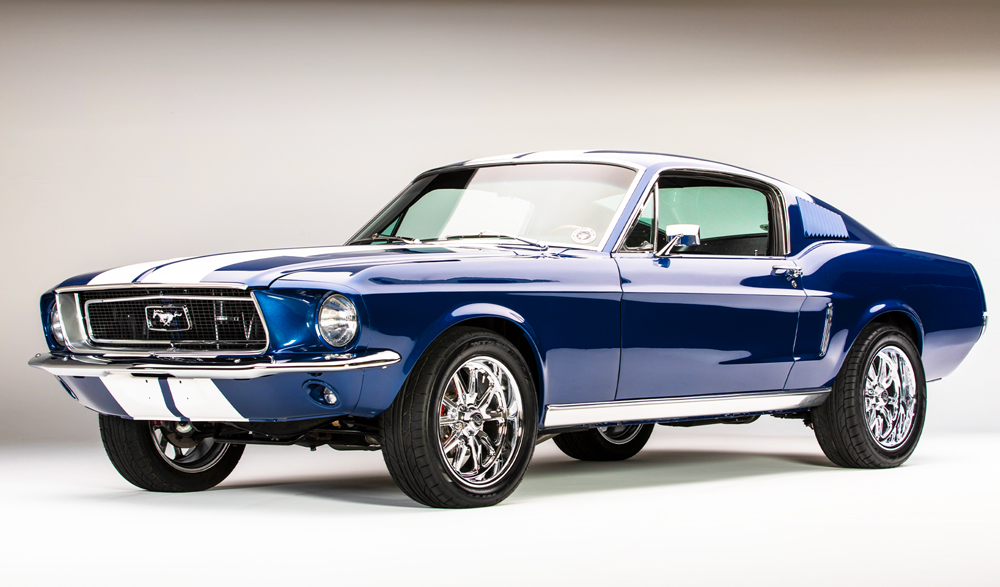
In 2026, transparency drives value. Buyers expect detailed records, clear service history, and evidence of thoughtful ownership. Documentation not only supports resale pricing but also simplifies future maintenance decisions. Organized records transform a car from a hobby into an investment-grade asset.
MaxTake
Maintaining a classic in 2026 is about balance. Use modern diagnostics, source quality parts, upgrade selectively, and protect originality at all costs. Do it right, and your car won’t just survive another decade — it’ll outlast trends, electrification waves, and whatever the industry throws at it next.