For more than a century, BMW has built its reputation on mechanical excellence — engines, chassis balance, and driver engagement. But the industry is now entering a different era where software, computing power, and electrification define the future of mobility.
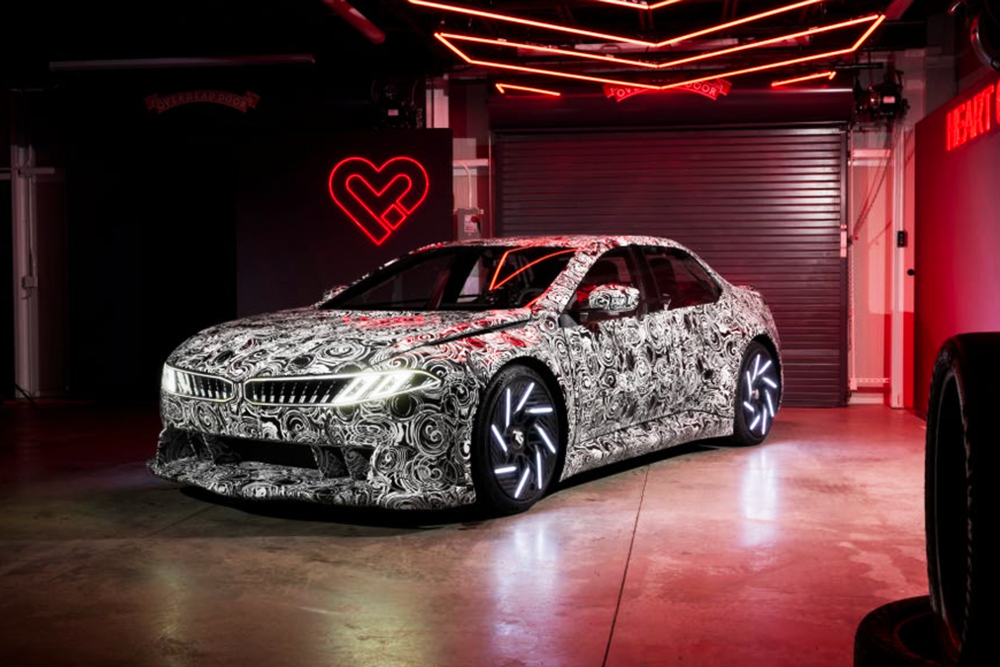
BMW’s response is Neue Klasse, a clean-sheet electric platform that resets the technological foundation of the brand. Rather than adapting existing architectures, Neue Klasse is designed from the ground up around batteries, centralized computing, and a digital operating system capable of evolving long after the car leaves the factory.
The result signals BMW’s transition toward the software-defined vehicle.
A Platform Built for the Electric Era
Earlier BMW EVs were based on platforms originally designed to accommodate gasoline engines. Neue Klasse eliminates those compromises.
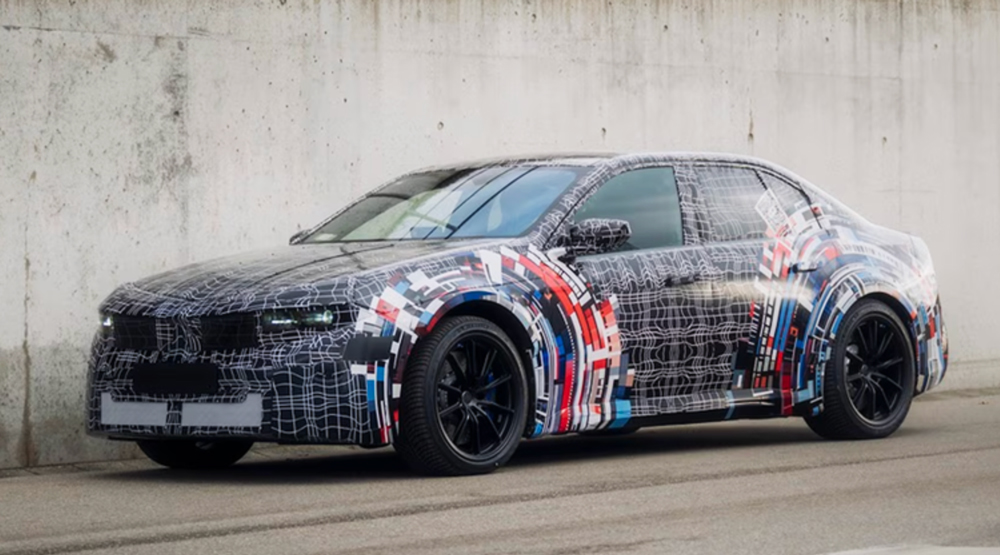
It is the company’s first high-volume architecture engineered exclusively for electric propulsion, enabling better packaging, improved weight distribution, and greater efficiency.
Key engineering highlights include:
- Dedicated EV architecture with improved interior space
- Structural battery integration for stronger chassis rigidity
- 800-volt electrical architecture enabling ultra-fast charging
- Simplified electronics and reduced wiring weight
The first production vehicle built on this platform will be the next-generation BMW iX3, marking the beginning of BMW’s new electric era.
The Rise of the Software-Defined BMW
What truly differentiates Neue Klasse is its computing architecture.
Traditional vehicles rely on dozens of small electronic control units scattered throughout the car. Neue Klasse replaces this fragmented system with four centralized high-performance computers, often described as “superbrains.”
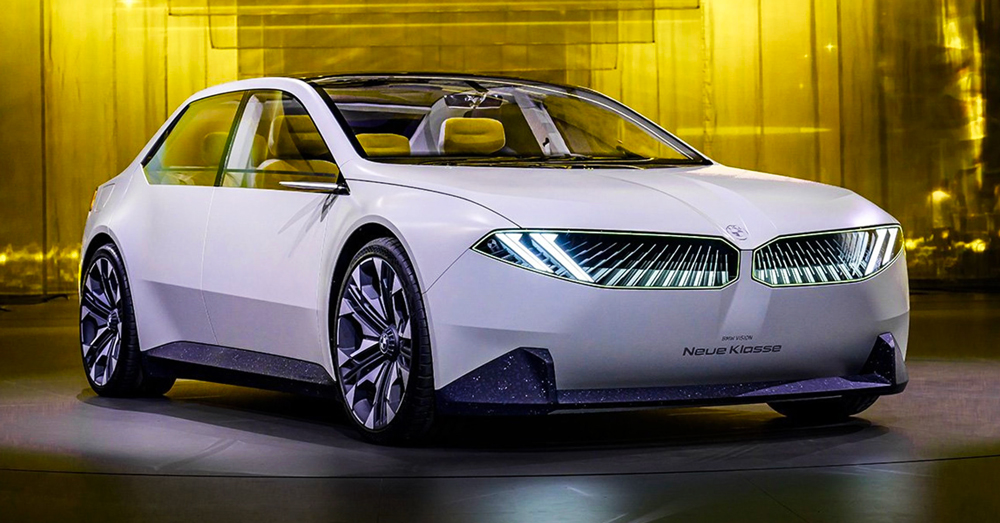
These processors manage the car’s key digital domains:
- Driving dynamics and powertrain
- Automated driving systems
- Infotainment and digital interfaces
- Comfort and body controls
By consolidating vehicle intelligence into powerful central computers, BMW dramatically increases processing capability while simplifying the electrical architecture.
The result enables continuous over-the-air software updates, allowing the vehicle’s performance, features, and driving systems to evolve throughout its lifecycle.
Sixth-Generation Battery Technology
Neue Klasse introduces BMW’s sixth-generation battery system, built around cylindrical battery cells and integrated directly into the vehicle structure.
The new energy platform delivers meaningful improvements in efficiency and charging capability.
Expected advantages include:
- 800-volt fast-charging capability
- Charging speeds approaching 400 kW
- Significantly shorter charging times
- Increased driving range
Under optimal conditions, upcoming Neue Klasse models are expected to charge from 10 to 80 percent in about 20 minutes, placing them among the faster-charging EVs in their segment.
The platform will also support bidirectional charging, allowing vehicles to power homes, devices, or feed energy back into the grid.
A New Digital Interior Experience
Inside the cabin, BMW is introducing its most significant interface redesign since the original iDrive system.
The centerpiece is BMW Panoramic Vision, a full-width projection across the base of the windshield that displays key driving information directly within the driver’s field of view.
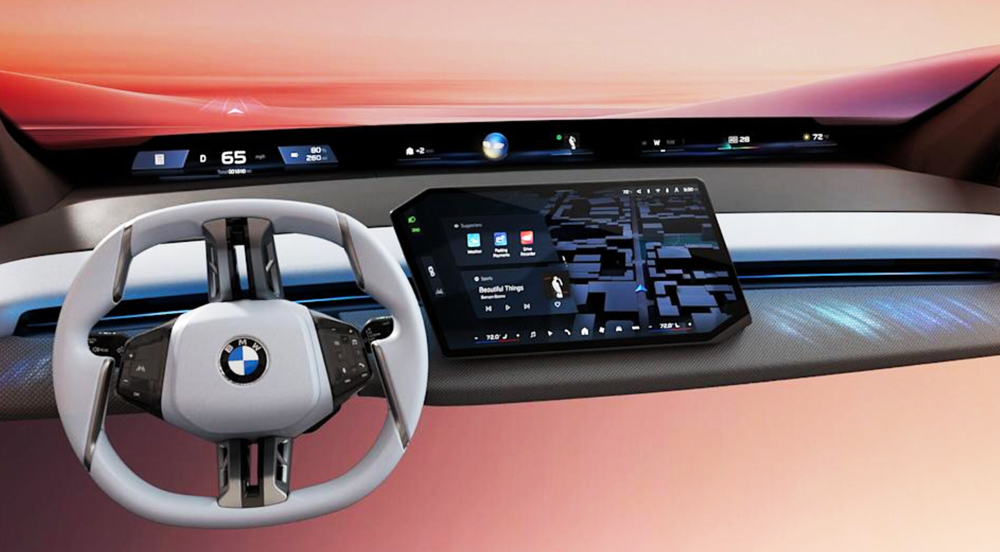
The digital cockpit combines:
- Panoramic windshield display
- Advanced head-up projection
- Central touchscreen interface
- Voice, touch, and gesture controls
The goal is a cleaner, more immersive interface that prioritizes driver focus while expanding digital functionality.
AI-Driven Assistance and Intelligent Driving
Neue Klasse also expands BMW’s use of artificial intelligence in driving assistance systems.
Centralized computing allows the vehicle to process data from cameras, radar, and sensors far more efficiently, enabling more advanced driver assistance capabilities.
These systems are expected to include:
- Enhanced hands-off highway driving
- Automated lane changes and traffic assistance
- Continuous improvements through software updates
While maintaining its focus on driving dynamics, BMW is steadily integrating higher levels of intelligent automation.
The Foundation for BMW’s Next Decade
Neue Klasse is not a single vehicle program — it is BMW’s roadmap for the rest of the decade.
The company plans to roll out dozens of Neue Klasse-based models by 2027, spanning sedans, crossovers, and performance vehicles across multiple segments.
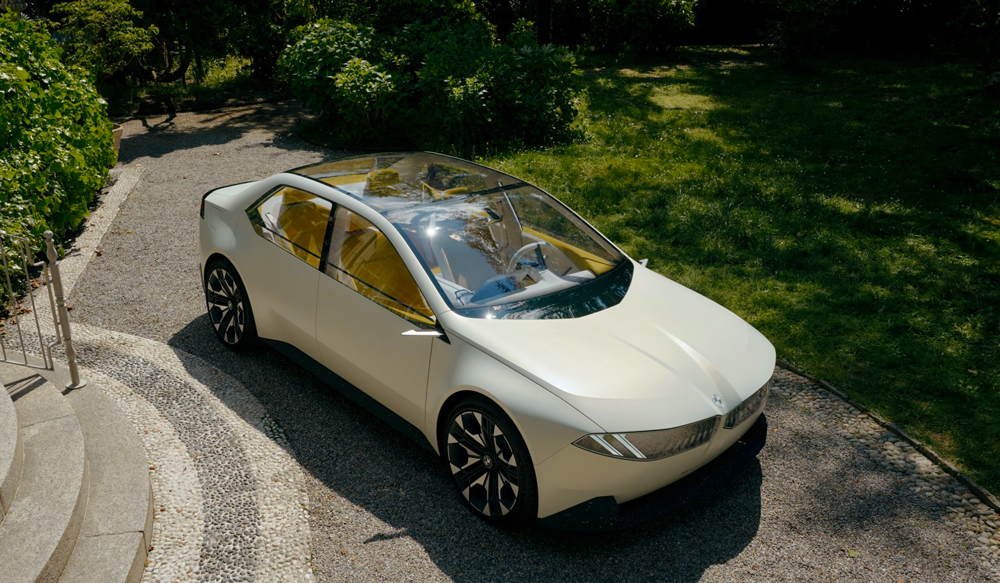
Early vehicles expected on the platform include:
- The next-generation BMW iX3 electric SUV
- A new electric sports sedan positioned near the 3-Series segment
- Additional crossover and performance variants
Over time, the architecture will influence much of BMW’s global lineup.
MaxTake
The electric transition is often framed as a shift from gasoline to batteries. In reality, the deeper transformation is digital. BMW’s Neue Klasse marks the moment when the car evolves from a mechanical machine into a software platform on wheels — one defined as much by computing power and connectivity as by horsepower.