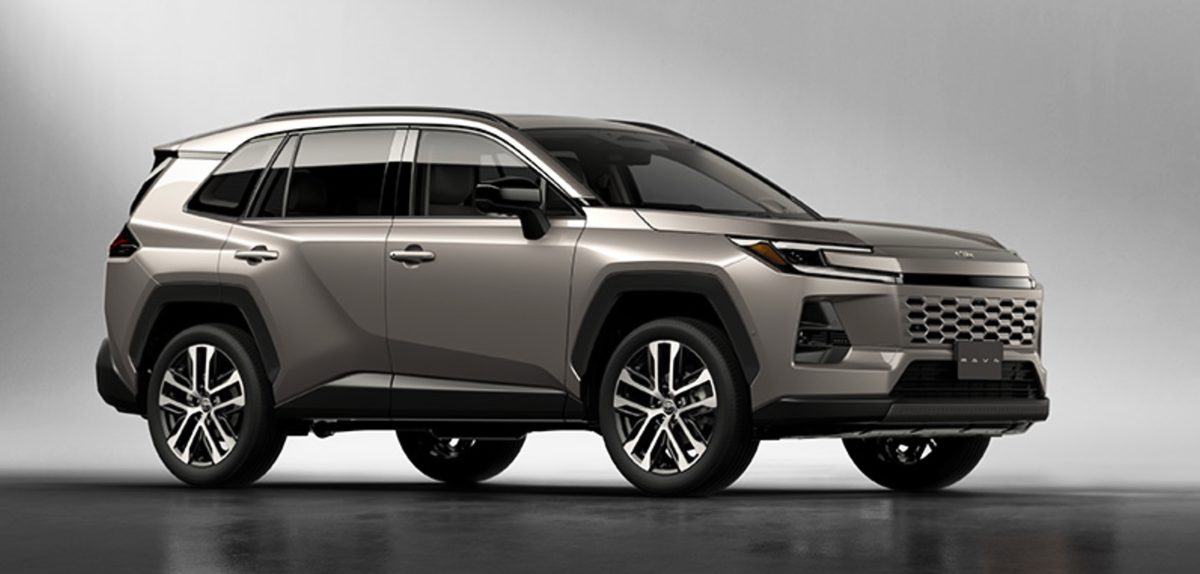
The Hybrid Blueprint for the World’s Best-Selling SUV
Few vehicles have shaped the modern SUV market like the Toyota RAV4. As one of the best-selling vehicles globally, its direction carries weight far beyond Toyota showrooms. With the sixth-generation RAV4 arriving for 2026, Toyota is taking a decisive step: the lineup moves to a fully electrified strategy, dropping traditional gasoline-only models in favor of hybrid and plug-in hybrid powertrains.
Rather than rushing toward a fully electric SUV, Toyota is doubling down on what it does best—hybrid technology scaled for millions of drivers.
Why the RAV4 Is Going Fully Electrified
Electrified versions of the RAV4 have already been gaining momentum. Hybrid and plug-in models have accounted for a significant share of sales in North America and Europe, proving that buyers want efficiency without changing how they drive.
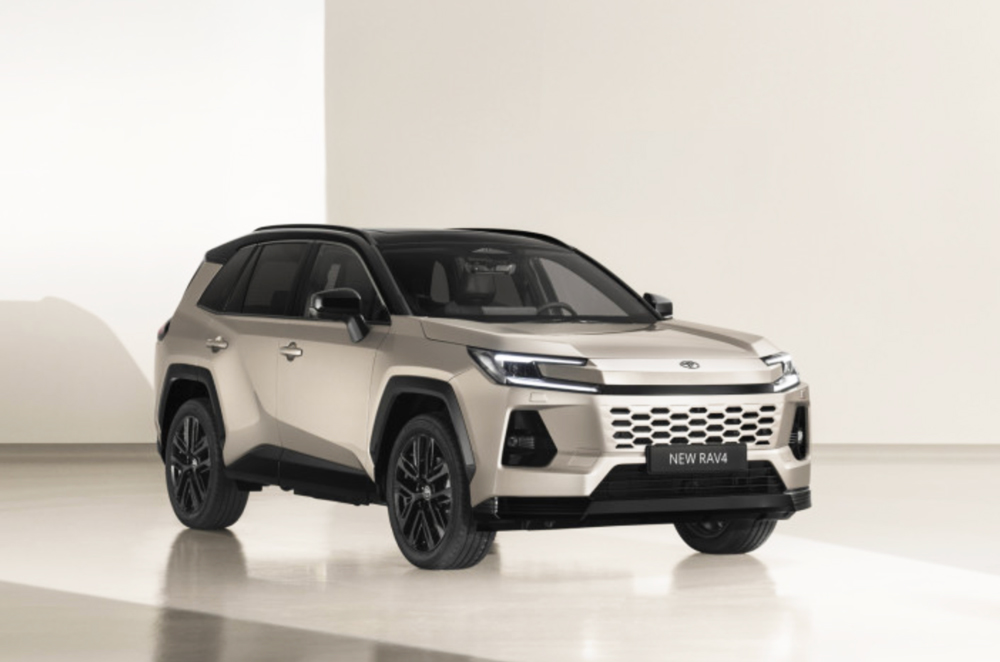
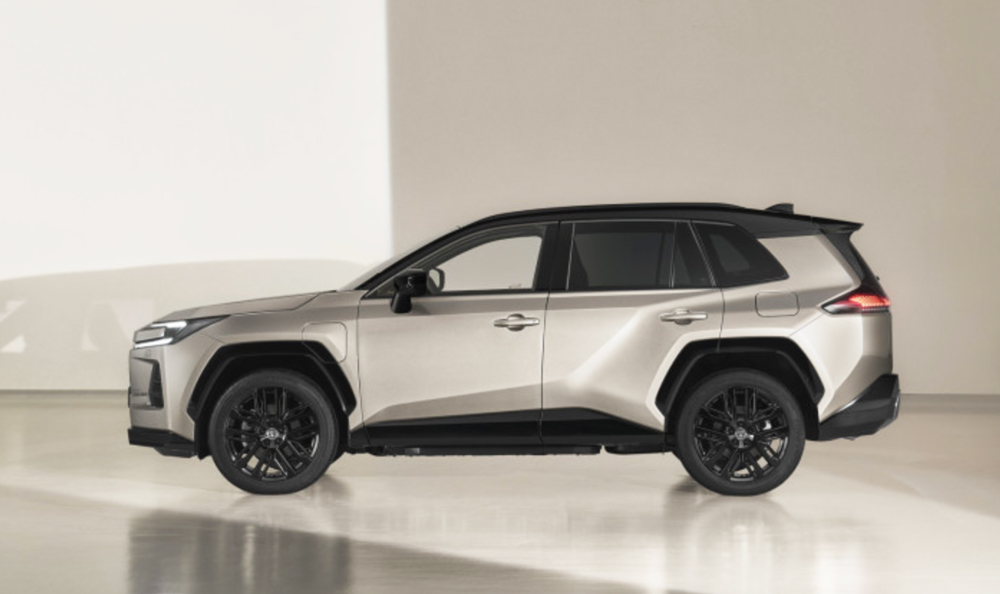
Toyota’s decision reflects several broader shifts:
- Tighter emissions regulations in major markets
- Growing demand for fuel-efficient SUVs
- Slower adoption of full battery-electric vehicles in some regions
- Toyota’s decades of hybrid development experience
The RAV4 becomes the logical platform to mainstream electrification.
Hybrid First, Plug-In for Performance
The new RAV4 lineup revolves around two electrified systems.
Hybrid Electric (HEV) models combine a 2.5-liter engine with electric motors for improved efficiency and everyday practicality. Expect roughly 236 horsepower in all-wheel-drive configurations, along with significantly improved fuel economy compared with past gasoline versions.
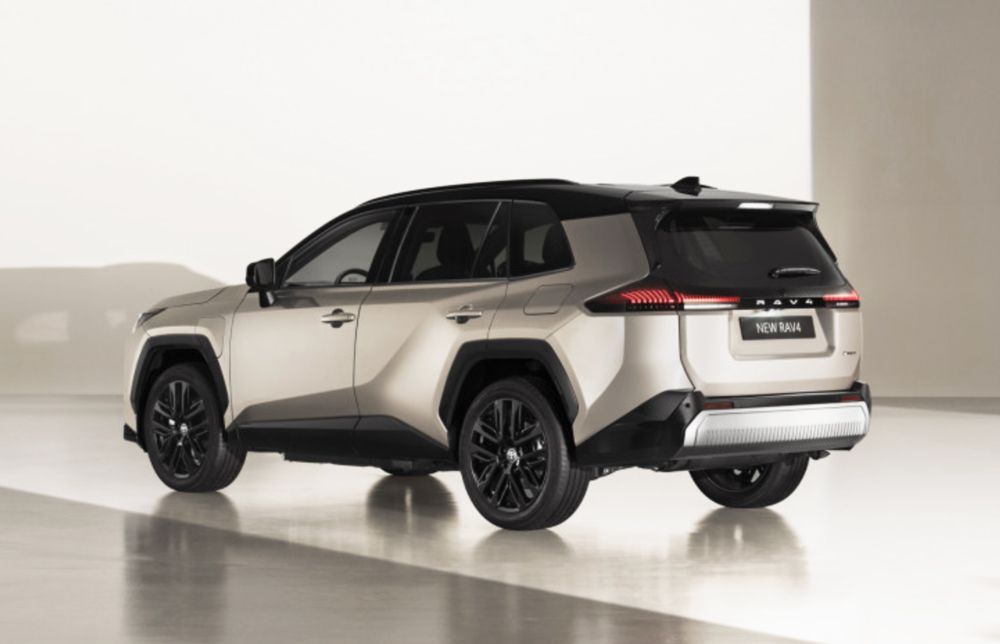
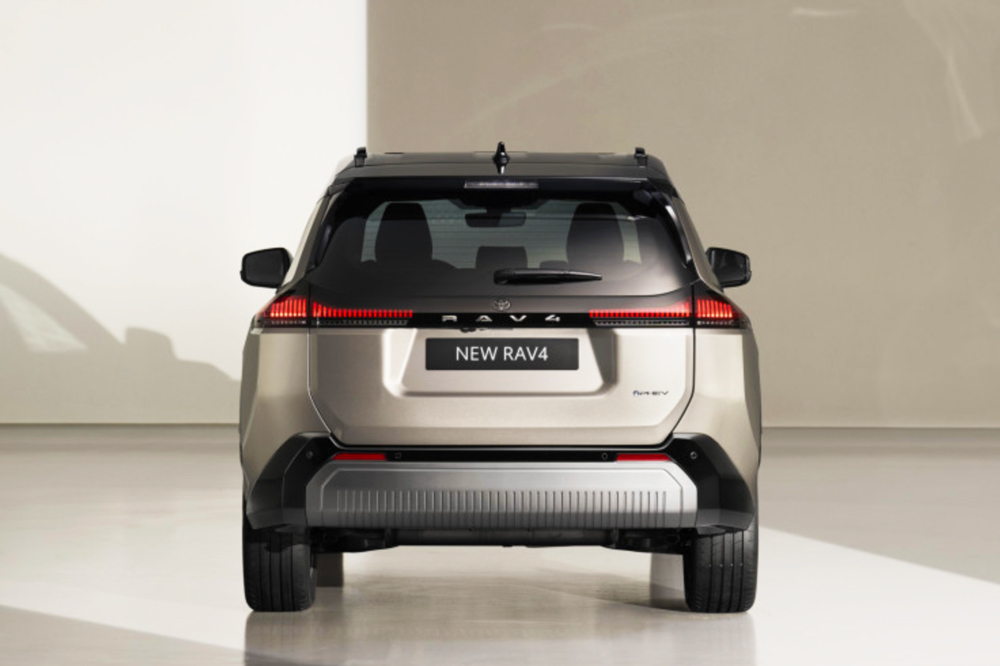
Plug-in Hybrid (PHEV) variants take performance and electrification further. These models deliver around 320 horsepower and up to 80 km (about 50 miles) of electric-only range, allowing many daily commutes to happen without using gasoline.
The result is a lineup that balances efficiency, performance, and convenience.
Electrification Without the EV Trade-Offs
Toyota’s approach aims to remove the biggest barriers that still slow EV adoption.
Hybrid vehicles offer:
- No dependence on charging infrastructure
- Lower fuel consumption and emissions
- Long-distance flexibility
- Proven reliability
Plug-in hybrids add electric commuting capability while maintaining gasoline backup for road trips. For many buyers, this middle ground remains the most practical path to electrification.
A More Digital RAV4
The latest RAV4 also introduces a new generation of Toyota technology. Updated digital displays, improved infotainment systems, and advanced driver-assistance features arrive alongside Toyota’s Arene software platform, marking a shift toward software-defined vehicles.
This architecture will allow Toyota to expand connectivity, safety features, and vehicle updates more easily in the future.
A Global Production Powerhouse
The RAV4’s electrified transition is supported by Toyota’s global manufacturing footprint.
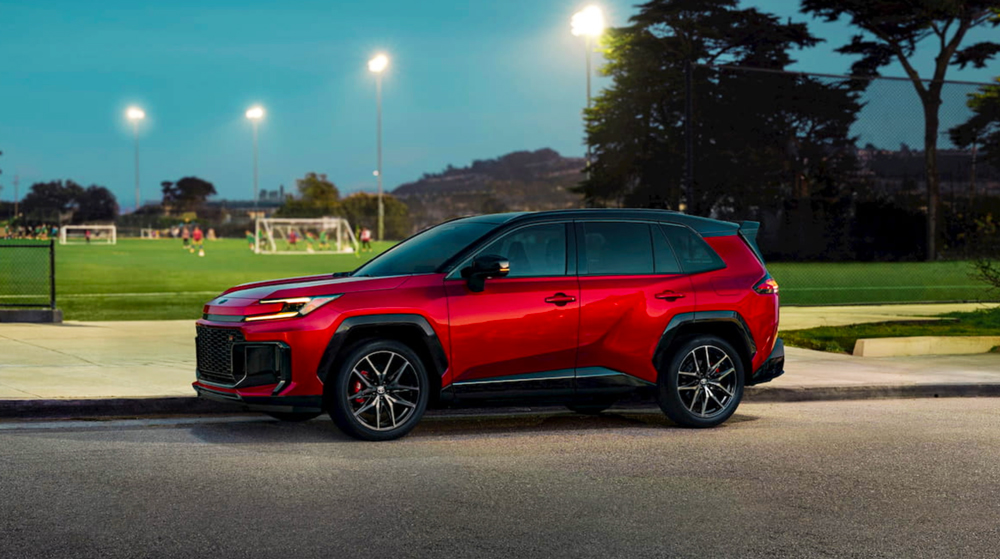
Production takes place in:
- Canada
- Japan
- The United States
Canadian facilities, in particular, play a major role in hybrid production, reinforcing North America’s place in Toyota’s electrified SUV strategy.
MaxTake
Toyota’s electrified RAV4 strategy reflects a philosophy that has long defined the brand: progress through practicality. By making hybrid technology standard in one of the world’s most popular SUVs, Toyota isn’t betting on a sudden EV revolution—it’s building an electrified future that millions of drivers can adopt right now.