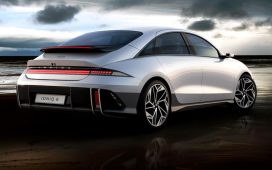
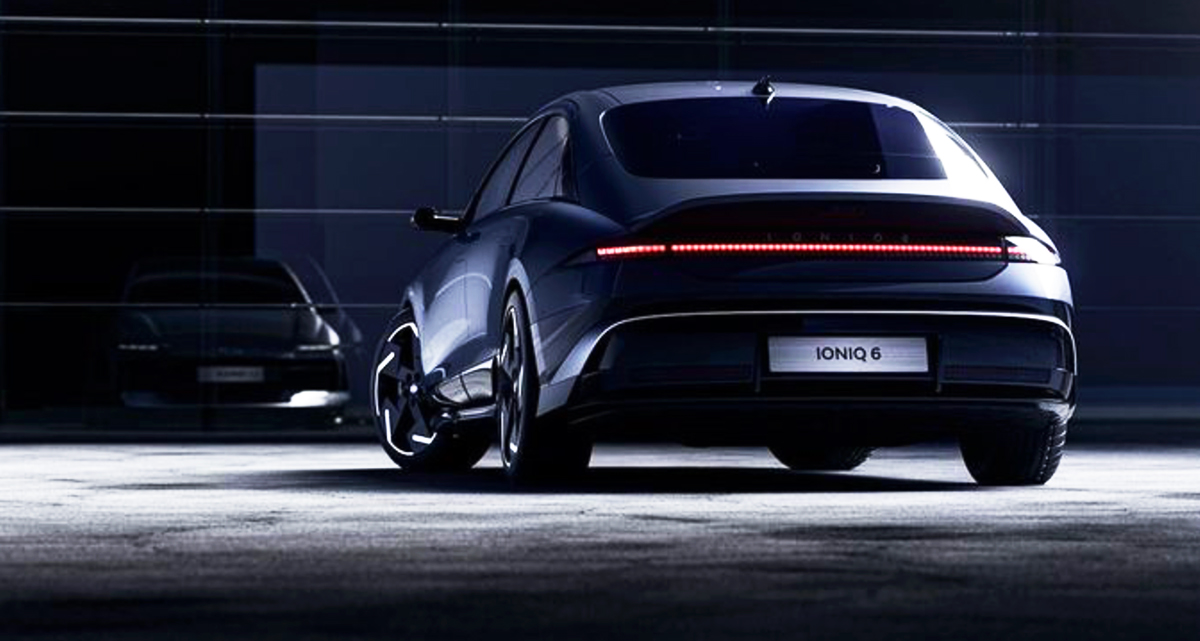
Hyundai’s electric strategy in the United States is undergoing a shift. The company has confirmed that the standard IONIQ 6 electric sedan will be discontinued in the U.S. after the 2025 model year, effectively shrinking the brand’s IONIQ lineup in one of the world’s most competitive EV markets.
While the streamlined sedan once represented Hyundai’s most aerodynamic and futuristic EV design, it struggled to find strong demand compared with the company’s crossover models. The move signals a broader industry reality: even as electrification accelerates globally, automakers are refining which EV segments resonate most with buyers.
The IONIQ Portfolio Narrows
Hyundai introduced the IONIQ sub-brand to represent its next generation of electric vehicles, with models built on the advanced E-GMP platform. In the U.S., the lineup originally centered around two key vehicles:
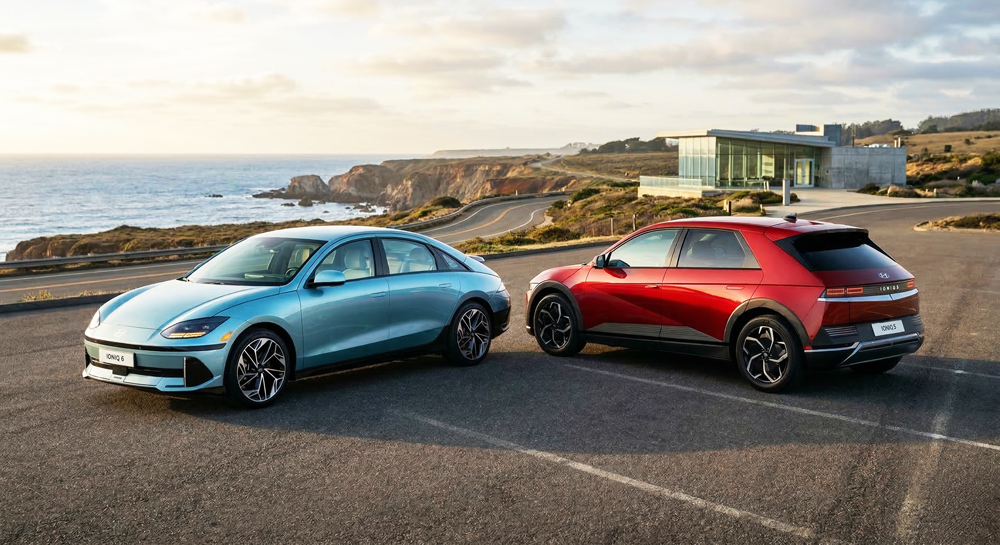
- IONIQ 5 – a retro-inspired electric crossover
- IONIQ 6 – a sleek, low-slung electric sedan
The IONIQ 5 quickly became the breakout success. Its crossover shape, practicality, and competitive pricing aligned well with American preferences. The IONIQ 6, however, never achieved the same momentum.
Sales steadily declined after its launch. Hyundai sold nearly 13,000 units in its first full year, but numbers slipped in subsequent years, with only a few hundred units moving in early 2026. As a result, Hyundai chose to discontinue the standard model in the United States, leaving the lineup focused on its more popular EV crossovers.
One Version Survives: The IONIQ 6 N
Although the mainstream IONIQ 6 will disappear from American showrooms, the nameplate itself isn’t completely gone. Hyundai plans to introduce a high-performance IONIQ 6 N, the electric sport sedan developed by the brand’s N performance division.
Key highlights expected from the performance model include:
- Estimated 641 horsepower output
- Track-focused chassis tuning
- Limited availability at select dealerships
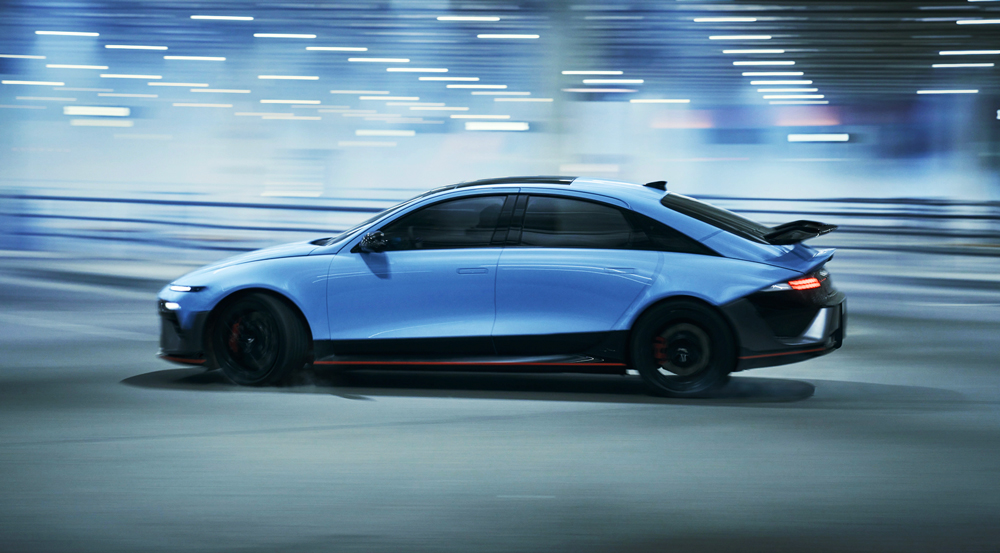
This approach mirrors strategies used by other automakers that maintain enthusiast-focused variants after discontinuing mainstream versions.
Why the Sedan Struggled
Several factors contributed to the IONIQ 6’s limited success in the U.S.:
Sedan Demand vs. SUV Demand
American buyers increasingly favor SUVs and crossovers. Even in the EV segment, vehicles like the Tesla Model Y and Hyundai’s own IONIQ 5 dominate sales.
Production Location
The IONIQ 6 is built in South Korea, which affects pricing competitiveness in the U.S. due to tariffs and changing EV incentive rules.
EV Market Adjustments
The broader EV market has cooled in some regions, with several automakers trimming or delaying electric models as they adjust product strategies.
Hyundai’s EV Focus Moving Forward
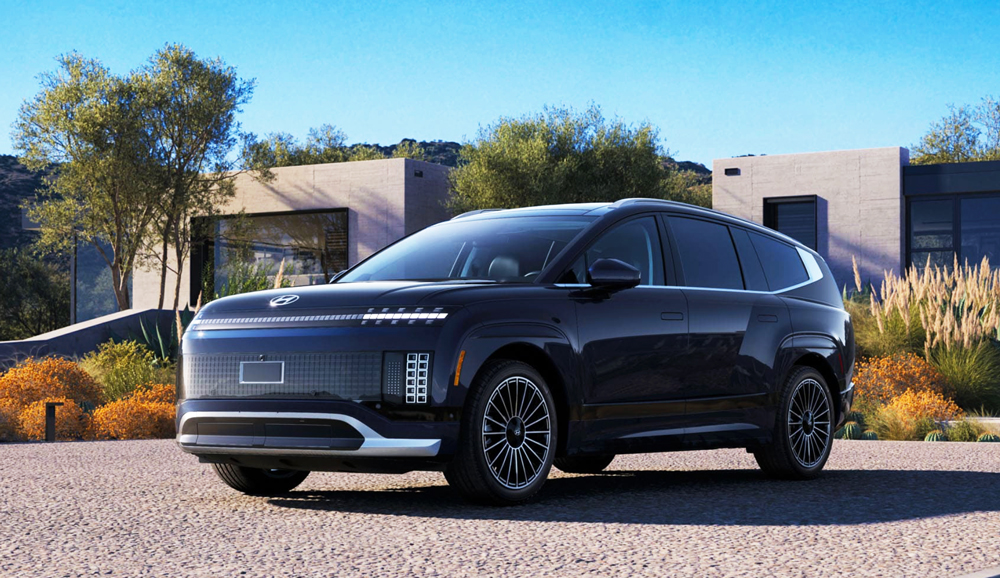
Rather than stepping away from electrification, Hyundai is doubling down on segments that are proving more resilient. In the U.S., the brand’s electric future is expected to focus on:
- IONIQ 5 – the core EV crossover
- IONIQ 9 – a larger electric SUV arriving soon
- IONIQ 6 N – a performance halo model
With Hyundai also ramping up production at its new U.S. EV manufacturing facilities, the strategy is shifting toward vehicles built domestically and designed for SUV-focused markets.
MaxTake
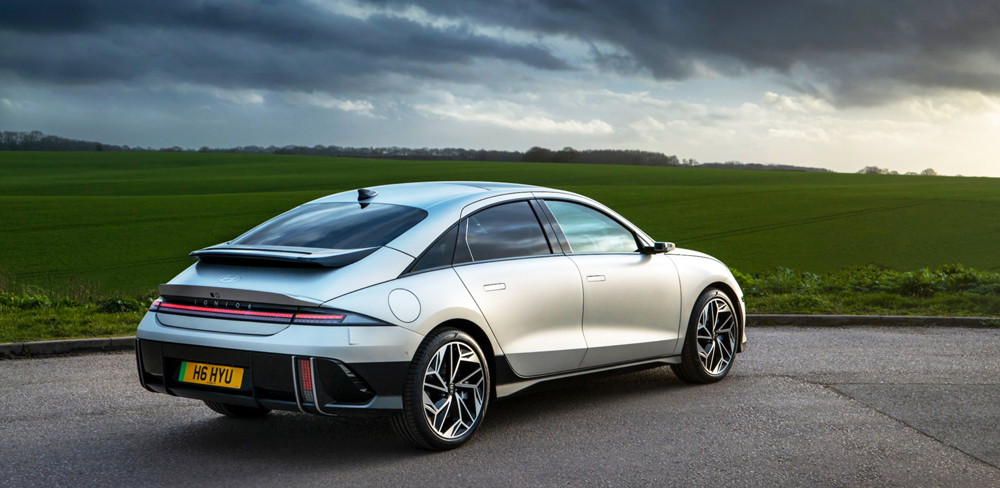
The departure of the IONIQ 6 from the U.S. isn’t a retreat from electrification—it’s a recalibration. Hyundai’s EV ambitions remain strong, but the market has made one thing clear: electric crossovers are the real momentum drivers. The IONIQ 6 may have been one of the most aerodynamic and design-forward EV sedans of the decade, yet in America’s SUV-dominated landscape, even a futuristic electric four-door can struggle to compete with taller, more practical alternatives.