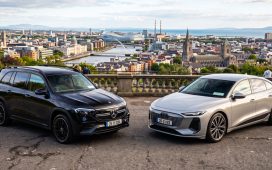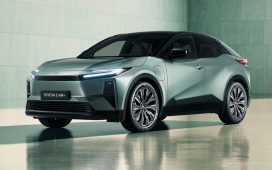
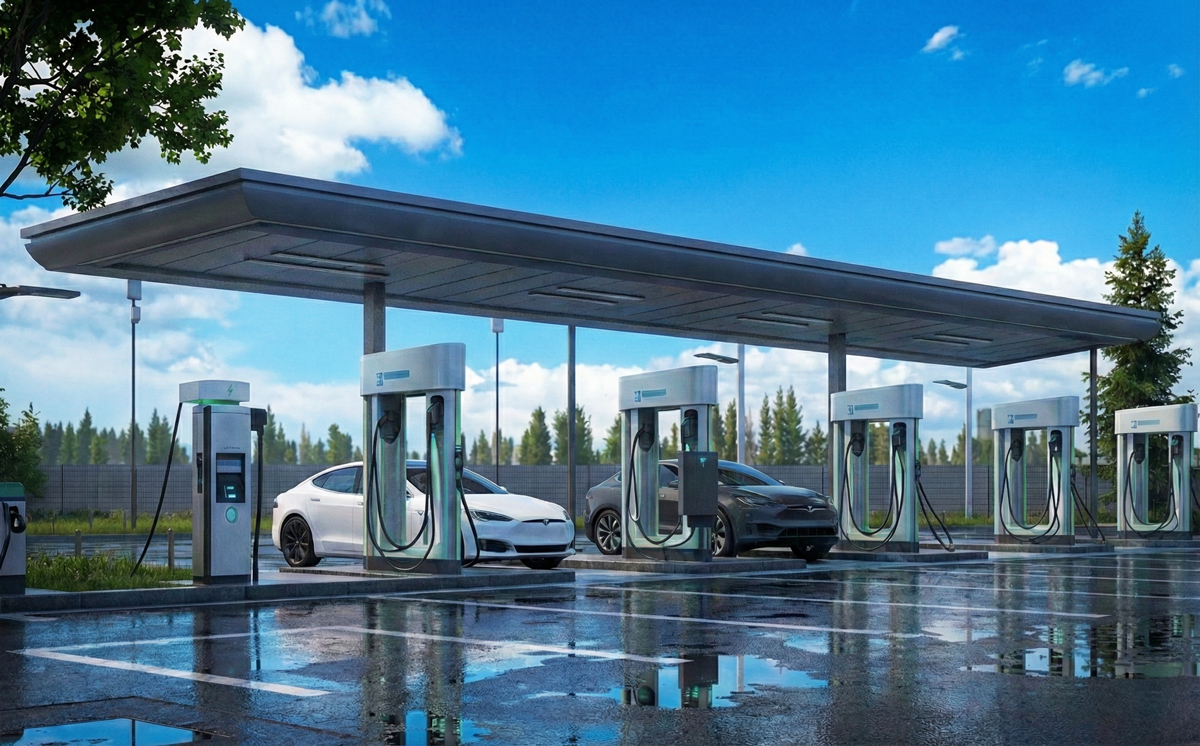
For years, electric vehicles lived and died by one headline number: range. The longer the distance, the better the car—or so the story went. In 2026, that logic is outdated. Charging speed has quietly become the metric that actually shapes how EVs fit into real life. Think less “How far can I go?” and more “How fast can I get back on the road?”
Range Anxiety Is (Mostly) Solved
Most modern EVs comfortably cover daily driving needs and then some. Commutes, errands, school runs, and even spontaneous detours rarely push past 80–100 km in a day. Once vehicles reliably exceed that baseline—many now doubling or tripling it—extra range delivers diminishing returns. A massive battery that’s rarely used just adds cost, weight, and longer charging times.
Time Is the New Currency
What drivers actually feel is downtime. A car that adds 300 km in 15 minutes fits modern routines far better than one that promises 600 km but needs an hour to recharge.
Fast charging changes the experience in three key ways:
- Shorter stops on road trips, closer to a coffee break than a meal stop
- More flexibility for apartment and city drivers who rely on public chargers
- Less stress in cold weather, where charging efficiency matters more than headline range
In practice, a quick top-up beats a long wait—every time.
Infrastructure Has Caught Up
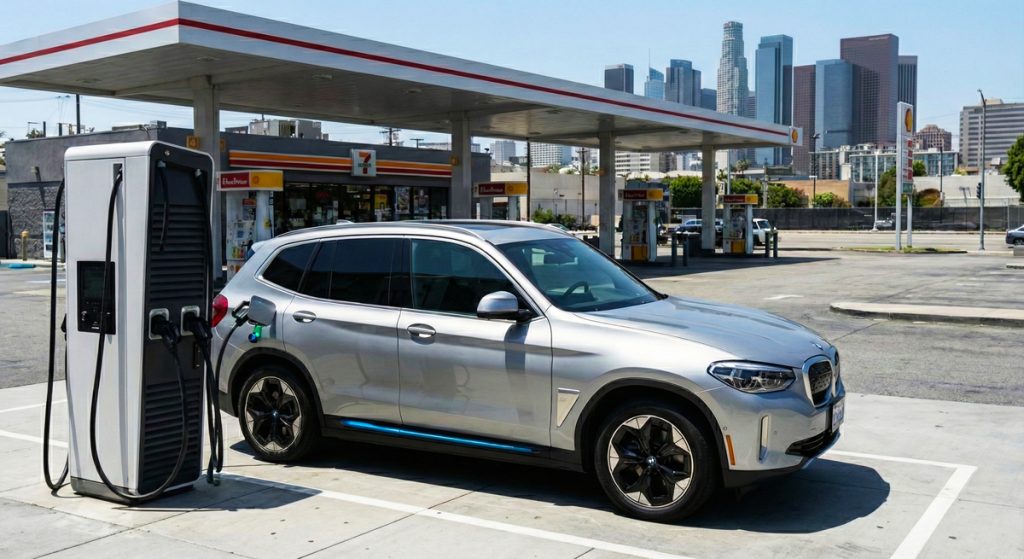
Charging networks have expanded and matured rapidly. High-power DC fast chargers are now common along highways and in urban hubs, designed for brief, frequent stops rather than marathon sessions. As infrastructure improves, the advantage of ultra-long range shrinks further. You don’t need to carry a week’s worth of energy if refueling is easy and fast.
Smarter Batteries, Better Design
Manufacturers are responding by optimizing battery chemistry and thermal management for rapid charging rather than sheer capacity. The benefits ripple outward:
- Lighter vehicles with better handling
- Lower material costs and improved efficiency
- Less battery degradation when charging is well-managed
It’s a shift from brute force to precision—faster energy in, less waste overall.
The Real-World Test: Road Trips
On a long drive, an EV that charges quickly often arrives sooner than one with longer range but slower charging. Frequent, short stops keep drivers alert, align with natural breaks, and reduce the “waiting around” fatigue that used to define EV travel. Range still matters—but only enough to reach the next fast charger comfortably.
What Buyers Should Look For Now
When shopping for an EV in 2026, the smarter questions are:
- How fast does it charge from 10% to 80%?
- Does it sustain high charging speeds, or taper quickly?
- How well does it perform in real-world conditions, not lab figures?
Range is no longer the headline act. Charging speed is.
MaxTake – The EV era has matured. Range got electric cars into the conversation, but charging speed is what makes them effortless to live with. In a world that values time over totals, the fastest way forward isn’t going farther—it’s getting back on the road sooner.