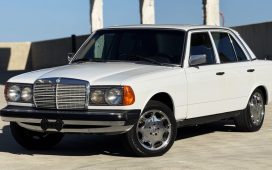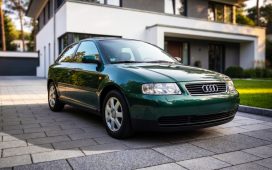
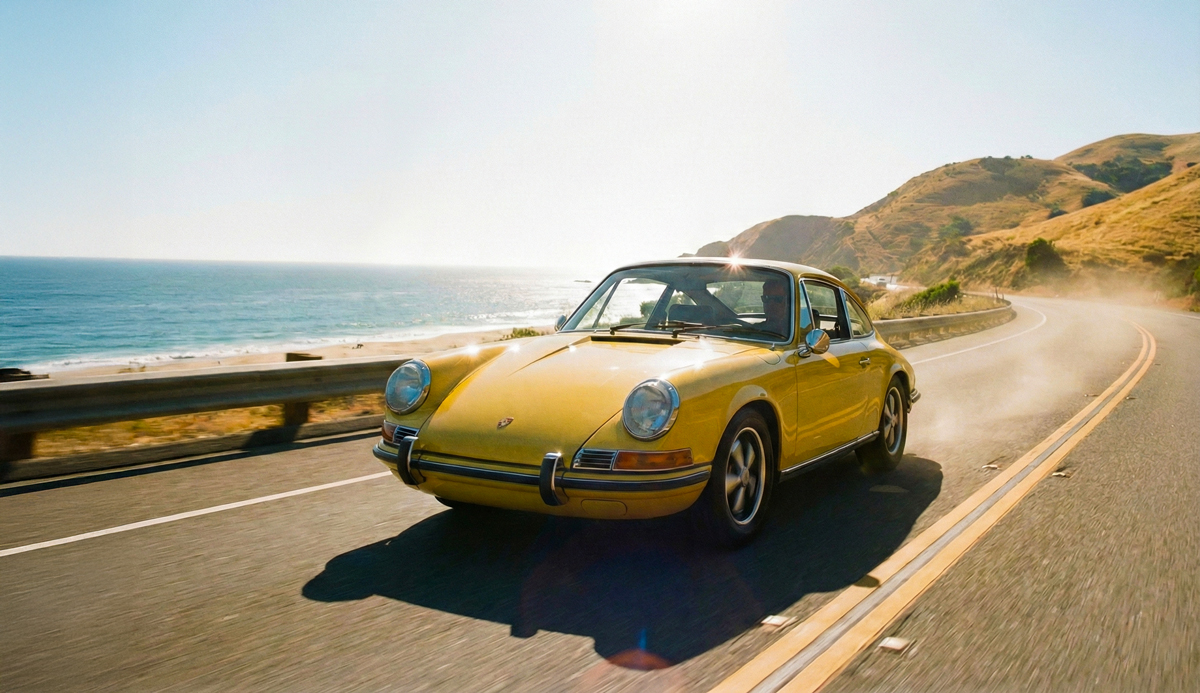
Modern cars are astonishingly fast, quiet, and capable. They steer themselves in traffic, brake before you panic, and stream your favorite playlist without a hiccup. And yet—ask any longtime driver what they miss most, and you’ll hear the same refrain: the feeling. Not speed. Not screens. Feeling. The kind you can’t download with a software update. This isn’t about progress being bad. It’s about a few irreplaceable sensations that technology, for all its brilliance, still can’t fake.
The Unfiltered Steering Feel
Older cars spoke through the wheel. Not politely—honestly. You felt the road texture, the camber change, the exact moment the front tires started to lose faith. Modern electric power steering is accurate and efficient, but it’s also a bit like texting instead of talking. The message gets through. The emotion doesn’t.
What’s missing:
- Road feedback through your palms
- Subtle resistance as tires load up in a corner
- The instinctive sense of grip without looking at a screen
Engines with Personality (and Flaws)
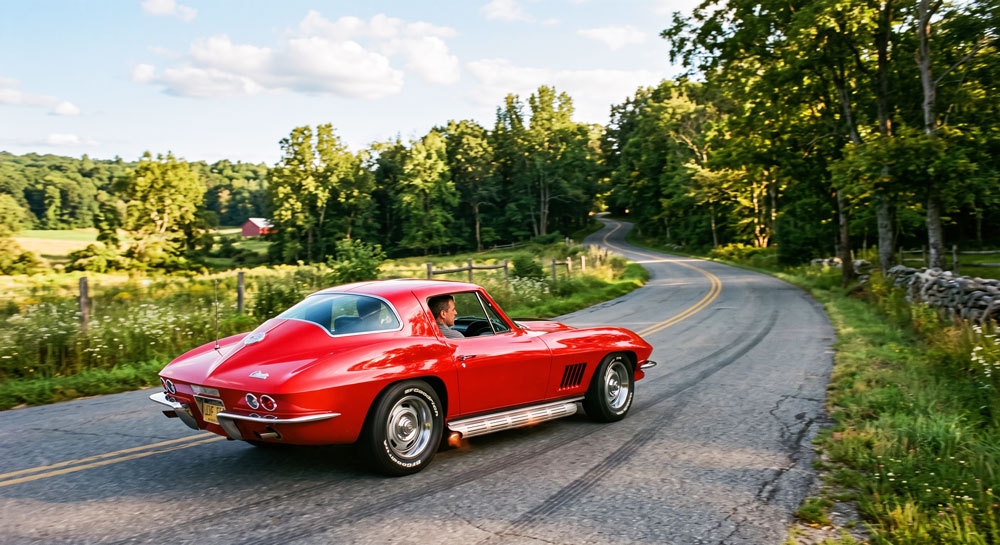
Classic engines weren’t perfect—and that was the point. Carbureted V8s stumbled when cold. High-revving inline-sixes begged to be pushed. Turbo lag made boost feel like a reward, not a guarantee. Today’s engines are cleaner, smoother, and relentlessly competent. But competence rarely gives you goosebumps.
What nostalgia remembers:
- Mechanical sounds that changed with throttle input
- Power delivery that demanded timing and restraint
- Engines that felt alive, not optimized
Manual Transmissions That Made You Part of the Car
A great manual gearbox turned every drive into a small collaboration. Miss a shift? That was on you. Nail a perfect heel-and-toe downshift? That was yours forever. Modern automatics are objectively better. Faster shifts. Better fuel economy. Fewer mistakes. And that’s exactly the problem—they don’t let you make any.
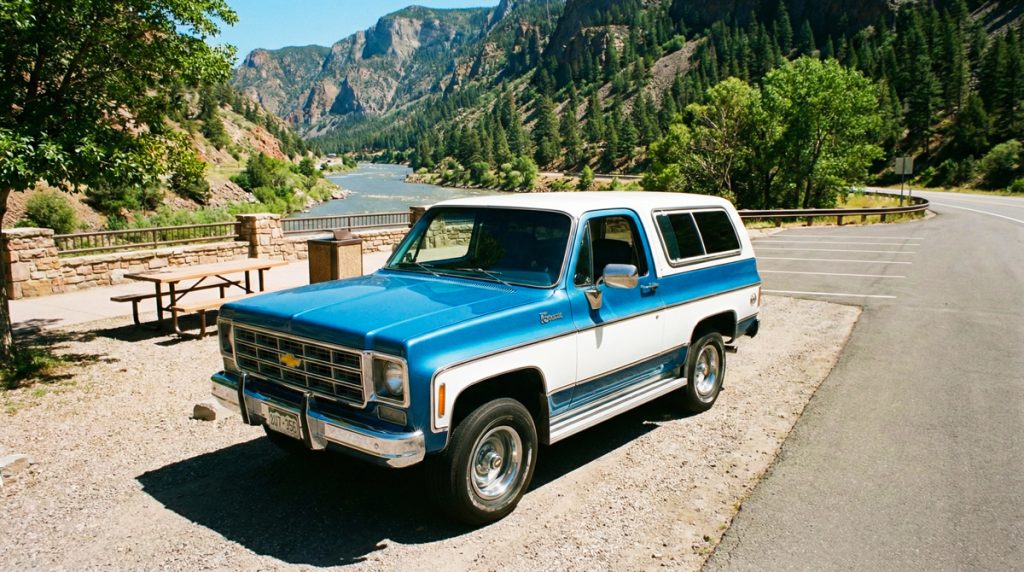
What can’t be replicated:
- The rhythm of clutch, throttle, and shifter
- Mechanical resistance through the gear lever
- The satisfaction of doing it right
Analog Cabins with Purpose
Before screens took over dashboards, every control had a job—and a feel. Knurled knobs. Weighted switches. Gauges you could read at a glance without menus or animations. Touchscreens are powerful, but they’re also generic. A volume slider feels the same in a $30,000 car and a $130,000 one.
What drivers miss:
- Physical controls you could use without looking
- Dashboards designed around driving, not apps
- Interiors that aged with character, not software updates
Imperfection as Character
Classic cars weren’t quiet. They weren’t seamless. They weren’t always cooperative. And that friction created a bond. Modern cars aim to remove effort, noise, and unpredictability. The result is brilliance—but also emotional distance. Nostalgia isn’t about wanting cars to be worse. It’s about wanting them to feel human.
The One Thing Technology Can’t Download
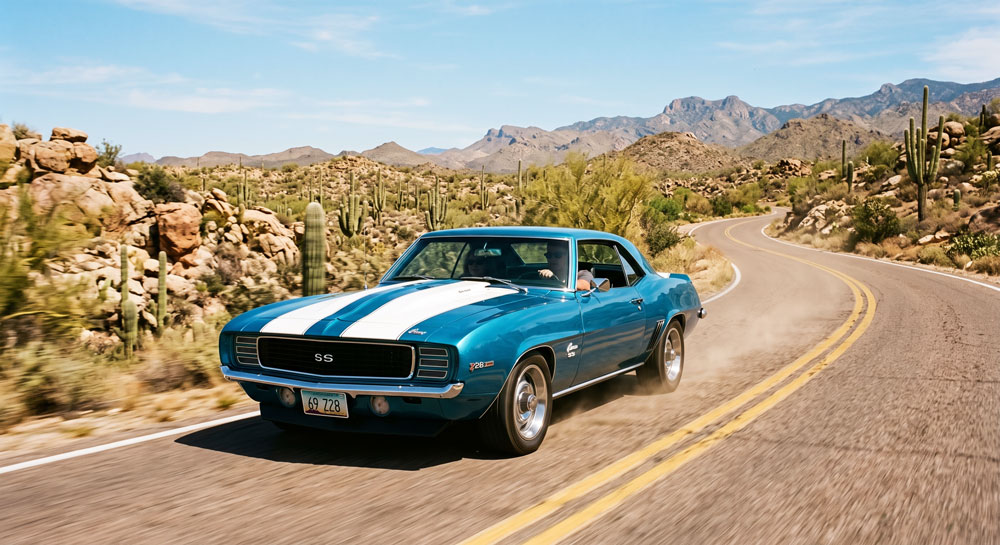
You can simulate engine sounds. You can tune steering algorithms. You can even fake gear shifts. But you can’t replicate the emotional imprint of learning, adapting, and mastering a machine that doesn’t do everything for you. That’s why modern cars keep getting better—and nostalgic ones keep getting more valuable. Progress is inevitable. Feeling is optional. The cars we remember most chose the latter—and that’s why they still matter.
MaxTake – Driving nostalgia isn’t about rejecting modern cars—it’s about remembering that involvement creates attachment. As vehicles become quieter, smarter, and more automated, the emotional gap widens. The cars that endure in memory are the ones that demanded something from the driver in return. Technology can improve performance endlessly, but it still hasn’t figured out how to replace earning a great drive.