
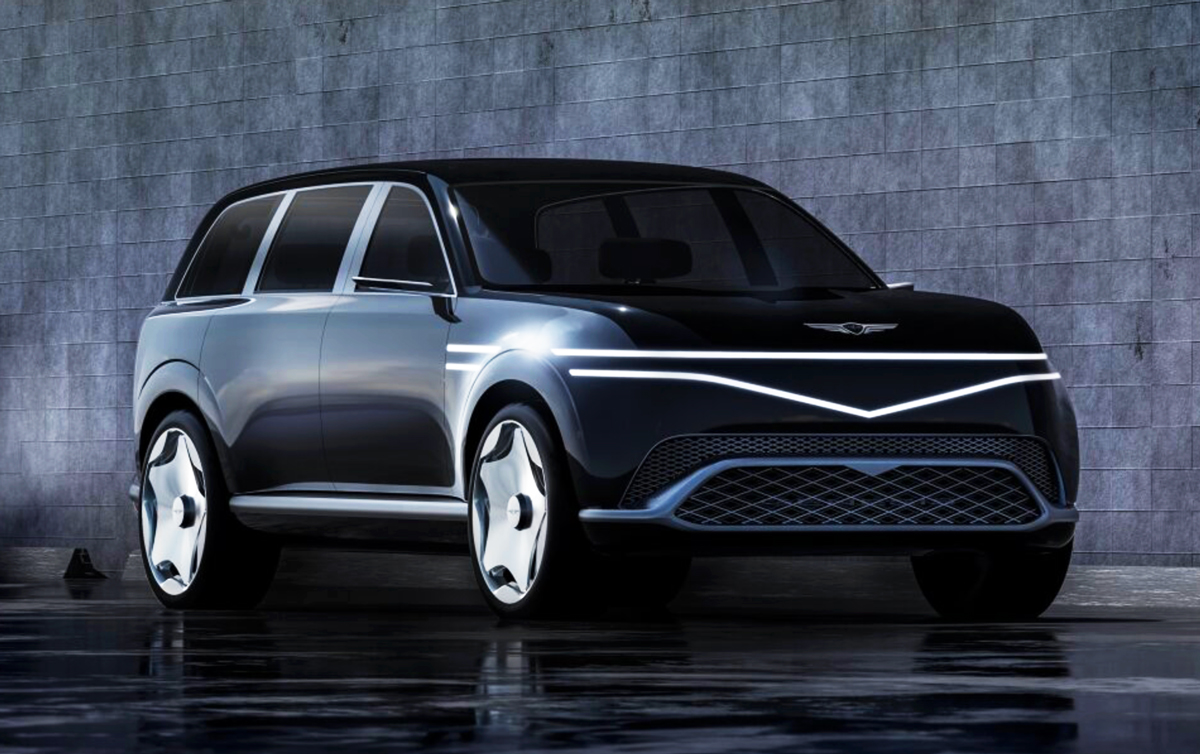
The next big leap in cars won’t arrive with flying doors, wild silhouettes, or sci-fi dashboards. It will roll in quietly, look familiar, and probably park right next to something you already recognize. That’s not a failure of imagination—it’s progress maturing.
Evolution Is Winning Over Revolution
Automotive history shows that true breakthroughs often hide in plain sight. Fuel injection didn’t change how cars looked. ABS didn’t rewrite design language. Airbags didn’t arrive with dramatic flair. Yet each fundamentally reshaped safety, efficiency, and performance.
The next wave follows the same path. Automakers have learned that radical design rarely equals long-term success, especially when buyers value trust, usability, and resale value.
Software Is the Real Disruptor—And You Can’t See It
The most transformative changes are happening beneath the surface:
- Software-defined vehicles replacing hardware-locked systems
- Over-the-air updates improving cars years after purchase
- Advanced driver assistance evolving incrementally toward autonomy
None of this demands a spaceship aesthetic. In fact, familiar cabins help drivers accept increasingly complex technology without friction.
Powertrains Are Quietly Converging
Whether electric, hybrid, or highly efficient combustion, modern powertrains are optimizing rather than reinventing:
- Electric motors are becoming smaller, lighter, and more efficient
- Hybrids are smoothing the transition without lifestyle disruption
- Combustion engines are reaching peak refinement, not extinction
The breakthrough isn’t a new format—it’s making every option better, cleaner, and easier to live with.
Design Has Reached a Functional Sweet Spot
Aerodynamics, safety regulations, and consumer expectations have pushed car design into a narrow—but effective—band. That’s why many new vehicles feel familiar at first glance. Designers are now refining details instead of chasing shock value:
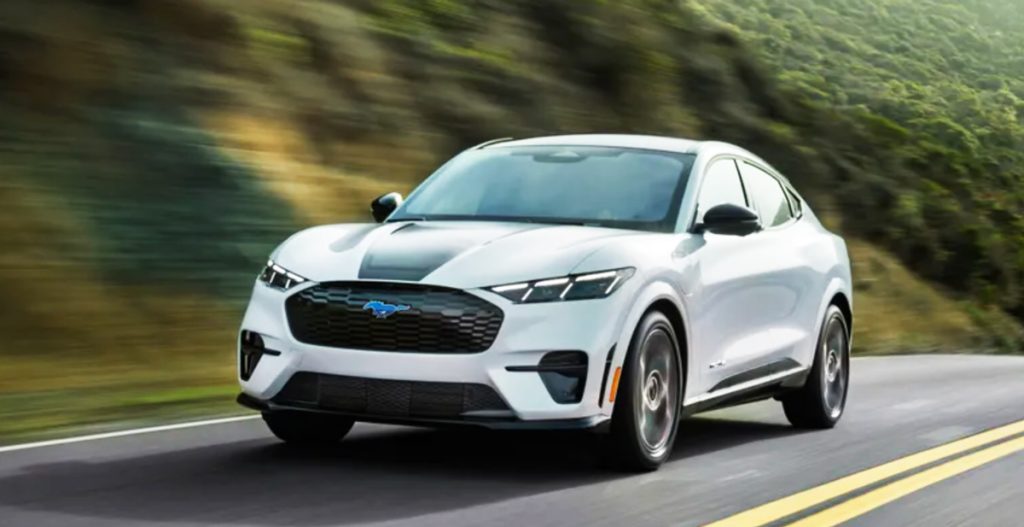
- Cleaner surfaces over aggressive angles
- Interiors prioritizing ergonomics over gimmicks
- Physical controls returning where touchscreens failed
When a design works, evolution beats reinvention.
Manufacturing Innovation Is Invisible but Massive
Gigacasting, modular platforms, and advanced materials are reshaping how cars are built—not how they look. These changes reduce weight, cost, and complexity while improving quality. The result? Cars that feel better, last longer, and cost less to produce, all without visual drama.
Regulation Rewards Subtle Progress
Global safety and emissions standards favor incremental gains over radical shifts. Automakers that deliver measurable improvements—range, efficiency, safety scores—win regulatory approval and consumer confidence faster than those chasing headline-grabbing concepts.
Why This Is Actually Good News
Revolutionary looks age fast. Refined progress lasts. Cars that evolve thoughtfully:
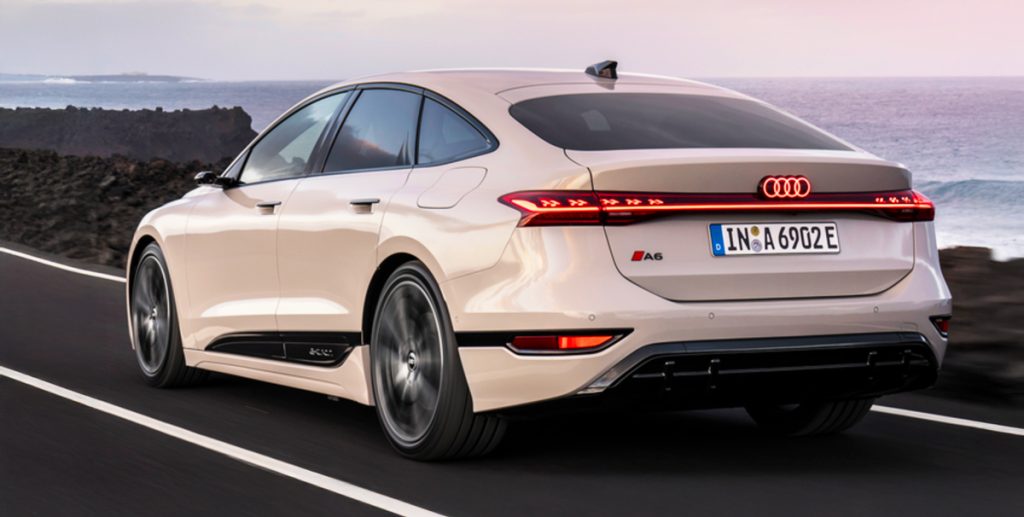
- Feel intuitive instead of intimidating
- Age gracefully rather than becoming dated
- Deliver real benefits instead of marketing promises
The future isn’t about shock. It’s about trust.
What to Watch Instead of the Design
If you want to spot the next true automotive breakthrough, don’t look at the bodywork. Look at:
- How often the car improves after purchase
- How seamlessly software integrates with driving
- How little effort ownership requires
- How quietly performance, safety, and efficiency improve year over year
That’s where the revolution is hiding.
MaxTake – The next automotive breakthrough won’t announce itself with drama. It will feel normal on day one—and indispensable by year three. The future of cars isn’t about looking revolutionary. It’s about working better in every way that actually matters.