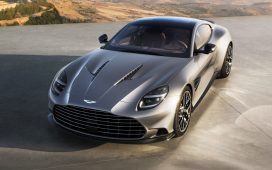
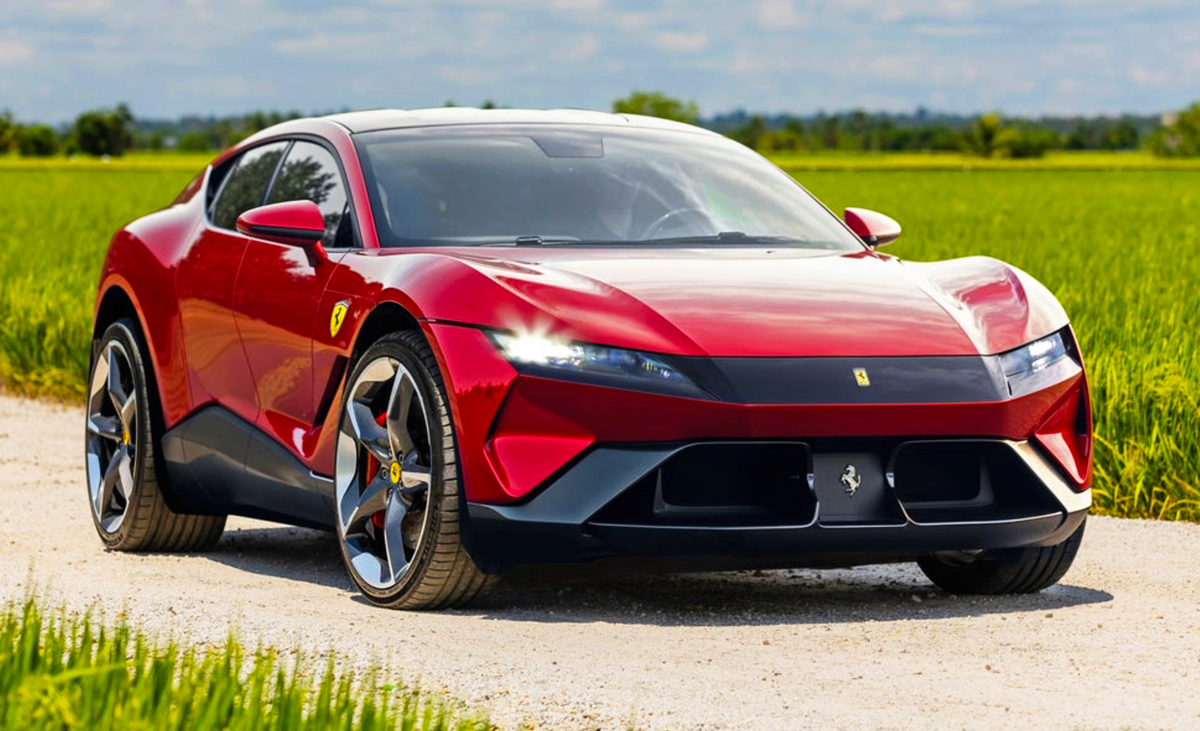
Ferrari’s first fully electric vehicle Luce represents more than a drivetrain shift. It marks a philosophical statement from Maranello about what luxury should feel like in the electric era. While much of the EV market has equated innovation with ever-expanding screens and minimalist tech surfaces, Ferrari appears to be taking a different path: one rooted in tactility, material depth, and driver engagement.
The message is subtle but powerful. Electrification does not mean sterilization.
A Reinvention of the Luxury EV Cabin
Early insights into Ferrari’s electric interior direction point toward a cockpit that prioritizes interaction over spectacle. Instead of building a rolling display wall, the brand is shaping an environment that feels engineered and intentional.
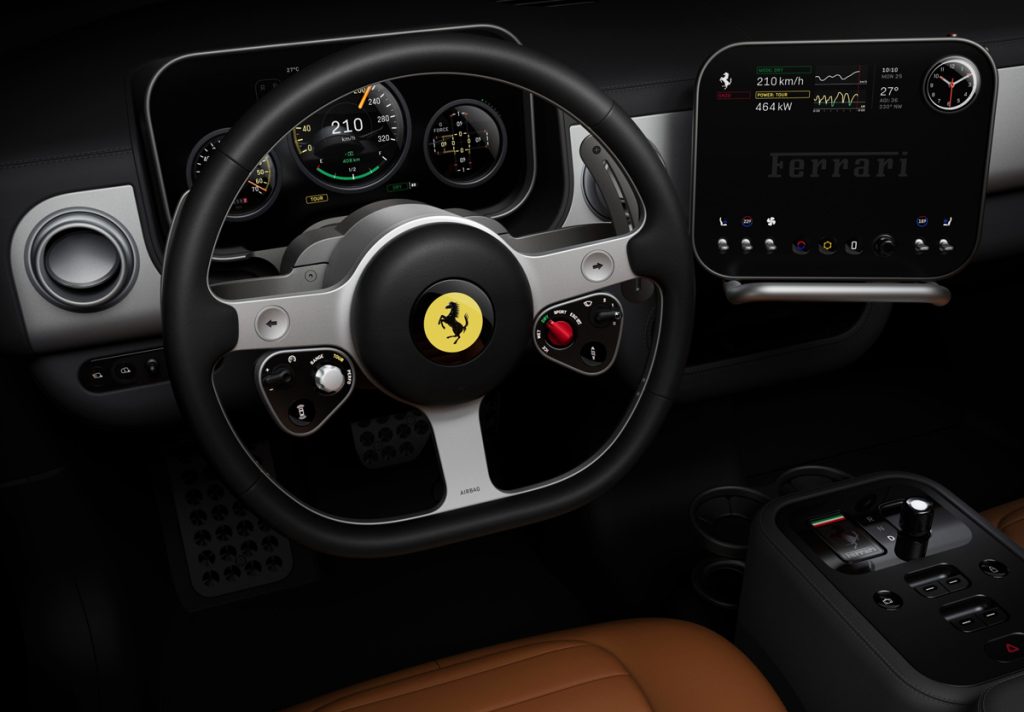
Core themes emerging from the Luce’s interior philosophy include:
- Tactile control architecture – Physical dials, sculpted switchgear, and rotary elements remain central to primary functions. Muscle memory is preserved.
- Integrated digital layering – Screens support the experience but do not dominate it. Displays are embedded within a structured cockpit rather than floating independently.
- Mechanical authenticity – Materials feel substantial. Metals, glass elements, and precision detailing replace the generic flat surfaces common in many EVs.
- Ritualized interaction – Entry, startup, and control feedback are treated as sensory experiences, reinforcing Ferrari’s emotional DNA.
For Ferrari, the cabin remains a performance instrument — even without combustion.
Tactility Over Screen Saturation
The broader EV industry spent the past decade pursuing “screen-forward” design. Larger displays became synonymous with progress. Yet usability studies and consumer feedback have steadily revealed a drawback: excessive touch reliance can increase distraction and dilute driving engagement. Ferrari’s approach suggests a recalibration.
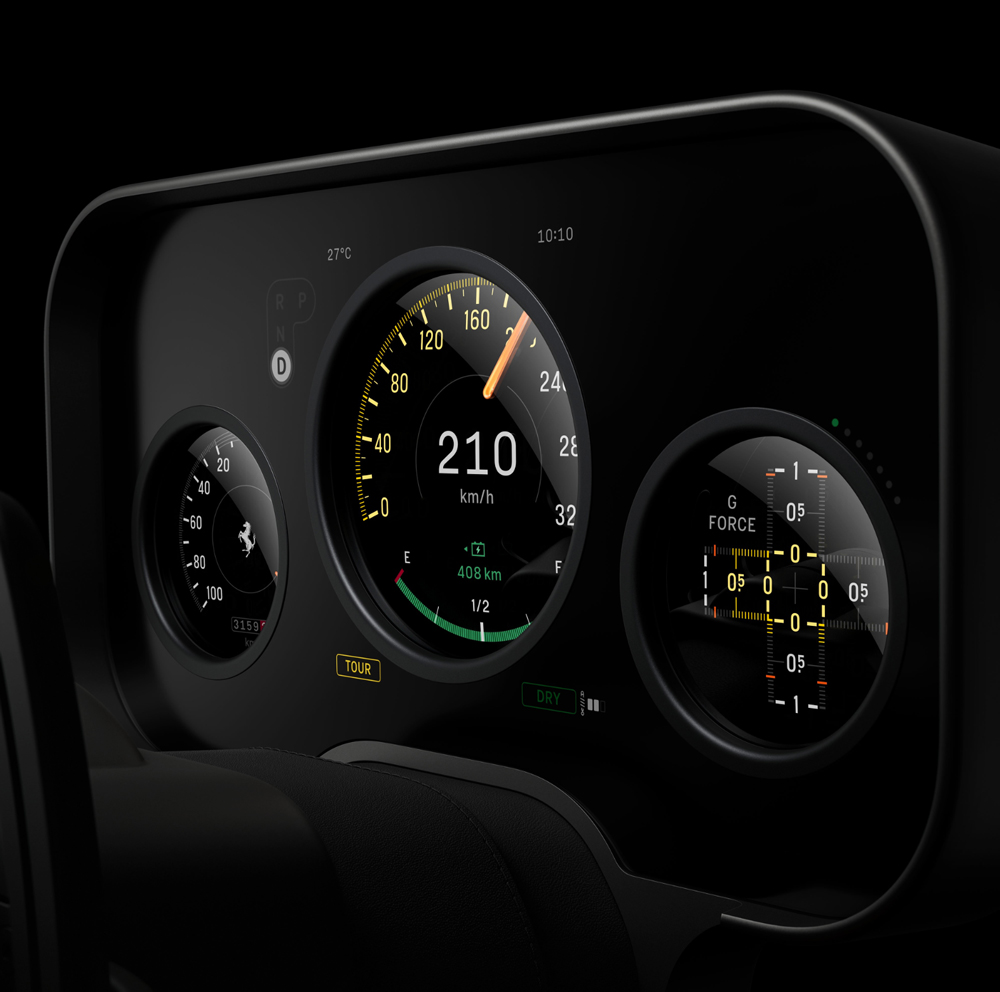
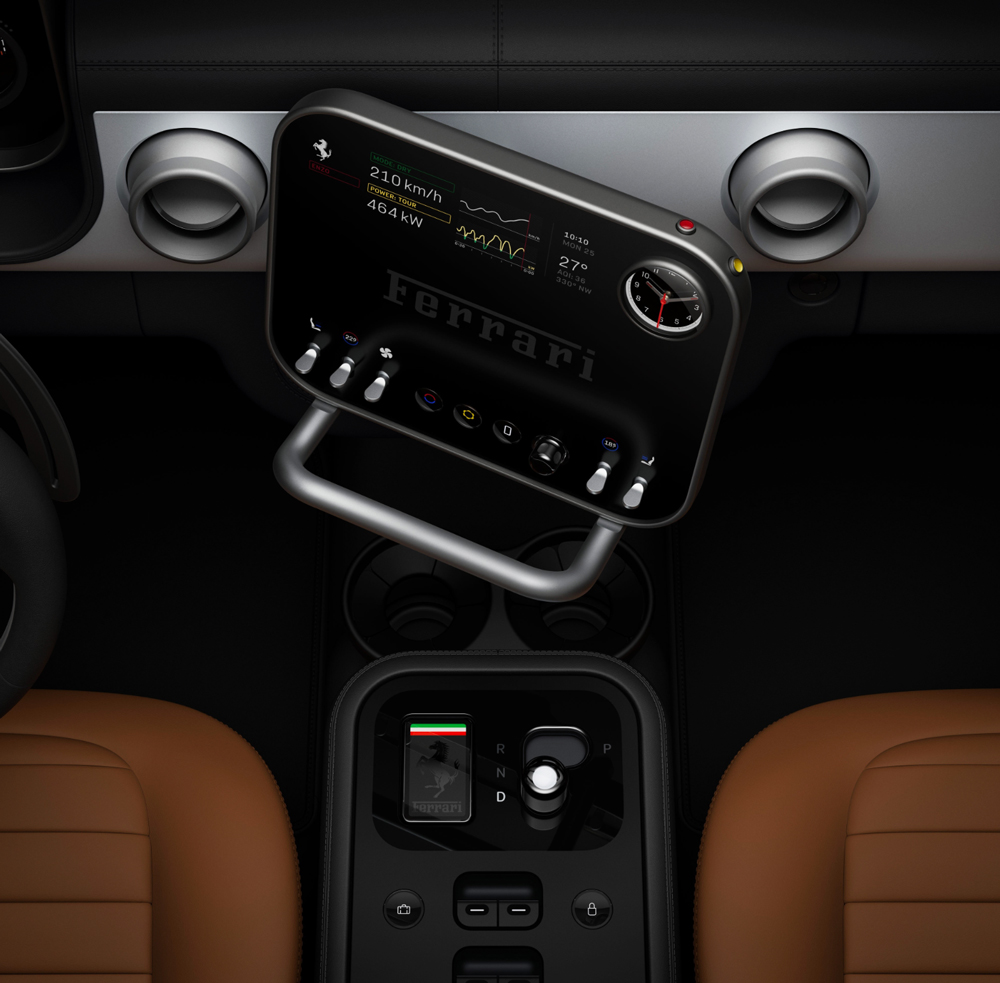
By blending digital interfaces with physical controls, the brand signals a return to:
- Clear hierarchy between critical driving inputs and secondary infotainment
- Reduced cognitive load behind the wheel
- Immediate feedback through mechanical action
- Long-term material durability rather than software novelty
Luxury, in this context, is not about maximizing screen real estate. It is about maximizing sensory clarity.
Material as Identity
One of the strongest signals from Ferrari’s first EV is the reassertion of material storytelling. As EV platforms become more standardized beneath the surface, interior character becomes the new battleground for differentiation. Ferrari appears poised to lean heavily into craftsmanship as a competitive advantage. Expect luxury EV interiors to increasingly emphasize:
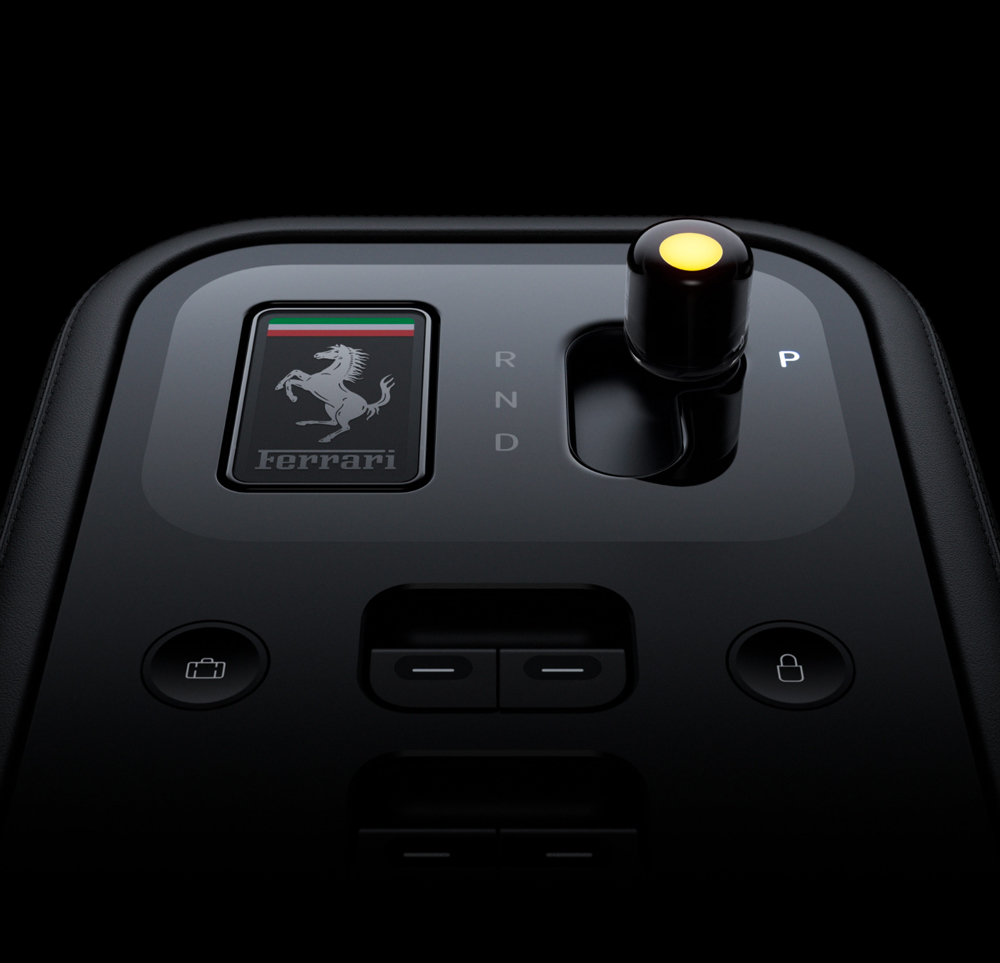
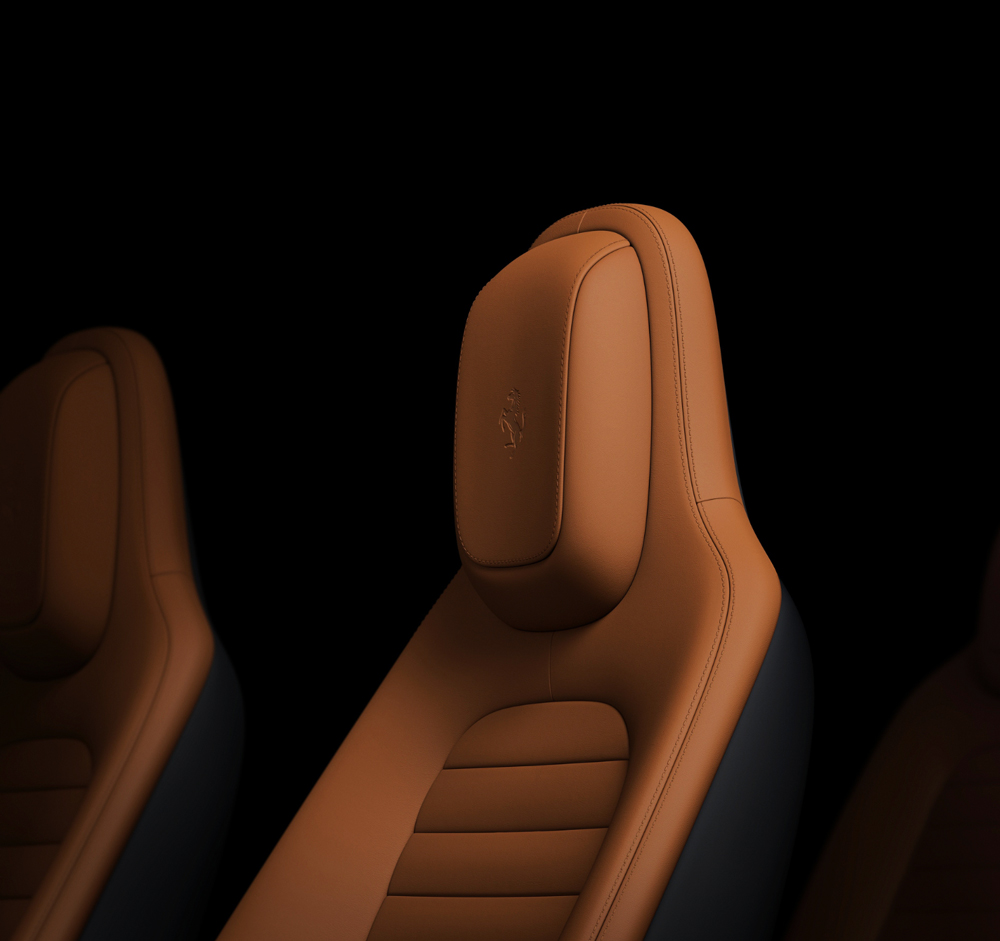
- Precision-machined metals and structural detailing
- Architectural depth instead of flat minimalism
- Stronger cockpit separation to preserve driver focus
- Bespoke trim strategies reflecting heritage and exclusivity
In regions such as the UAE and Saudi Arabia, where material presence and visual substance are central to luxury identity, this direction aligns strongly with buyer expectations. In North America and Europe, where digital minimalism has dominated the EV narrative, Ferrari’s approach may mark the beginning of a refinement phase.
A Signal to the Ultra-Luxury Segment
Ferrari’s influence extends beyond volume. When a heritage performance marque pivots, the top tier of the market watches closely. If Ferrari’s first EV embraces tactile richness and cockpit intentionality, other luxury brands are likely to follow. The next generation of premium electric interiors will likely balance:
- High-resolution digital ecosystems
- Sculptural, mechanical input devices
- Reduced visual clutter
- Emotional design cues that reinforce brand DNA
The era of the “tablet-on-dash” luxury car may be approaching its plateau.
What This Means Going Forward
The model currently known as Luce will not simply introduce Ferrari to electrification. It will introduce a benchmark for how emotion survives in a silent powertrain world. Electric propulsion may remove engine sound. It does not remove the need for character.
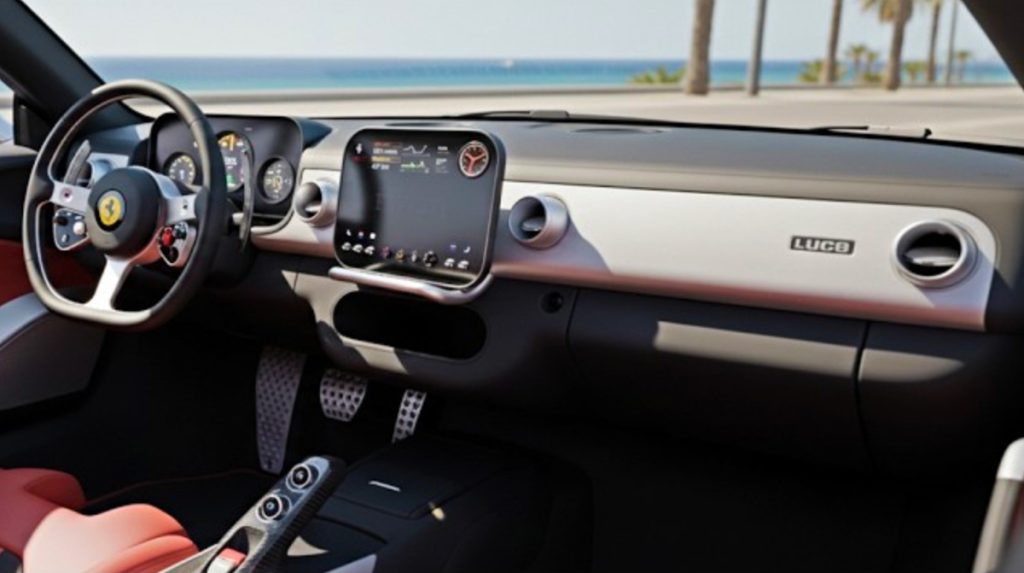
Ferrari’s direction suggests that the future of luxury EV interiors will not be defined by how futuristic they look, but by how intentional they feel. The brands that succeed in this space will be the ones that understand that refinement is not about adding more technology — it is about integrating it without sacrificing identity.
MaxTake – Ferrari’s first EV signals a turning point. In the race toward electrification, true luxury will not belong to the brand with the largest display. It will belong to the one that remembers the driver still wants to feel something.