When the Best Seat in the Car Isn’t the Driver’s
For most of automotive history, the driver’s seat defined a vehicle’s purpose. Performance, steering feel, and cockpit design shaped how manufacturers built their cars. Today, however, a noticeable shift is underway at the top of the market: luxury vehicles are increasingly designed around the rear passenger.
As global wealth expands and urban lifestyles evolve, many luxury car owners prefer to be driven rather than drive themselves. Travel time has become an opportunity to relax, work, or take calls. In response, automakers are transforming the rear cabin into a refined living space—sometimes rivaling the comfort of private aviation.
Why the Shift Is Happening
Several trends are pushing automakers toward rear-focused interiors. In major global cities, chauffeur-driven vehicles are increasingly common among executives and high-net-worth travelers. At the same time, luxury buyers now prioritize interior experience as much as performance.
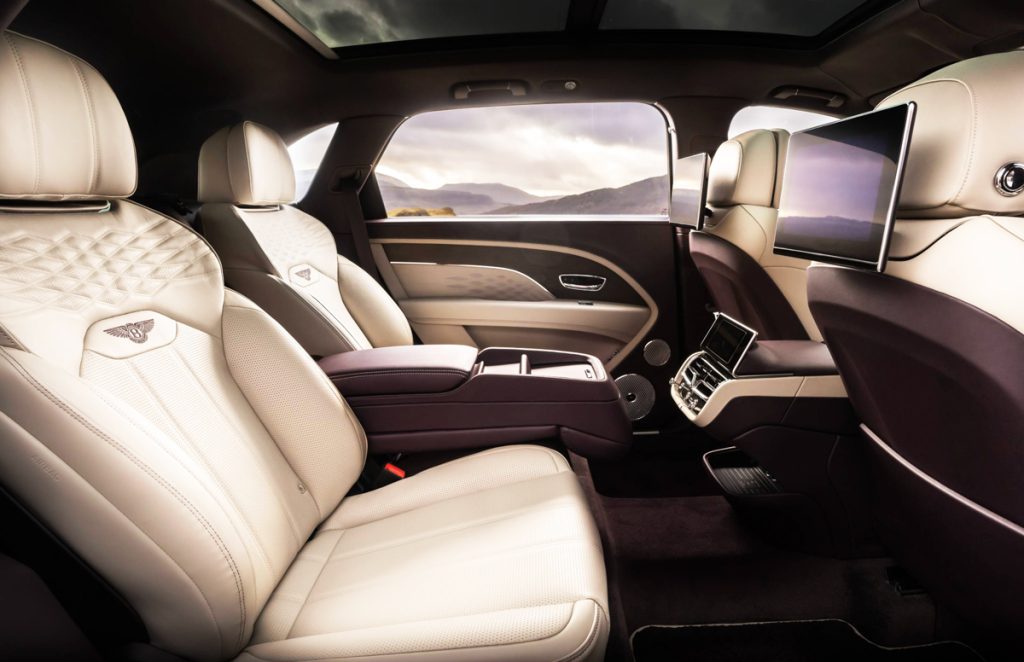
Electrification is also helping reshape cabin design. EV platforms eliminate traditional driveline components, allowing flatter floors and more spacious rear seating. The result is a new design philosophy where the rear passenger experience takes center stage.
Key drivers behind the trend include:
• Growing chauffeur culture in major cities
• Increased demand for luxury travel comfort
• Electric platforms enabling more flexible interior layouts
The Rear Cabin Becomes the Luxury Suite
Modern flagship vehicles increasingly treat the rear seat as the most important space in the car. Designers are turning the back row into a private lounge built around comfort, technology, and privacy. Rather than a simple seat, the rear cabin is becoming a personal retreat.
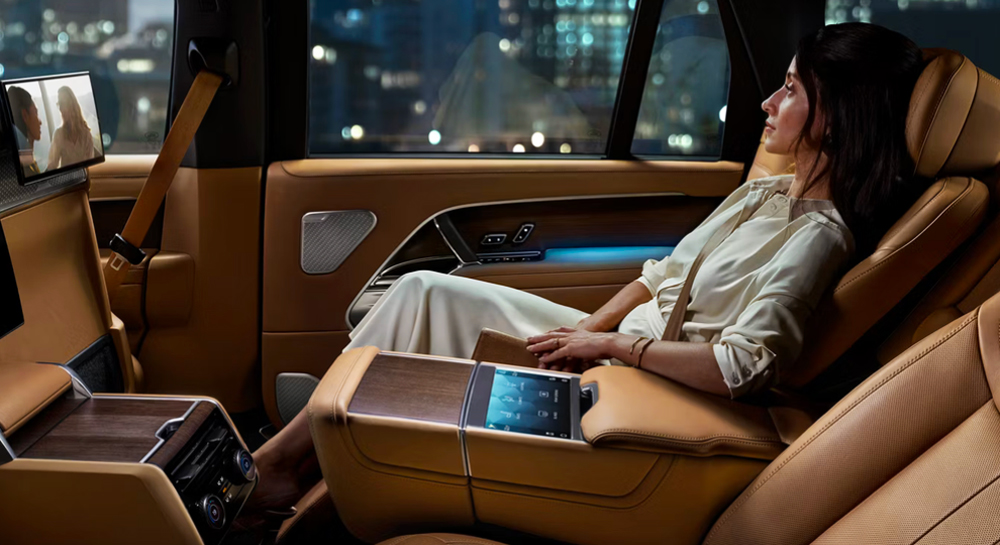
Typical features now found in chauffeur-focused interiors include:
• Fully reclining executive seats with massage and leg rests
• Multi-zone climate systems and seat heating
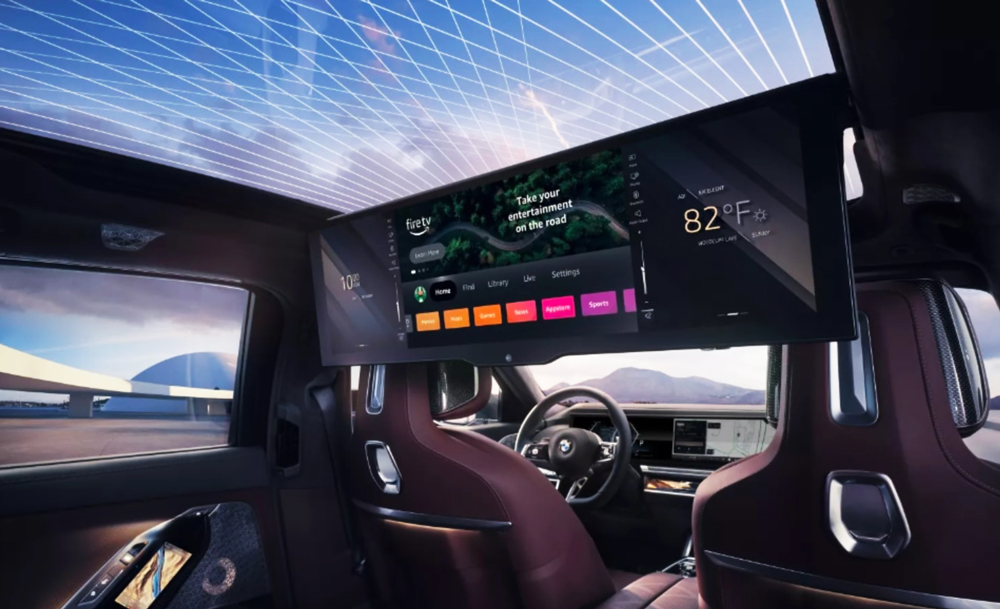
• Large rear entertainment displays
• Premium materials such as hand-stitched leather and wood trim
• Powered privacy curtains and sound-insulated cabins
Flagship Models Leading the Movement
The shift is most visible in top-tier luxury vehicles. Flagship sedans and ultra-luxury SUVs now emphasize rear-seat comfort as a defining feature. In these vehicles, the rear passenger is clearly the priority.
Examples include:
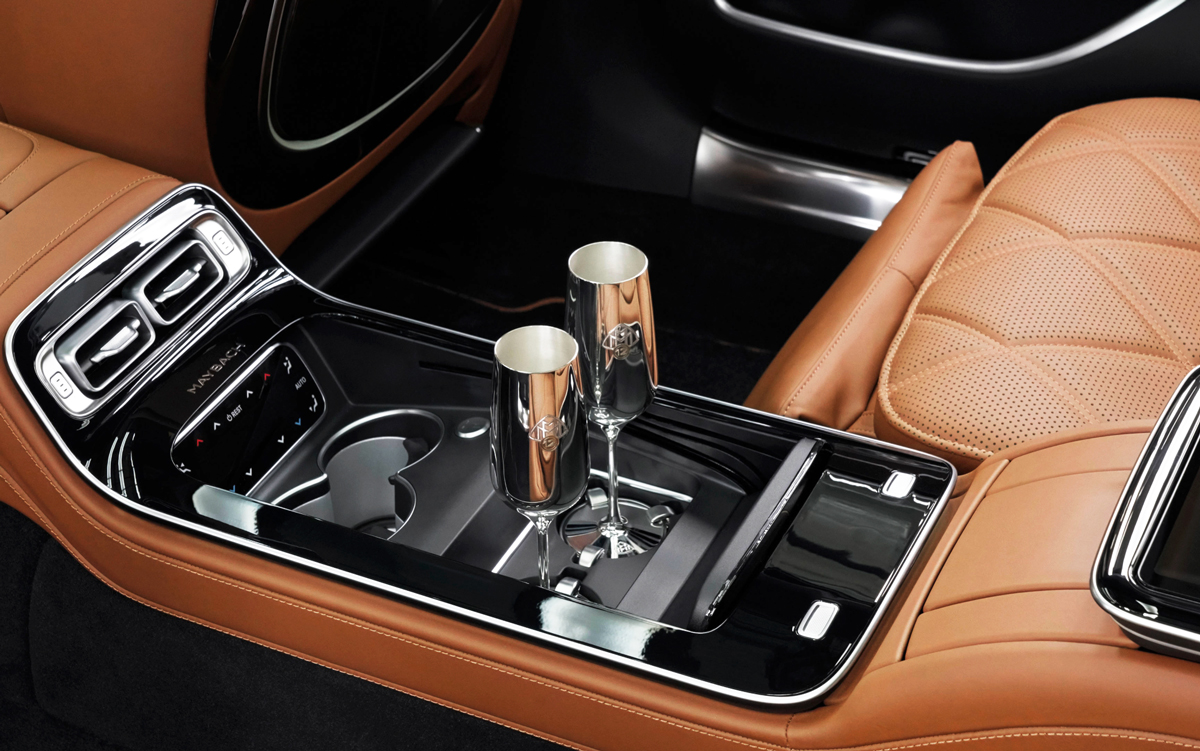
• Mercedes-Benz S-Class and Maybach models with airline-style rear seating
• Rolls-Royce Phantom and Cullinan featuring ultra-quiet lounge-like cabins
• BMW’s flagship vehicles offering large rear entertainment displays
• Luxury SUVs such as Range Rover and Bentley Bentayga with executive rear packages
The Car as a Mobile Office
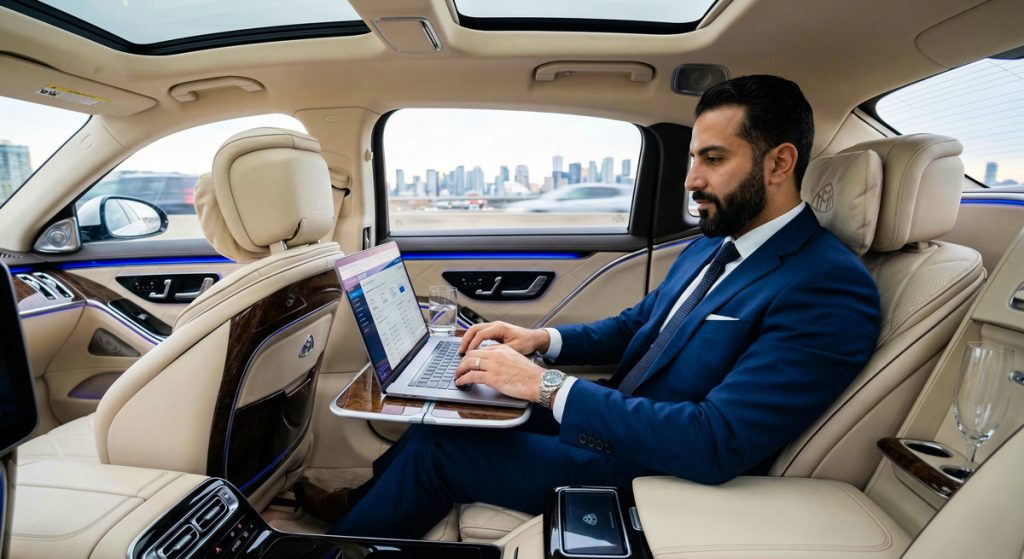
Beyond comfort, rear-seat technology is also designed to support productivity. Luxury vehicles are increasingly equipped to function as mobile workspaces. For many executives, the drive between meetings has effectively become an extension of the office.
Common features include:
• Fold-out work tables and wireless charging systems
• Integrated tablets and rear-seat control panels
• High-speed connectivity for calls and video meetings
• Active noise reduction for a quieter cabin
A Preview of the Autonomous Future
Chauffeur-focused interiors also hint at how future autonomous vehicles may be designed. As driving responsibilities shift toward advanced automation, interior layouts may move even further away from traditional cockpit designs.
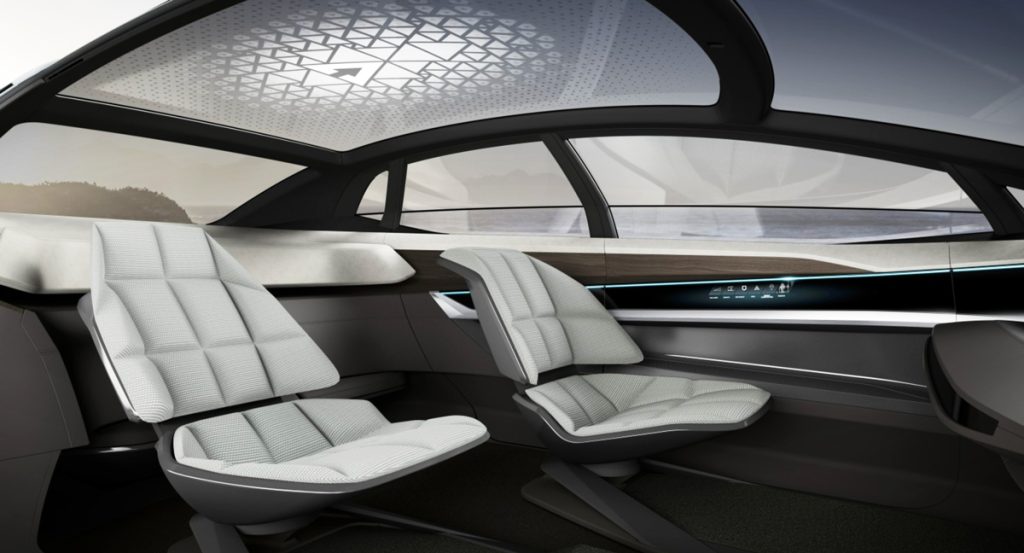
Concept vehicles already suggest lounge-style seating, rotating chairs, and entertainment-focused cabins. While full autonomy remains in development, today’s rear-focused luxury interiors offer a glimpse of what mobility may look like in the years ahead.
MaxTake
Luxury automotive design is quietly redefining where the experience happens. Instead of focusing solely on the driver, manufacturers are building vehicles around the passenger—particularly the one sitting in the back. In the evolving world of high-end mobility, the most desirable seat in the car may no longer be the driver’s—it’s the one directly behind it.