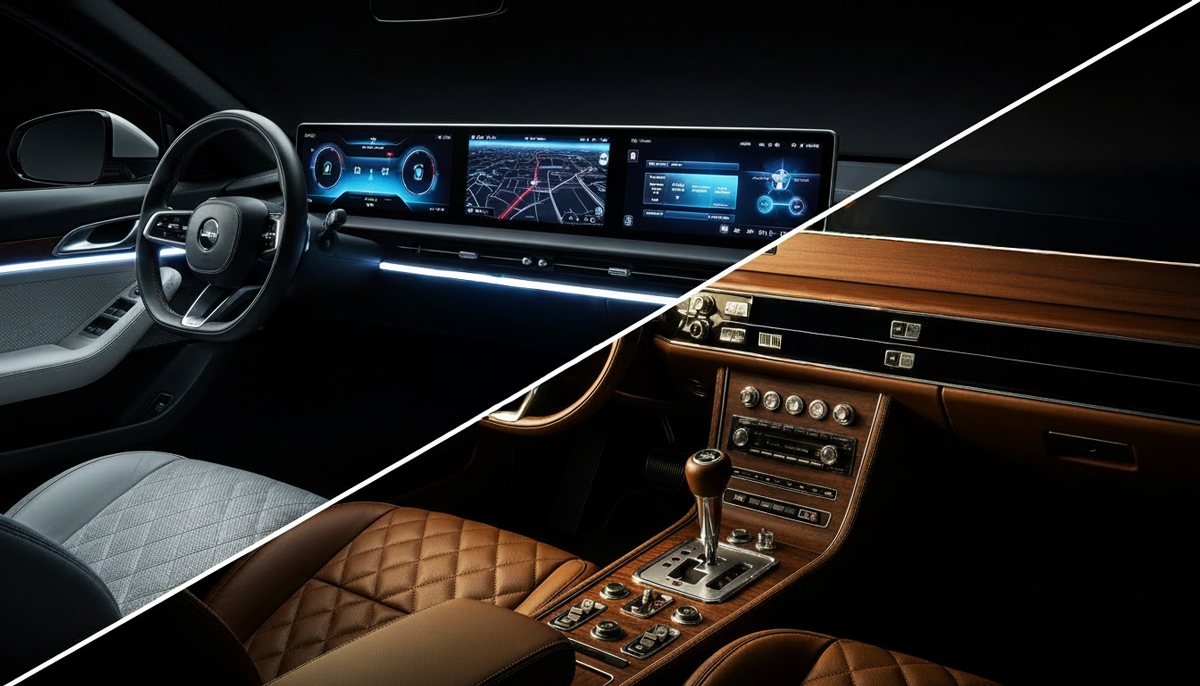
Step into a new car today and the divide is obvious. Some cabins chase the ultra-minimal, screen-everything look. Others are quietly bringing back real buttons. This isn’t nostalgia—it’s about usability, safety, and what actually works while driving.
Why Touchscreens Took Over
Touchscreens simplify manufacturing, reduce parts, and allow features to be updated with software. They photograph well, feel futuristic, and became especially popular with EV brands—setting a trend the rest of the industry followed.
Why Buttons Are Back
Buttons win on one thing screens can’t replicate: muscle memory. You can adjust volume, temperature, or defrost without looking away from the road. As driver distraction becomes a bigger safety concern, that advantage matters more than ever.
Where Screens Still Struggle
The complaints are consistent:
- Climate controls buried in menus
- Defrost and wipers taking too many steps
- Seat heaters hidden behind multiple screens
- Flat, haptic “buttons” with no real feedback
If it takes more than a glance, it’s a problem.
The New Middle Ground
Most automakers are settling on a hybrid approach:
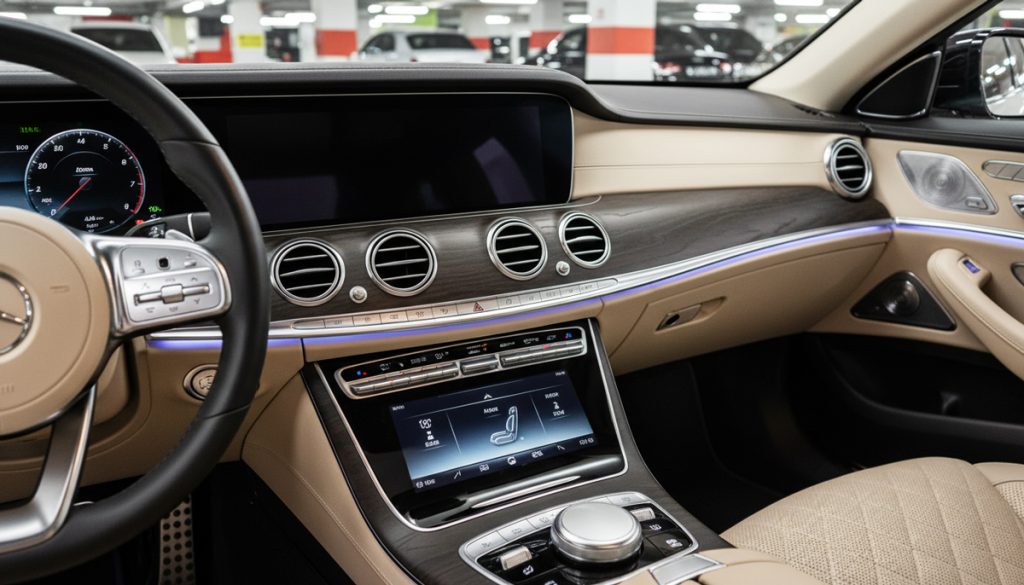
- Screens for navigation, media, and deep settings
- Physical controls for volume, climate, defrost, hazards, and wipers
It’s less about looks and more about reducing friction behind the wheel.
Why It Matters Globally
- Saudi Arabia & UAE: Extreme heat makes fast HVAC access essential.
- North America: Long drives and cold weather elevate defrost and seat controls.
- Europe: Dense traffic and safety ratings favor eyes-up operation.
In tough conditions, buttons start to feel premium again.
What to Watch on a Test Drive
If you can’t adjust temperature, defrost, or volume in under two seconds—without thinking—the design will wear thin fast. If you find yourself stopping the car or waiting for a straight road just to change a basic setting, the interface is working against you—not with you.
MaxTake – The smartest interiors aren’t choosing between screens or buttons. They’re using screens for depth and buttons for instinct—because convenience isn’t futuristic if it slows you down.