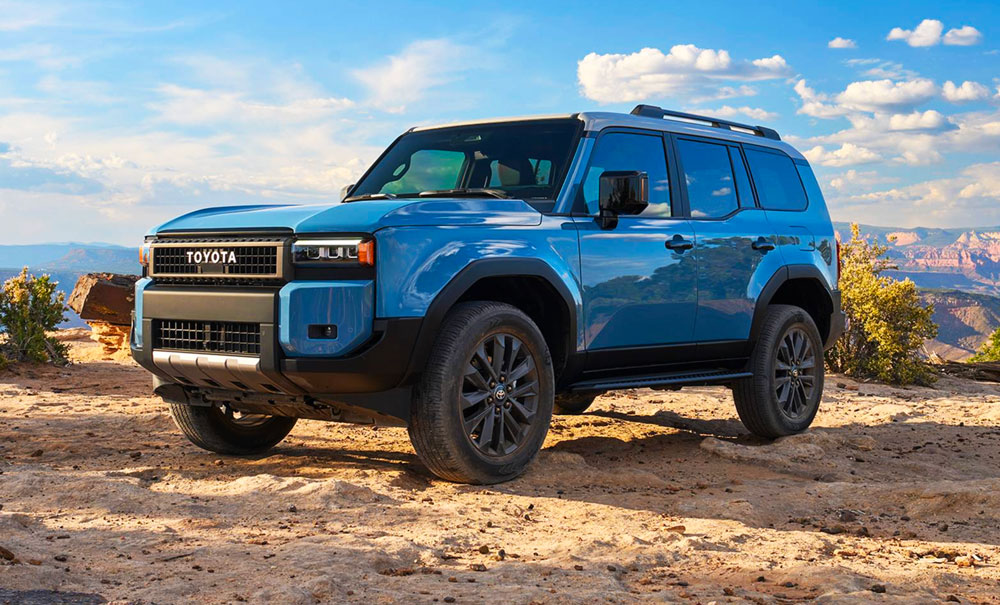
The Toyota Land Cruiser has always carried weight. Not just physical weight, although older generations had plenty of that, but emotional weight. It was the name people trusted in deserts, mountains, job sites, family garages, and places where the road gave up early. For 2026, Toyota has not brought the Land Cruiser back as a giant luxury barge or a V8 nostalgia machine. It has brought it back with a different job: keep the legend alive while making it lighter, smarter, more efficient, and more usable for the world people actually drive in now.
That mission makes the 2026 Land Cruiser one of Toyota’s most interesting modern SUVs. It is old-school in shape, purpose, and attitude, but new-school in execution. The ladder-frame toughness is still there. The upright stance is still there. The sense that this thing would rather be dirty than polished is still there. But under the hood, the story has changed completely.
The Land Cruiser Reset
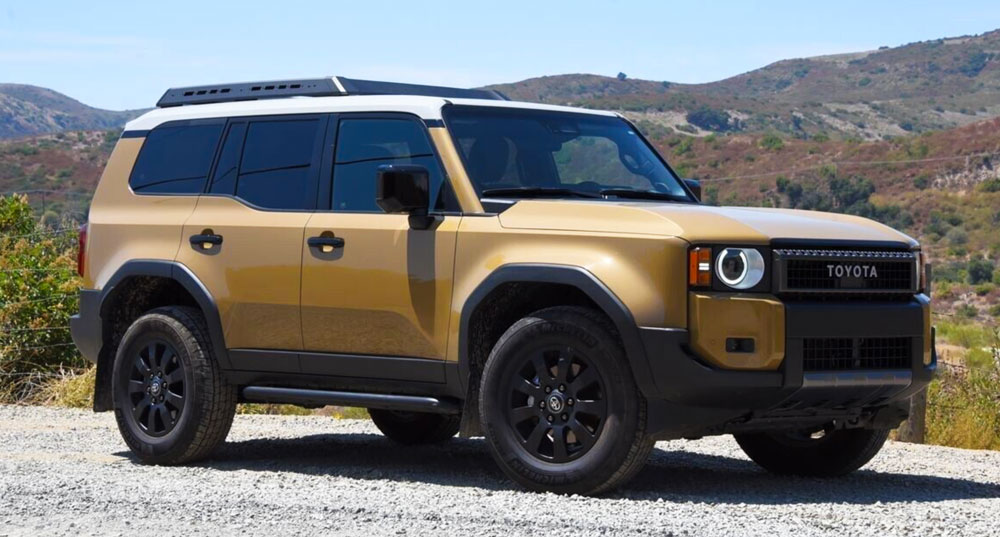
The 2026 Land Cruiser is not trying to be the massive 300 Series sold in other markets. In North America, Toyota has positioned it as a more focused, midsize off-road SUV with real capability and a lower barrier of entry than the last U.S.-market Land Cruiser.
That matters. The old Land Cruiser had become expensive, rare, and almost too polished for its own myth. It was loved, but it had moved far away from the practical toughness that made the badge famous. This new version feels like Toyota pulling the nameplate back toward its roots.
The design helps. Boxy proportions, short overhangs, squared-off lighting, and a simple upright cabin give it the kind of presence that does not need fake aggression. The 1958 trim leans hardest into nostalgia, with round headlights and a more stripped-back look. The standard Land Cruiser trim adds more tech, comfort, and off-road equipment without turning the whole thing into a leather-lined apology.
Hybrid Muscle, Not Hybrid Softness
The biggest change is under the hood. The 2026 Land Cruiser uses Toyota’s 2.4-litre i-FORCE MAX turbocharged four-cylinder hybrid system, producing 326 horsepower and 465 lb-ft of torque. That torque figure is the real headline. It gives the Land Cruiser the low-end pull an off-road SUV needs, especially when climbing, towing, or crawling through rough terrain.
Yes, the V8 is gone. Some people will never get over that. They may need a support group, or at least a very loud exhaust video. But the hybrid setup is not here to make the Land Cruiser feel delicate. It is here to deliver torque quickly, improve efficiency, and keep the SUV relevant in a market where big displacement alone no longer carries the argument.
An eight-speed automatic transmission and full-time four-wheel drive come standard. That is important because Toyota has not treated off-road capability as a trim-level party trick. The hardware is baked into the vehicle’s identity.
Built for Real Trails, Not Just Parking Lots
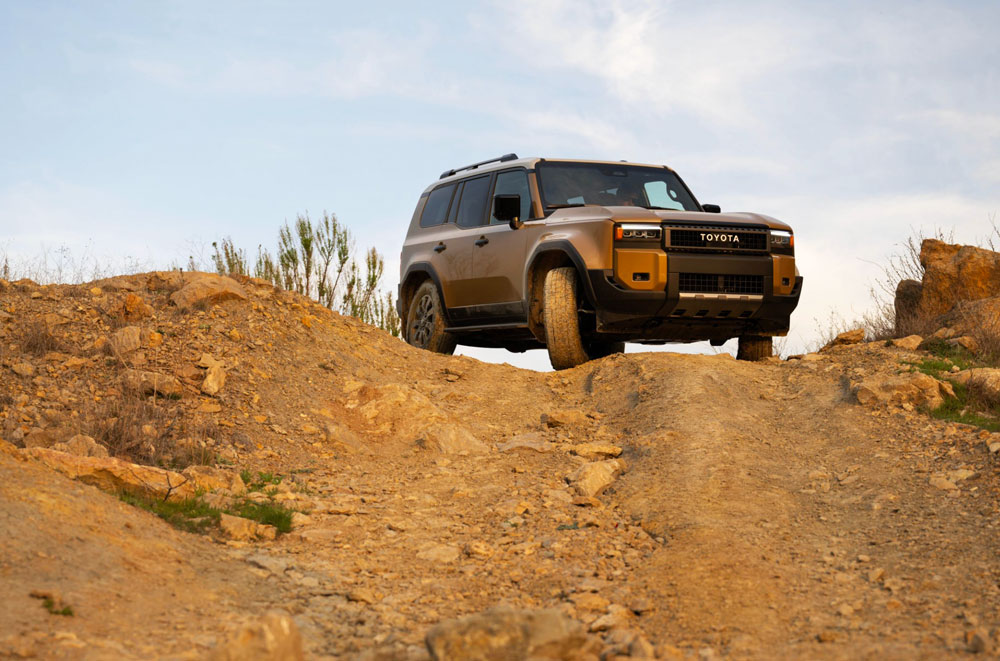
The 2026 Land Cruiser keeps the serious stuff where it counts. Standard full-time 4WD gives it the foundation, while available systems such as Multi-Terrain Select and Crawl Control help manage grip when the surface gets ugly.
The Land Cruiser trim adds more capability equipment, including wider all-terrain tires and an electronically disconnecting front stabilizer bar. That disconnecting bar matters because it helps improve wheel articulation off-road while keeping the SUV more composed on pavement. In plain English: better flex when you need it, better manners when you do not.
This is where the Land Cruiser’s new mission becomes clear. It is not trying to beat luxury SUVs at being quiet lounges on wheels. It is not trying to beat hardcore rock crawlers at being weekend toys. It sits in the middle: durable enough for serious use, refined enough for daily life, and simple enough in spirit to still feel like a Land Cruiser.
The Interior: Functional First, Comfortable Enough
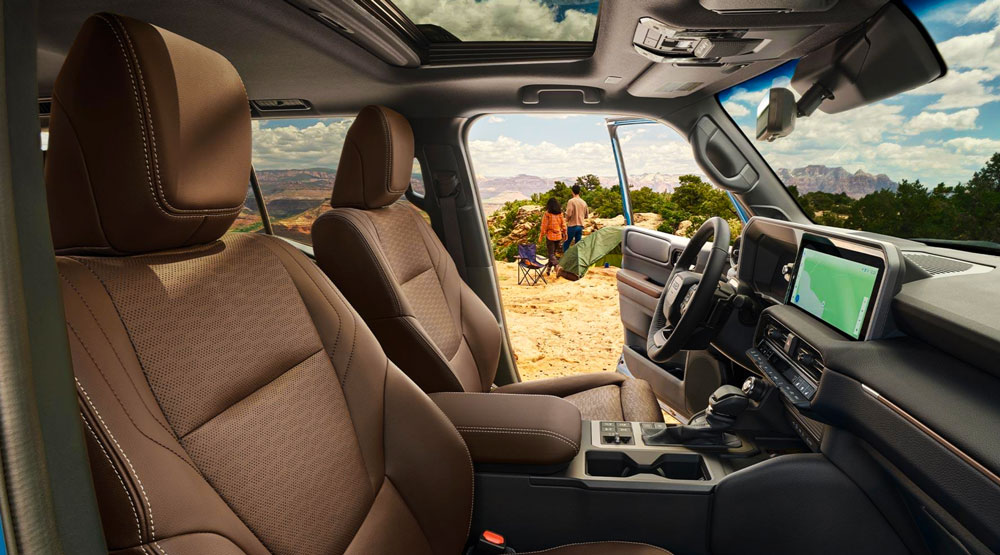
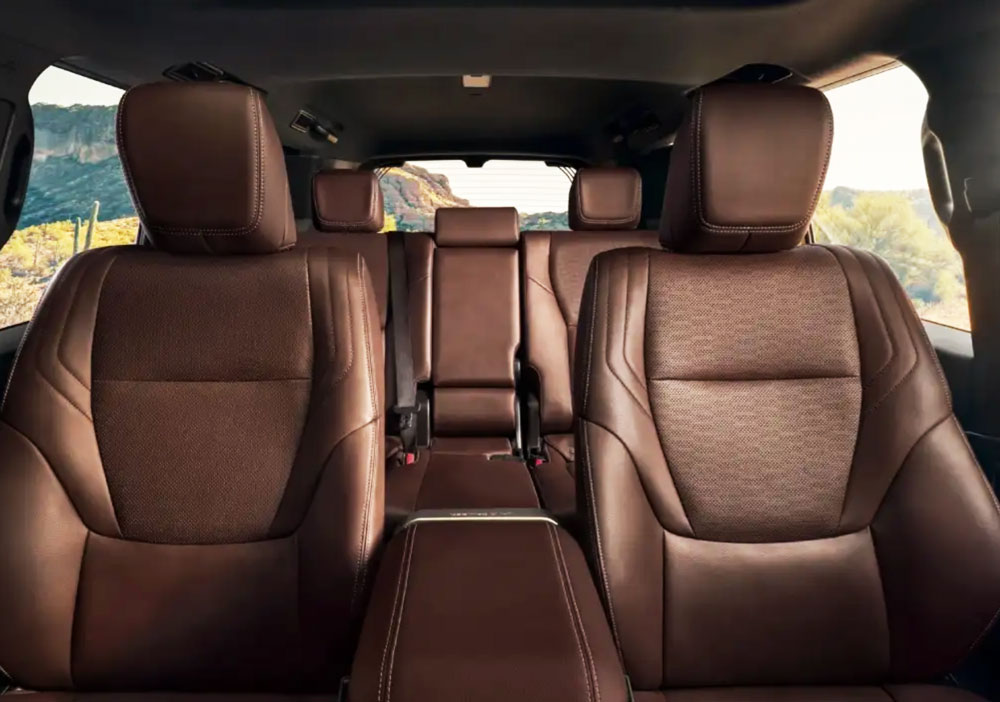
Inside, the 2026 Land Cruiser avoids the mistake of becoming too precious. The cabin is more modern than old Land Cruisers, but it still feels practical. The dashboard is upright, the controls are easy to understand, and the seating position gives the driver that classic command-post feel.
The 1958 trim keeps things more basic, which will appeal to buyers who want the look and capability without loading the SUV up with luxury extras. The higher Land Cruiser trim brings a larger touchscreen, more comfort features, upgraded materials, and better convenience tech.
This is not a three-row family hauler anymore. The North American 2026 Land Cruiser is a five-seater, which helps separate it from larger SUVs and gives it a more focused role. It is better understood as an adventure SUV with daily comfort, not a substitute for a full-size people mover.
Why It Matters Now
The timing of this Land Cruiser is smart. Buyers still want vehicles that feel durable and emotionally honest, but they also want better fuel economy, modern safety tech, and easier daily usability. The 2026 Land Cruiser answers that shift without throwing away the badge’s history.
For North America, it gives Toyota a credible off-road SUV that sits above the 4Runner in image and heritage, but without the old Land Cruiser’s ultra-premium price position. For Europe and other efficiency-conscious markets, the hybrid direction makes the idea of a modern Land Cruiser easier to justify. For the UAE and Saudi Arabia, where the Land Cruiser name already has deep cultural weight, the newer formula shows how Toyota can modernize the badge while keeping its desert-ready identity intact.
That global relevance is the point. The Land Cruiser cannot survive on nostalgia alone. It has to work in cities, on highways, in remote areas, and in markets where emissions, fuel costs, and technology expectations are changing quickly.
Where It Wins
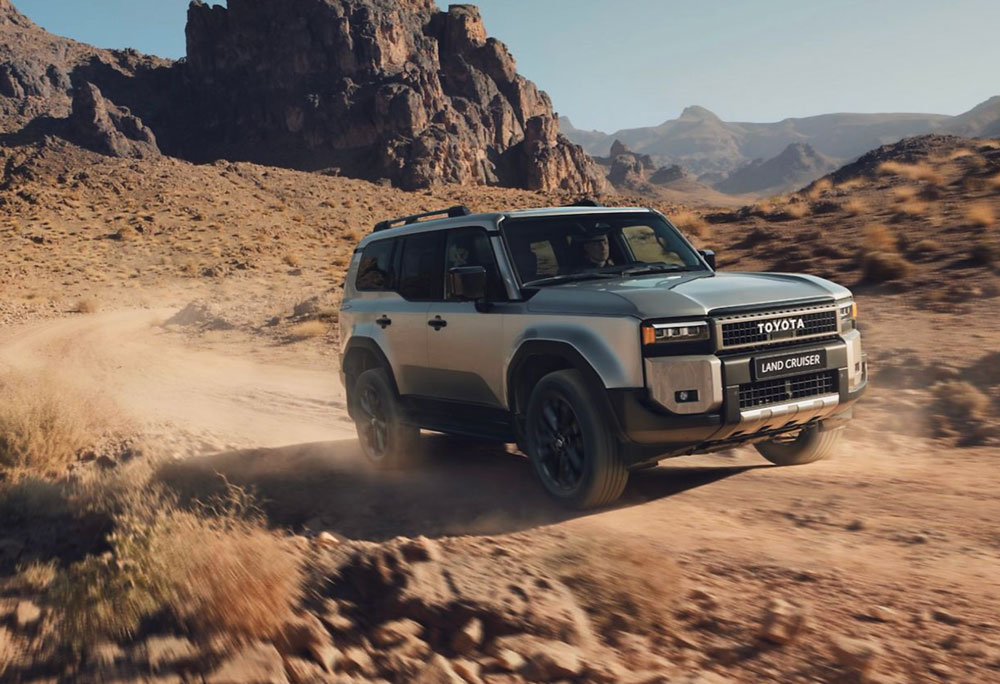
The 2026 Land Cruiser’s biggest strength is balance. It looks right, it has real capability, and it does not feel like Toyota tried to turn it into something it is not.
It also benefits from Toyota’s reputation for long-term durability. No one can guarantee how any new vehicle will age, especially with newer hybrid hardware involved, but Toyota has spent years proving hybrid systems in demanding real-world conditions. That gives this Land Cruiser more credibility than a first-time experiment from a brand chasing trends.
The torque-rich powertrain also makes sense for the mission. Off-road driving is not about peak horsepower bragging. It is about control, traction, response, and confidence. On that front, the hybrid system fits the Land Cruiser better than some traditionalists may want to admit.
Where It May Divide Buyers
The missing V8 will remain the emotional sticking point. For some buyers, the old Land Cruiser sound and smoothness were part of the magic. A turbo hybrid four-cylinder does not deliver the same character, even if it delivers stronger efficiency and excellent torque.
The five-seat layout may also limit its appeal for families who wanted a three-row adventure SUV. Toyota has other models for that job, but some buyers still associate the Land Cruiser name with big, long-distance family travel.
Then there is pricing. The new Land Cruiser is more accessible than the old U.S.-market model, but it is still not cheap. Once buyers move into the higher trim or add packages, it quickly becomes a serious purchase. The value depends on whether someone actually wants the off-road engineering and heritage, or just likes the shape.
MaxTake
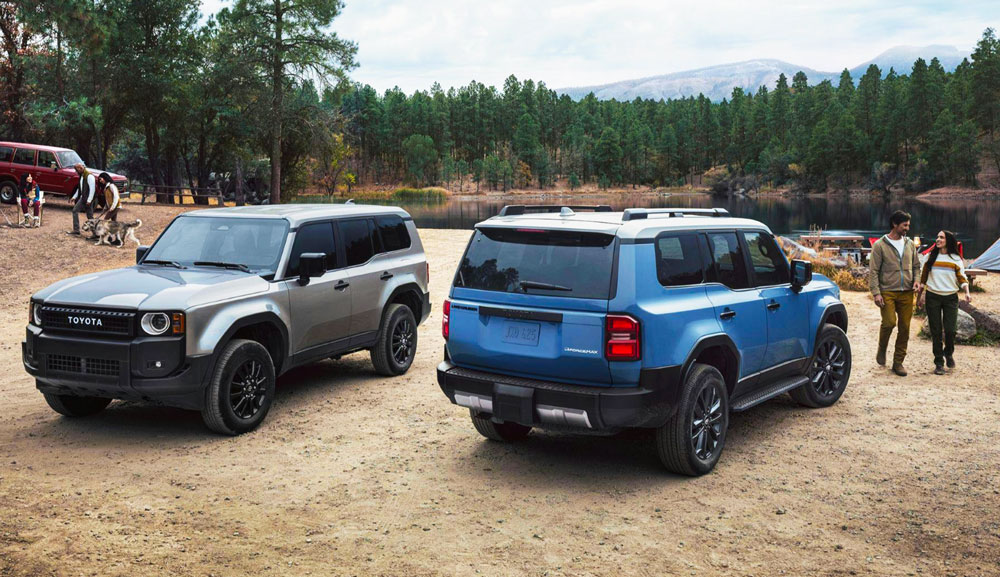
The 2026 Toyota Land Cruiser is not a comeback built purely for nostalgia. It is a reset. Toyota has taken one of its most respected names and reshaped it for a world where capability has to share space with efficiency, tech, and everyday usability. The result is not the old V8 legend reborn exactly as it was. It is something more practical: a modern Land Cruiser that understands the past without getting stuck there.