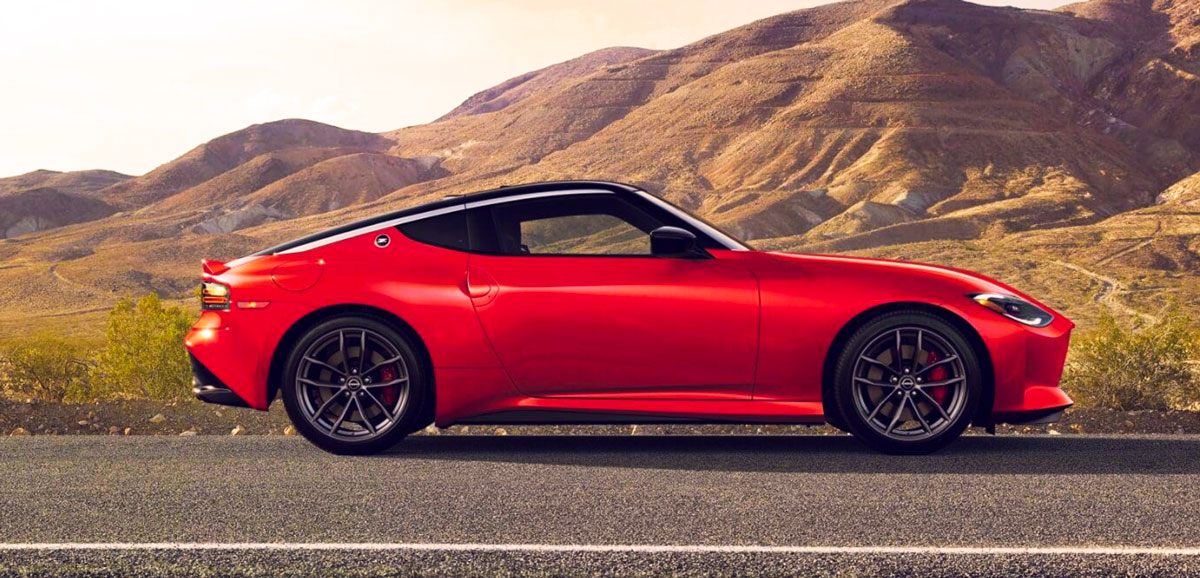
A Throwback That Still Hits Hard
The 2026 Nissan Z doesn’t try to reinvent the sports car—it unapologetically preserves it. Long hood, short rear deck, rear-wheel drive, and yes, an actual manual transmission. In a world drifting toward screens, automation, and electrification, the Z plants its flag firmly in the driver-first camp. It delivers a purist experience that feels increasingly rare, especially at this price point.
It’s less about chasing lap times and more about delivering a feeling—one rooted in decades of Z heritage stretching back to the original 240Z. That lineage shows up not just in design, but in how the car communicates with the driver—direct, mechanical, and refreshingly honest.
Performance That Stays True to the Formula
Under the hood sits a twin-turbocharged 3.0-liter V6 pushing 400 horsepower and 350 lb-ft of torque, with power sent strictly to the rear wheels. This is a deliberate setup—front-engine, rear-drive balance that prioritizes driver engagement over complexity or hybrid assistance.
- 0–60 mph: as quick as ~4.3 seconds (auto)
- Transmission choices:
- 6-speed manual (enthusiast favorite)
- 9-speed automatic (quicker, more refined)
- NISMO variant: up to 420 hp with sharper tuning
This isn’t the fastest in its class, but it’s one of the most engaging. Power delivery is smooth but responsive, and the car feels alive under throttle in a way many turbocharged rivals struggle to replicate.
Old-School Driving, Dialed In
The Z’s biggest strength isn’t just power—it’s how it delivers it. This is a car engineered to keep the driver involved at every moment, from corner entry to exit. Steering feel, chassis balance, and throttle response all work together to create a cohesive, confidence-inspiring experience.
- Rear-wheel drive layout keeps handling playful
- Mechanical limited-slip differential enhances traction
- Double-wishbone front suspension + multi-link rear setup
The result is a car that encourages you to drive, not just operate. It rewards smooth inputs and deliberate driving, offering a level of feedback that makes even routine roads feel engaging.
Retro Done Right
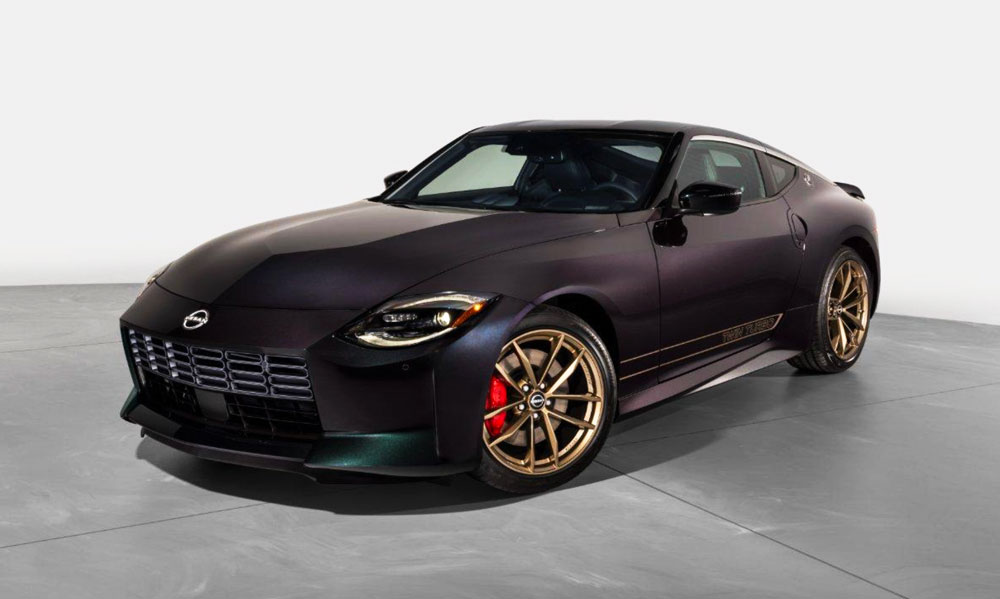
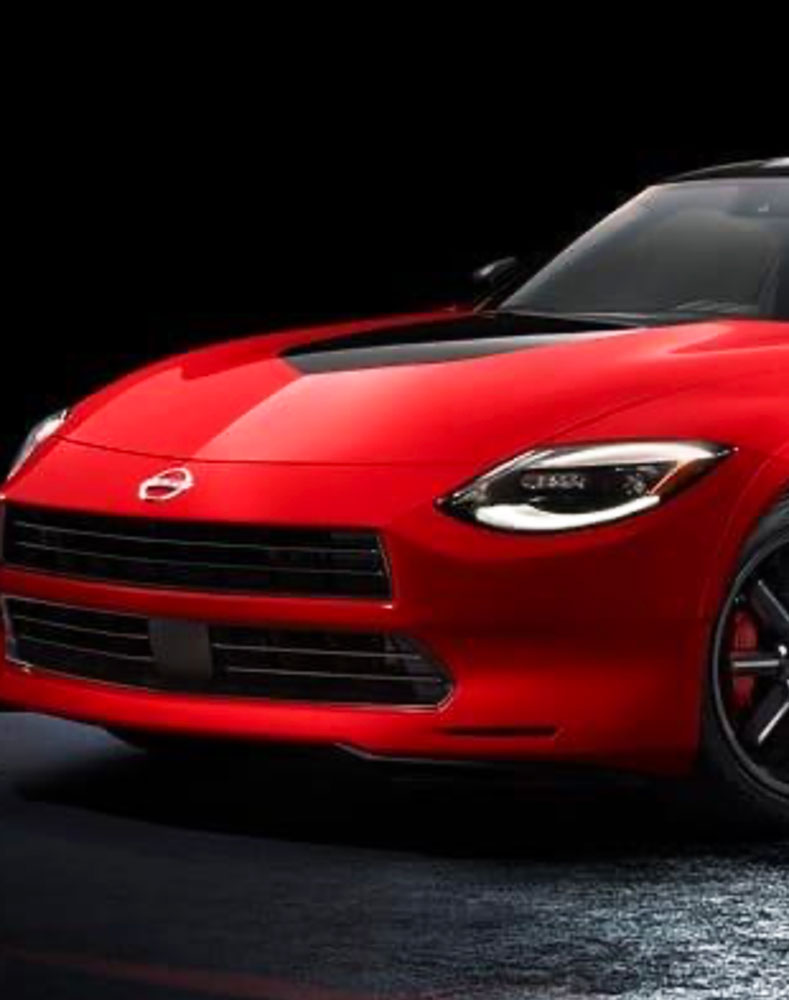
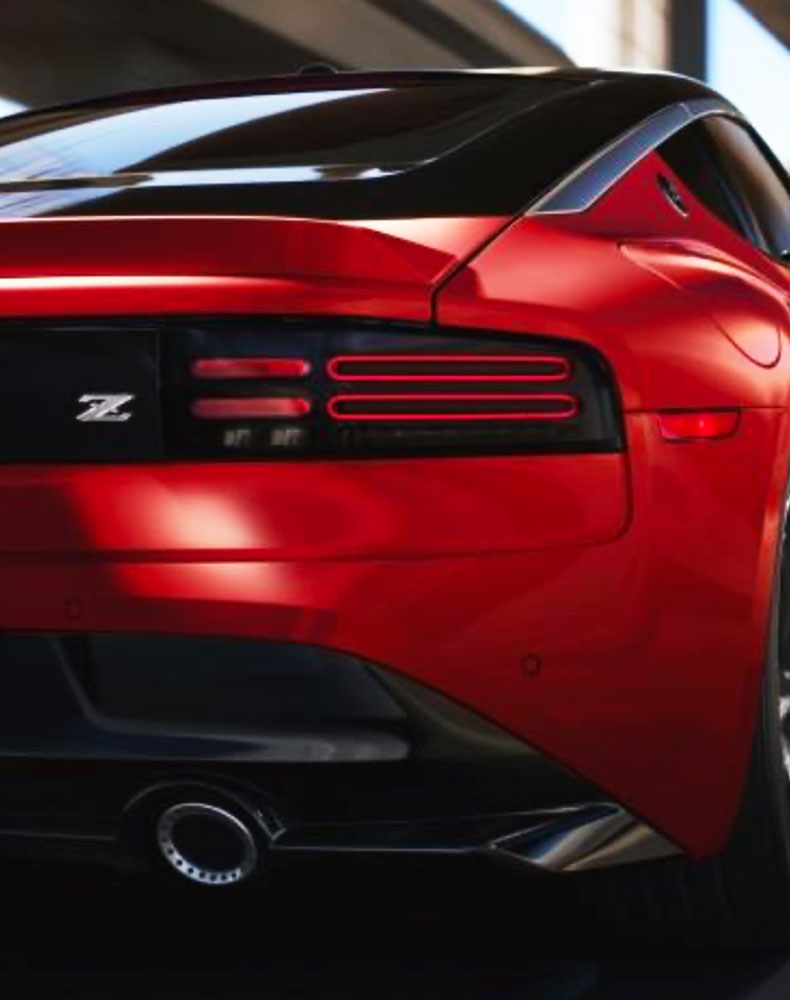
Nissan approached the Z’s design with restraint, avoiding the temptation to over-style or over-modernize. Instead, it blends heritage cues with clean, contemporary surfacing, resulting in a look that feels timeless rather than trendy.
- Front end inspired by the 240Z
- Rear light bar echoes the 300ZX (Z32)
- Clean, uncluttered coupe silhouette
The 2026 Heritage Edition leans further into nostalgia with carefully chosen colors and accents, but the base design stands strong on its own—confident without needing to shout.
Interior: Driver First, Screens Second
Step inside and the philosophy continues. The Z’s cabin is designed around the driver, not the passenger or the touchscreen. Controls are positioned for quick access, and the layout avoids the clutter seen in many modern performance cars.
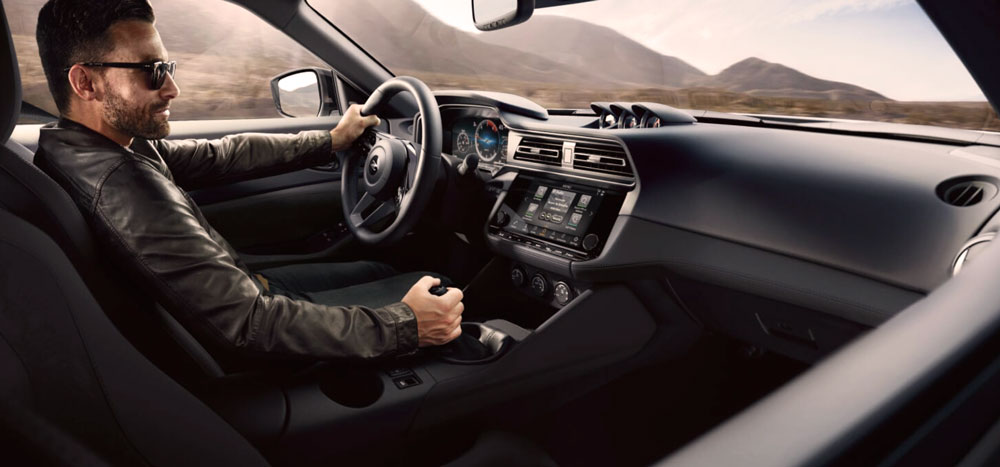
- 12.3-inch digital gauge cluster
- Available 9-inch infotainment display
- Physical controls still exist (thankfully)
- Deep bucket seats designed for support during spirited driving
It’s not the most luxurious cabin in the segment, but it’s focused and purposeful. Everything feels intentional, reinforcing the Z’s identity as a car built to be driven, not just admired.
Everyday Usability (Surprisingly Good)
What makes the Z particularly compelling is its ability to balance performance with livability. It’s not just a weekend toy—it’s a car that can realistically handle daily duties without wearing you down.
- Comfortable seating for longer drives
- Decent cargo space for a sports coupe
- Manageable ride quality compared to harder-edged rivals
The suspension strikes a usable middle ground, and visibility is better than expected for a coupe. It’s a sports car that doesn’t demand constant compromise.
Where It Falls Short
Even with its strengths, the Z isn’t without compromises. It doesn’t chase benchmark numbers or cutting-edge tech, which can leave it slightly behind in certain comparisons.
- Not the fastest in its class (Supra edges it out)
- NISMO model skips the manual (for now)
- Interior tech feels slightly behind newer rivals
But those shortcomings are part of its identity. The Z trades spec-sheet dominance for a more analog, emotional driving experience—and that trade will appeal to the right buyer.
Why the Z Still Matters
The 2026 Nissan Z exists in a shrinking category: affordable, rear-wheel-drive, driver-focused sports cars. As the industry moves toward electrification and automation, cars like this are becoming increasingly rare.
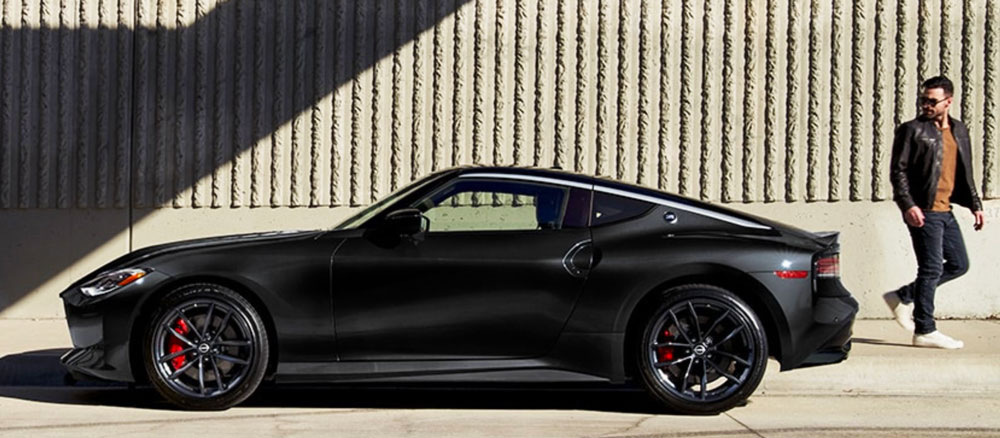
It represents a bridge between eras—modern enough to meet today’s expectations, but traditional enough to preserve what made sports cars great in the first place. That balance gives the Z a relevance that goes beyond numbers or trends.
MaxTake
The 2026 Nissan Z isn’t trying to be the best sports car on paper—it’s trying to be the one you actually want to drive. It leans into emotion, heritage, and driver engagement in a way that feels intentional, not nostalgic. In a market full of over-engineered, overly serious performance machines, that approach doesn’t just stand out—it matters.