There was a brief but defining moment in automotive history when supercars remained raw, mechanical, and entirely dependent on driver skill—and the Lamborghini Diablo arrived right at that turning point. Launched in 1990 as the successor to the Countach, it represented both an evolution in performance and the closing chapter of an analog era, just before electronics began reshaping how speed was delivered and controlled. With no traction control, no stability systems, and no digital safety nets in its earliest forms, the Diablo didn’t make driving easier—it made it more demanding, more intense, and far more honest.
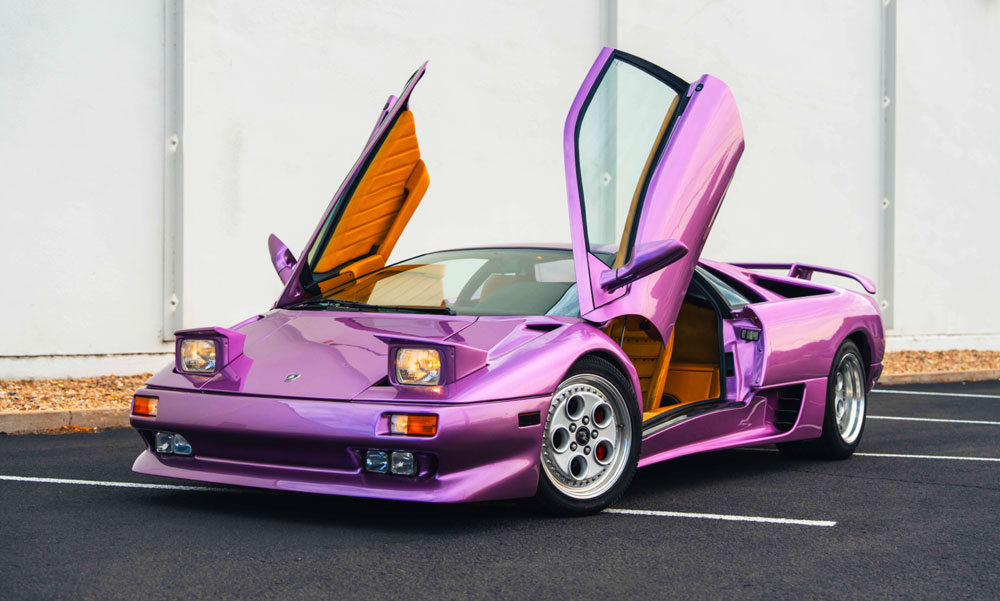
Key Specs & Figures:
- Production: 1990–2001
- Engine: 5.7L → 6.0L naturally aspirated V12
- Power: ~492 hp to 550 hp (depending on variant)
- 0–100 km/h: ~4.0 seconds
- Top Speed: Up to ~325 km/h (202 mph)
- Transmission: 5-speed manual
- Drivetrain: Rear-wheel drive / All-wheel drive (VT models)
Design That Still Feels Dangerous
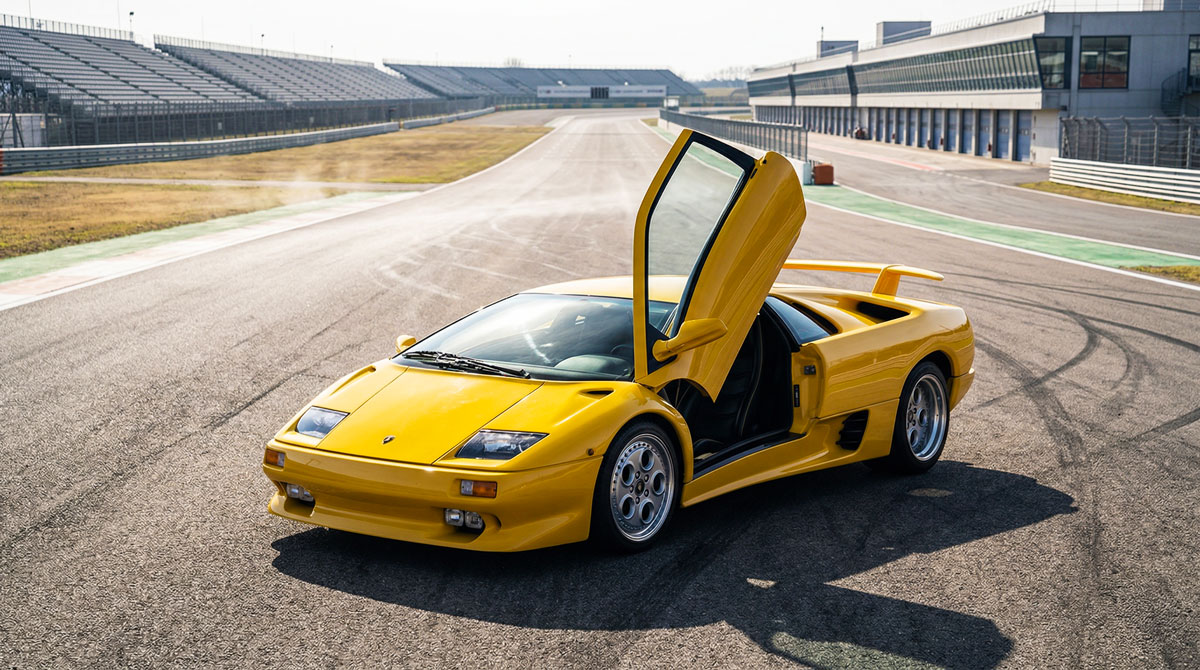
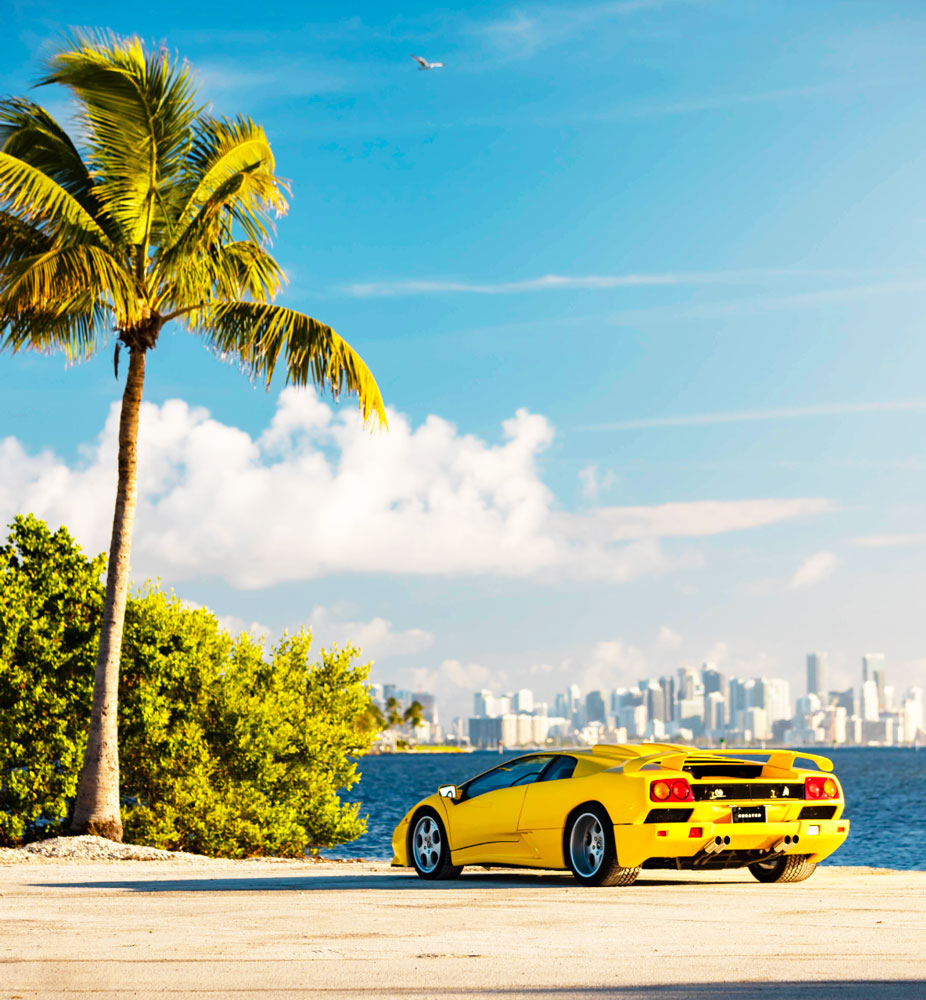
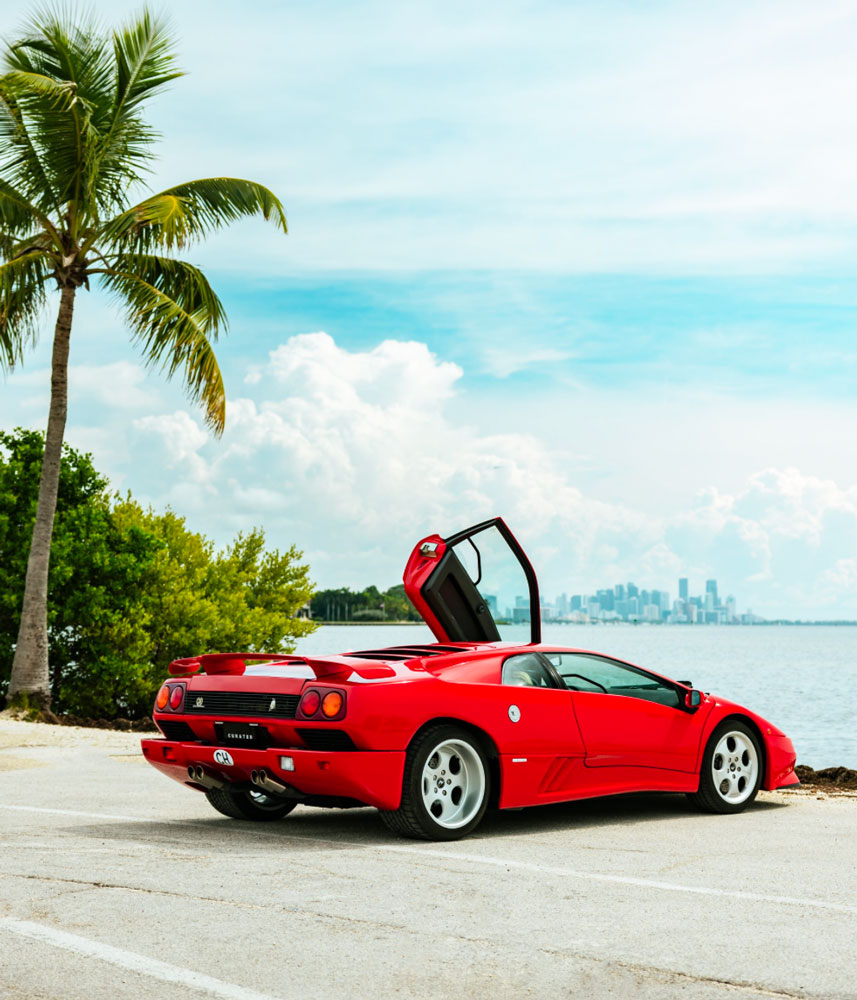
The Diablo’s design was more than visual drama—it was a statement of intent. Lower, wider, and more aerodynamically refined than its predecessor, it carried forward the wedge-shaped aggression Lamborghini had become known for while introducing a more cohesive and purposeful silhouette. Influenced by Marcello Gandini’s original vision but subtly refined over time, the Diablo balanced sharp lines with muscular proportions, creating a shape that looked fast even at a standstill. It wasn’t designed to blend into traffic—it was built to dominate it.
Design Highlights:
- Signature wedge profile with improved aerodynamics
- Pop-up headlights (early models)
- Wide rear stance with aggressive air intakes
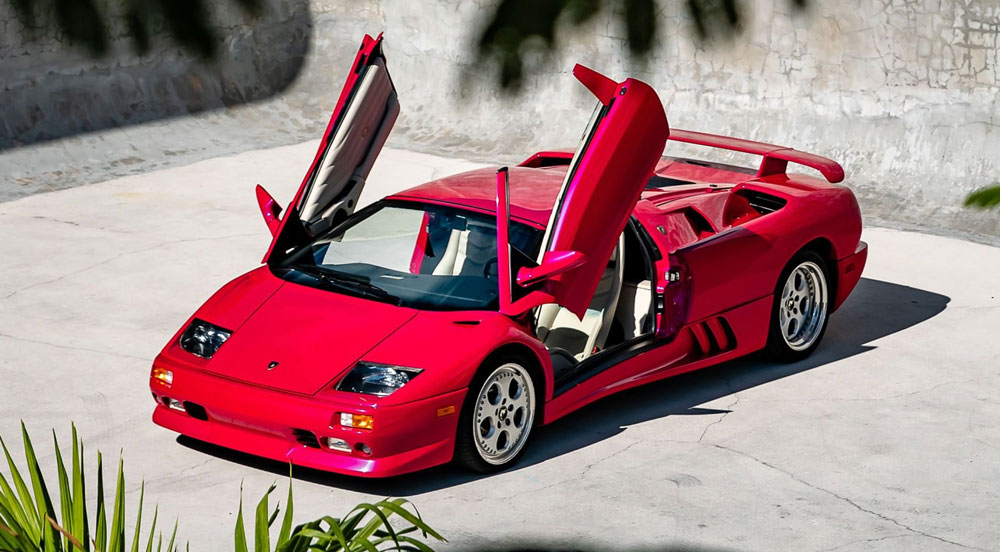
- Scissor doors as a Lamborghini hallmark
- Lightweight body panels with aluminum construction elements
A V12 With Zero Apologies
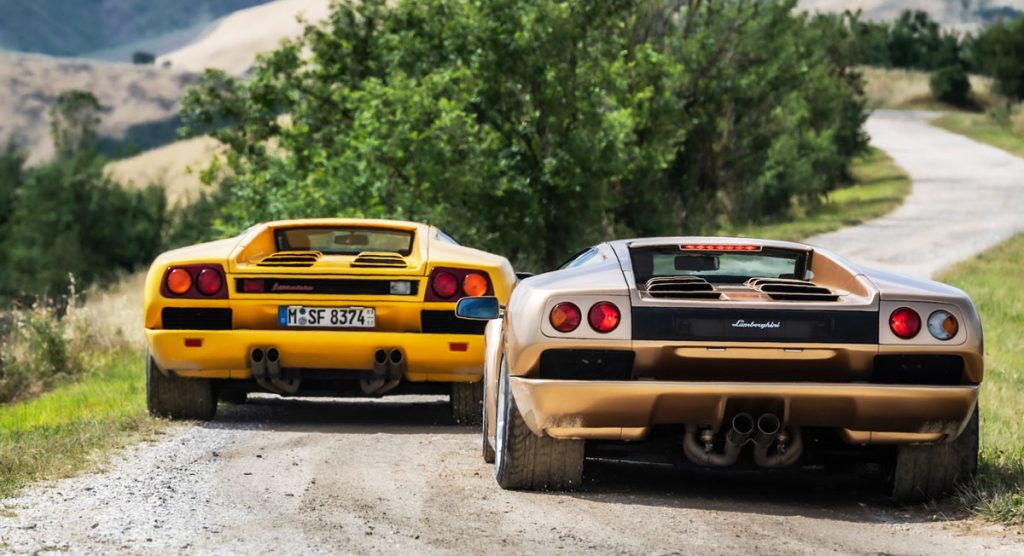
At the heart of the Diablo was a naturally aspirated V12 that defined its entire character, delivering power in a way that felt immediate, mechanical, and completely unfiltered. Early models produced just under 500 horsepower, while later versions pushed well beyond 500, but the real story was how that power reached the road—without electronic interference or correction. Throttle response was sharp, the rear end demanded respect, and every input from the driver had direct consequences. This wasn’t performance engineered for comfort—it was performance that required commitment.
Evolution: From Raw to Refined (Slightly)
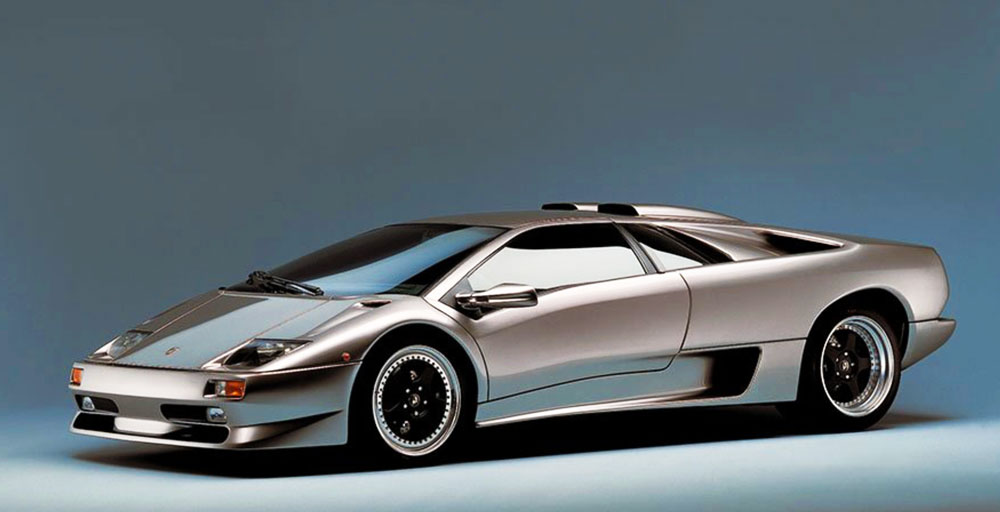
Over time, the Diablo evolved to meet changing expectations without abandoning its core identity, introducing improvements that enhanced usability while preserving its demanding nature. The addition of all-wheel drive in the VT models brought greater stability, while variants like the SV and GT leaned further into performance with increased power and reduced weight. By the time the 6.0-liter versions arrived under Audi’s influence, refinement and build quality had improved, but the experience remained unmistakably analog compared to what would follow.
Notable Variants:
- VT: First AWD Lamborghini, improved traction
- SV: Rear-wheel drive, lighter, more aggressive tuning
- GT: Track-focused with weight reduction and aero upgrades
- SE30: Anniversary edition with race-inspired setup
- 6.0: Final evolution with refined engineering and interior upgrades
Inside: A Supercar, Not a Sanctuary
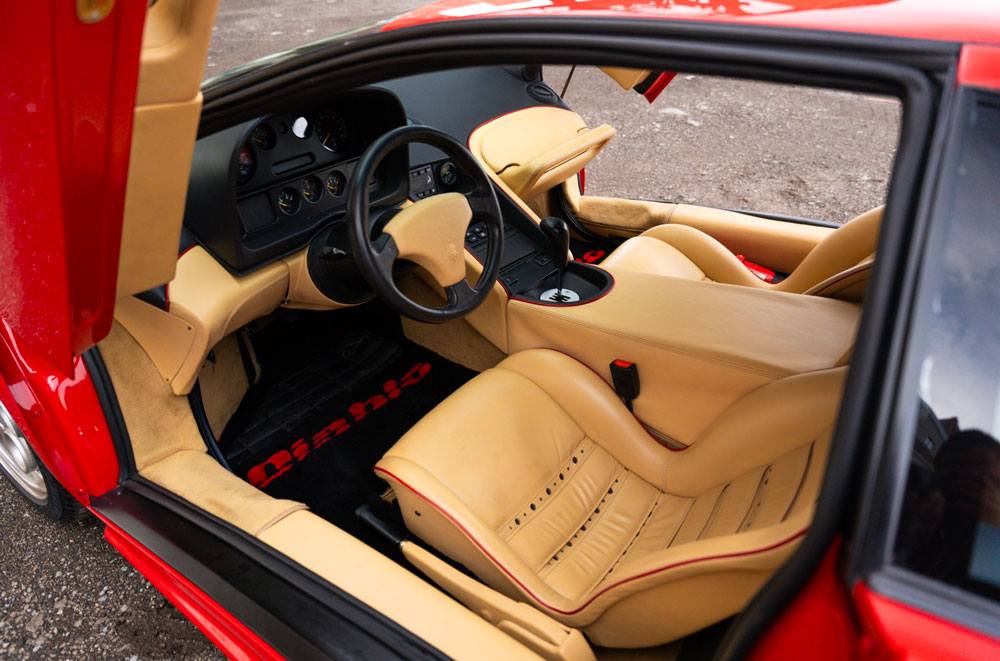
Inside the Diablo, the focus remained firmly on the act of driving, with a cabin that prioritized engagement over comfort. The seating position was low and tight, visibility was limited, and controls required deliberate effort, reinforcing the car’s uncompromising nature. Analog gauges delivered only what was necessary, while heat, noise, and vibration reminded you constantly of the V12 just behind you. It wasn’t designed to isolate—it was designed to connect the driver directly to the machine.
Why the Diablo Still Matters
The Diablo stands as a clear dividing line between two eras of performance, representing the final phase before electronics began to dominate the supercar experience. It bridged the gap between the raw unpredictability of earlier machines and the precision-engineered control of modern successors like the Murciélago. In doing so, it preserved a style of driving that relied entirely on human input—something increasingly rare in today’s technology-driven landscape.
MaxTake
The Lamborghini Diablo isn’t just remembered for its speed—it’s remembered for the way it made drivers earn it. It demanded attention, discipline, and respect, offering no shortcuts and no forgiveness for mistakes. In an era where performance is often filtered through software, the Diablo remains a reminder of what driving felt like before everything became controlled, calculated, and quietly corrected.