The Supercar That Changed the Rules
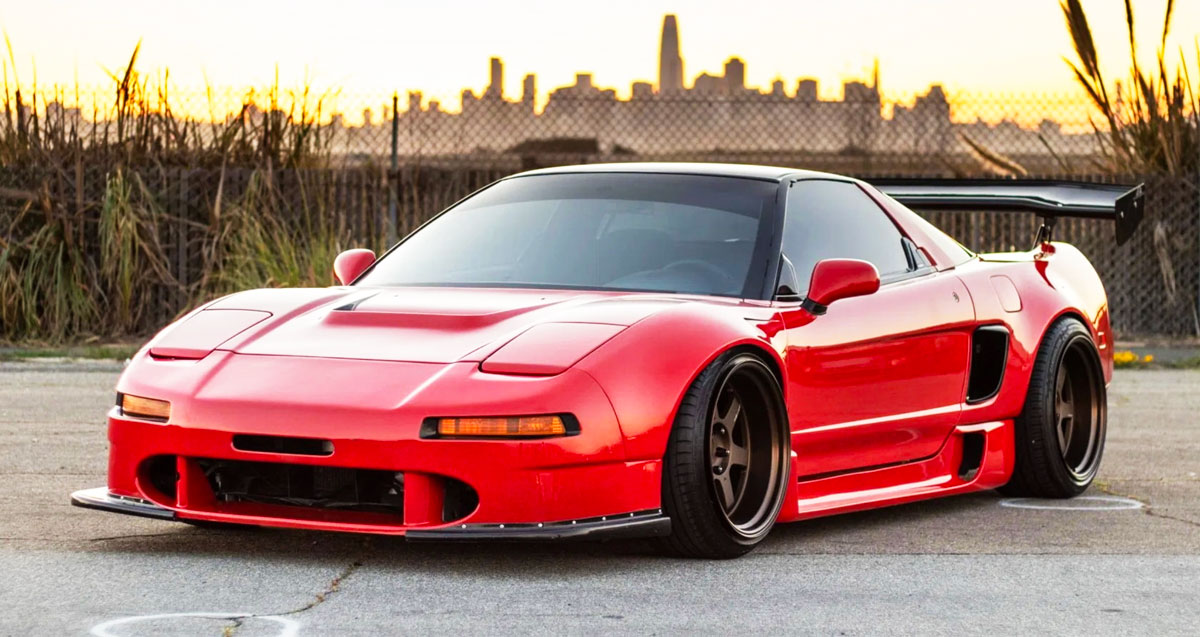
The Acura NSX didn’t just arrive—it disrupted an entire category. When it debuted in 1990, the NSX introduced a radical idea: a supercar that combined exotic performance with reliability, comfort, and usability—three qualities that rarely coexisted at the time. European rivals often delivered thrilling speed but demanded constant attention, costly maintenance, and a tolerance for quirks. The NSX flipped that script entirely, proving that cutting-edge engineering could be both exhilarating and dependable.
More importantly, it brought supercar ownership into the real world. This wasn’t a weekend-only machine—it was something you could drive daily without hesitation. That shift in philosophy didn’t just elevate Acura—it forced the entire industry to rethink what performance cars should deliver.
Born from Motorsport, Refined for the Road
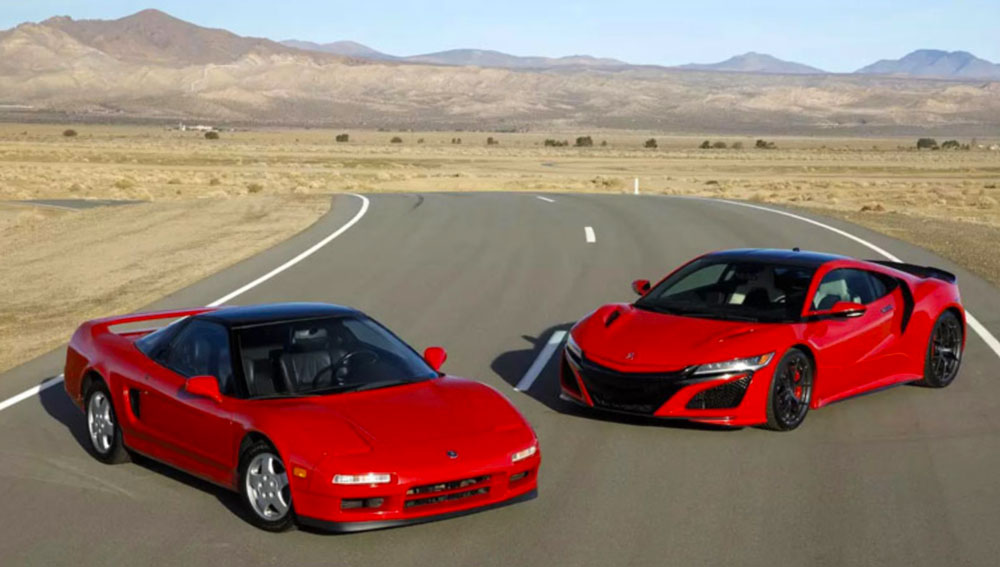
The original NSX (NA1) was deeply rooted in racing philosophy, but engineered with road usability in mind. It was developed during a time when Formula One technology and materials were beginning to influence road cars, and Acura leaned heavily into that momentum to create something truly advanced.
- Developed with input from Ayrton Senna during chassis tuning
- First production car with an all-aluminum monocoque body, reducing weight while increasing rigidity
- Mid-engine layout inspired by endurance racing prototypes
Senna’s involvement wasn’t just a marketing story—it directly impacted the car’s structural rigidity and handling balance. Testing at Suzuka led to key refinements that gave the NSX its signature precision. The result was a car that felt alive in the corners, yet composed and predictable at speed.
Performance That Prioritized Balance
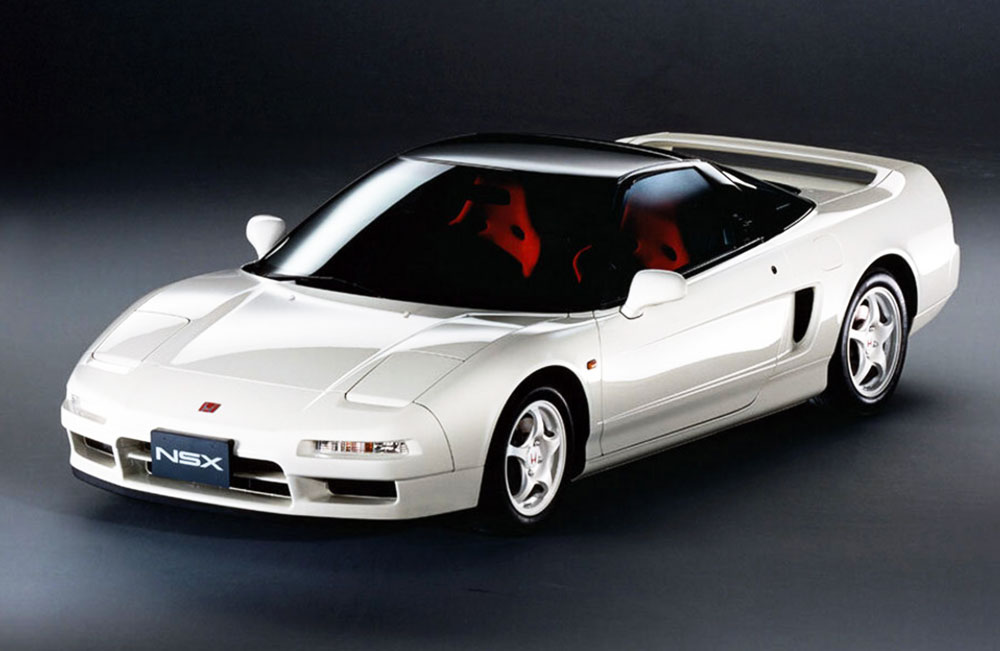
Rather than chasing extreme horsepower figures, the NSX focused on precision and driver engagement. At a time when many performance cars relied on brute force, Acura engineered a more refined approach—one that emphasized harmony between power, weight, and control.
- 3.0L V6 with VTEC technology, producing around 270 hp in early models
- Lightweight construction delivering exceptional power-to-weight balance
- Near-perfect weight distribution for predictable, confident handling
The NSX wasn’t intimidating—it was intuitive. Power delivery was linear, steering feedback was sharp, and the chassis communicated clearly with the driver. It allowed drivers to push harder with confidence, making it one of the most accessible high-performance cars of its era.
Everyday Usability—A Revolution in Itself
What truly set the NSX apart wasn’t just how it drove—it was how easy it was to live with. Acura approached the car not just as a performance machine, but as a complete ownership experience—one that eliminated the typical frustrations associated with exotic vehicles.
- Excellent outward visibility thanks to a fighter jet-inspired cockpit
- Comfortable seating and ergonomic layout designed for long drives
- Reliable engineering that didn’t require constant maintenance
Owners could drive the NSX daily—something nearly unheard of for supercars at the time. It started without hesitation, handled traffic effortlessly, and delivered comfort that rivaled many luxury coupes. In many ways, it made the idea of a “practical supercar” a reality long before the term became common.
Precision Engineering That Forced the Industry Forward
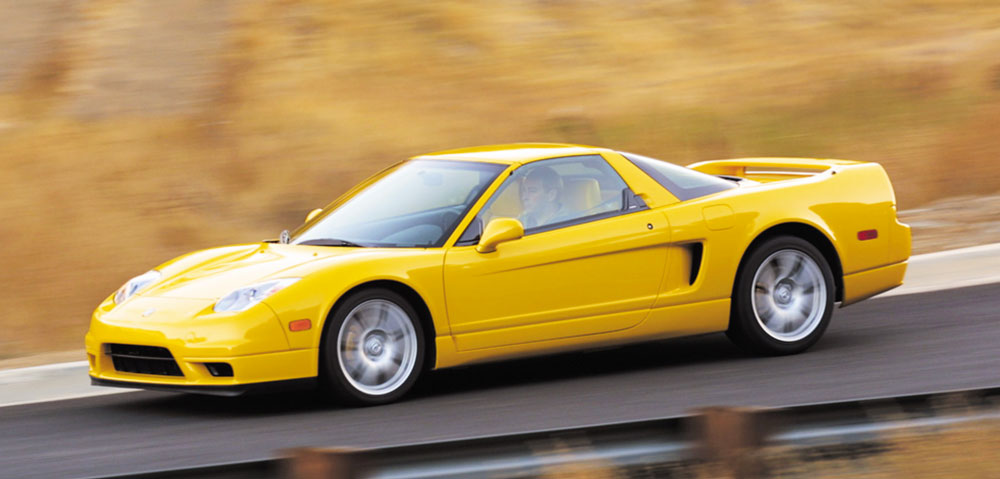
The NSX didn’t just compete—it forced rivals to improve. Its engineering excellence exposed the shortcomings of competitors and raised expectations across the board, particularly in areas beyond raw performance.
- Aluminum construction later adopted across the industry
- Refined ergonomics influencing future cockpit designs
- Reliability standards that reshaped expectations for exotic cars
Manufacturers who once relied on mystique and heritage were now expected to deliver precision, durability, and usability. The NSX became a benchmark—not just for how a car should perform, but how it should be engineered and experienced.
Where It Showed Its Age
Even icons aren’t without limitations, especially as performance standards evolved. As horsepower wars intensified and interiors became more luxurious, the NSX’s minimalist philosophy began to feel dated in certain areas.
- Power output modest compared to later supercars
- Cabin materials, while functional, lacked the luxury feel of European rivals
- Limited storage space typical of mid-engine designs
Still, these compromises reflected its core identity. The NSX prioritized balance and engineering integrity over excess, and that focus is exactly what preserved its character over time.
Legacy That Still Resonates
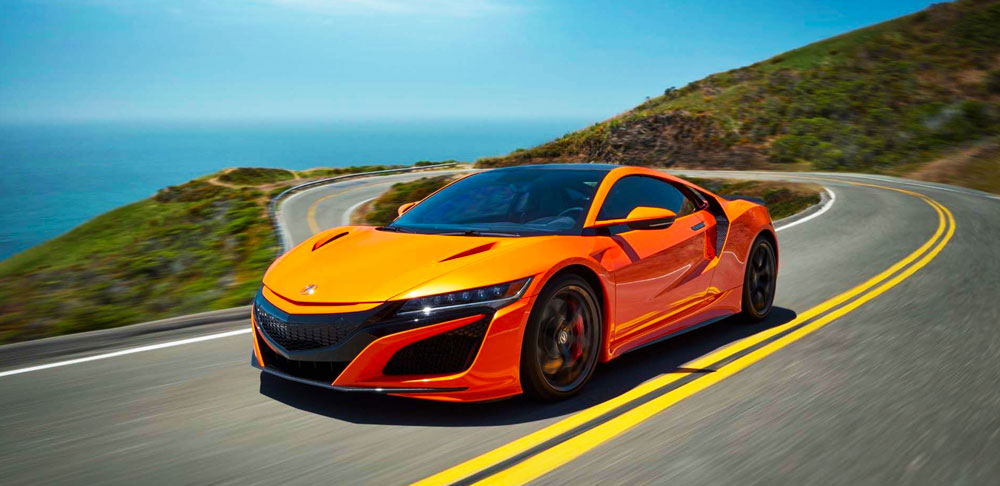
The NSX remains one of the most important performance cars ever built. Its influence extends far beyond Acura, shaping how modern supercars are designed, engineered, and driven.
- Paved the way for modern, usable supercars
- Elevated expectations for reliability in high-performance vehicles
- Continues to be a benchmark for balanced driving dynamics
Collectors and enthusiasts don’t just admire the NSX—they respect it. It represents a turning point where performance met practicality without compromise, and that legacy continues to define its value today.
MaxTake
The Acura NSX didn’t chase the supercar formula—it rewrote it. By combining race-inspired engineering with everyday usability, it proved that performance didn’t have to come with compromise. Decades later, that philosophy still feels ahead of its time—and that’s what makes the NSX a true classic.