For decades, automotive prestige was measured in cylinders, displacement, and raw output. Today, that equation is being rewritten. In 2026, the most meaningful differentiator in the luxury segment is no longer horsepower—it’s software. The vehicles leading the conversation aren’t just faster; they’re smarter, more adaptable, and increasingly defined by the digital ecosystems that power them.
From Performance to Experience
Luxury buyers are no longer chasing acceleration figures alone. Instant torque is now standard across electric drivetrains, and even traditional combustion models deliver more than enough power for daily use. What stands out instead is how a vehicle behaves, learns, and evolves over time.
Software now dictates:
- How intuitive the cabin feels
- How seamlessly systems interact
- How personalized the driving experience becomes
- How frequently the vehicle improves after purchase
A high-end car that feels outdated in six months is no longer acceptable. Continuous evolution has become the new expectation.
The Rise of the Software-Defined Vehicle
The shift toward software-defined vehicles (SDVs) is the most significant transformation in modern automotive engineering. Instead of hardware dictating capability, software layers now unlock, enhance, and refine nearly every function.
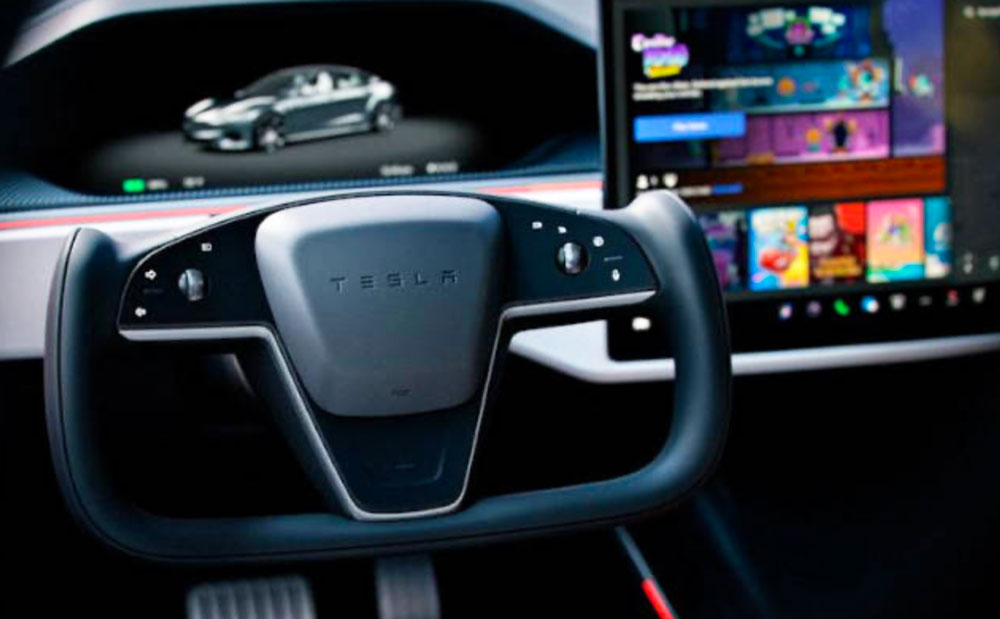
Brands like Tesla pioneered over-the-air updates, but legacy manufacturers have caught up quickly. Mercedes-Benz, BMW, and Audi are now building centralized software architectures that allow vehicles to improve long after leaving the showroom.
Key capabilities include:
- Over-the-air (OTA) updates for performance and features
- Subscription-based upgrades (from driver assistance to comfort features)
- Unified operating systems controlling everything from suspension to infotainment
- AI-driven personalization based on driver habits
The car is no longer a finished product—it’s a platform.
Interior Intelligence Becomes the New Craftsmanship
Traditional luxury emphasized materials: leather quality, wood grain, and hand-finished details. While those still matter, they are now paired with digital craftsmanship.
Modern cabins are judged by:
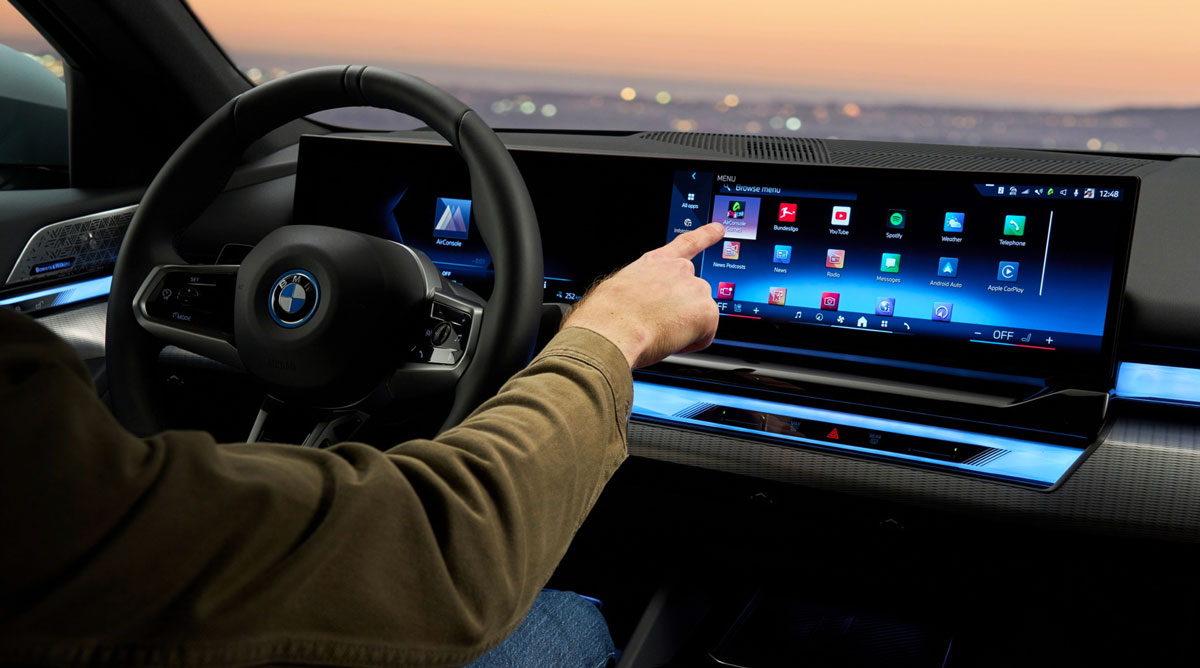
- Interface responsiveness and design clarity
- Voice assistant capability and accuracy
- Screen integration without overwhelming the driver
- Ambient personalization (lighting, sound, seating profiles)
The latest systems from Mercedes-Benz (MBUX) and BMW (iDrive) highlight this shift—blending visual elegance with deep functionality. Meanwhile, Apple and Google integrations are redefining expectations for connectivity, bringing familiar ecosystems directly into the dashboard.
Performance Is Now Programmable
Horsepower hasn’t disappeared—it’s just become more flexible. Software now shapes how that power is delivered, managed, and even unlocked.
Examples of this evolution:
- Drive modes that fundamentally alter suspension, steering, and throttle mapping
- Software-limited performance that can be upgraded post-purchase
- Energy management systems that optimize efficiency vs. output in real time
- Predictive dynamics adjusting to road conditions using sensor data
In many modern EVs, the difference between trims is often just code.
Autonomy and Assistance as Status Symbols
Advanced driver assistance systems are becoming a defining luxury feature. Capabilities once considered futuristic are now expected at the high end.
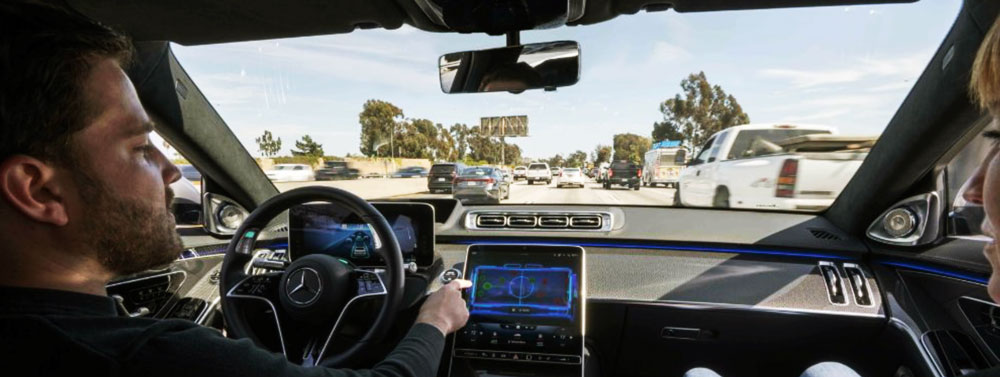
Leading systems from Tesla, Mercedes-Benz, and General Motors (Super Cruise) are turning convenience into prestige.
What matters now:
- Hands-free highway driving capability
- Traffic-aware adaptive systems
- Automated parking and urban maneuvering
- Continuous improvement via software updates
Luxury is increasingly measured by how much effort the car removes from the driving experience.
Ownership in the Digital Era
The ownership model itself is evolving alongside the technology. Vehicles are becoming more like connected devices, with ongoing relationships between brand and driver.
Key shifts:
- Feature subscriptions replacing one-time option packages
- Remote diagnostics and predictive maintenance
- Cloud-based driver profiles that sync across vehicles
- App ecosystems that extend functionality beyond the car
This transition is not without controversy, but it reflects a broader move toward flexibility and personalization.
The New Competitive Landscape
Traditional luxury automakers are no longer competing solely with each other. They are now up against technology-first challengers and shifting consumer expectations shaped by smartphones and smart homes.
New benchmarks include:
- System uptime and reliability
- Update frequency and meaningful improvements
- Ecosystem integration (devices, homes, services)
- Cybersecurity and data privacy
In this environment, a brand’s software capability can outweigh its mechanical heritage.
MaxTake
The definition of luxury in the automotive world has quietly but decisively changed. Power figures still matter—but they no longer lead the conversation. The real differentiator is intelligence: how a vehicle thinks, adapts, and improves over time. In 2026, the most desirable cars aren’t just engineered—they’re coded.