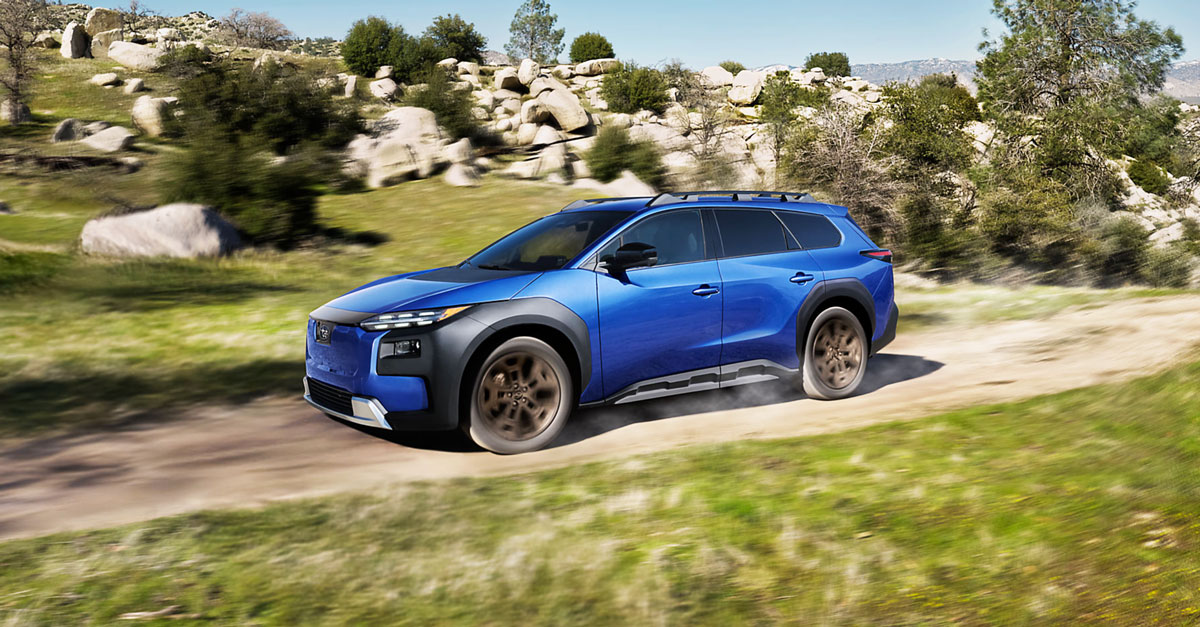
The Outback has always been Subaru’s identity piece—rugged, practical, quietly unstoppable. The 2026 Trailseeker takes that DNA and rewrites it for the electric era. It arrives at a moment when buyers expect both sustainability and capability, not one at the expense of the other. Subaru’s challenge was clear: build an EV that still feels like a Subaru first, and an EV second.
This isn’t just another EV in Subaru’s lineup. It’s effectively the electric Outback alternative the market has been waiting for—longer, more capable, and finally built to match Subaru’s off-road reputation with zero-emissions power. More importantly, it signals a shift in how Subaru approaches electrification, moving from cautious entry to confident execution.
An Outback, Reimagined as an EV
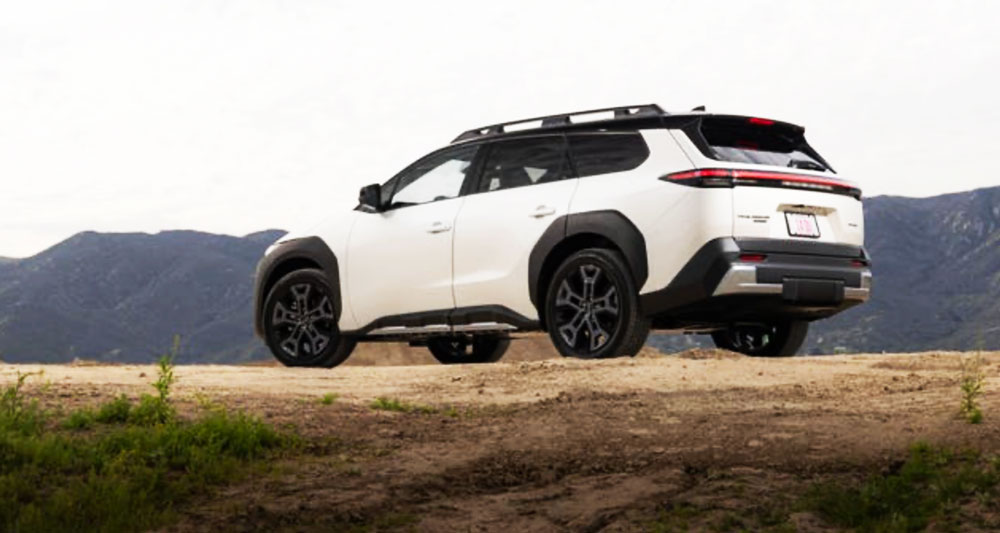
The Trailseeker sits above the Solterra and feels immediately more familiar to traditional Subaru buyers. It’s longer, more wagon-like, and built with real utility in mind—not just urban crossover styling. This is Subaru intentionally returning to form, prioritizing function over trend-driven design.
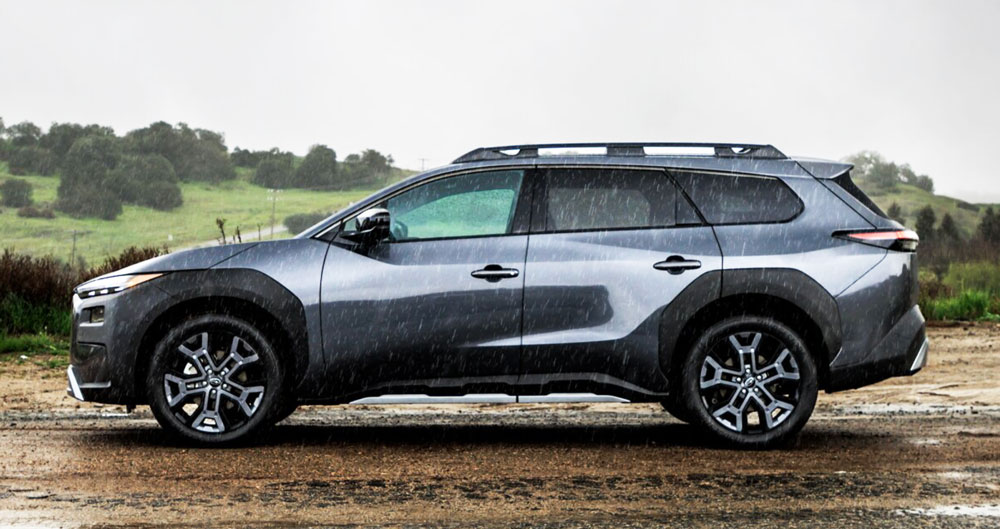
The proportions are key here. The extended body and flatter roofline create a more usable cargo area, while the stance gives it the planted look expected from an adventure-focused vehicle. It’s not trying to look futuristic—it’s trying to work better in the real world.
Key design direction:
- More cargo space and roof capacity than Subaru’s current EVs
- Upright stance with functional proportions
- Built for gear, not just commuting
It shares its underlying platform with Toyota’s electric architecture, but Subaru has tuned it with a clear focus: make it feel like an Outback, not a tech experiment.
Fully Electric, Fully Subaru
The Trailseeker comes with a focused performance setup that immediately separates it from Subaru’s past efforts. This is no longer about easing into electrification—it’s about delivering performance that competes with the segment’s best. Subaru has clearly prioritized responsiveness and all-weather confidence.
The dual-motor setup ensures that power delivery is immediate and consistent, especially in challenging conditions. It’s not just about straight-line speed—it’s about usable performance across snow, rain, and uneven terrain.
Core specs:
- Dual-motor all-wheel drive
- ~74.7 kWh battery
- Approximately 375 horsepower combined
Performance finally meets expectation:
- 0–60 mph in roughly 4.5 seconds
- Among the quickest Subarus ever produced
Range lands in a competitive window:
- Up to ~450 km (≈280 miles)
Charging capability:
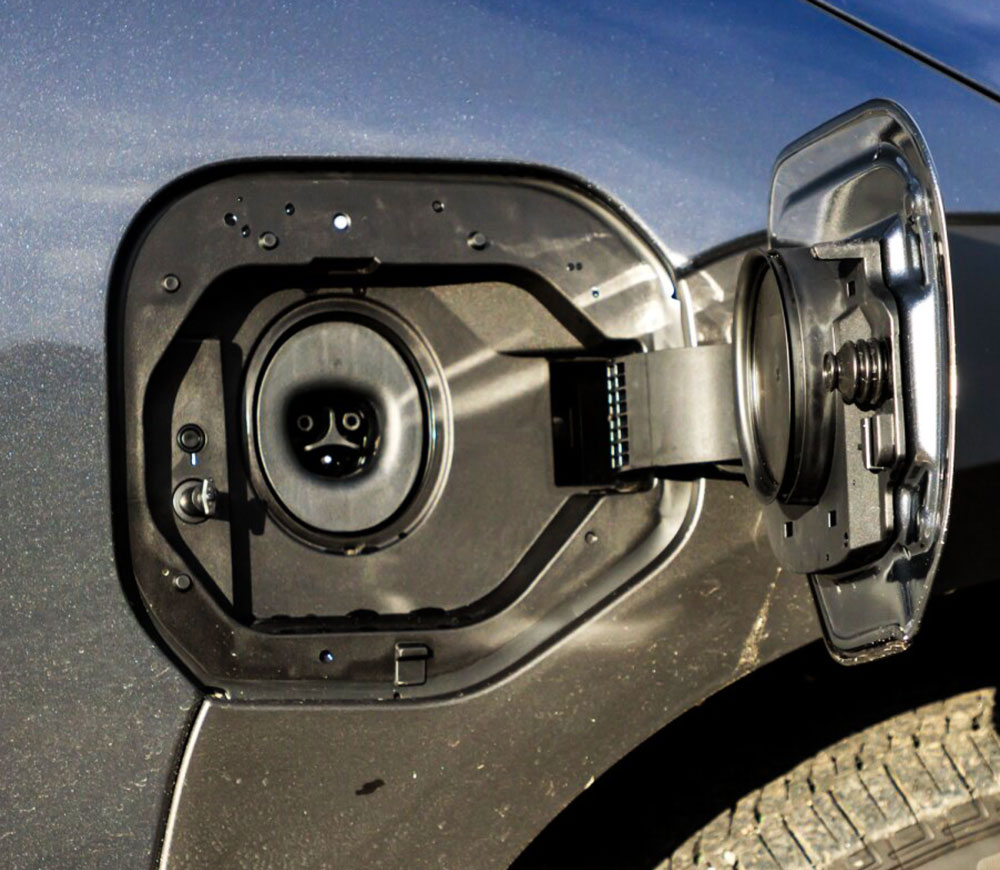
- DC fast charging (10–80% in around 30 minutes)
- Battery pre-conditioning for cold climates
This is Subaru stepping into EV performance without sacrificing usability.
Real Capability—Not Just Marketing
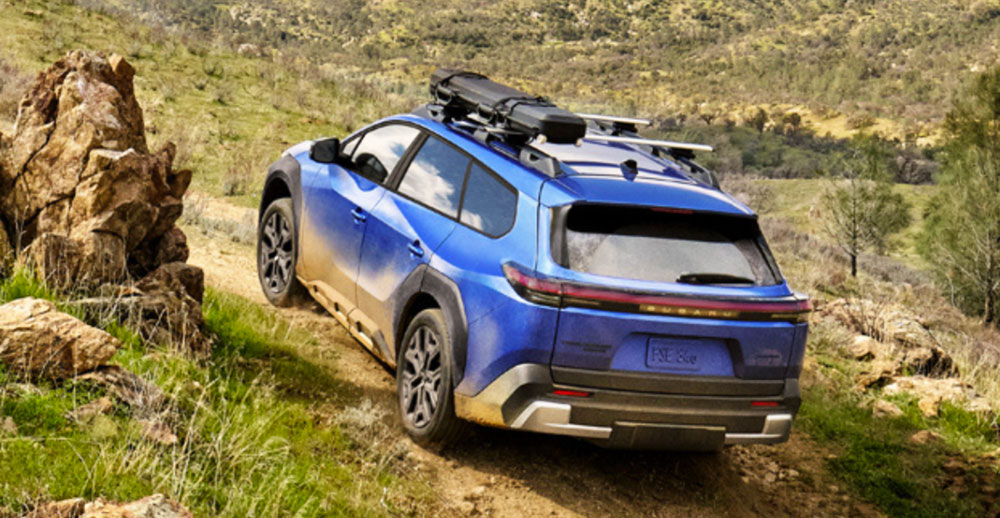
Where the Trailseeker separates itself is capability—something many EVs still struggle to deliver authentically. Subaru has built its reputation on vehicles that can go places others hesitate, and this model continues that expectation. The focus isn’t just on specs, but on real-world confidence.
Electric torque actually enhances off-road performance, allowing for more precise control at low speeds. Combined with Subaru’s terrain systems, the Trailseeker feels engineered for environments beyond pavement.
Off-road and utility highlights:
- Around 8.3–8.5 inches of ground clearance
- Dual-function X-MODE with terrain control
- Electric Symmetrical AWD for instant torque distribution
- Up to 3,500 lbs towing capacity
This is one of the few EVs that feels built for:
- Snow-heavy climates
- Trail driving
- Long-distance outdoor travel
It’s not pretending to be rugged—it actually is.
Modern Interior, But Still Practical
Subaru keeps the interior modern but grounded in usability. While many EVs lean heavily into minimalism, the Trailseeker strikes a more balanced approach with technology that enhances function rather than complicates it. Everything feels designed to be used, not just admired.
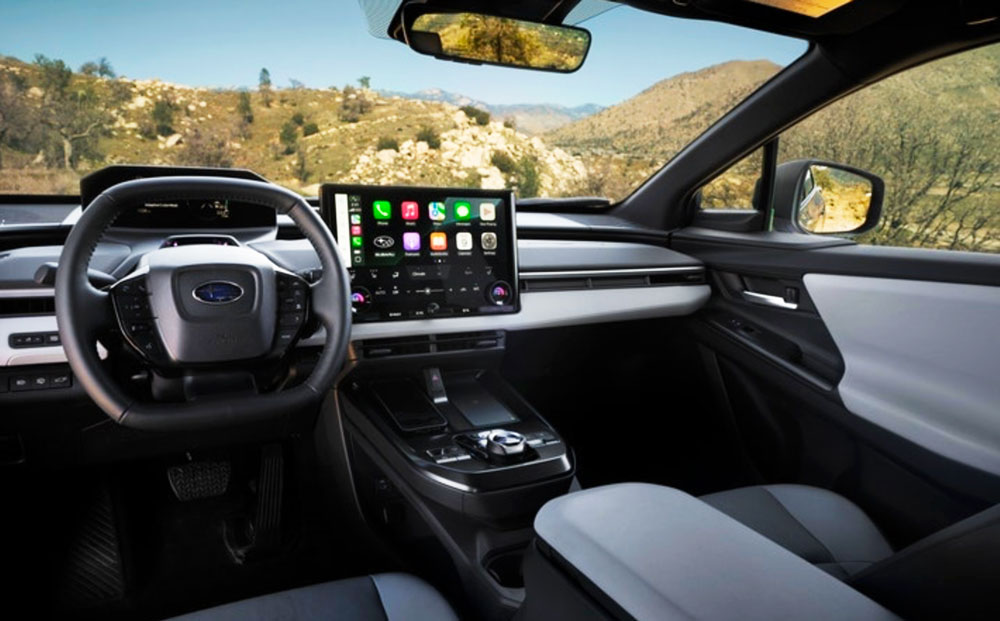
There’s a noticeable emphasis on durability and space. Materials are chosen to handle outdoor lifestyles, and the layout supports long drives, gear hauling, and daily commuting equally well.
Highlights include:
- Large central touchscreen (approx. 14-inch)
- Dual wireless charging pads
- Clean, horizontal dashboard layout
- Generous rear space and flexible cargo area
The design prioritizes durability and everyday function over unnecessary complexity—very much in line with Subaru’s philosophy.
The EV Subaru Should Have Built First
The Trailseeker enters a crowded EV segment, but it does so with a clearer identity than most. Rather than chasing luxury or tech-first positioning, Subaru leans into practicality and capability. That alone sets it apart in a field dominated by design-forward crossovers.
This positioning makes it particularly appealing to existing Subaru owners looking to transition into electric without losing what they value. It’s familiar in the ways that matter, while still moving the brand forward.
Expected positioning:
- Starting around low-$40K USD range
- Multiple trims including Premium, Limited, and Touring
It targets buyers considering:
- Jeep Wagoneer S
- Chevrolet Blazer EV
- Toyota’s electric crossover lineup
Where it stands out is in its balance—utility, performance, and capability all in one package.
Where It Changes the Game
The Trailseeker feels like Subaru’s true entry into the EV space—not just a compliance vehicle, but a proper evolution. It reflects a brand that has taken time to understand what its customers actually need from an electric vehicle. The result is something far more cohesive.
This isn’t about reinventing Subaru—it’s about translating its strengths into a new powertrain. And for the first time, that translation feels complete.
What stands out:
- Significant performance improvement
- More practical design and space
- Real off-road credibility
- Better alignment with Subaru’s core identity
It answers a long-standing question for loyal buyers: what happens when Subaru fully commits to electric?
MaxTake
The 2026 Trailseeker finally delivers what Subaru EV buyers have been waiting for—an electric vehicle that doesn’t compromise the brand’s core strengths. It sets a new benchmark for what a practical EV can be, especially in climates and conditions where many competitors fall short. If Subaru builds on this foundation, the Trailseeker won’t just be a new model—it will define the brand’s electric era.