Ferrari going electric was never going to be a quiet moment. The brand has built its legend on V12 drama, race-bred engineering, sculptural design, and the kind of mechanical theatre that makes even a short drive feel like qualifying at Monza. With the new Ferrari Luce, Maranello has now introduced its first fully electric production car — and it is not trying to sneak into the EV conversation.
The Luce is not Ferrari’s version of a silent appliance. It is a high-performance electric grand tourer with four doors, five seats, more than 1,000 horsepower, and a design direction that clearly wants to start a few arguments. More importantly, it shows how Ferrari plans to protect its emotional identity in a world where batteries, software, and charging speed are becoming just as important as combustion engines.
A Ferrari First, But Not a Small Step
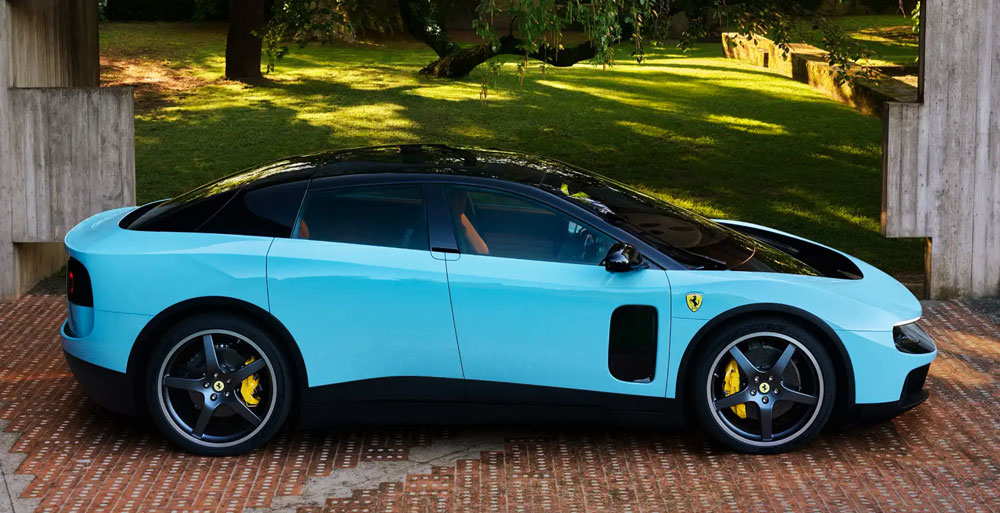
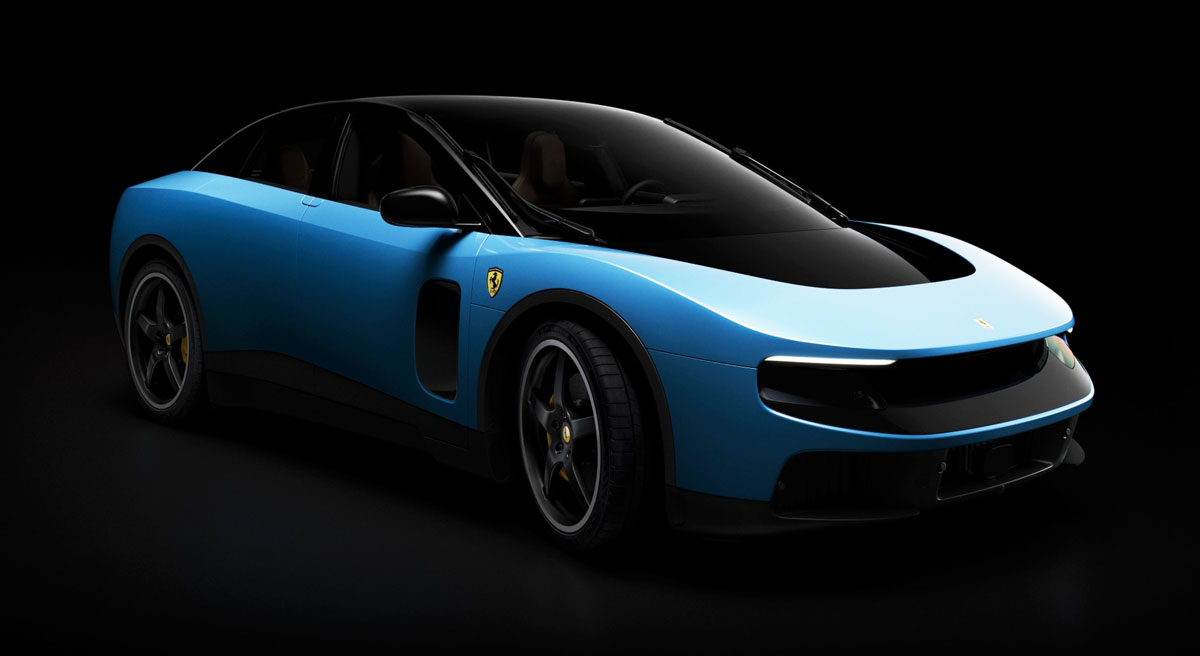
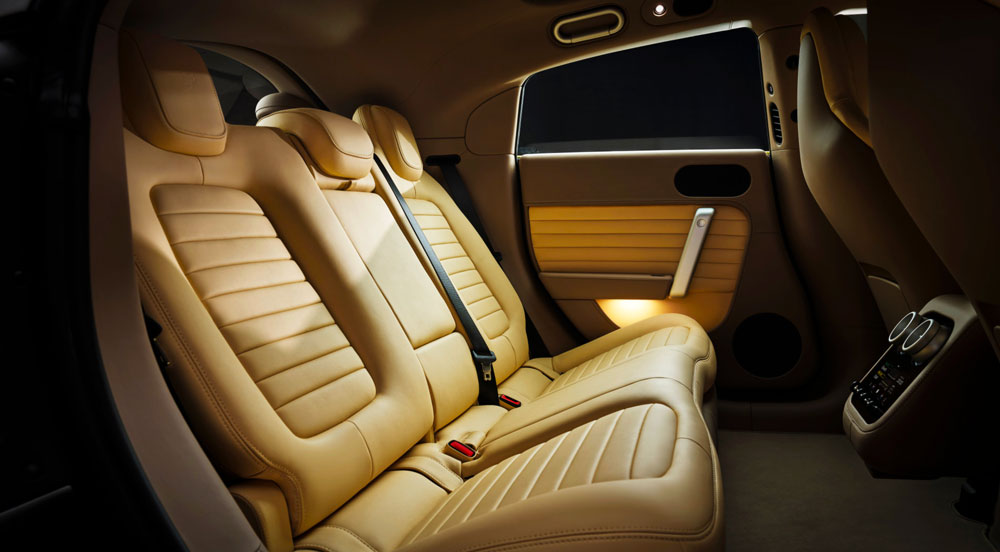
The Luce marks a major turning point for Ferrari. It is the company’s first fully electric production vehicle, its first five-seater, and only the second four-door model in Ferrari’s road-car history after the Purosangue. That alone makes it one of the most unusual Ferraris ever built.
Rather than launching with a compact electric sports car, Ferrari has gone for a larger and more luxurious format. The Luce sits closer to an electric grand tourer than a traditional low-slung supercar, giving it a broader role: fast enough to carry the badge, refined enough for daily use, and practical enough for buyers who want Ferrari performance without pretending luggage does not exist.
That positioning matters. Ferrari is not entering the EV space from the bottom or the middle of the market. It is entering from the very top, with a car aimed at clients who already understand exclusivity, performance, design, and technology as one package.
Design by Ferrari, LoveFrom, Jony Ive and Marc Newson
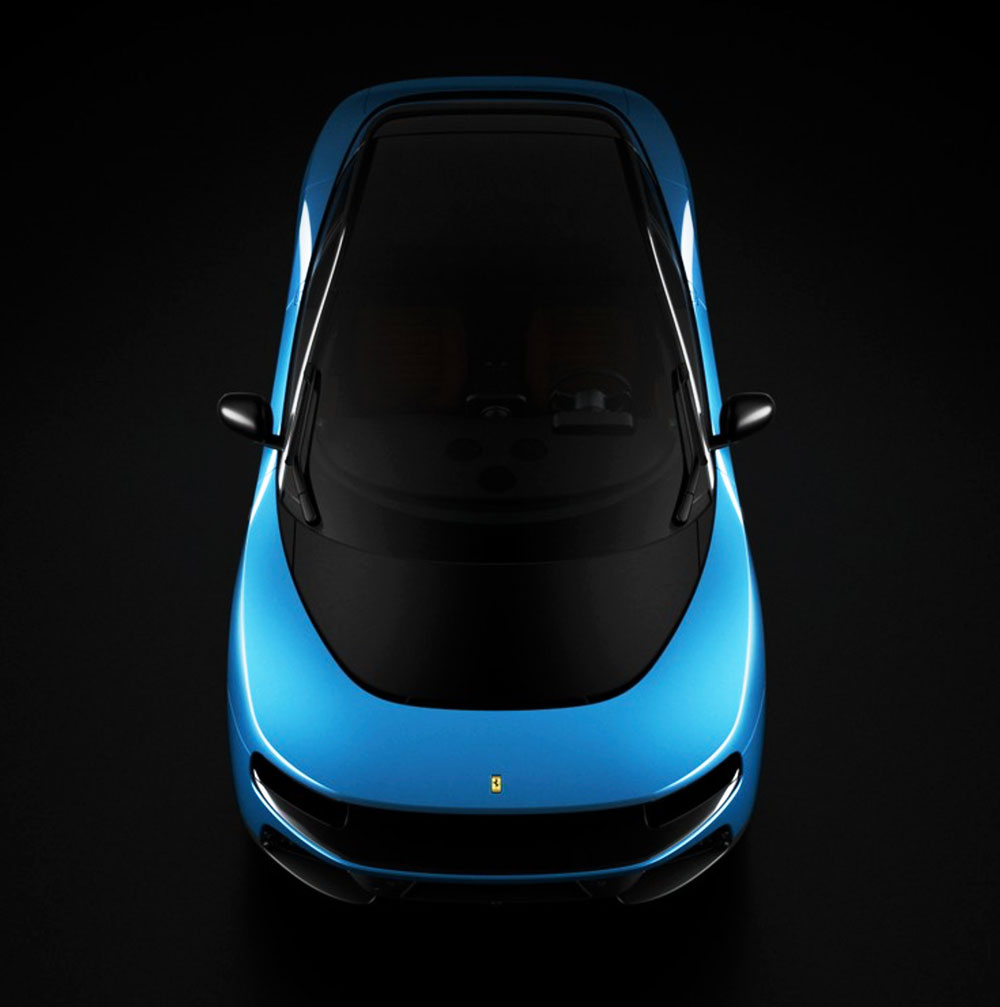
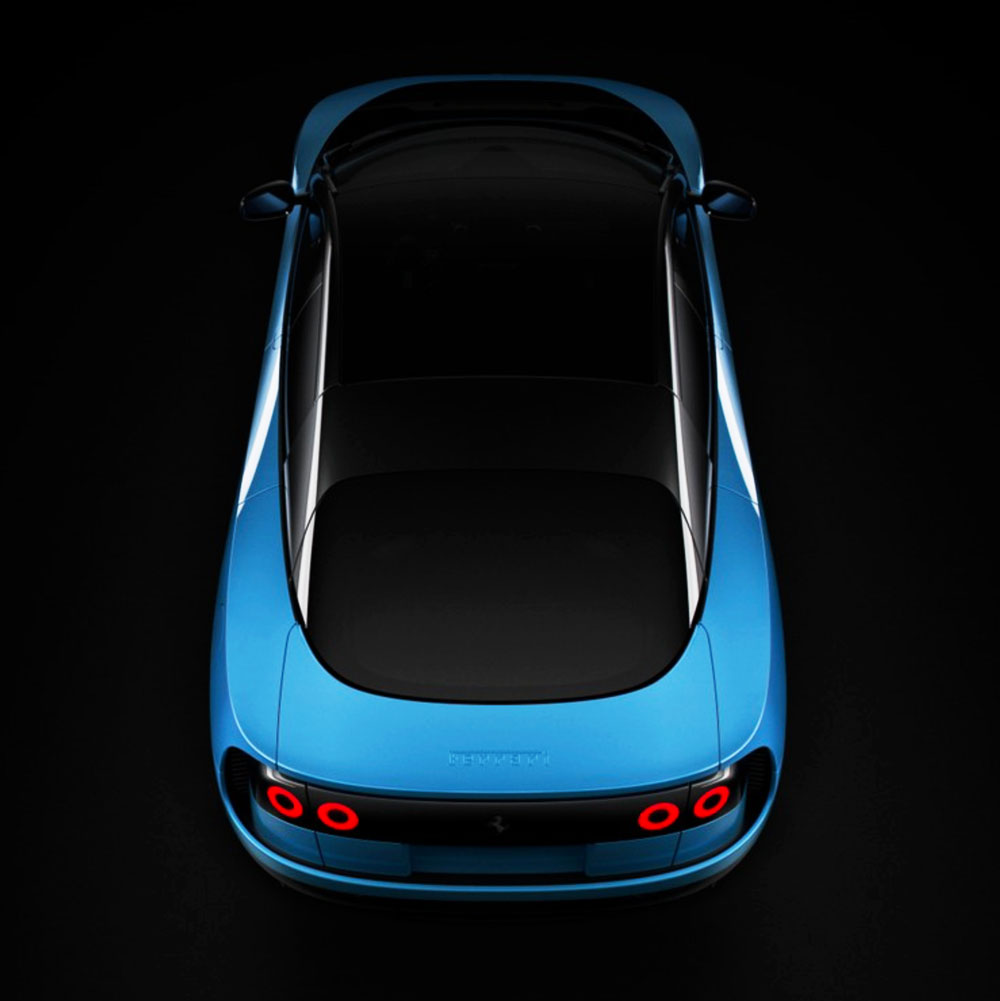
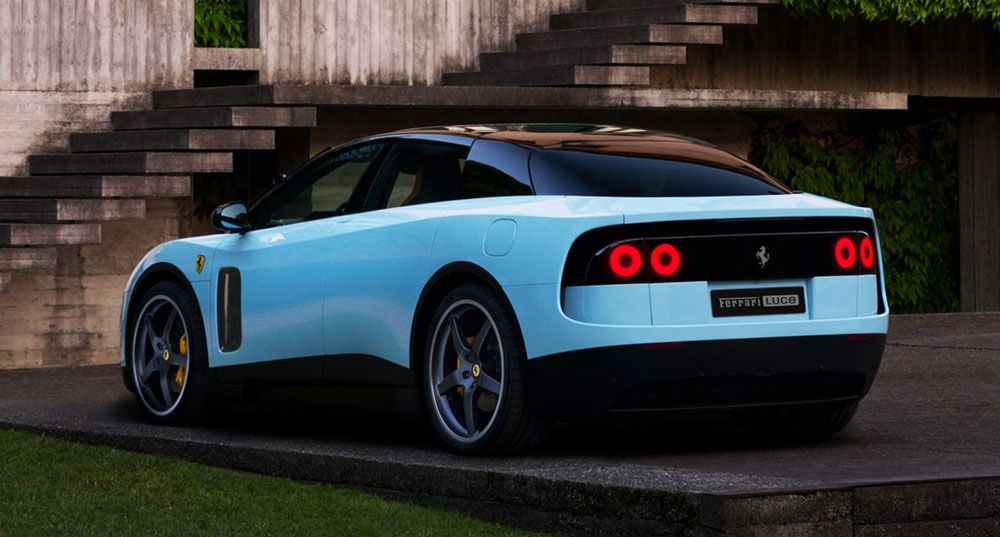
The design of the Luce was shaped by Centro Stile Ferrari, Ferrari’s in-house design team, in collaboration with LoveFrom, the creative collective led by Sir Jony Ive and Marc Newson. Ive is best known for defining much of Apple’s modern design language, while Newson has worked across furniture, watches, aviation, luxury objects, and industrial design.
Their involvement gives the Luce a cleaner, more architectural character than many expected from Ferrari. The car’s cab-forward proportions, glass-heavy upper body, smooth surfacing, and restrained detailing move it away from the more muscular forms traditionally associated with Maranello. It looks futuristic, but not in the usual overstyled EV way. It is more polished object than shouty spaceship.
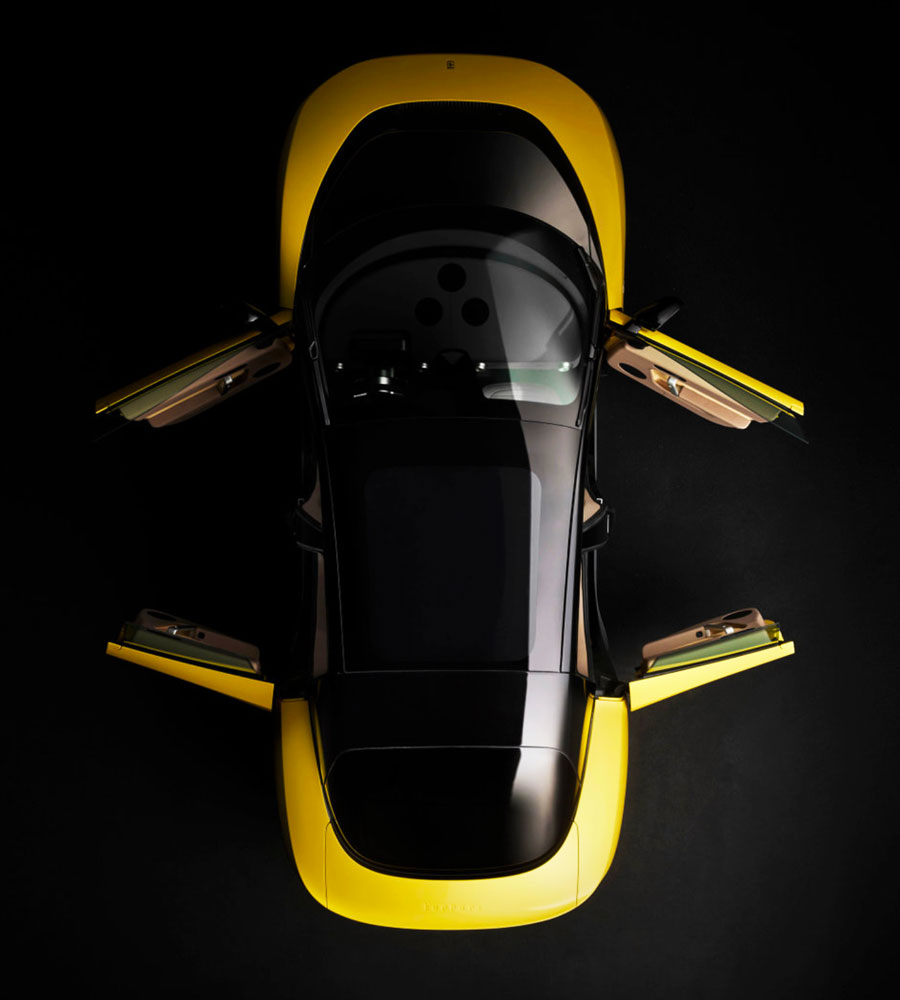
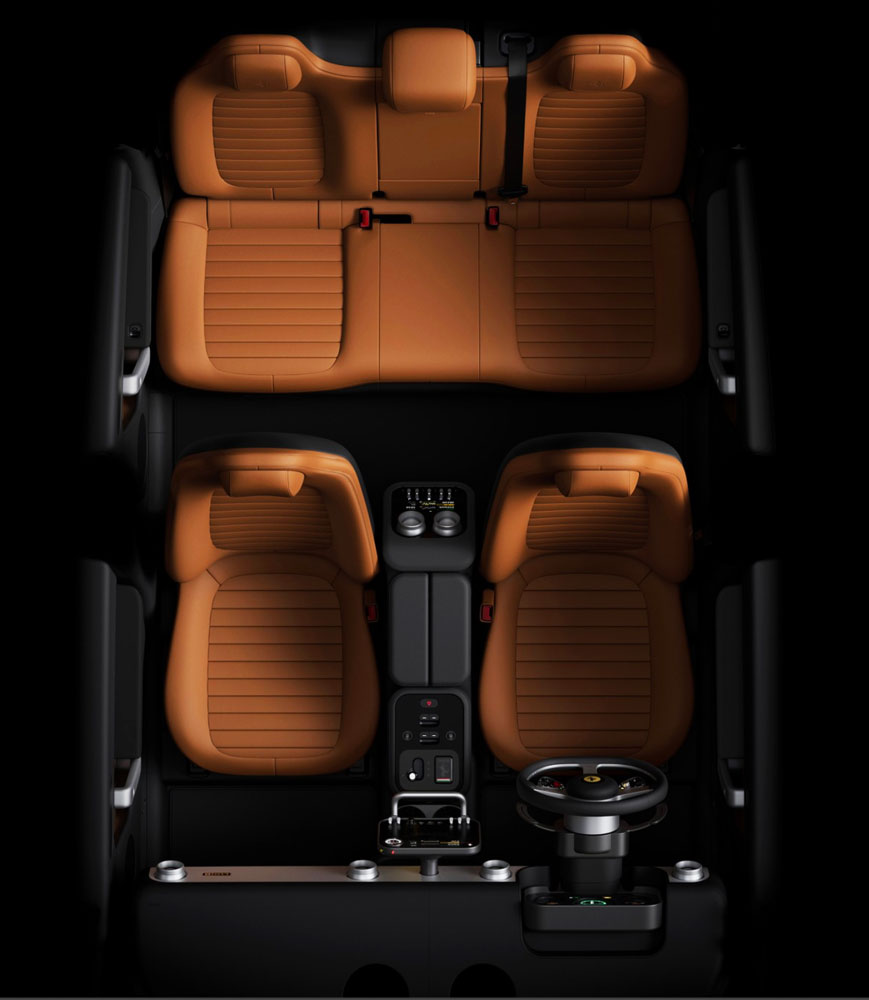
That outside perspective is part of what makes the Luce interesting. Ferrari did not simply ask its designers to make an electric version of an existing model. It brought in two of the most recognizable names in contemporary product design to help define what an electric Ferrari should feel like from the beginning — not just from the driver’s seat, but as a luxury object.
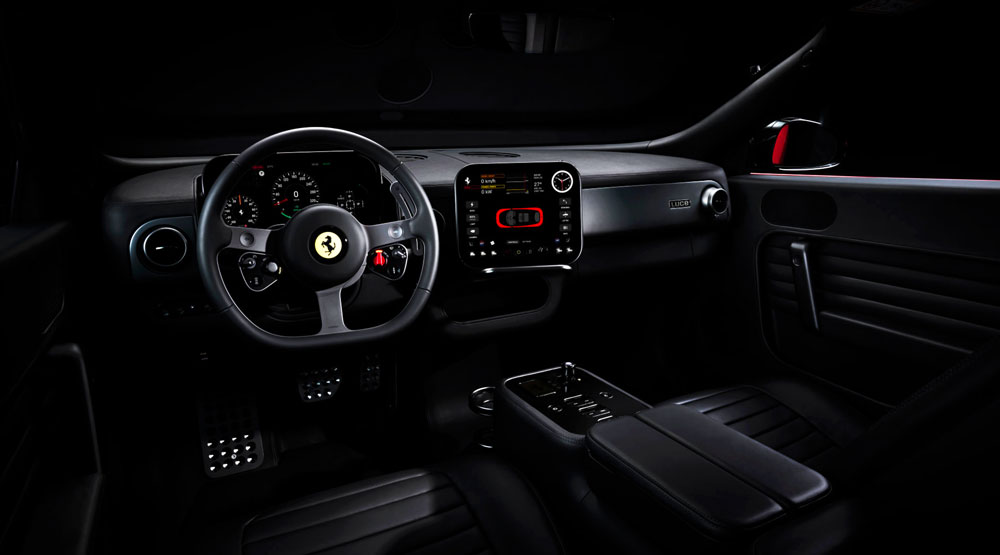
Inside, the same philosophy continues. The cabin mixes digital displays with physical controls, avoiding the full touchscreen takeover that has made some modern EV interiors feel like rolling tablets. That matters because Ferrari drivers still expect tactility. The Luce may be electric, but it still needs switches, surfaces, and gestures that make the driver feel connected rather than buried in menus. Ferrari without feedback would be espresso without caffeine — technically possible, spiritually suspicious.
Power Without the Usual Soundtrack
Underneath the Luce is a dedicated electric setup with four electric motors, one for each wheel. Total output is listed at more than 1,000 horsepower, giving the car serious performance credentials despite its larger, more practical body.
Ferrari claims a top speed above 310 km/h, with range of more than 500 km. The Luce is also expected to begin deliveries in the fourth quarter of 2026, with European pricing around €550,000. That puts it deep into ultra-luxury territory, even before buyers start doing what Ferrari buyers do best: adding options with the emotional restraint of someone ordering dessert after dessert.
The numbers are serious, but numbers alone are no longer enough. High-horsepower EVs are not rare anymore. Ferrari’s real challenge is not making an electric car fast. It is making an electric car feel like a Ferrari.
The Sound Problem
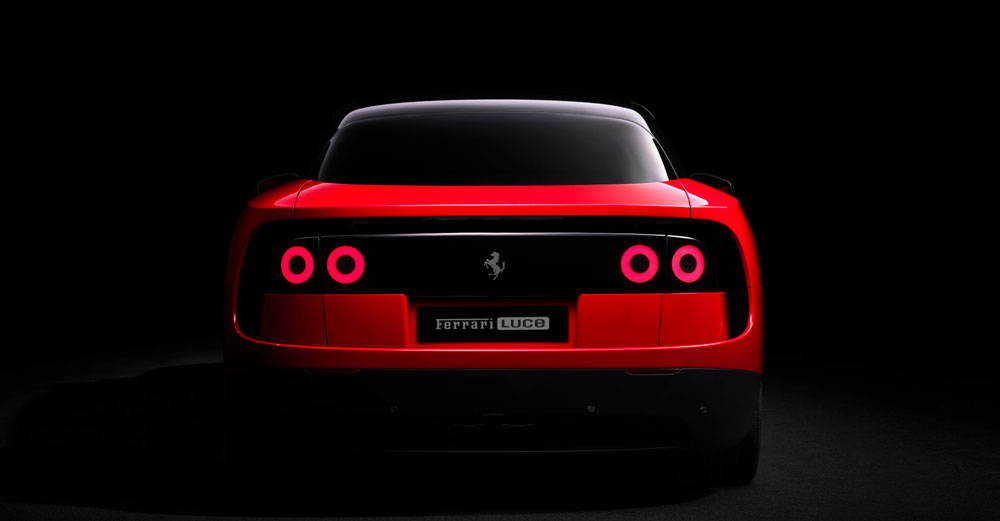
Every electric performance car faces the same question: what replaces the engine?
Ferrari knows its soundtrack is part of the product. A screaming V12, a sharp V8, even the hybrid punch of the SF90 — these are not just power sources, they are emotional signatures. With the Luce, Ferrari has avoided simply leaning on fake engine noise. Instead, the car uses a system that captures and amplifies natural mechanical vibration from the electric powertrain.
That detail matters. It suggests Ferrari understands that authenticity still counts, even in an EV. The Luce may not howl like an 812 Superfast, but it is not meant to be mute either. It is trying to create a new kind of Ferrari feedback loop: vibration, torque, sound, steering response, and chassis control all working together without relying too heavily on nostalgia.
In other words, Ferrari is not pretending the EV is a combustion car. It is trying to make electricity dramatic. That is the assignment.
Why This EV Matters
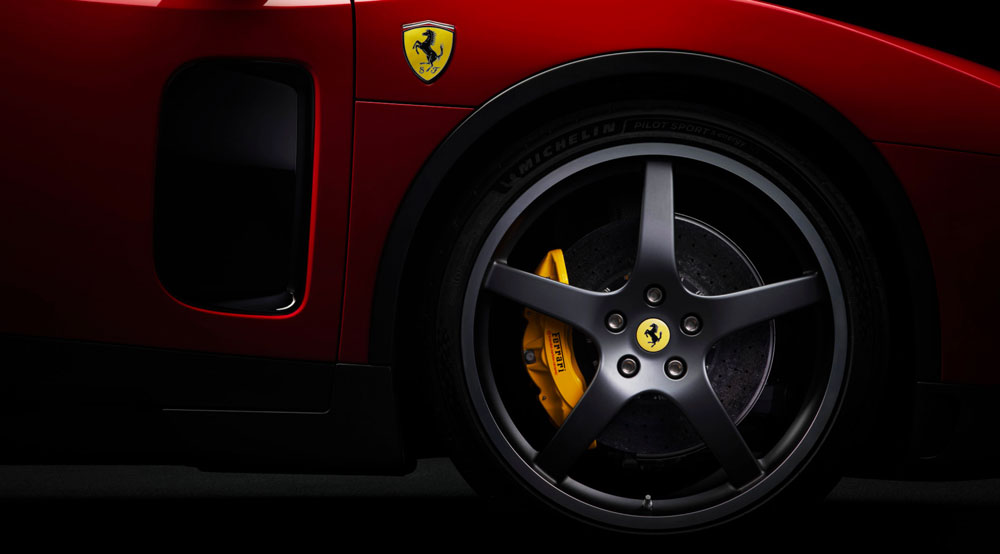
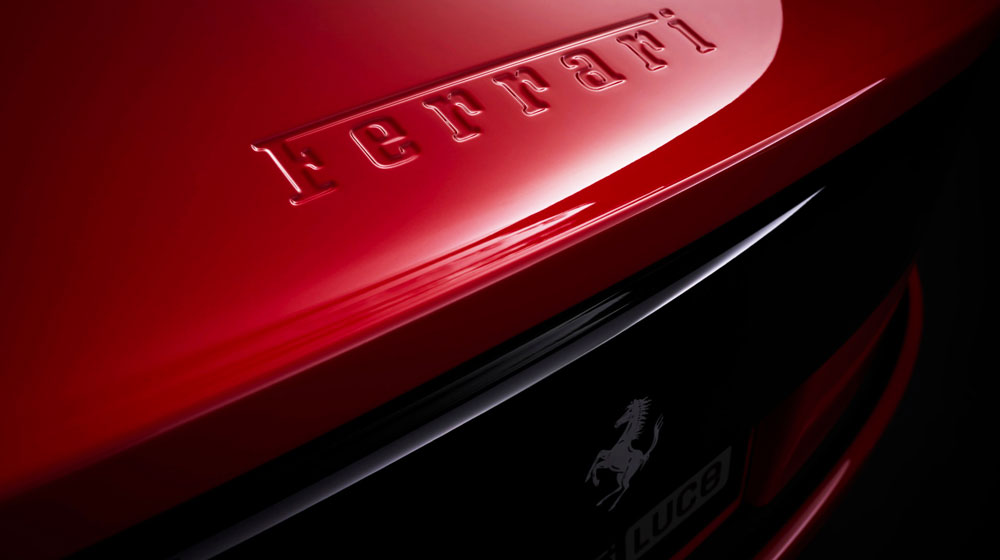
The Luce arrives at a complicated moment for electric performance cars. The broader EV market is still growing, but the ultra-luxury performance segment has been uneven. Some buyers want electric speed and future-facing technology. Others remain deeply attached to combustion engines, mechanical noise, and the rituals that come with traditional supercars.
That makes the Luce more than a product launch. It is Ferrari testing how far its badge can stretch.
For buyers the Luce could make sense as a new kind of status EV: rare, fast, expensive, highly designed, and unmistakably positioned above the mainstream electric luxury field. In cities where EVs already fit the lifestyle, it gives Ferrari a model that feels usable without losing the theatre of arrival.
But the risk is obvious. Ferrari customers are not just buying acceleration. They are buying history, emotion, sound, smell, touch, and the feeling that the machine is doing something special beneath them. The Luce has to prove that an electric Ferrari can deliver more than launch-control party tricks.
A New Kind of Ferrari Buyer
The Luce also points toward a different customer. This is not only a car for the traditional Ferrari collector who keeps a naturally aspirated V12 polished under soft garage lighting. It is also aimed at the younger, tech-comfortable luxury buyer who may already own an EV, live between major cities, and see design as part of performance.
That does not mean Ferrari is abandoning its loyalists. It means Maranello is broadening the garage.
The Luce gives Ferrari a way to speak to buyers who want quiet power, advanced technology, everyday usability, and unmistakable status. It also gives the brand a bridge into markets where electric luxury is becoming more relevant, especially among clients who see combustion as one chapter of performance rather than the whole book.
Where It Fits in Ferrari’s Future
The Luce does not mean Ferrari is walking away from combustion overnight. The smarter path is a mixed one: internal combustion, hybrid, and fully electric models living together across the lineup. Ferrari does not need to become Tesla in a tailored Italian suit. It needs to remain Ferrari while expanding the ways Ferrari performance can be delivered.
That is why the Luce is best understood as a new branch of the family tree. Not a replacement for the V12. Not a substitute for a mid-engine berlinetta. Not the end of the Ferrari soundscape. Instead, it is the first serious attempt to define what Maranello looks like when performance is measured in volts as much as revs.
MaxTake
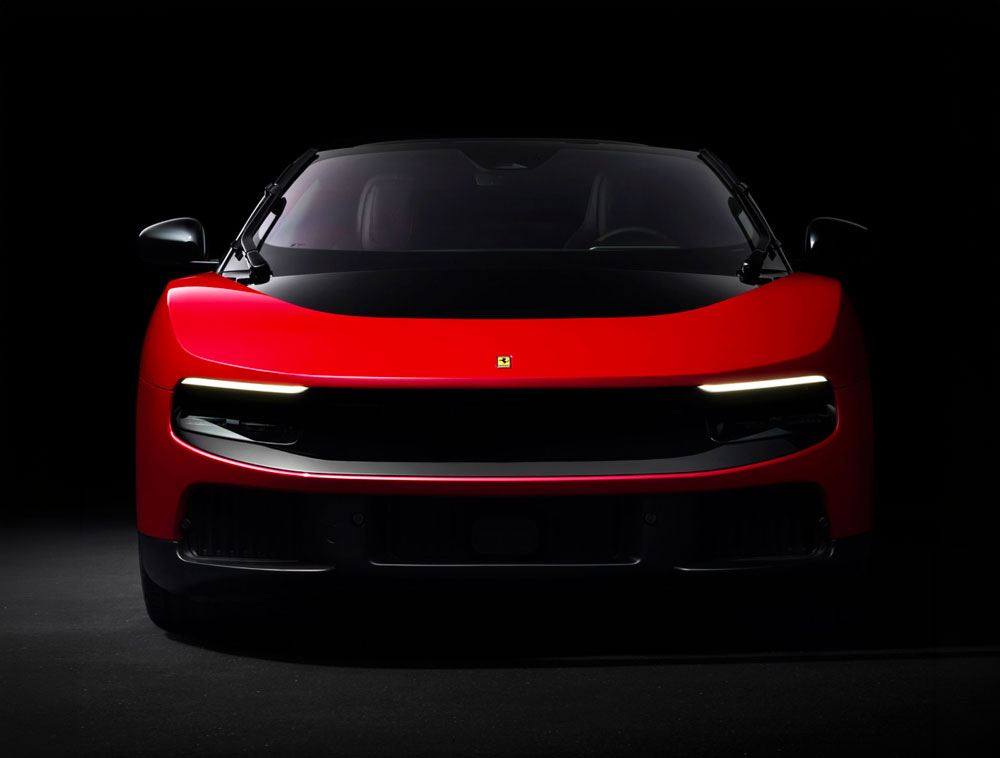
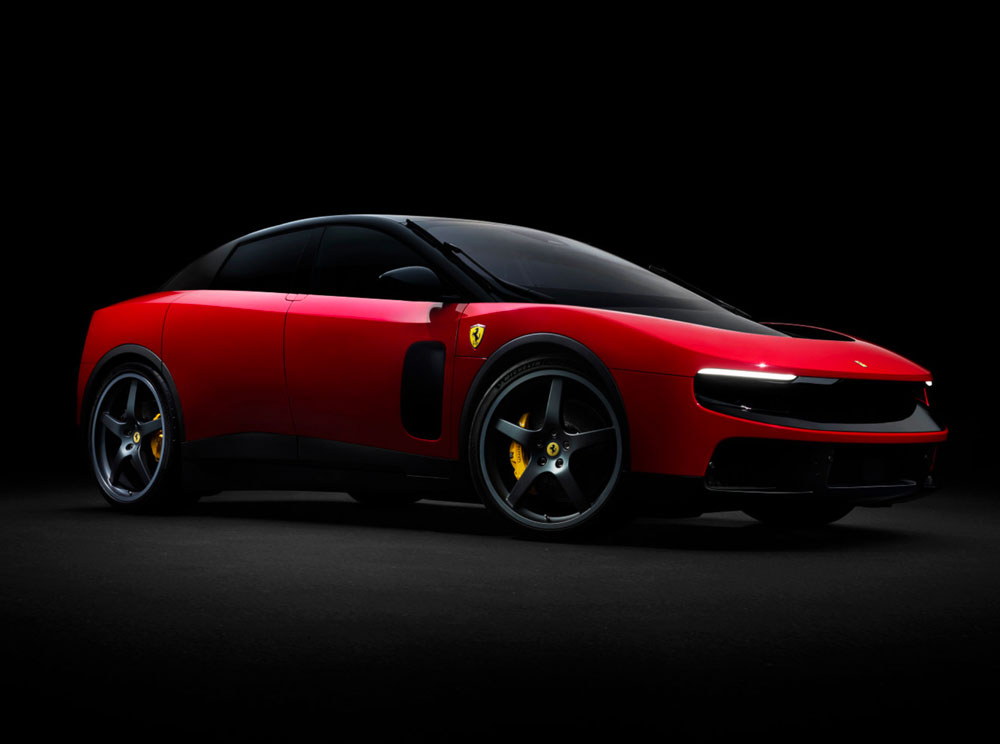
The Ferrari Luce is one of the most important cars Maranello has introduced in decades. It is fast, expensive, technically ambitious, and deliberately different — all very Ferrari, even if the soundtrack has changed. The collaboration with Centro Stile Ferrari, LoveFrom, Jony Ive, and Marc Newson gives it a design story that reaches beyond the usual supercar world and into the future of luxury objects.
The challenge is not whether Ferrari can build a quick EV. Of course it can. The real test is whether the Luce can make electricity feel emotional enough to deserve the Prancing Horse. If it succeeds, Ferrari will not just have built its first EV. It will have built the blueprint for the next era of exotic performance.