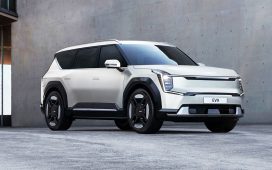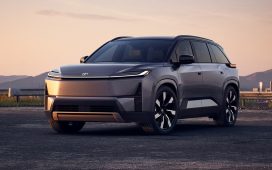
Solid-state batteries are back in the EV spotlight, and this time the conversation feels more serious than the usual “next big thing” cycle. Toyota is targeting BEVs with all-solid-state batteries around 2027–2028, Nissan says it aims to launch EVs with in-house all-solid-state batteries by fiscal year 2028, BMW is already testing all-solid-state cells in an i7 prototype, and Stellantis has begun road-testing Factorial solid-state battery technology in a Dodge Charger Daytona development vehicle.
That is real progress. But it is not the same thing as saying every EV will suddenly charge in minutes, drive farther than a gas car, and cost less by the end of the decade. Solid-state is getting closer. The hype still needs a seatbelt.
Why Solid-State Batteries Matter
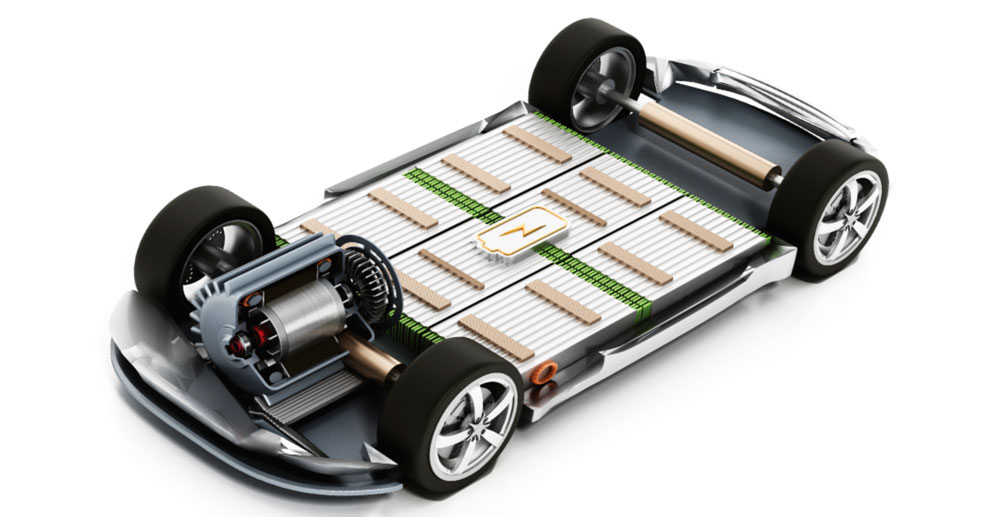
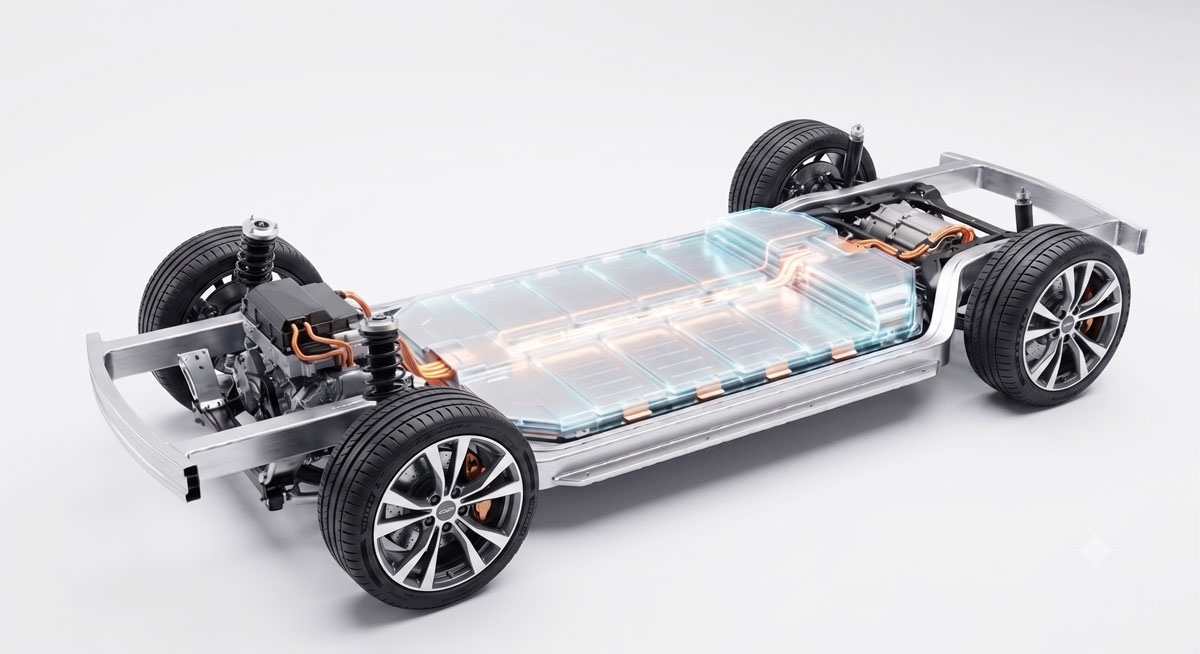
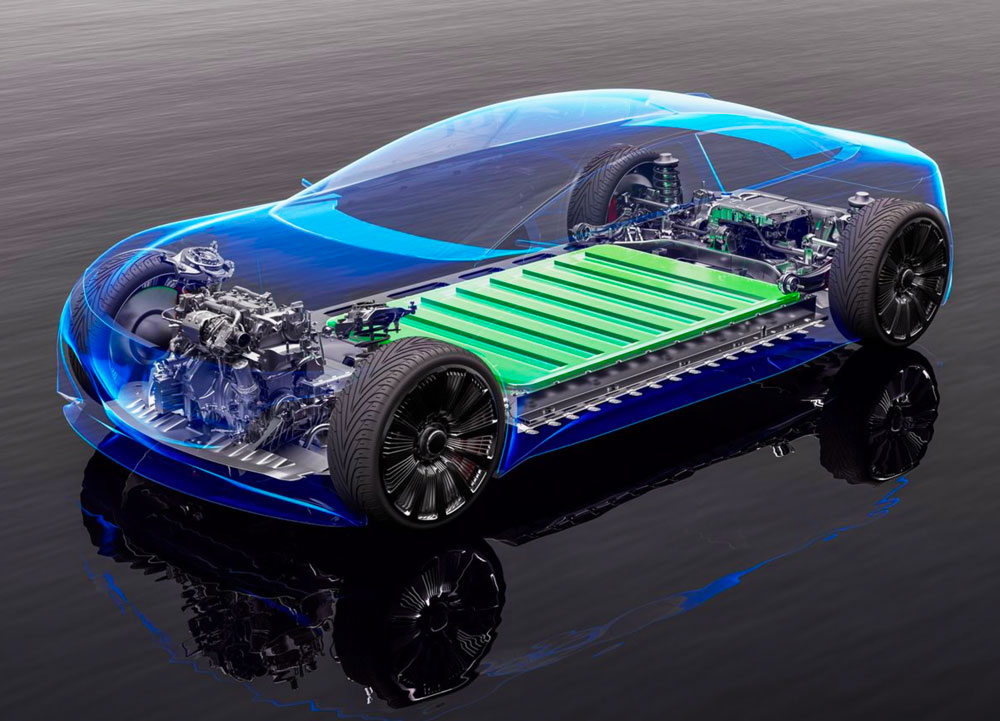
The basic promise is simple: replace the liquid electrolyte used in today’s lithium-ion batteries with a solid electrolyte. That shift could allow batteries to become smaller, lighter, safer, faster-charging, and more energy-dense.
For EV drivers, the dream version sounds almost too good:
• Longer driving range without a larger battery pack
• Faster charging stops
• Lower battery weight
• Better durability over time
• Improved safety because of reduced liquid-electrolyte risk
• More packaging freedom for automakers
That is why solid-state has become the battery story everyone wants to win. It could change how electric cars are designed, not just how far they go.
The Reality: Early Rollouts Will Be Limited
The first wave of solid-state EVs will probably not be cheap city cars or mass-market crossovers. More likely, they will appear in demonstration fleets, performance models, luxury vehicles, or limited-production halo cars.
That matters. A test vehicle is not the same as a dealership-ready product. A prototype cell working in a controlled environment is not the same as millions of cells surviving heat, cold, potholes, fast charging, warranty claims, and daily abuse from real owners who do not care about lab conditions. Nor should they. Cars are not science fair projects with leather seats.
Stellantis and Factorial’s Dodge Charger Daytona development vehicle is a strong sign that solid-state is moving out of the lab, especially with road testing now underway. But even that is part of a staged validation process, not a signal that solid-state batteries are about to flood the market overnight.
Toyota, Nissan, BMW, and Stellantis Are Pushing the Timeline
Toyota remains one of the most watched players. The company has said it is aiming for BEVs with all-solid-state batteries in 2027–2028, with work focused on cathode durability, performance, safety, quality, and cost reduction.
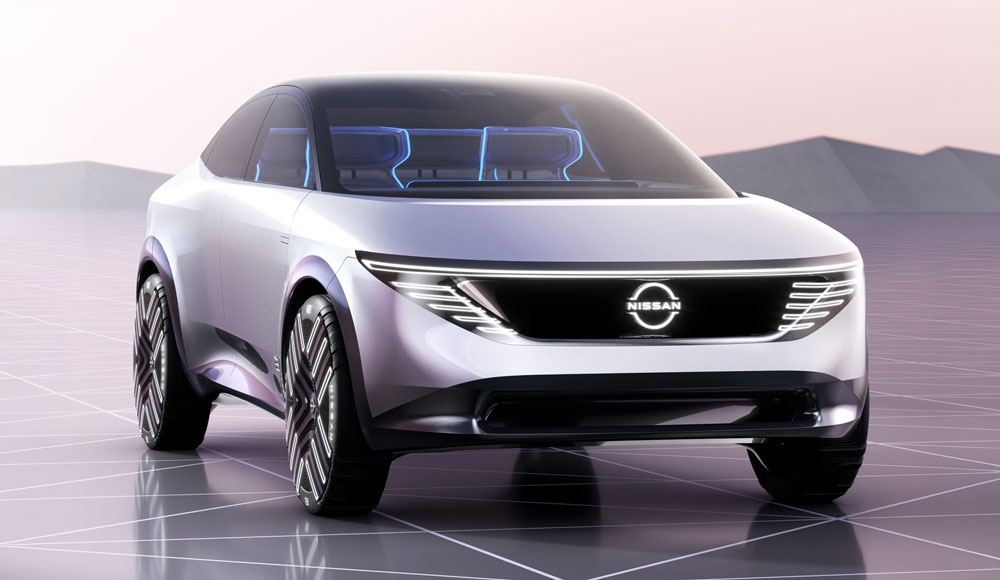
Nissan has also been unusually specific. It began operating its all-solid-state battery pilot line in January 2025 and says it aims to launch EVs equipped with in-house developed all-solid-state batteries by fiscal year 2028.
BMW is taking a different route by testing large-format all-solid-state cells from Solid Power in a BMW i7 test vehicle around Munich. That is important because it moves the conversation from cell chemistry into vehicle integration, where thermal management, packaging, software, and safety systems become just as important as battery chemistry itself.
Stellantis, meanwhile, is using Factorial’s technology in a Dodge Charger Daytona development vehicle, with the company highlighting prior cell validation of 375 Wh/kg energy density and fast charging from 15% to 90% in 18 minutes.
Together, these moves suggest the industry is past the pure concept stage. But they also show how cautious the rollout is likely to be.
The Big Obstacles Still Matter
Solid-state batteries have to beat today’s lithium-ion batteries not only on performance, but also on cost, reliability, manufacturability, and warranty confidence. That is the hard part.
Today’s lithium-ion batteries are not standing still. LFP batteries are getting cheaper and more durable. High-nickel chemistries continue to improve. Charging networks are expanding. Software and thermal management are getting smarter. Solid-state is not racing against old technology. It is racing against an industry that keeps improving while solid-state tries to scale.
The toughest challenges include:
• Producing cells consistently at high volume
• Preventing material degradation over repeated charging cycles
• Managing cost against increasingly affordable lithium-ion packs
• Proving real-world durability across climates
• Integrating the battery into full vehicle platforms
• Building supply chains for specialized materials
This is why the breakthrough may arrive in stages. First, limited testing. Then premium models. Then broader rollout if costs fall and manufacturing stabilizes.
What It Means for EV Buyers
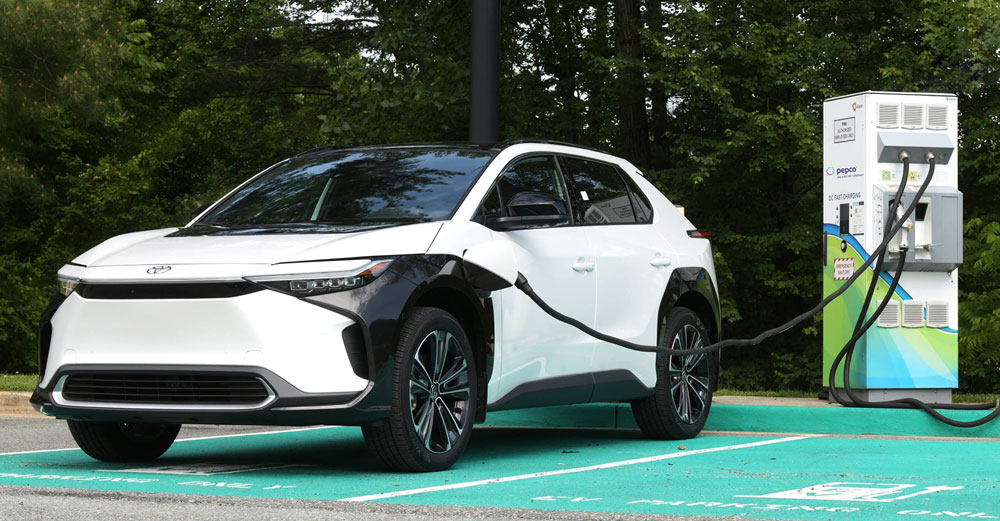
For buyers in North America and Europe, solid-state batteries may eventually make long-distance EV travel feel more natural, especially if charging speeds improve without damaging battery life. For colder markets like Canada and northern Europe, the big question will be how the technology performs in winter, not just how it looks on a spec sheet.
For Saudi Arabia and the UAE, solid-state could become especially important because heat management is a major EV concern in Gulf climates. A battery that can deliver strong performance, faster charging, and better durability in high temperatures would have clear appeal, especially for luxury SUVs, performance cars, and long-distance highway travel.
But buyers should be careful with the waiting game. If someone needs an EV now, today’s best models are already usable, fast, and increasingly refined. Waiting for solid-state could mean waiting years for something that first appears in expensive, limited numbers. The future is coming, but it may arrive wearing a luxury badge before it reaches the family driveway.
Automakers Will Use Solid-State Strategically
Solid-state batteries will not just be about range. Automakers may use them in different ways depending on the vehicle.
A luxury sedan could use solid-state for ultra-long range. A sports car could use it to reduce weight. An SUV could use it to improve charging and towing confidence. A city EV could eventually use it to shrink battery size while keeping usable range intact.
That flexibility may be the real prize. The best solid-state EV may not be the one with the biggest range number. It may be the one that feels lighter, charges faster, takes up less space, and still costs a sane amount of money. Wild concept, apparently.
The Hype Needs Discipline
The EV industry loves a miracle headline. Solid-state batteries have been called game-changing for years, and in some ways, they might be. But “closer” does not mean “solved.”
The smarter view is this: solid-state batteries are becoming credible, but they are not yet a mass-market reset. The next few years will be about proving the technology in real cars, under real conditions, at real cost.
That does not make the story less exciting. It makes it more important. The battery race is no longer just about who can make the boldest promise. It is about who can make the technology work at scale.
MaxTake
Solid-state batteries are no longer just EV folklore, but they are not magic either. Toyota, Nissan, BMW, Stellantis, and their battery partners are pushing the technology closer to production, yet the first real-world applications will likely be limited, expensive, and carefully controlled. The long-term potential is huge: faster charging, longer range, lighter packs, and better packaging. But the real breakthrough will not be a press release. It will be the first solid-state EV that ordinary drivers can buy, trust, charge, and afford.