Electric SUVs have proved that battery power can move a family, its luggage and even a trailer. The harder question is how to do it without making the vehicle so heavy, bulky or energy-hungry that everyday driving becomes a trade-off between room and range. For automakers, the next test is to make efficiency part of the family experience: useful space, dependable range and charging that fits naturally into a long day on the road.
Range Starts With the Whole Vehicle
A larger battery can extend a vehicle’s range, but it also adds weight, takes up space and requires more energy to move. That creates a cycle automakers have to manage carefully: adding battery capacity may help with range, while the extra mass can work against efficiency. The goal is not simply to install the biggest pack possible. It is to make the battery, motors, body and software work together so the SUV uses its stored energy well.
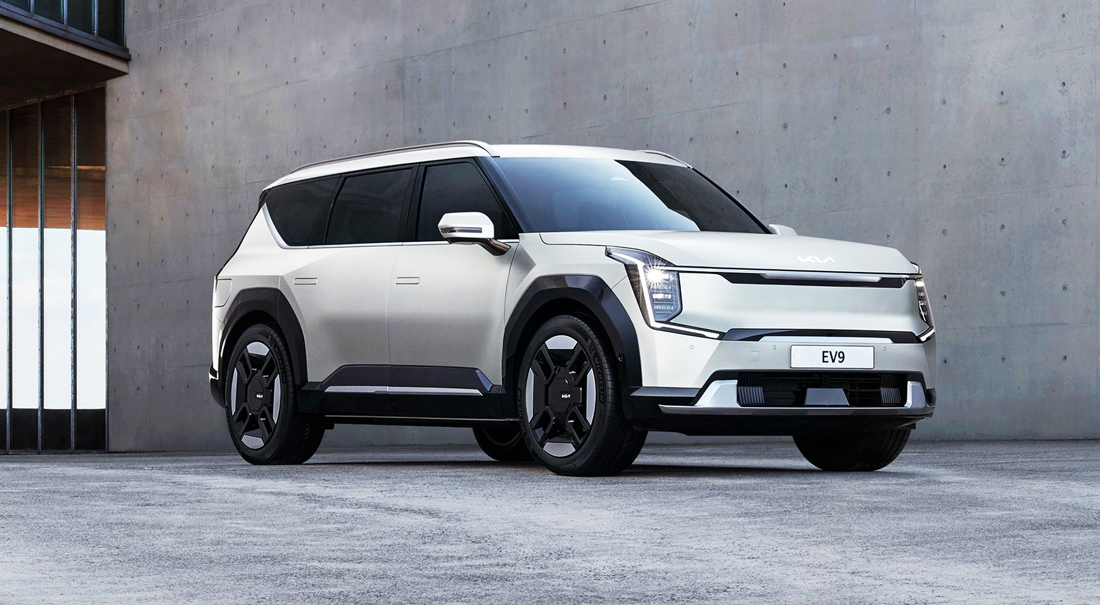
The three-row Kia EV9 illustrates the scale of the challenge. Depending on trim, its 2025 US specifications list battery packs from 76.1 to 99.8 kWh, curb weights from about 5,093 to 5,840 pounds and cargo capacity of 20.2 cubic feet behind the third row. Those figures describe a vehicle designed to carry people and their belongings, but they also show why efficiency can’t be judged by battery size or range alone.
Space Has to Earn Its Place
Families need room that works in real life: a third row that can accommodate passengers, storage for bags when every seat is occupied, and a cargo area that expands without turning the cabin into a puzzle. Electric platforms can help designers create a flat floor and make better use of the space between the axles. But larger bodies and more seats still bring weight, and the upright shape that helps provide headroom can increase aerodynamic drag.
That makes packaging a central engineering challenge. A more efficient SUV should preserve the practical features people bought it for, while avoiding excess bulk and weight. Careful use of lightweight materials, compact electric-drive components and a thoughtfully shaped body can help. So can offering seating and storage configurations that suit different households, instead of making every buyer carry the same hardware.
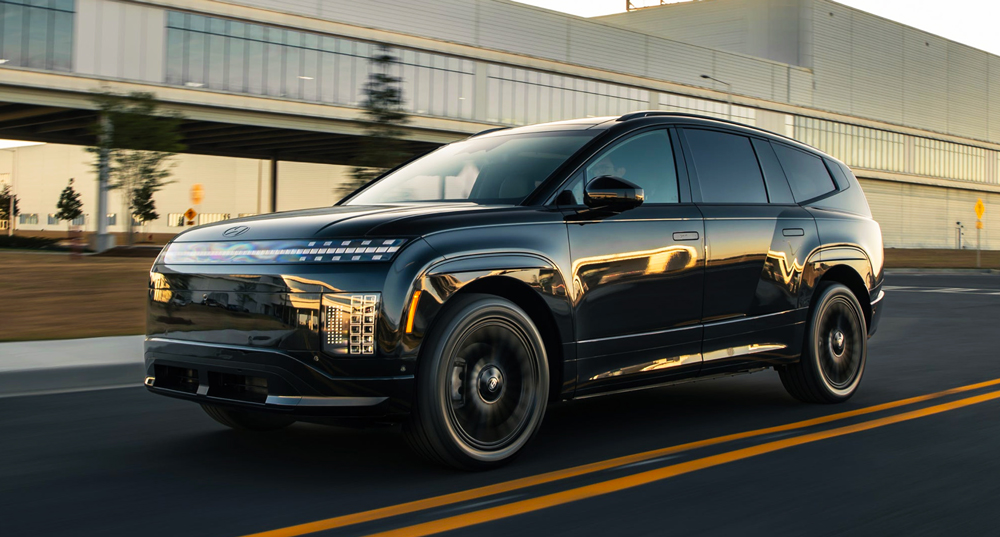
The Hyundai IONIQ 9 shows how manufacturers are pushing into this space. Hyundai lists an EPA-estimated range of up to 335 miles for its 2026 rear-wheel-drive S trim, with lower estimates for certain all-wheel-drive versions. The model offers three rows and multiple seating configurations, putting family accommodation alongside long-distance capability. As with any range figure, the specific trim and test cycle matter; buyers should compare like with like.
Everyday Efficiency Includes the Cabin
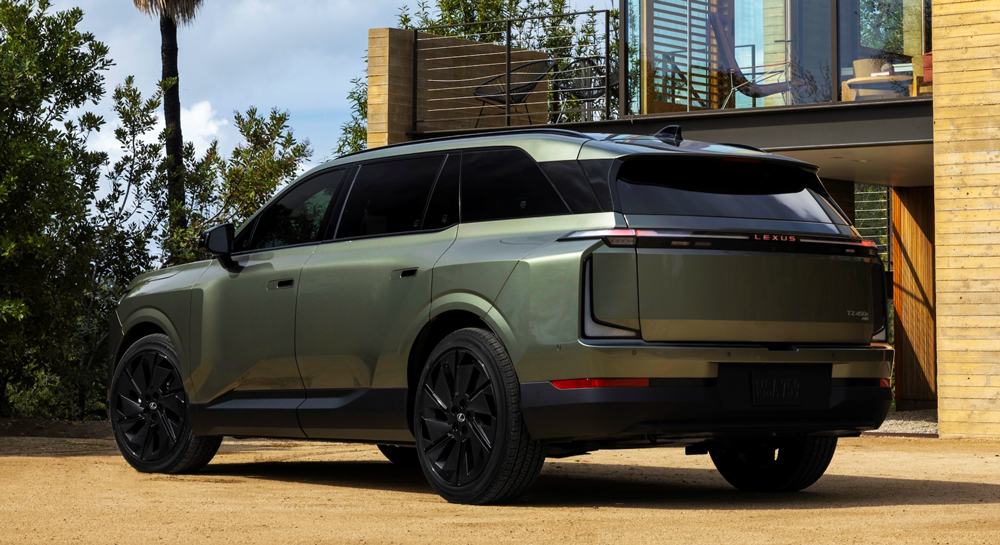
A family vehicle has to keep people comfortable in heat, cold and rain, and those needs affect energy use. Heating and cooling the cabin draw power from the battery; in cold weather, battery performance can also be affected. A heat pump can warm the cabin more efficiently than a conventional electric resistance heater in many conditions, while heated seats and a heated steering wheel can help occupants feel comfortable without relying only on cabin air.
Efficiency also depends on the details drivers encounter every day. Large wheels and tires can increase energy consumption; roof boxes and bike racks add aerodynamic drag; towing and a fully loaded cabin require more effort from the powertrain. These are normal family uses, not edge cases. Clear range estimates, effective route planning and charging stops that work with the family’s schedule are therefore part of the vehicle’s practical efficiency.
Weight, Capability and the Family Budget
Electric motors deliver strong acceleration, which can make a heavy SUV feel quick. But performance has a cost in energy, and a bigger vehicle also needs robust brakes, tires and suspension. Automakers need to decide how much power and capability a family model genuinely needs, then tune the vehicle to deliver it smoothly without encouraging unnecessary consumption.
Towing highlights the compromise. A family may want the flexibility to bring a small trailer or recreational gear, but pulling extra weight and increasing aerodynamic drag can reduce range. Manufacturers should make towing limits and their effect on driving distance easy to understand, and charging networks on common travel routes need to accommodate vehicles with trailers. Practical information matters as much as a headline range figure.
The Next Measure of Progress
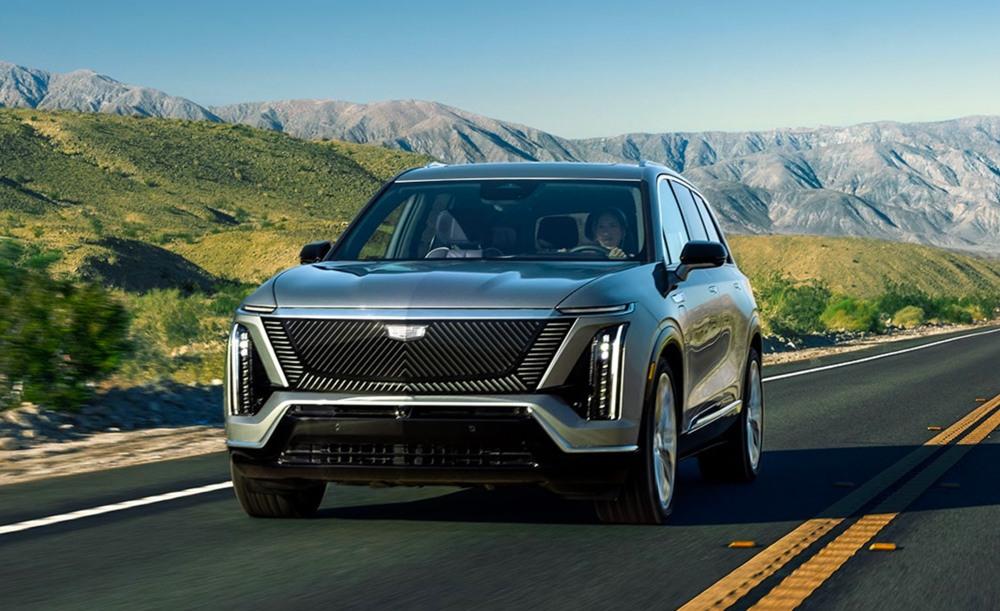
The electric family SUV is maturing beyond a simple question of whether it can travel far enough. Buyers also need to know how much space remains with all seats in use, how the vehicle behaves in winter, how quickly it can recharge on a road trip and how much energy it uses in the configuration they plan to buy.
Automakers can improve the balance through more efficient motors, better battery management, lower-drag designs and cabin systems that use energy carefully. The strongest results will come from combining those improvements rather than relying on a larger battery to solve every range concern. That approach can make the vehicle easier to live with while limiting the weight and cost added to carry more stored energy.
MaxTake
The electric SUV’s next test is whether it can make family practicality feel effortless. Range still matters, but so do usable space, winter comfort, charging convenience and the energy cost of carrying a full cabin. The best designs will give families the room and capability they need while treating every pound and every kilowatt-hour as part of the same engineering decision.