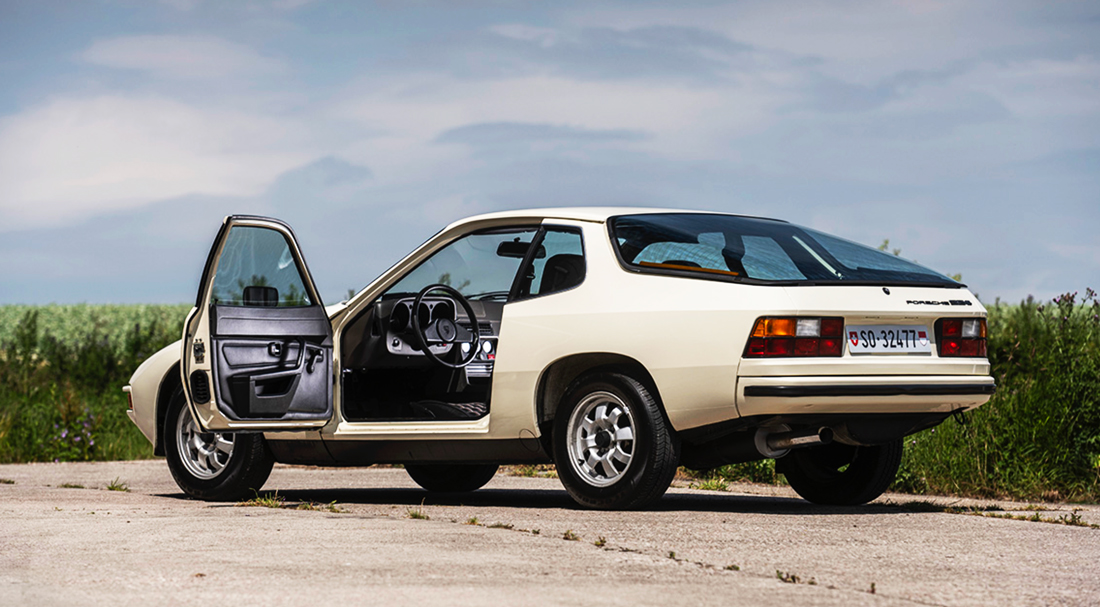
In 2026, the Porsche 924 turns 50. Its story began with a car that Volkswagen commissioned Porsche to develop, then abandoned before production. Porsche took over the project, reworked it for its own range and launched the finished sports car in 1976. The result opened a new chapter for the company: a front-engined Porsche with a rear-mounted gearbox, designed to bring balance, practicality and a different kind of driving character to the marque.
An unexpected beginning
Volkswagen’s EA 425 project began in 1972 as a proposed successor to the VW-Porsche 914. Porsche’s design called for a water-cooled four-cylinder engine up front and a transmission at the rear. By late 1974, the project had reached the pre-production stage, but Volkswagen cancelled it as it reconsidered its model plans. Porsche then acquired the rights and brought the car to market under its own name.
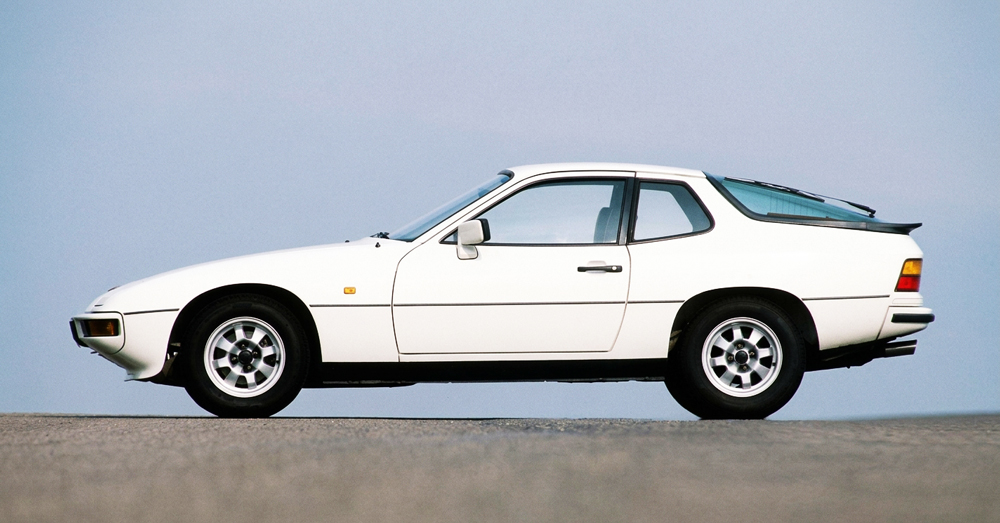
That origin has sometimes made the 924 seem like an outsider in the Porsche family. It did use existing Volkswagen components, which helped keep it accessible, and it was built at the Audi plant in Neckarsulm. But its shape, engineering concept and place in Porsche’s range gave it an identity of its own. Its broad glass hatch, clean lines and pop-up headlights made it practical as well as purposeful, while its front-engine layout marked a clear departure from the rear-engined 911.
Balance built into the layout
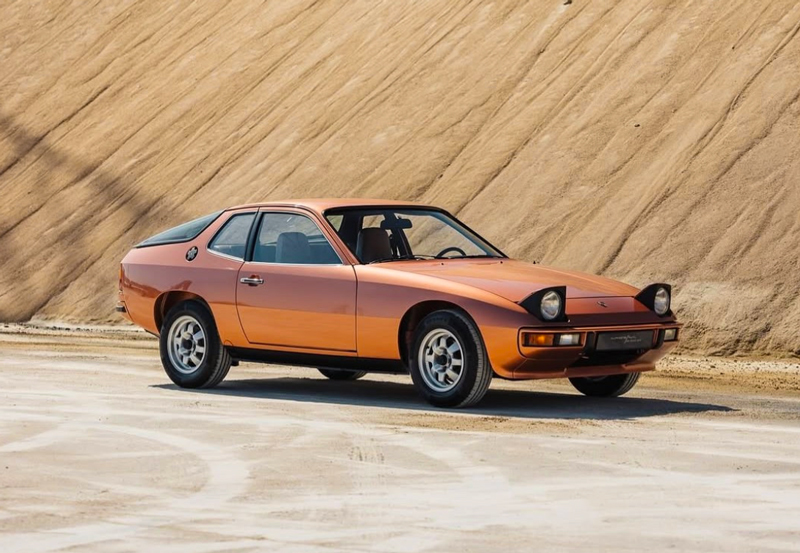
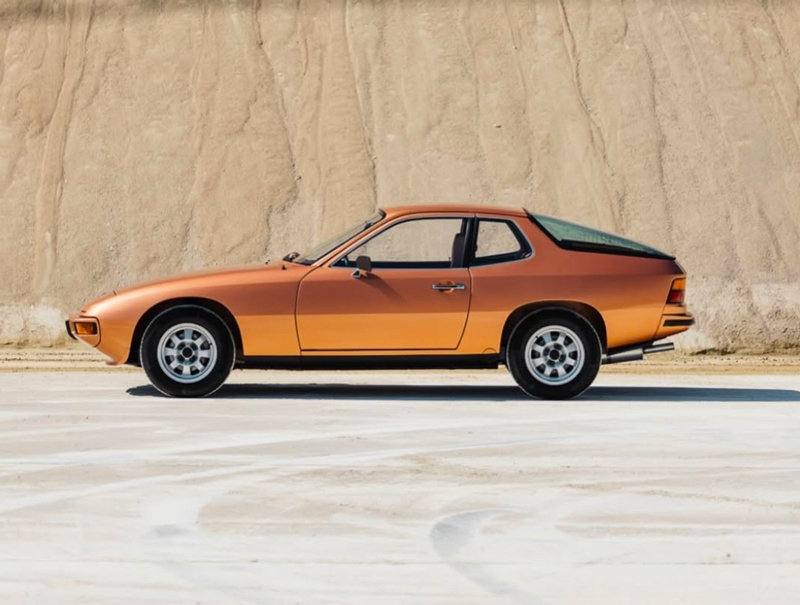
The 924’s defining feature was its transaxle arrangement. The engine sat at the front, while the gearbox and differential were mounted at the rear and linked to the engine by a driveshaft inside a rigid torque tube. Spreading the major components between the axles helped give the car balanced, predictable handling.
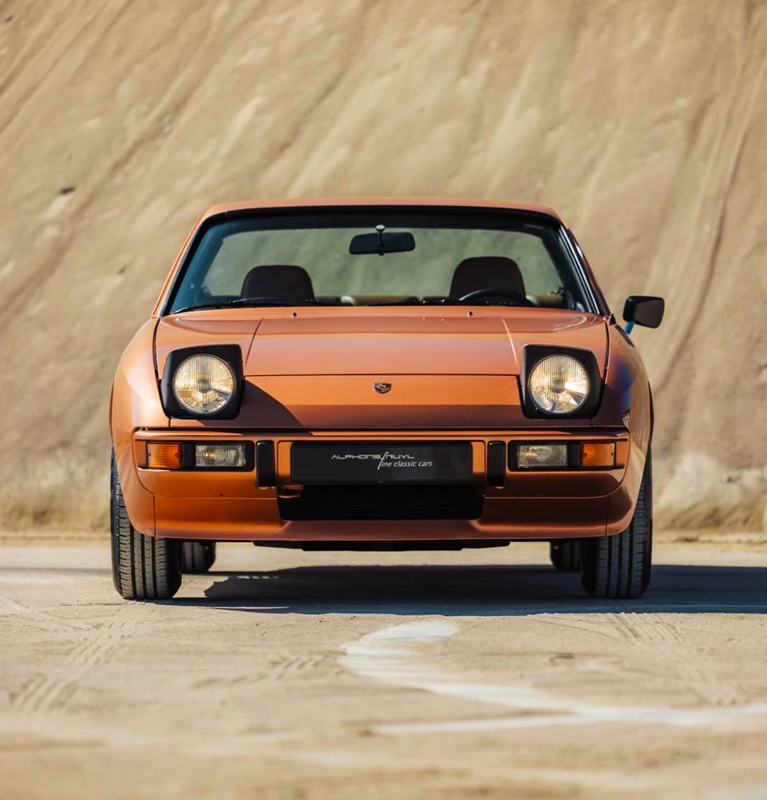
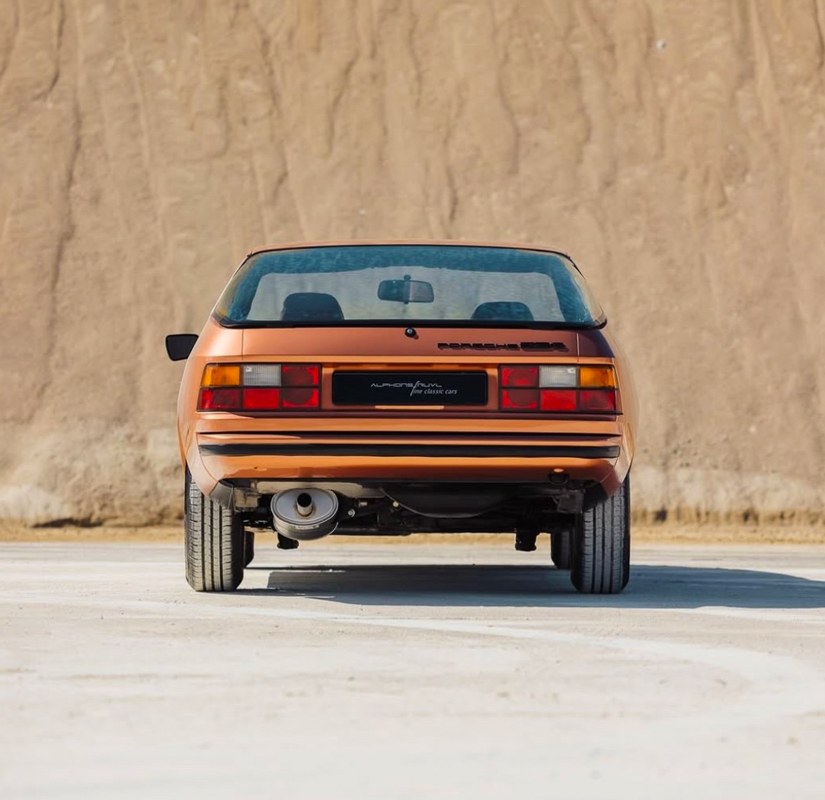
That balance suited the 924’s character. It was not built to win attention through sheer power; it invited drivers to carry speed through corners and enjoy the way the car settled into a road. The hatchback body and usable cabin also gave it a degree of everyday flexibility unusual in a sports car of the period. Porsche had created a new entry point into the brand without simply asking customers to accept a smaller version of the 911.
More than an entry-level Porsche
The 924’s range grew beyond its original brief. The 924 Turbo arrived in 1979, followed by more focused versions including the Carrera GT and Carrera GTS. These models showed how much potential Porsche saw in the basic platform. The car also proved itself in competition: the 924 won an SCCA championship in 1980, while Porsche entered racing derivatives at Le Mans.
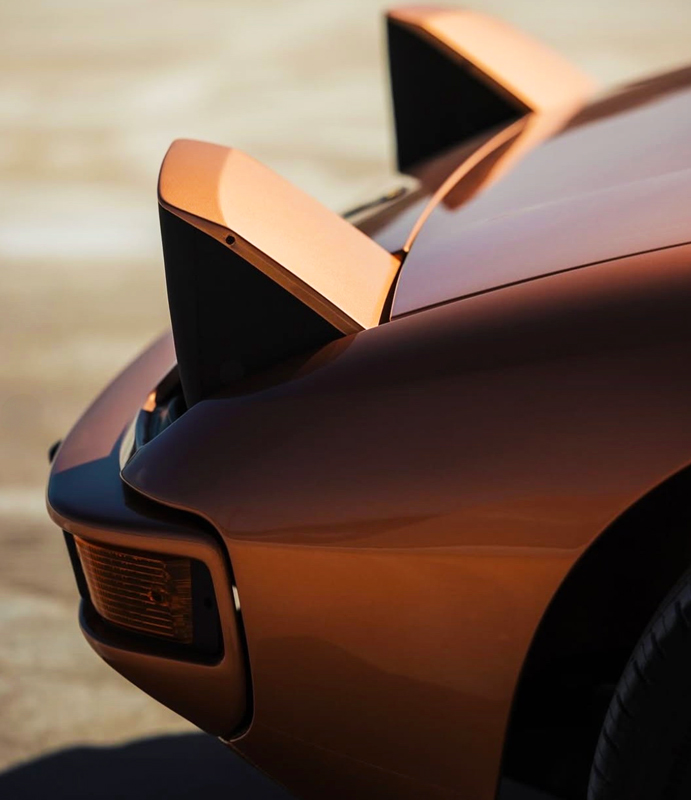
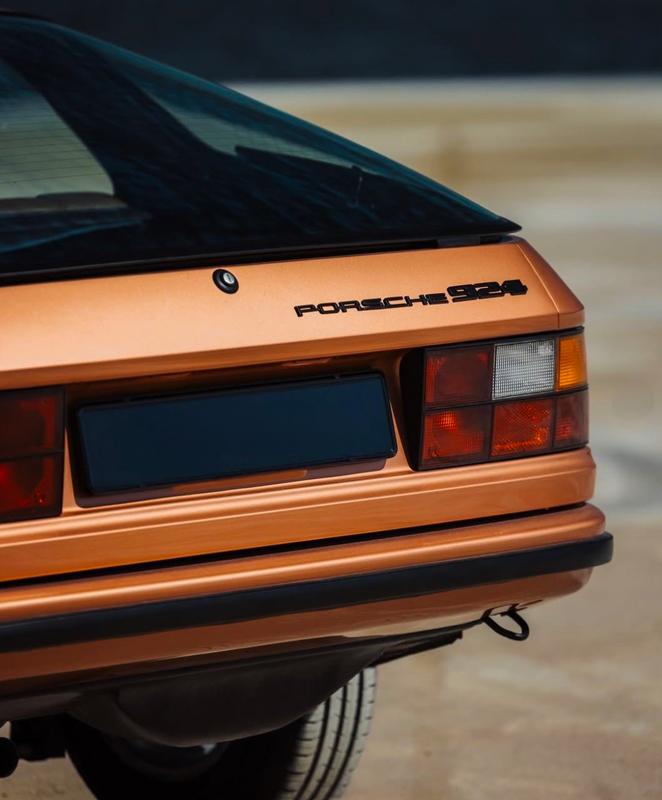
The 924 remained in Porsche’s line-up until 1988, ending its run as the 924 S. By then, its transaxle idea had helped shape a wider family of Porsches. The 928 explored the layout as a high-performance grand tourer, the 944 developed the four-cylinder formula into one of the company’s most recognisable sports cars, and the 968 brought the era to a close in 1995.
A place alongside the 911
The 924 did not replace the 911, and its importance is easier to understand once that distinction is clear. It gave Porsche a second sports-car path: front-engined, water-cooled and built around a layout that favoured balance and broad usability. That expanded the company’s reach at a time when Porsche was exploring what its future could look like.
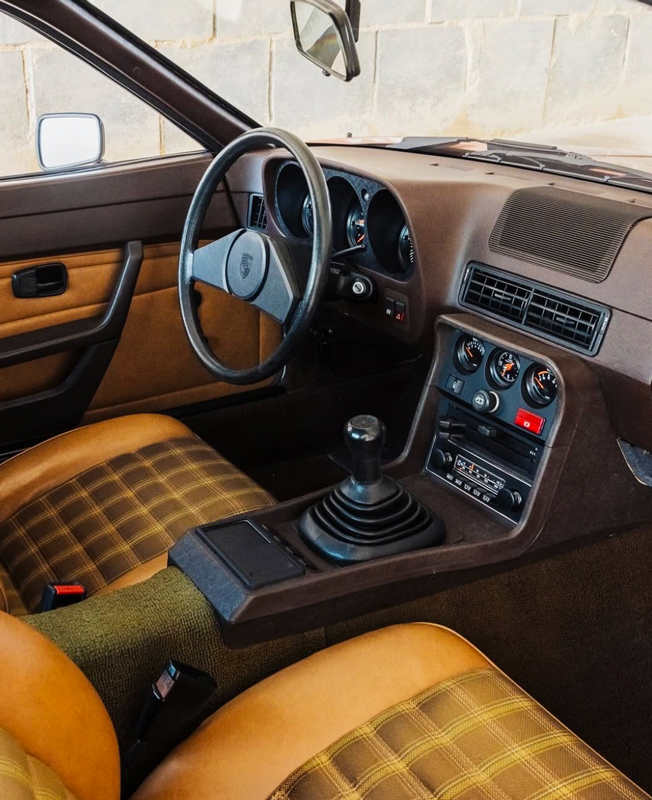
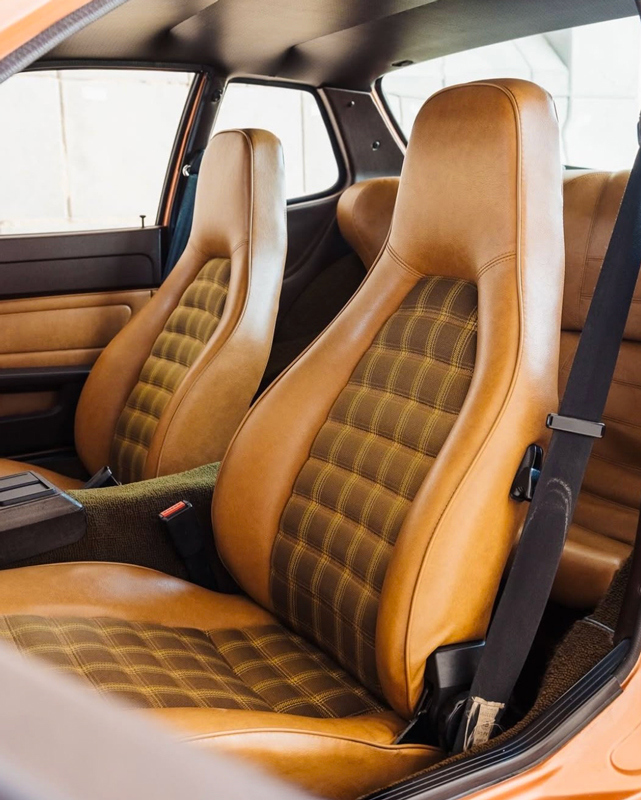
Fifty years on, the 924’s legacy rests in part on what followed. The transaxle family helped Porsche serve new customers and develop a substantial range of cars alongside its rear-engined icon. The original 924 may have arrived through a cancelled Volkswagen project, but Porsche gave the design a lasting role in its own history.
MaxTake
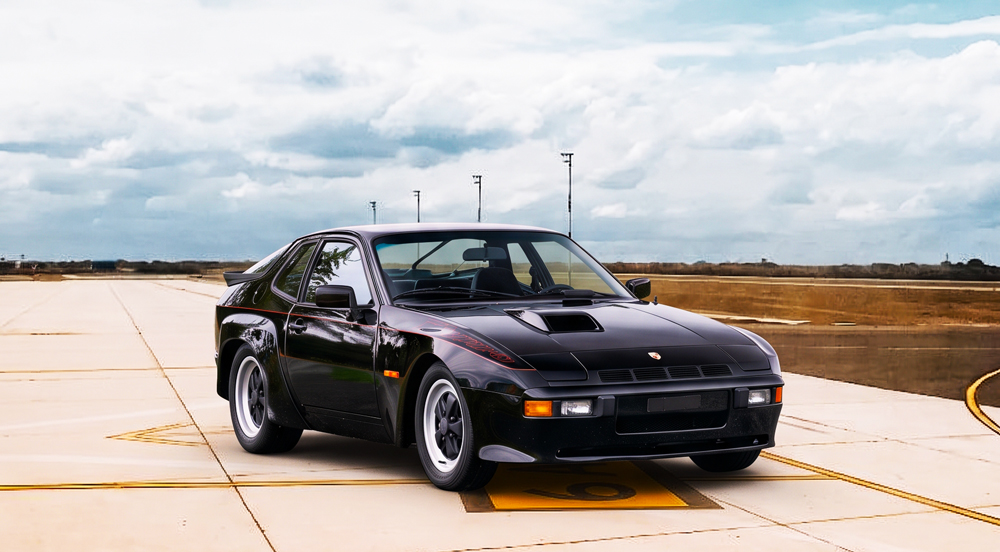
The Porsche 924 found its place by taking a different road. Its Volkswagen origins are part of the story, but they do not define the whole car. With its transaxle layout, practical shape and composed handling, it introduced a new idea of what a Porsche sports car could be—and laid the groundwork for a family that lasted nearly two decades.