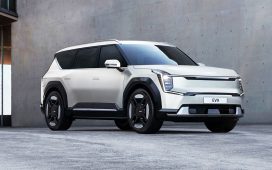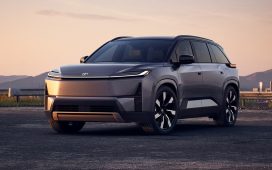
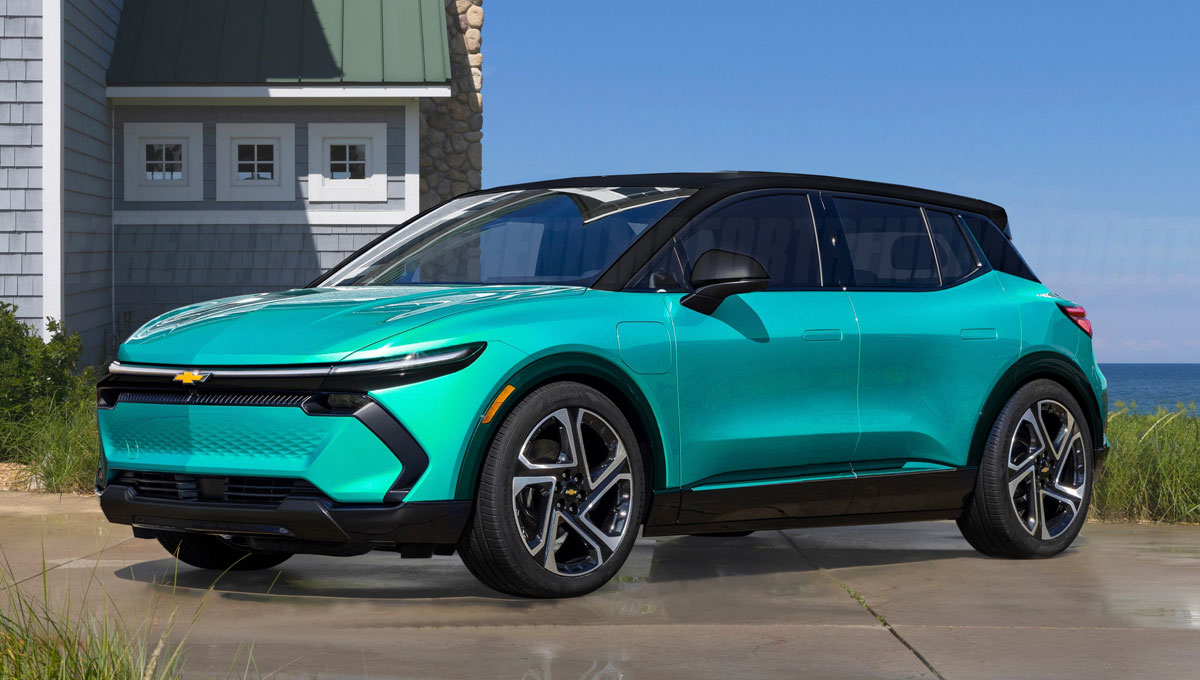
For years, the electric-vehicle industry competed through acceleration, driving range, giant screens and futuristic design. Those features helped prove that an EV could be desirable, but they did not make electrification accessible to the average buyer. In 2026, the centre of the contest has decisively shifted. The next stage of the EV market will not be won by the quickest car or the longest specification sheet. It will be won by the company that can deliver a genuinely useful electric vehicle at a price ordinary households can defend within an ordinary monthly budget.
Global electric-car sales are still expanding, with the International Energy Agency expecting approximately 23 million electric cars to be sold during 2026. Yet the market is becoming more uneven. China continues to benefit from enormous manufacturing scale and a broad selection of lower-priced models, Europe is tightening its focus on smaller and more efficient EVs, and North America is confronting the consequences of expensive vehicles, changing incentives and limited entry-level choice.
The technology race has not disappeared. It has simply been overtaken by the affordability race.
The Early EV Market Was Built From the Top Down
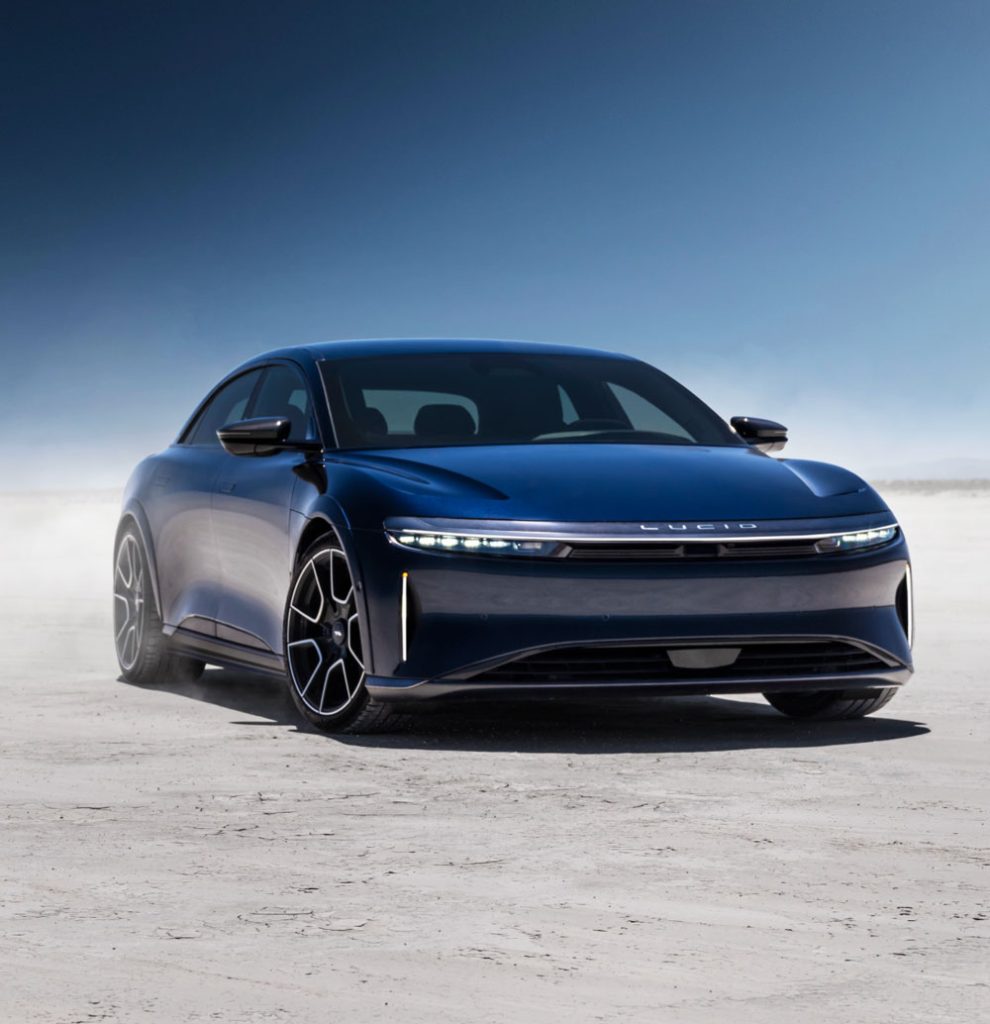
The first modern EV boom was heavily concentrated in premium segments. Manufacturers needed to recover the high cost of batteries, software platforms and new production lines, making luxury sedans, large crossovers and high-performance models the logical starting point.
That strategy created vehicles capable of challenging premium combustion cars. It also established a lasting perception that electric mobility was an expensive upgrade rather than an affordable alternative.
Many EVs became larger, heavier and more powerful as manufacturers chased higher margins. Bigger battery packs supported longer driving ranges, but they also increased material costs and vehicle weight. Extensive technology packages, elaborate interiors and oversized wheels pushed prices even higher.
The result was an industry that frequently offered consumers more performance than they needed at a price many could not reach.
Price Is Now More Important Than Another Fifty Kilometres
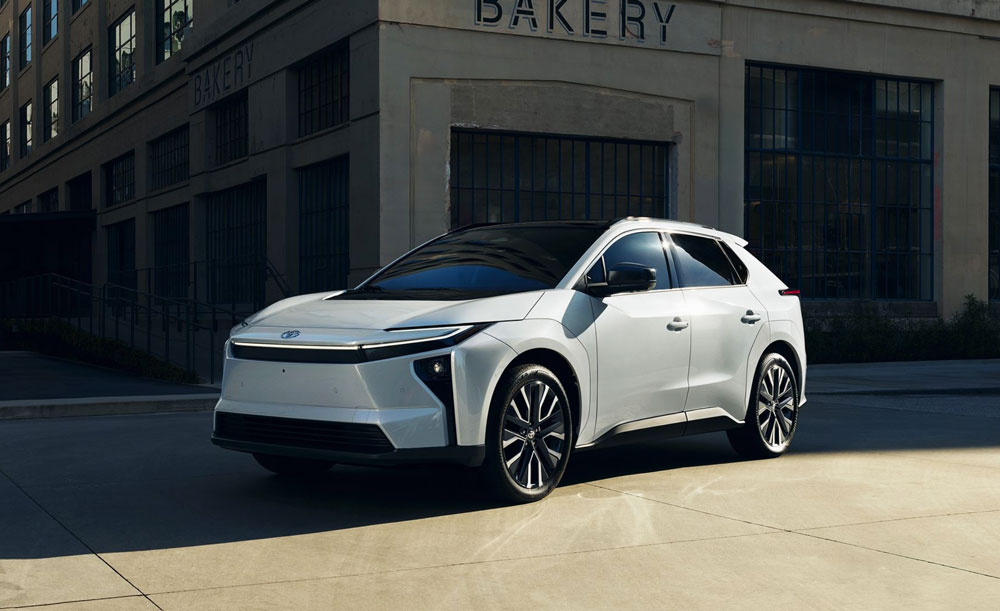
Range anxiety once dominated nearly every EV discussion. It remains an important consideration, particularly for drivers travelling long distances or living in areas with limited charging infrastructure. For many mainstream buyers, however, the more immediate concern is payment anxiety.
A vehicle offering exceptional range is not especially useful when its monthly financing cost places it outside the household budget. Automakers are therefore beginning to reconsider the assumption that every new EV requires the largest possible battery.
A smaller battery can reduce the purchase price, lower the vehicle’s weight and improve energy efficiency. Combined with faster charging and dependable public infrastructure, it can provide enough capability for daily commuting without forcing buyers to pay for hundreds of kilometres of range they rarely use.
The affordable EV formula is becoming clearer: reasonable range, efficient packaging, practical charging and fewer unnecessary features. The challenge is convincing manufacturers that simplicity can be competitive rather than merely basic.
China Changed the Definition of an Entry-Level EV
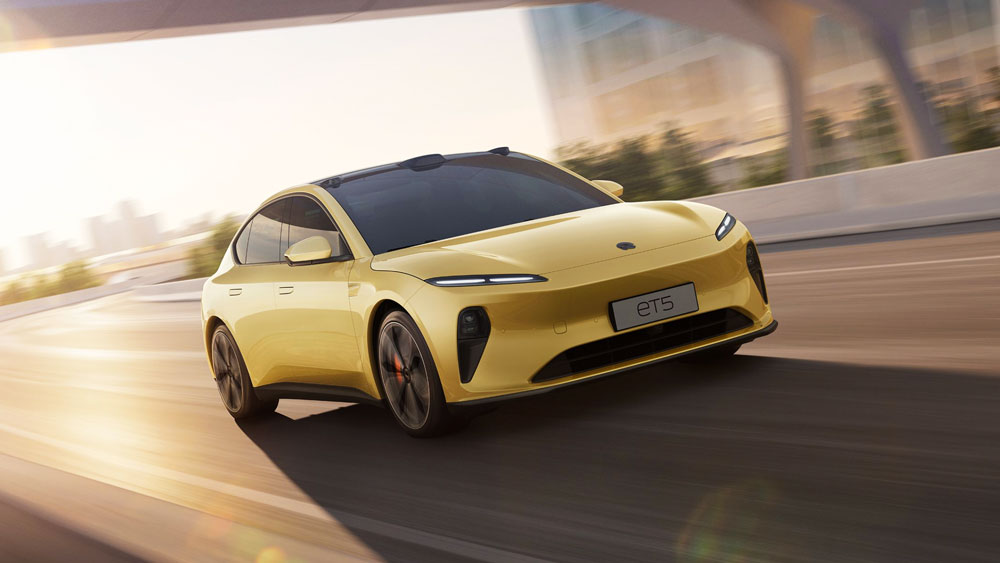
China’s greatest influence on the global EV industry may not be battery technology or production volume. It may be the expectation that an electric car does not need to be expensive.
Chinese manufacturers offer vehicles across a much wider price spectrum than buyers typically encounter in North America. Their advantage comes from integrated battery supply chains, large-scale production, intense domestic competition and platforms designed specifically for electric vehicles.
This has forced established automakers to confront an uncomfortable reality. An affordable EV cannot simply be a premium model with fewer features. It needs to be engineered around cost from the beginning.
Chinese brands are also expanding through Europe, Southeast Asia, the Middle East and Latin America. Tariffs and regulatory barriers may affect their final showroom prices, but they do not erase the underlying production advantage. Even where Chinese-built vehicles face restrictions, their presence places pressure on domestic companies to offer more equipment, stronger warranties and better range for the money.
The price competition is no longer contained within China. It is becoming the global benchmark.
Europe Needs the Electric Equivalent of the Small Hatchback
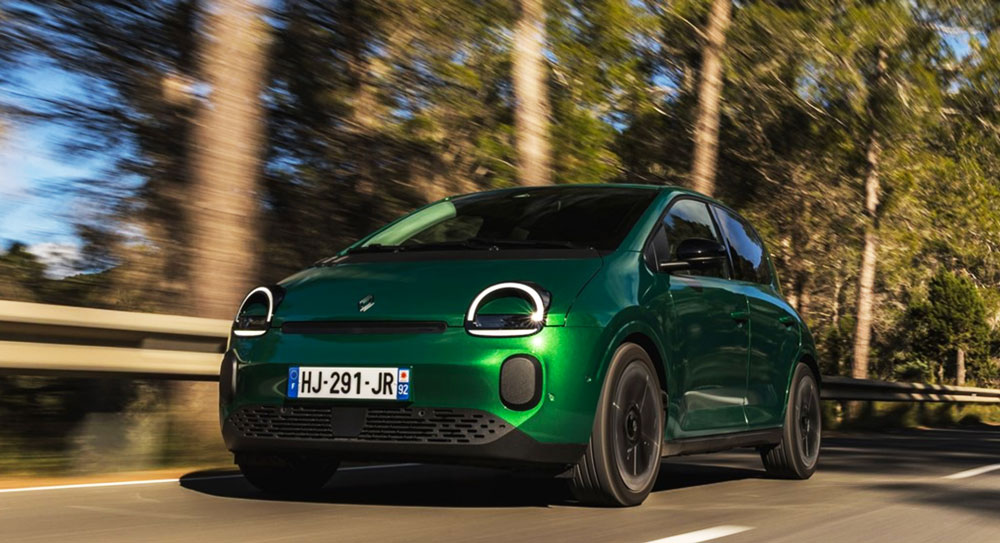
Europe’s transition depends heavily on compact vehicles. For decades, small hatchbacks provided affordable transportation for urban households, young drivers and buyers who did not require a large SUV. The early European EV market did not always serve these customers well.
That is beginning to change. Manufacturers are preparing and introducing smaller electric cars designed around tighter prices, shorter urban journeys and lower energy consumption. These models are essential because Europe cannot build a mass-market EV transition entirely around premium crossovers.
Government incentives remain part of the affordability equation, although programs vary widely between countries. Some markets use purchase subsidies, while others rely more heavily on registration taxes, company-car policies or advantages tied to vehicle emissions.
The durable solution cannot depend entirely on incentives. A truly competitive small EV must remain attractive even as public support changes. That requires lower production costs, disciplined specifications and enough manufacturing volume to produce sustainable margins.
North America Still Has a Vehicle-Size Problem
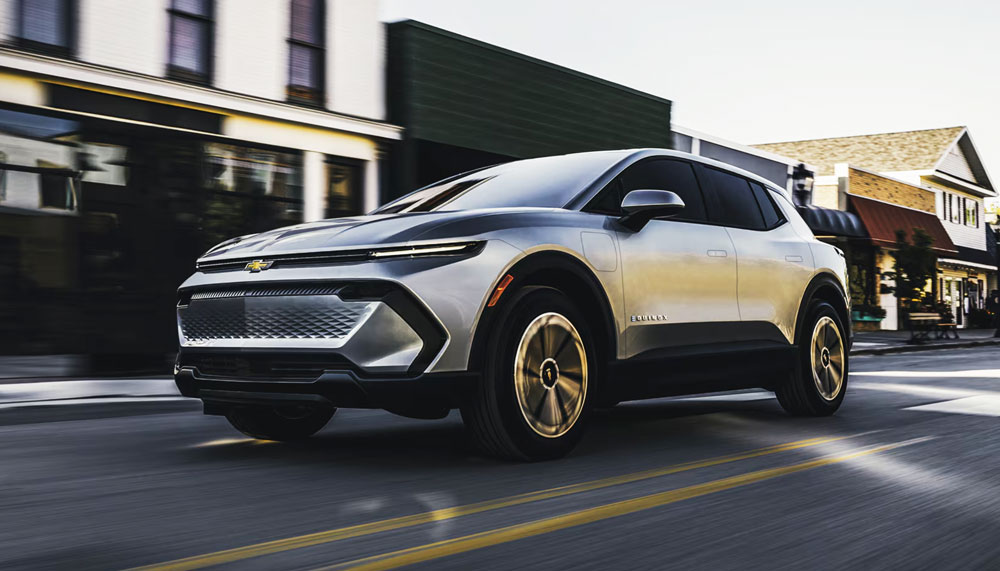
North America’s affordability challenge is complicated by its preference for trucks and SUVs. Large vehicles require more materials, more powerful motors and larger batteries, making them naturally more expensive to electrify.
The loss of broad federal purchase credits in the United States has made the upfront gap even more visible. Some states are introducing their own programs, but the American market has become more fragmented, with affordability increasingly influenced by where a buyer lives.
Canada moved in the opposite direction in February 2026 by introducing the Electric Vehicle Affordability Program. It provides incentives of up to C$5,000 for eligible battery-electric vehicles while placing greater emphasis on models with accessible transaction prices.
Incentives can support demand, but they cannot repair an overpriced product strategy indefinitely. North America needs more EVs designed as affordable transportation rather than technology showcases. That means compact crossovers, practical hatchbacks, smaller pickups and simplified models with fewer costly options.
The industry does not need every affordable EV to be tiny. It needs manufacturers to stop treating enormous size as the default definition of value.
The Used-EV Market Could Become the Real Gateway
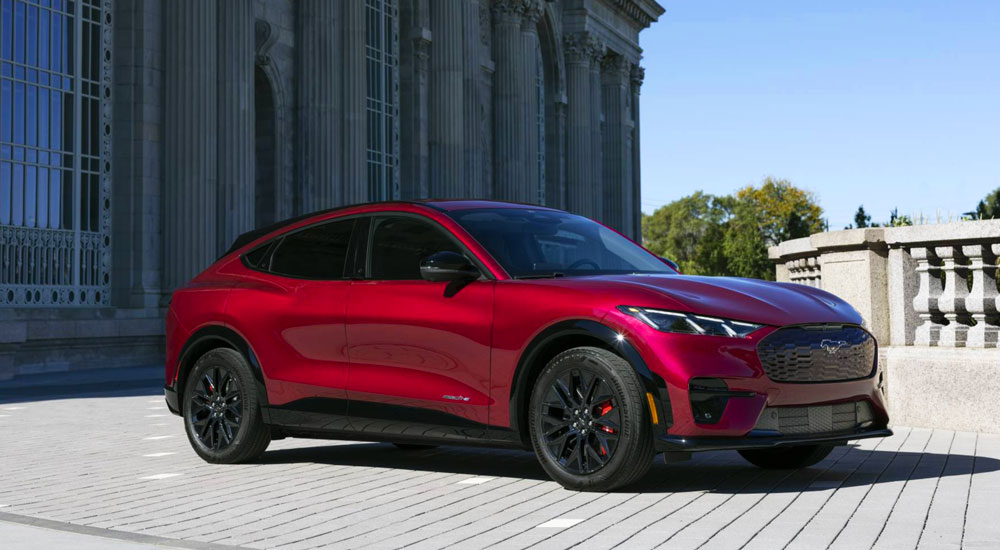
New vehicles receive most of the attention, but the used market may eventually bring more drivers into electric ownership than any single entry-level model.
A growing supply of previously leased and traded EVs is creating opportunities for buyers who cannot justify a new-car price. Some used electric models have depreciated rapidly, producing attractive purchase prices for shoppers willing to understand battery condition, charging compatibility and warranty coverage.
That depreciation is a double-edged sword. It makes used EVs more affordable, but it can concern new buyers who worry about future resale value. Automakers will need to improve battery-health reporting and give consumers clearer information about long-term durability.
Battery certificates, dependable diagnostic standards and stronger used-vehicle warranties could transform confidence in the second-hand market. Buyers should be able to evaluate an EV battery as easily as they can review mileage and maintenance records on a combustion car.
The industry has spent years trying to reduce range anxiety. Its next assignment is reducing used-battery uncertainty.
Sticker Price Is Only Part of the Equation
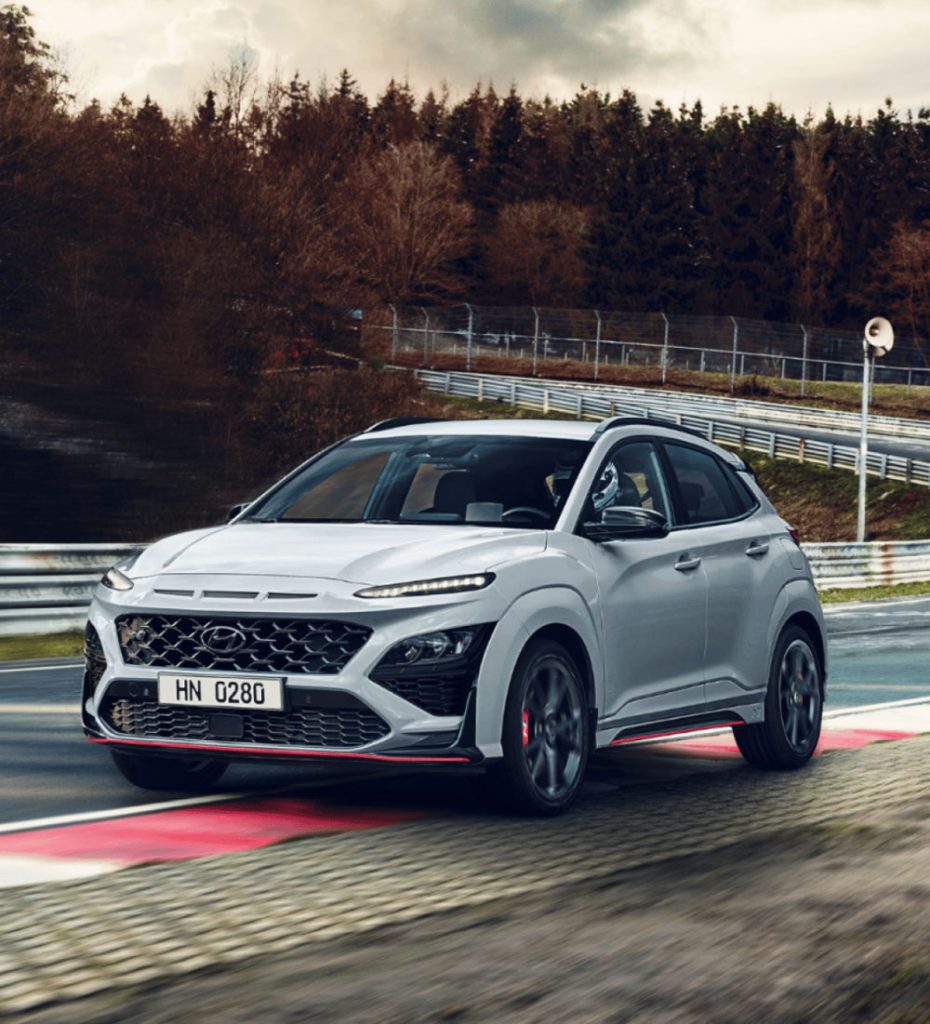
An EV can cost less to operate than a comparable gasoline vehicle, particularly when it is charged regularly at home. Electricity, routine maintenance and brake wear can all favour electric ownership.
Those advantages are not universal. Drivers relying heavily on expensive public fast charging may save much less. Insurance premiums can be higher for certain models, while collision repairs may become costly when battery protection structures, sensors and specialized components are involved.
Home charging also introduces an affordability divide. A homeowner with a driveway can often install a charger and access predictable overnight electricity rates. An apartment resident may depend on public charging that is less convenient and sometimes considerably more expensive.
True affordability must therefore include:
- The vehicle’s purchase or lease price
- Financing and insurance costs
- Home-charger installation
- Local electricity and public-charging rates
- Battery and vehicle warranty coverage
- Expected depreciation
- Available government or regional incentives
A low advertised price can attract attention, but transparent ownership costs will determine whether buyers remain satisfied.
Battery Costs Are Falling, but Savings Must Reach the Buyer
Battery prices remain central to EV affordability. Greater production scale, changing material prices and wider adoption of lower-cost chemistries are helping manufacturers reduce expenses.
Lithium iron phosphate batteries have become particularly important for mainstream vehicles. They generally offer lower costs, strong durability and reduced dependence on expensive nickel and cobalt. Their energy density may be lower than that of some alternative chemistries, but the trade-off can make sense in affordable cars that do not require extreme driving ranges.
Manufacturers are also experimenting with cell-to-pack construction, simplified vehicle architectures and more efficient manufacturing processes. Each improvement removes cost or weight, but those savings only matter to consumers when they reach the window sticker.
The industry cannot declare victory because an EV is cheaper to manufacture. The buyer needs to see the difference.
Software Must Stop Becoming a Hidden Luxury Tax
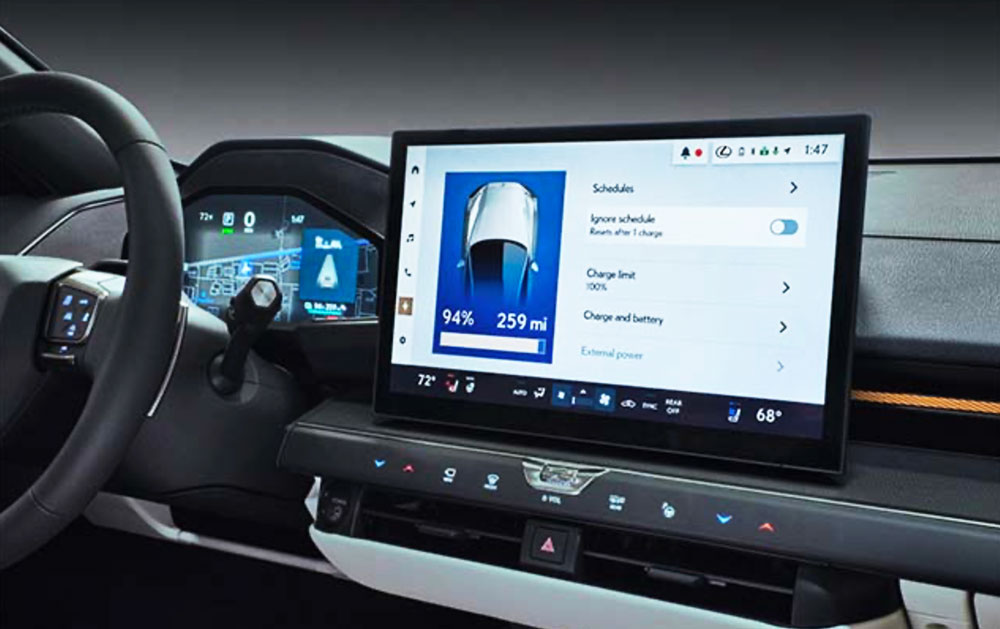
Electric vehicles have helped transform cars into software-driven products. That has introduced useful features, remote updates and better energy management. It has also encouraged automakers to place ordinary functions behind expensive packages and subscriptions.
Affordable electric ownership should not require monthly payments for features already installed in the vehicle. Buyers are becoming increasingly resistant to complicated trim structures and recurring fees, particularly when the original purchase price is already high.
A successful mainstream EV should offer intuitive navigation, dependable charging information, smartphone integration and essential driver-assistance technology without turning its dashboard into a digital storefront.
The affordable EV does not need to feel cheap. It needs to feel complete.
The Middle East Has Its Own Affordability Equation
Saudi Arabia and the UAE are building their EV markets under different conditions from Europe or China. Fuel costs, extreme heat, long intercity distances and heavy reliance on private vehicles influence purchasing decisions.
Premium EVs have attracted considerable attention in both markets, but wider adoption will require competitively priced crossovers and sedans supported by dependable charging networks. Strong thermal management and effective air conditioning are not optional extras in Gulf conditions. They are core components of vehicle durability and everyday usability.
Regional investment in charging infrastructure and EV manufacturing could eventually improve availability and pricing. The strongest opportunity may come from models engineered for hot climates rather than vehicles merely imported from cooler markets with minimal adaptation.
Affordability in the Gulf will be judged by more than the initial price. Buyers will also expect reliable battery performance, strong service support and confidence that the vehicle can handle years of extreme temperatures.
Automakers Must Decide What They Are Willing to Remove
Building an inexpensive EV involves compromise. The decisive question is whether manufacturers remove features consumers can live without or capabilities they genuinely need.
Affordable models do not require supercar acceleration, enormous wheels, multiple motors or entertainment screens for every passenger. They do require safe construction, reliable software, usable cargo space, effective climate control and charging that fits normal driving patterns.
This is where intelligent product planning matters. Cost cutting becomes damaging when it produces an unpleasant or impractical car. It becomes good engineering when it eliminates complexity without weakening the ownership experience.
The winning affordable EV may appear less dramatic on a specification sheet. In daily use, however, it could be the most relevant electric car a manufacturer produces.
Affordability Will Decide Which Brands Survive

The EV industry has entered a period when sales volume, factory utilization and sustainable profits matter more than novelty. Manufacturers can no longer rely solely on early adopters willing to pay a premium for new technology.
Legacy automakers face the cost of supporting combustion vehicles while financing electric platforms. EV-focused companies must prove they can produce vehicles profitably without remaining trapped in premium categories. Chinese brands must continue expanding internationally while navigating tariffs, local regulations and political resistance.
Every company is confronting a version of the same problem: how to reduce prices without destroying margins.
Some will simplify vehicle lineups. Others will share platforms, localize battery production or develop lower-cost chemistries. A few may retreat from unprofitable segments entirely. The winners will be those that treat affordability as an engineering objective rather than a temporary promotion.
MaxTake
Electric vehicles have already demonstrated that they can be fast, refined and technologically advanced. The more consequential test is whether they can become normal. The next breakthrough will not necessarily arrive as a revolutionary battery or a record-setting range figure. It may arrive as a well-built electric car with enough capability, a transparent ownership proposition and a monthly payment that no longer requires an environmental argument to justify it. The EV age becomes real when choosing electric stops feeling like paying extra for the future.