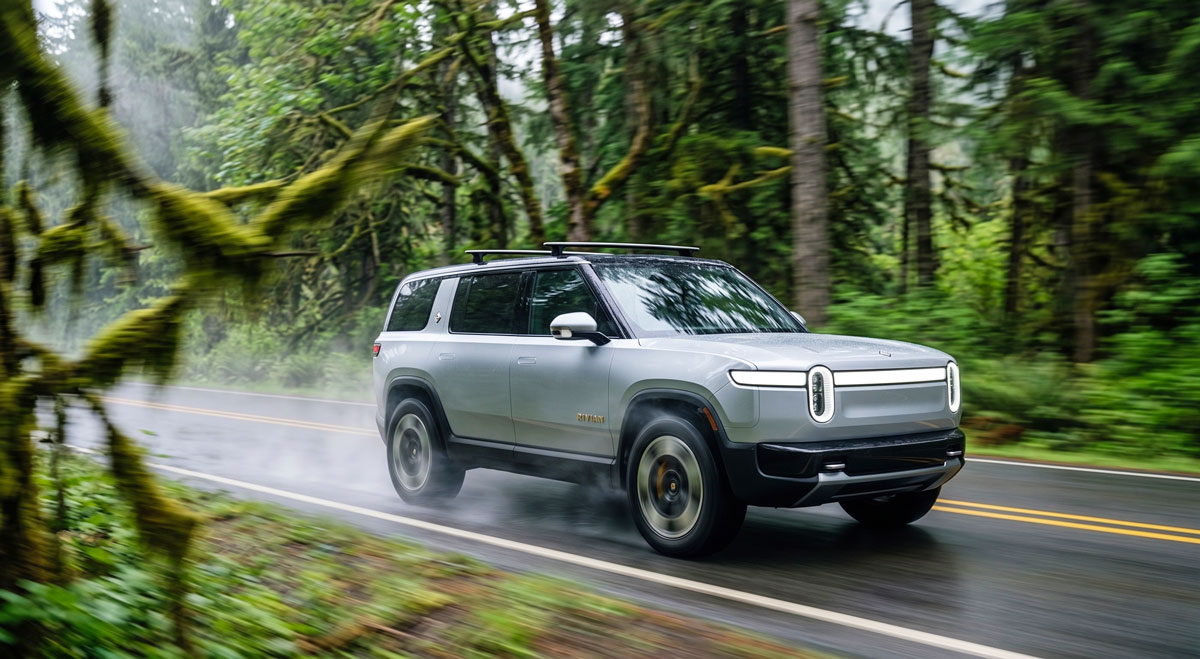
Rivian has already built a strong identity. The R1T and R1S gave the brand a clear place in the EV world: premium, outdoorsy, clever, and more characterful than the average electric crossover. But those vehicles also sit in a higher price bracket, which limits how far Rivian can stretch beyond early adopters and adventure-minded buyers.
The 2026 Rivian R2 is designed to change that. Smaller than the R1S and positioned as a more accessible midsize electric SUV, the R2 brings Rivian’s core formula into a broader part of the market. It is still rugged, still cleanly designed, and still focused on utility, but it is meant to feel more realistic for everyday buyers.
A More Accessible Rivian
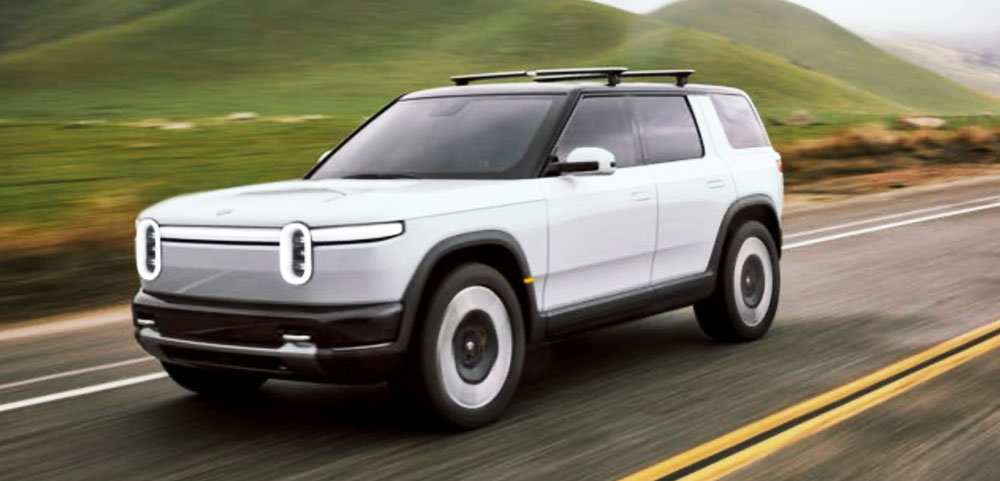
The R2 is not a stripped-down version of the R1S. It is Rivian’s attempt to make the brand easier to live with, easier to park, and easier to consider against mainstream electric SUVs. It keeps the upright stance, signature lighting, practical storage, and adventure-ready attitude, but packages them into a five-seat layout that feels more usable for daily life.
That matters because Rivian does not need to become ordinary to grow. It needs to become more reachable. The R2 gives the brand a vehicle that can appeal to people who liked the idea of Rivian but did not need the size, cost, or capability of the R1 lineup.
Design With Purpose
The R2 continues Rivian’s clean, functional design language. It looks familiar without feeling like a copy of the R1S. The proportions are tighter, the stance remains confident, and the overall look still suggests outdoor capability without overdoing the rugged costume party.
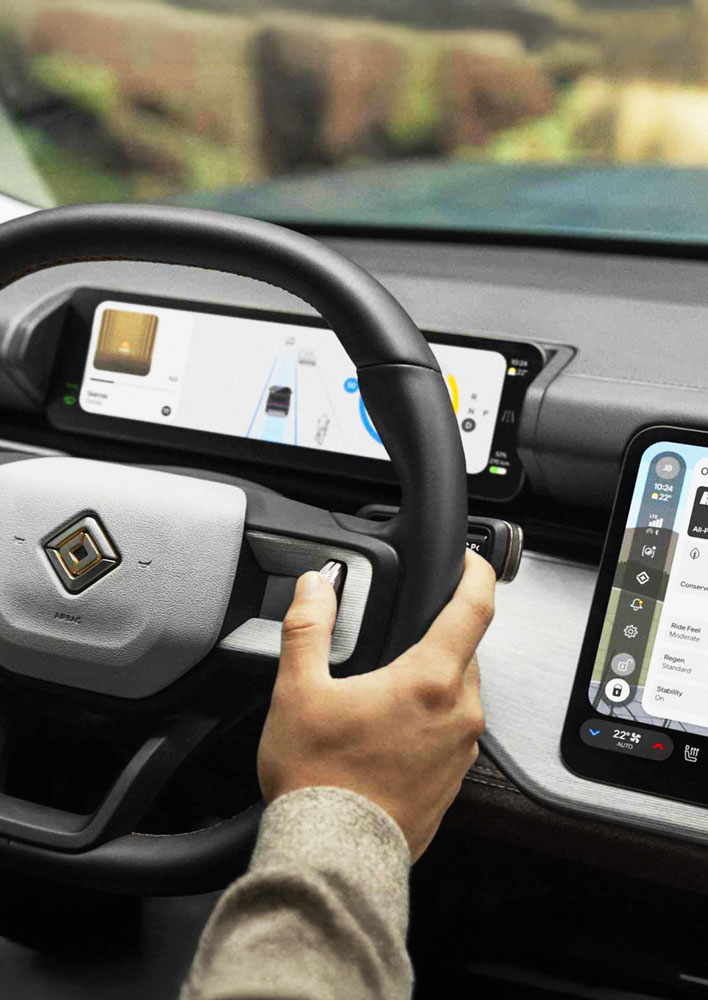
Inside, the focus is expected to stay on space, storage, software, and durability. Rivian’s best design ideas have always been practical ones: useful cargo areas, thoughtful controls, flexible seating, and a cabin that feels ready for real use rather than just showroom lighting.
Range, Charging, and Daily Use
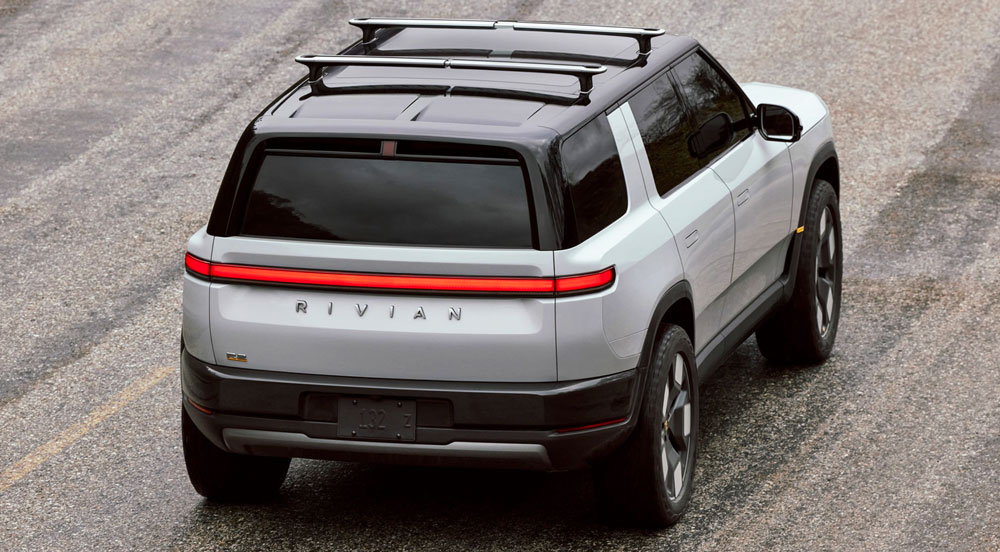
For the R2 to work, it has to be more than stylish. Buyers in this segment care about range, charging access, price, and ownership confidence. Rivian has positioned the R2 with competitive range targets, fast-charging capability, and access to the North American Charging Standard, which should make road trips and public charging easier.
That is key. The EV market is no longer running on hype alone. Buyers want vehicles that fit into their lives without turning every long drive into a planning exercise. The R2’s success will depend on how well Rivian delivers that easy everyday experience.
Why the R2 Matters
The R2 arrives at an important moment for Rivian. The company has proven it can create desirable EVs, but now it has to prove it can scale. The R2 is the bridge between brand admiration and broader sales volume.
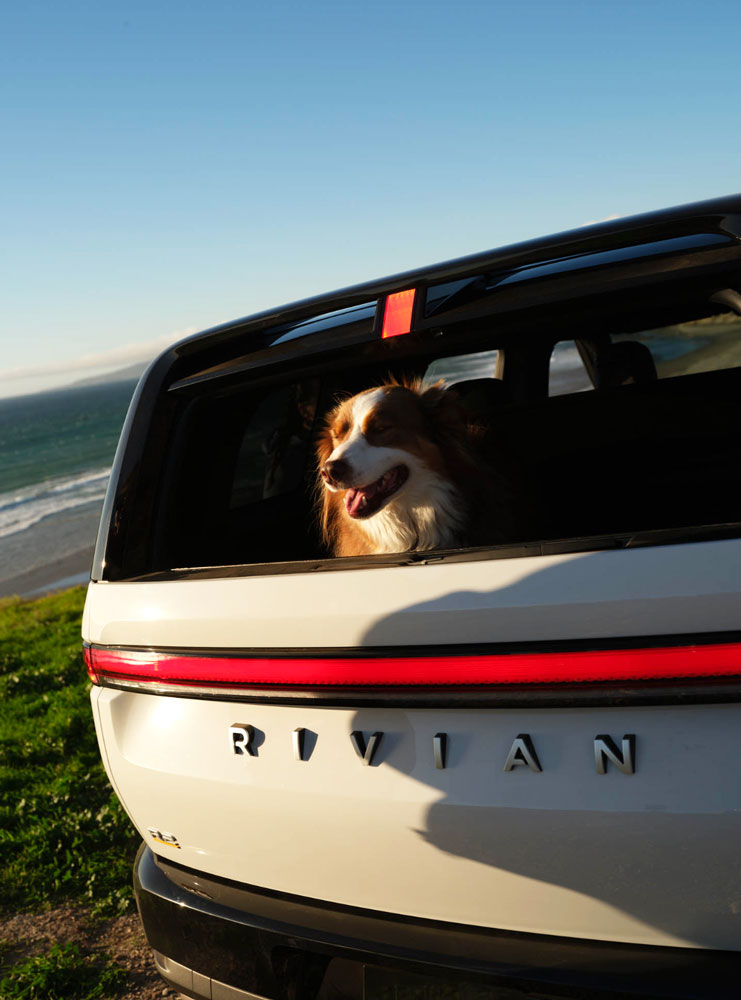
It also gives Rivian a stronger answer to the electric SUV market’s biggest players. Tesla still dominates the conversation, while legacy automakers continue to push more EVs into the same space. Rivian’s advantage is personality. The R2 needs to combine that personality with pricing, production, and reliability that make sense for a wider audience.
The Bigger Challenge
The real test will not be whether people like the R2. The design, size, and positioning already make it one of Rivian’s most appealing products. The real test is execution.
Rivian needs to build it efficiently, deliver it consistently, and keep the lower-priced trims meaningful when they arrive. If the R2 becomes too expensive, too delayed, or too hard to get, it risks missing the moment. But if Rivian gets the mix right, the R2 could become the model that moves the company from interesting EV brand to lasting automotive player.
MaxTake
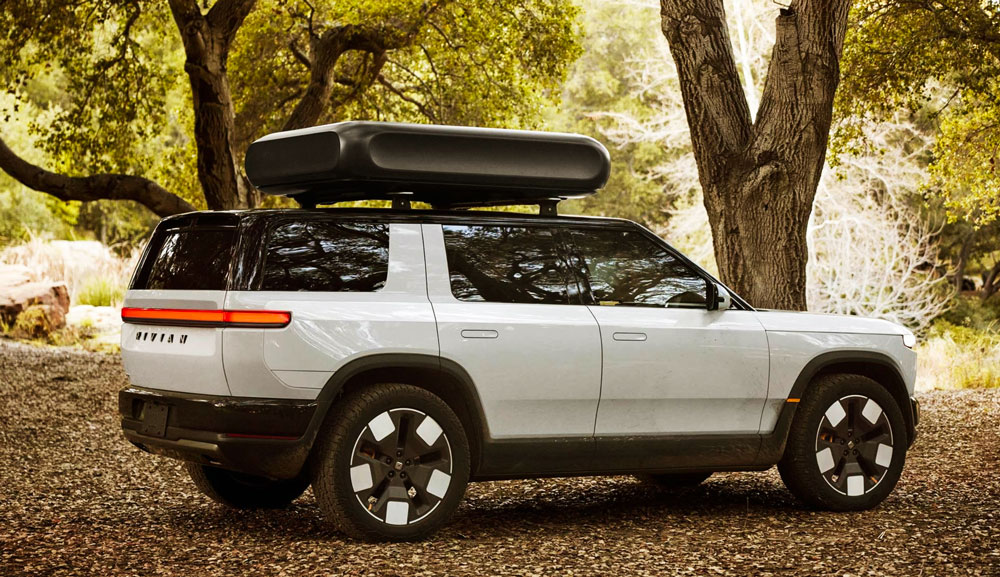
The 2026 Rivian R2 is Rivian’s next big step because it brings the brand’s strongest ideas into a more approachable package. It keeps the adventure-focused design, useful packaging, and tech-forward personality, but aims them at a much wider group of buyers. If the R1T and R1S built Rivian’s image, the R2 is the vehicle that has to build its momentum.