The EV conversation in 2026 isn’t about if you charge—it’s where, when, and how often. As electric vehicles move firmly into the mainstream, charging has become a defining part of ownership—not just a technical detail. And despite rapid expansion of public infrastructure, the reality is simple: EV ownership still revolves around what happens at home, where convenience and routine quietly shape long-term satisfaction.
The Big Picture: Home Still Wins
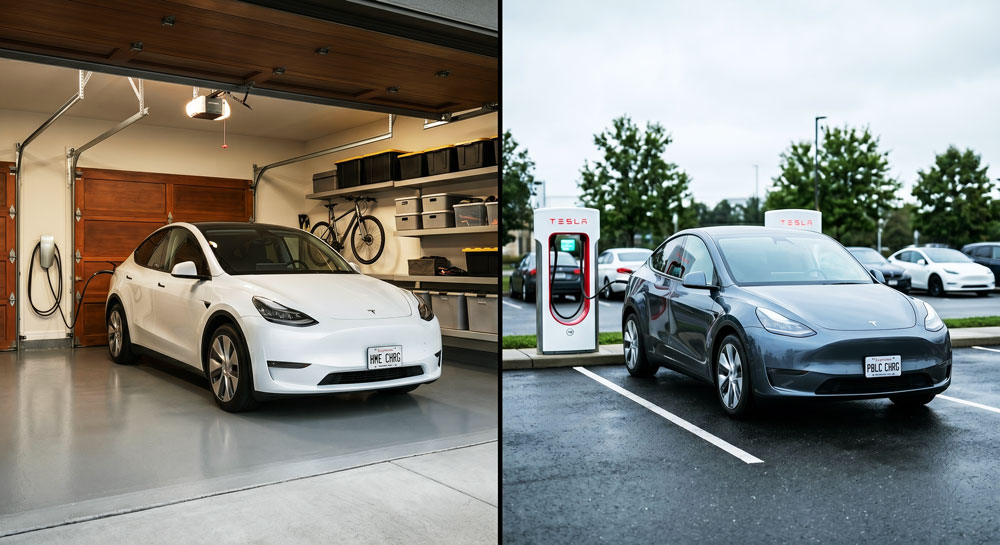
Most EV drivers overwhelmingly prefer home charging—and it’s not even close. While public networks are growing fast, daily behavior hasn’t shifted nearly as much as headlines suggest.
- Around 64%+ of all EV charging happens at home
- Some estimates push that number even higher, with up to 80–85% occurring at home
- Surveys consistently show the majority of EV owners regularly rely on home charging
Even in a rapidly evolving market, one truth holds: if you have a driveway or garage, home charging becomes your default lifestyle—not a task. It’s less like going to a gas station and more like charging your phone—something that simply happens in the background.
Why Home Charging Dominates
Effortless Routine
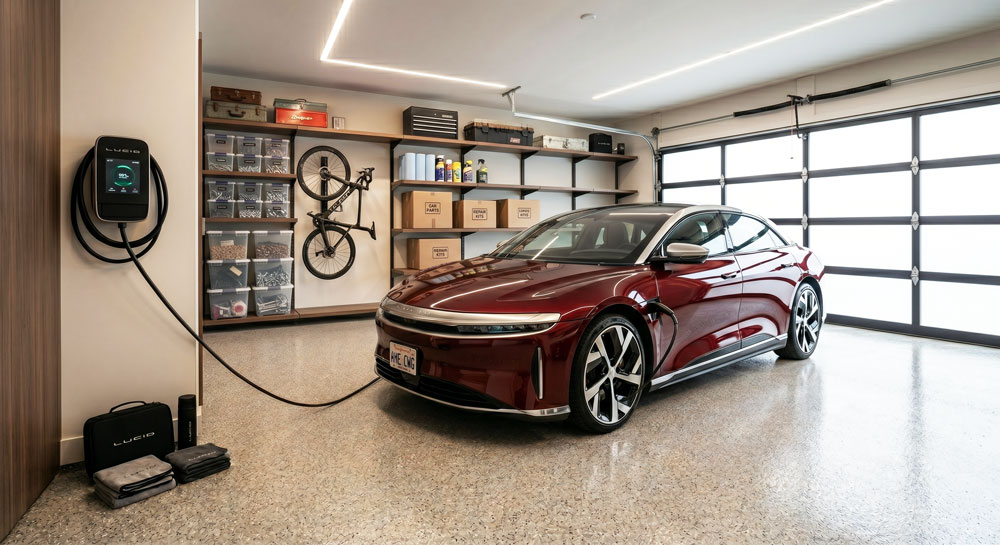
Charging at home turns EV ownership into a background habit rather than a scheduled stop. It integrates seamlessly into daily life in a way no public network can fully replicate.
- Plug in overnight
- Wake up to a “full tank”
- Repeat daily
No detours. No waiting. No thinking. Over time, this frictionless routine becomes one of the biggest advantages of owning an EV.
Cost Advantage
Home charging isn’t just easier—it’s significantly more cost-efficient, especially for drivers who log consistent daily miles. Electricity pricing at home remains far more stable than public charging rates.
- Public charging can cost significantly more—often 2–3× higher than residential electricity
- Off-peak rates and smart charging reduce costs even further
For commuters and frequent drivers, this is where EV ownership delivers its strongest financial upside.
Reliability You Control
Public networks are improving—but they still introduce uncertainty into the experience. Availability, uptime, and compatibility can vary depending on location and provider.
- A large share of users still report inconsistent charger availability or functionality
- Reliability lags behind the “plug-in-and-forget” simplicity of home setups
At home, the charger works every time—because it’s yours. That control removes a layer of unpredictability that many drivers don’t want to deal with daily.
Where Public Charging Fits In
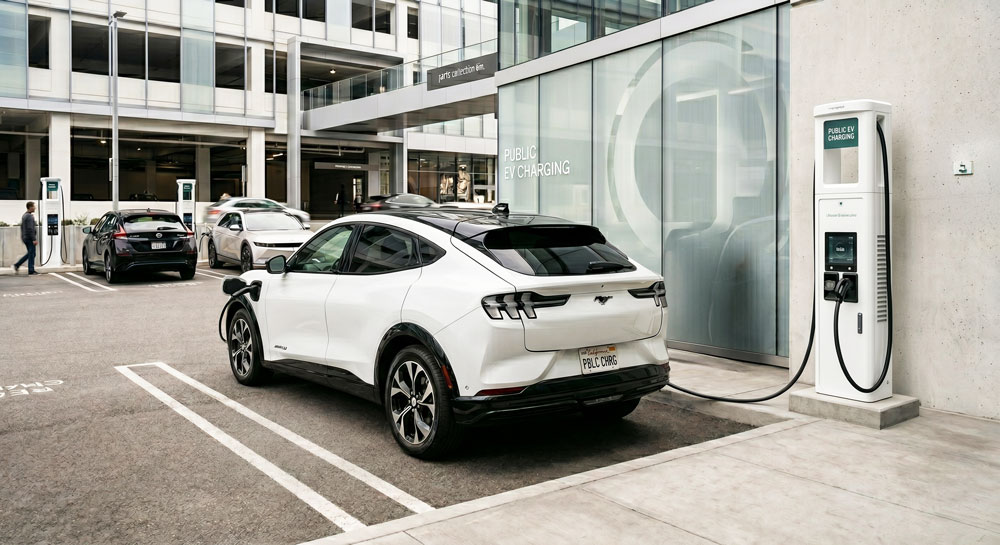
Public charging isn’t the main event—it’s the supporting cast. It plays a critical role in expanding EV usability, but it doesn’t replace the core convenience of home charging for most drivers.
Long-Distance Travel
Fast chargers are essential for extending EV capability beyond city limits. Without them, road trips would still be a major limitation.
- Road trips
- Highway driving
- Emergency top-ups
DC fast charging fills the gap home charging can’t, delivering speed when time matters most.
Urban & Apartment Living
Not everyone has access to a garage or dedicated parking space, and for these drivers, public charging isn’t optional—it’s the foundation of EV ownership.
- A significant portion of drivers lack access to private home charging
- Urban drivers rely heavily on:
- Street chargers
- Workplace charging
- Retail locations
In dense cities, charging behavior starts to resemble traditional fueling habits, with more planning and dependency on infrastructure.
Convenience Charging
A growing trend in 2026 is “passive charging”—plugging in while doing something else rather than making a dedicated stop.
- Grocery stores
- Gyms
- Offices
It’s less about going somewhere to charge and more about charging wherever you already are, turning downtime into usable range.
The Trade-Offs: Convenience vs Speed
| Factor | Home Charging | Public Charging |
|---|---|---|
| Convenience | Maximum | Moderate |
| Cost | Lowest | Higher |
| Speed | Slow–Moderate | Fast (DC) |
| Reliability | High | Variable |
| Accessibility | Limited to homeowners | Expanding |
This is the core tension of EV ownership in 2026. Home charging delivers unmatched ease and affordability, while public charging provides the speed and flexibility needed for longer trips and urban living.
The Real Divide: Lifestyle, Not Technology
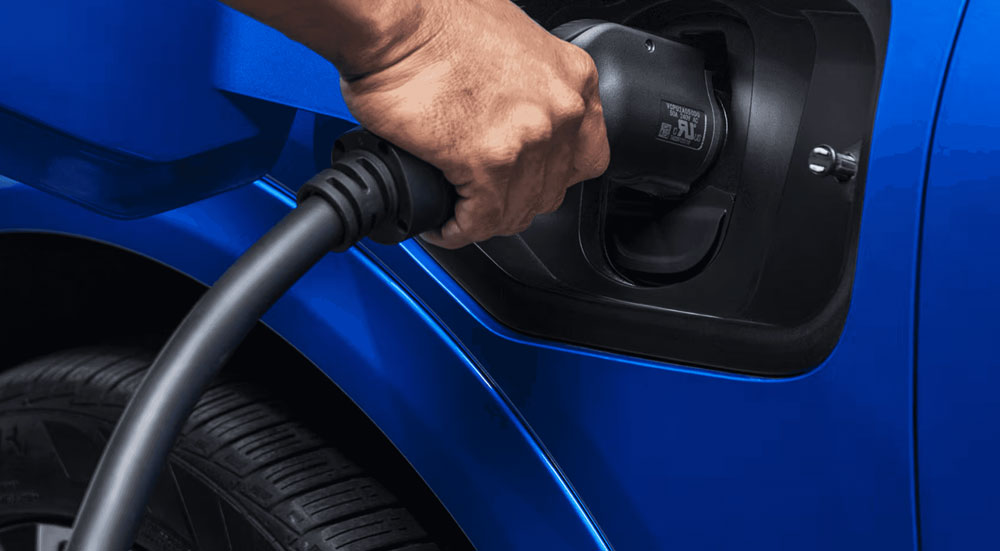
The biggest factor shaping charging preference isn’t the car—it’s where you live. Infrastructure matters, but personal living situations ultimately dictate how drivers interact with charging.
- Suburban owners → overwhelmingly home charging
- Urban renters → heavily dependent on public networks
- Multi-car households → treat EV like a “plug-in appliance”
- City-only drivers → treat charging more like traditional fueling
As EV adoption grows, this divide is becoming one of the industry’s defining challenges—and opportunities.
What’s Changing in 2026
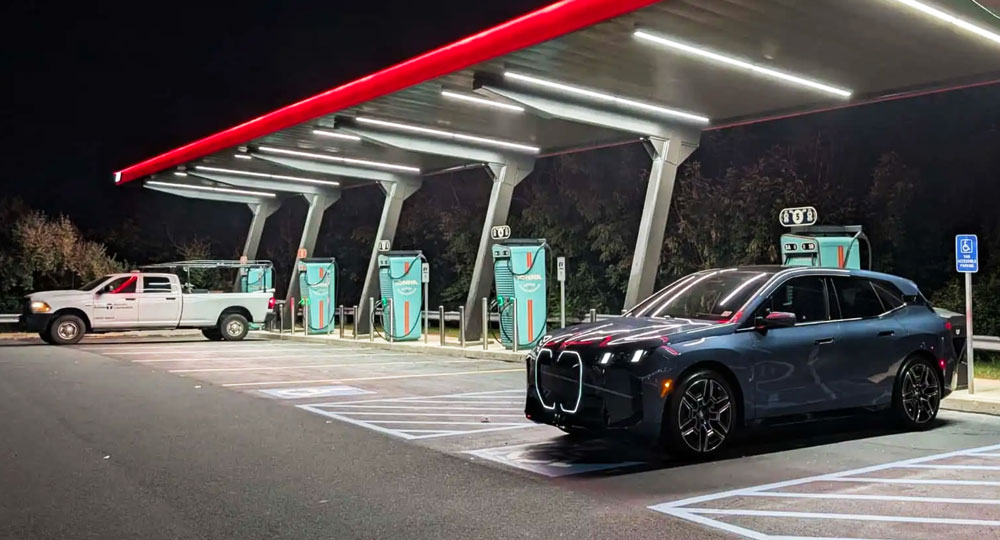
Public Networks Are Scaling Fast
Charging infrastructure is expanding at a rapid pace, with more stations, higher speeds, and broader geographic coverage than ever before.
- Fast-charging availability is improving, especially in cities and along highways
- Network density is increasing, reducing range anxiety
This expansion is critical for making EVs viable for a broader audience.
But Expectations Are Rising Faster
As EV adoption matures, drivers expect charging to be as seamless as refueling a gasoline car—if not better.
- Gas-station-level reliability
- Seamless payment systems
- Minimal wait times
Public networks are improving—but still working to meet these rising expectations.
Home Charging Access Is Becoming a Key Issue
As more drivers switch to EVs, access to home charging is becoming a bottleneck, particularly in dense urban markets.
- Limited parking and infrastructure constraints make installation difficult
- Public charging is becoming increasingly essential for future growth
The long-term future points toward a more balanced ecosystem—but not an equal one.
Verdict: What EV Owners Actually Prefer
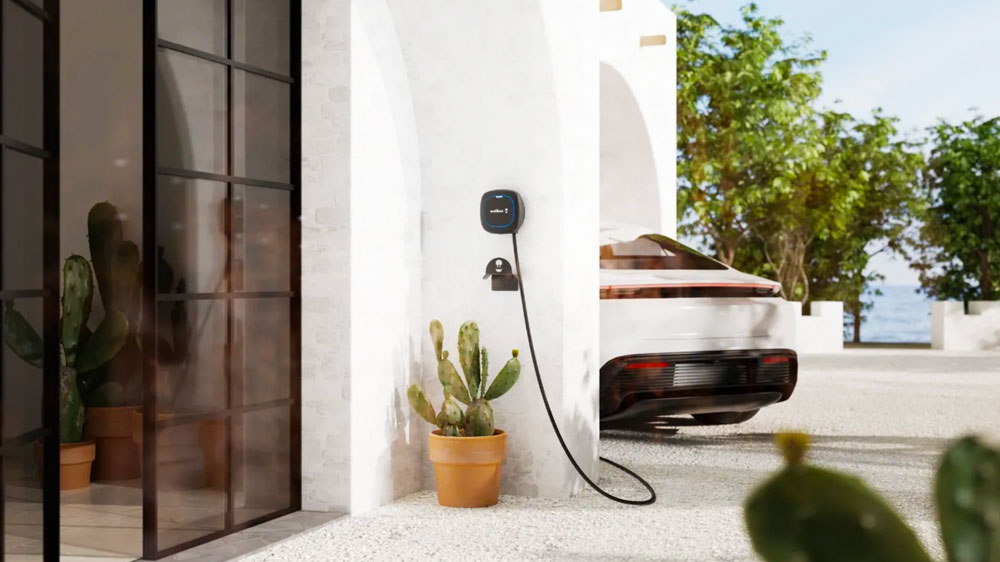
In 2026, EV owners don’t choose one or the other—they use both. But if given the option, preferences are clear.
Home charging is the default choice for most drivers.
It’s cheaper, simpler, and seamlessly fits into daily life. Public charging plays a crucial role—but more as a complementary system than a primary one for those who have access to home setups.
MaxTake
The EV shift didn’t just replace gas stations—it redefined the entire fueling experience. In 2026, convenience is king, and nothing beats charging where you live. The real luxury in EV ownership isn’t speed—it’s never having to think about charging at all.