
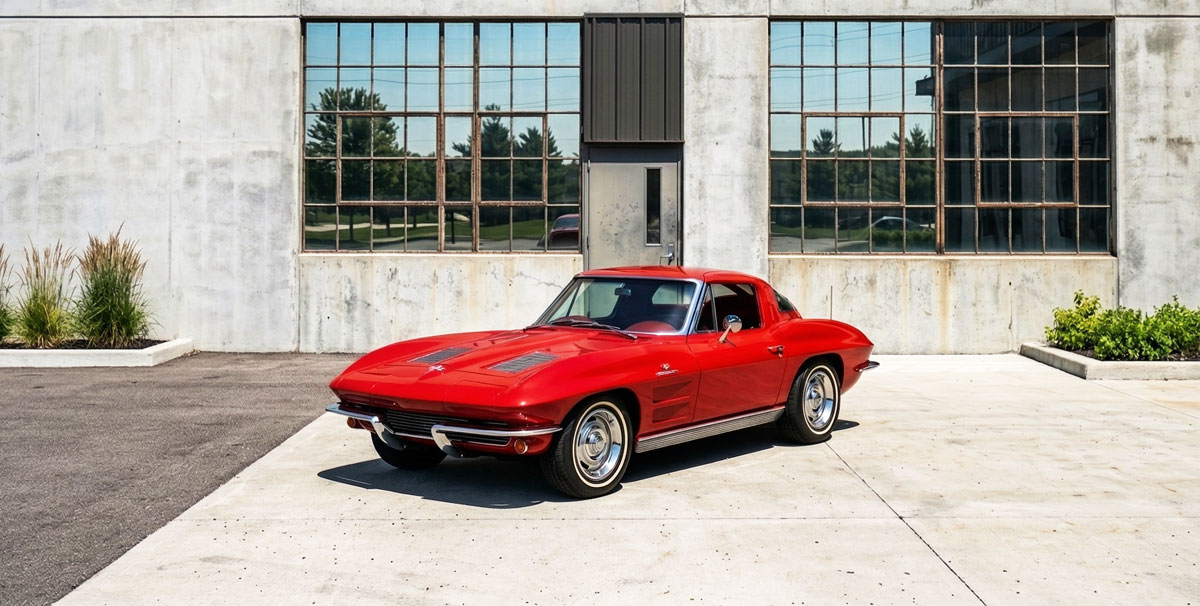
A Shape That Changed Everything
The 1963 Chevrolet Corvette C2 didn’t just evolve the Corvette—it redefined American performance design overnight. Gone was the softer, rounded look of the C1. In its place arrived a sharper, more aggressive silhouette that looked like it belonged on a racetrack, not just Main Street. It marked a clear shift toward a more serious, performance-first identity for the Corvette nameplate.
At the center of it all: the now-iconic split rear window. It was bold, controversial, and ultimately short-lived—but that’s exactly why it became legendary.
Design That Broke the Mold
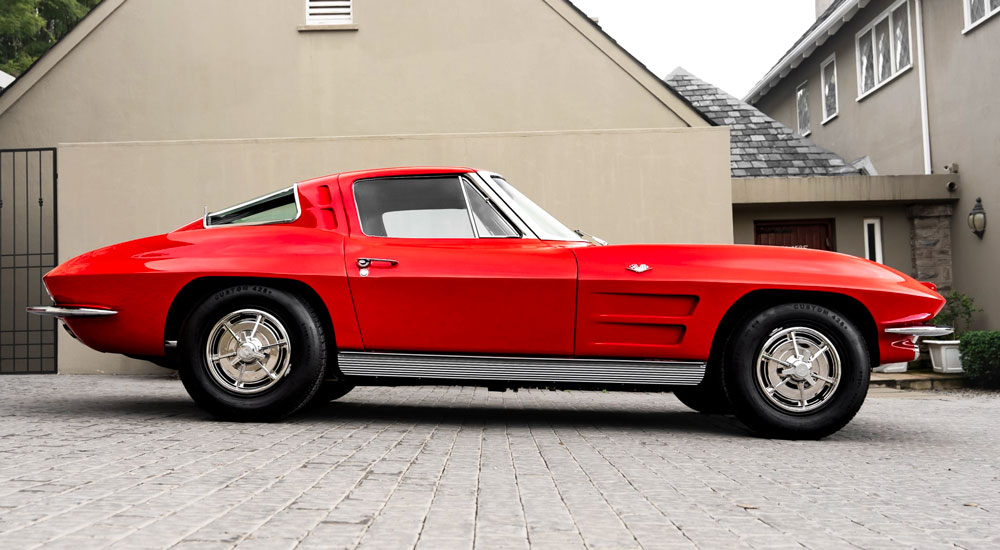
Penned under the direction of Bill Mitchell and executed by Larry Shinoda, the C2 took heavy inspiration from the Sting Ray Racer concept. The result was a car that looked fast standing still. It pushed American automotive design into a more sculptural, almost European-influenced direction.
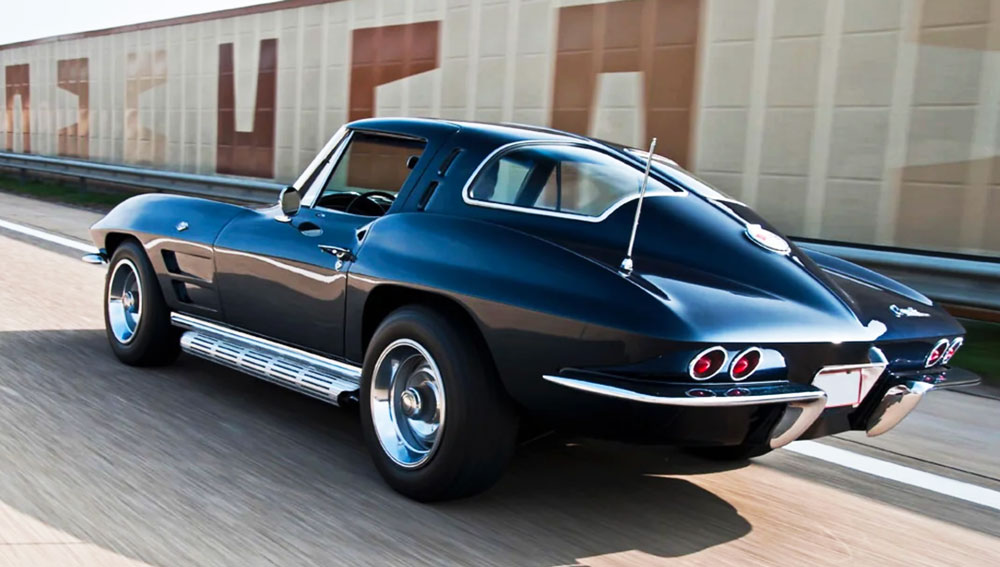
The split rear window—dividing the rear glass with a vertical spine—was as much sculpture as it was engineering. It added drama and identity, even if it slightly compromised rear visibility. Chevrolet dropped it after just one model year, instantly turning the 1963 coupe into a collector’s grail.
Performance That Backed It Up
Underneath the striking design, the C2 was a serious performance machine. Chevrolet moved to an independent rear suspension, dramatically improving handling and ride quality compared to the outgoing C1. It was a major engineering leap that brought the Corvette closer to world-class sports car standards.
Engine options delivered real muscle:
- 327 cubic-inch V8 engines across multiple tunes
- Output ranging from 250 hp to 360 hp
- Fuel-injected version producing up to 360 hp (one of the most advanced setups of its time)
- 4-speed manual transmission for driver-focused control
This wasn’t just a pretty car—it was one of the most capable American sports cars of the era.
Driving Experience: Raw, Mechanical, Alive
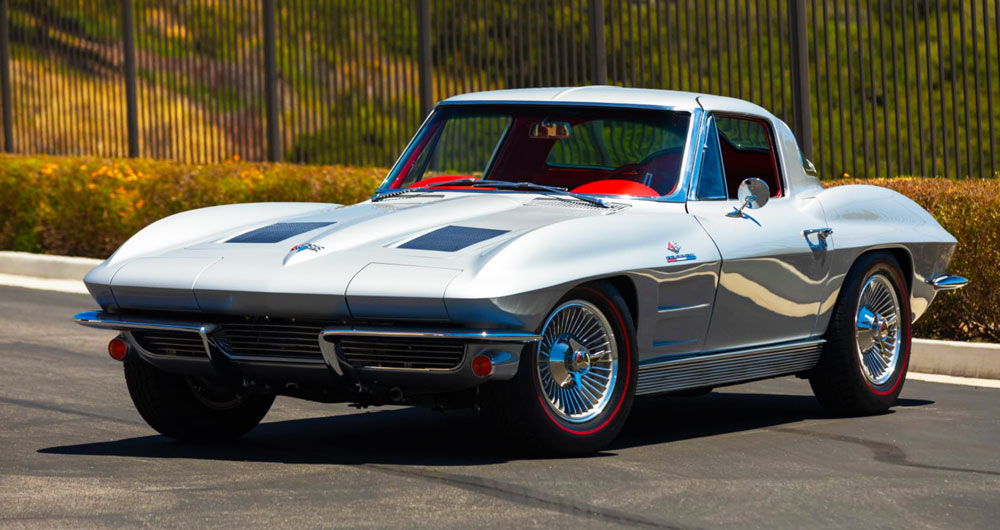
Driving a 1963 C2 today feels analog in the best possible way. There’s no insulation from the road—just direct steering, mechanical grip, and a V8 soundtrack that builds with every press of the throttle. It delivers a level of engagement that modern performance cars often filter out.
The independent rear suspension gives it composure through corners, while the long hood and low seating position remind you this is a driver’s machine first, everything else second.
Why the Split-Window Still Matters
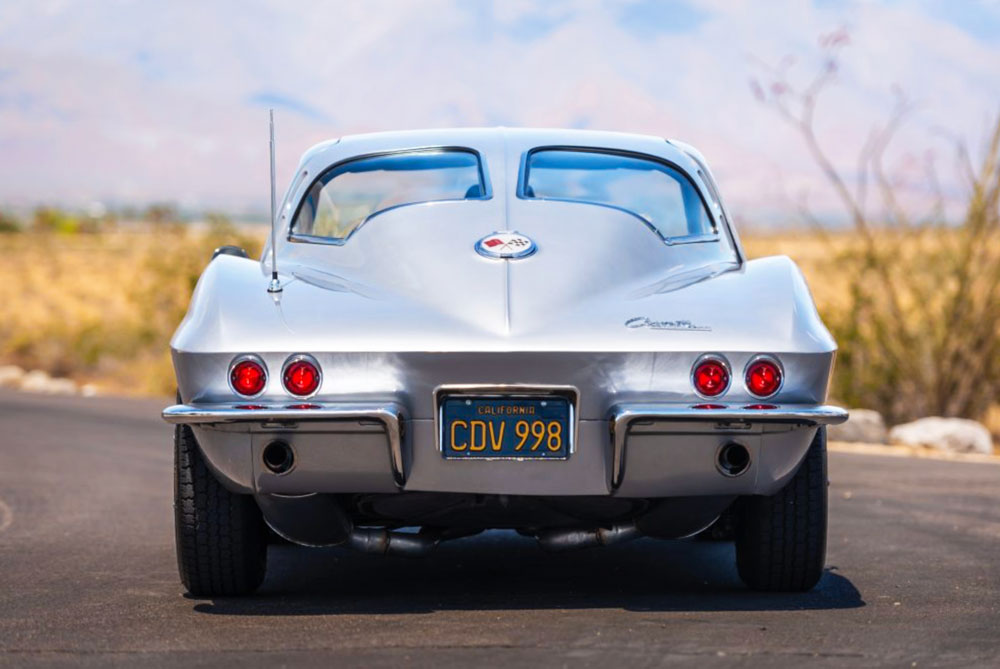
The split-window design only lasted one year, but that limitation became its superpower. It’s one of the clearest examples in automotive history of how rarity plus bold design equals timeless appeal. It also represents a moment when automakers were willing to prioritize visual identity over pure practicality.
Collectors and enthusiasts prize the 1963 coupe not just for its performance, but for what it represents:
- A turning point in Corvette history
- One-year-only design exclusivity
- Early adoption of advanced suspension engineering
- A perfect blend of concept-car styling and production reality
From Classic to Blue-Chip Asset
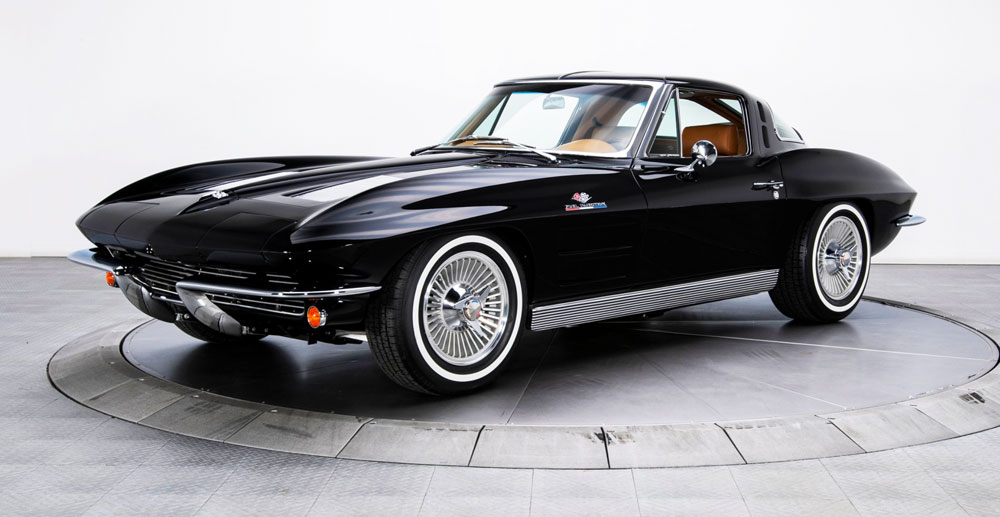
The 1963 split-window Corvette sits firmly in blue-chip collector territory. Values vary based on originality, engine spec, and restoration quality, but pristine examples regularly command six-figure prices—and continue trending upward. It has become one of the most recognizable and liquid assets in the classic car market.
It appeals across generations:
Classic collectors value its history, while younger enthusiasts see it as one of the coolest designs ever put on four wheels.
MaxTake
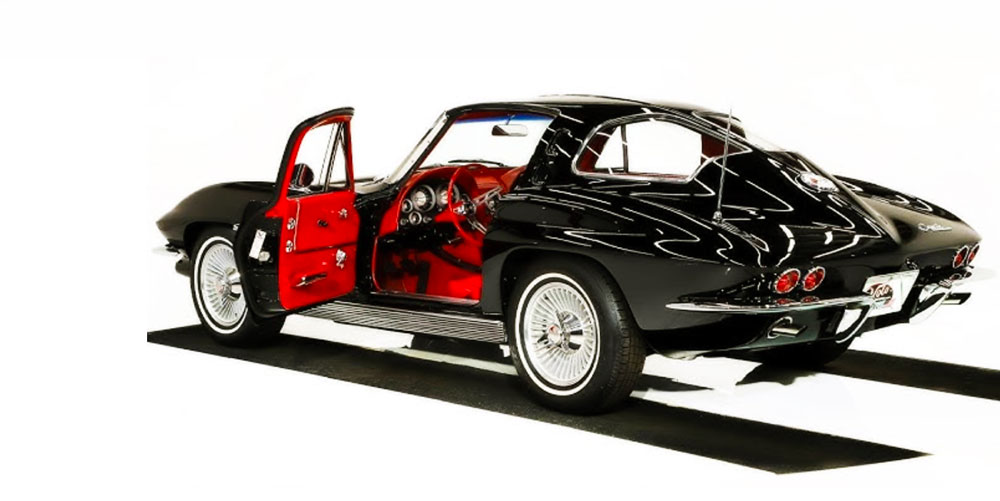
The 1963 Corvette C2 isn’t just remembered—it’s revered. It captured a moment where design, engineering, and risk all aligned, resulting in something Chevrolet would never quite replicate again. The split window may have been impractical, but legends rarely play it safe—and that’s exactly why this one still defines American performance cool over sixty years later.