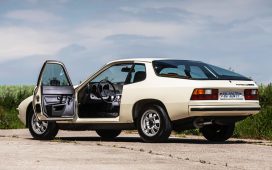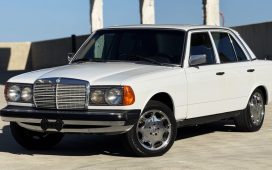
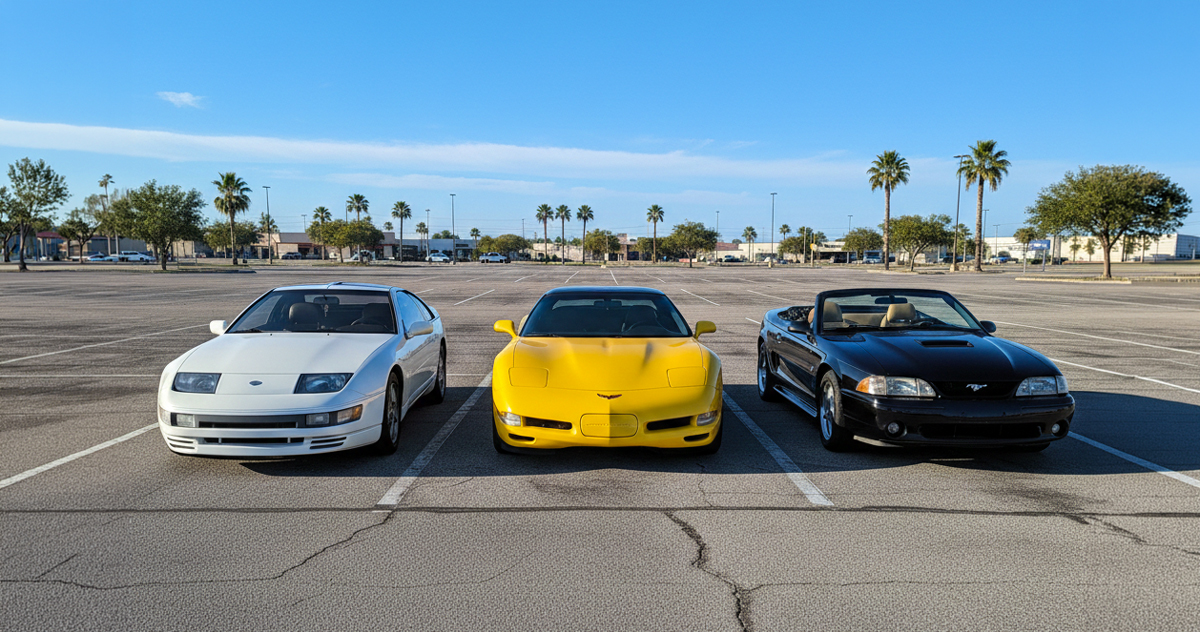
The 1990s produced some of the most revered performance cars ever built. Machines that were raw enough to feel mechanical, yet advanced enough to be complex. Today, restoring those icons requires more than passion. It requires precision.
Modern restoration shops aren’t simply rebuilding cars; they’re re-engineering them with digital tools, advanced materials, and controlled processes that rival OEM production.
Digital Precision Before the First Wrench Turns
The best builds now start with 3D scanning and CAD modeling. Chassis reference points, panel geometry, and alignment surfaces are digitally mapped before metalwork begins. This allows shops to validate symmetry, tighten tolerances, and eliminate guesswork. The result is factory-level fitment, sometimes better than factory.
Rebuilding the Unavailable
Many 1990s components are long discontinued. Interior plastics, ducting, brackets, and trim pieces often can’t be sourced.
High-end shops now use 3D printing to reproduce small, non-structural parts with impressive accuracy. When engineered properly, modern materials outperform the brittle plastics of the era. Structural and safety components, however, remain the domain of traditional fabrication and OEM sourcing. It’s manufacturing, not improvisation.
Paint Is a Science Now
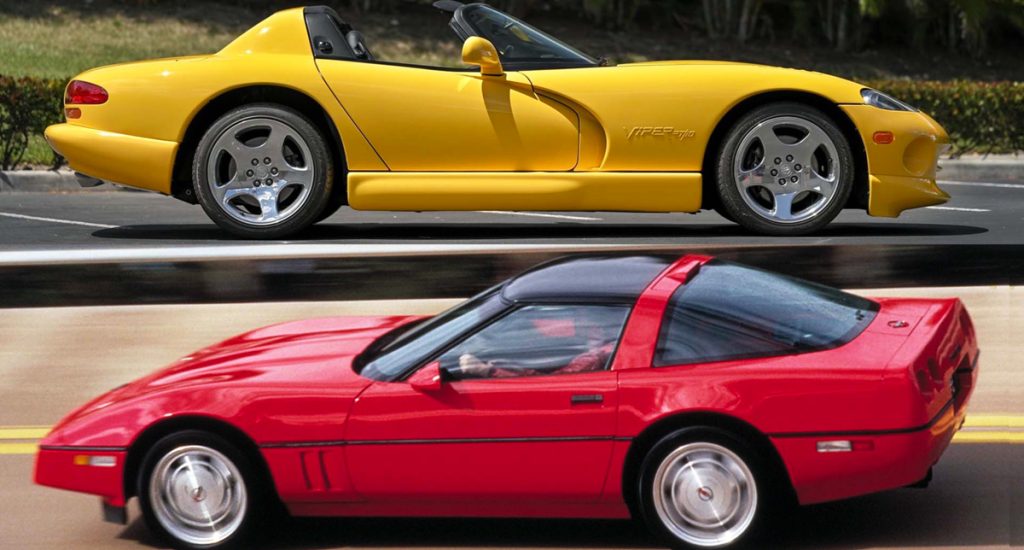
Repainting a 1990s icon isn’t just about matching a color code. Metallic flake orientation, pearl depth, and clearcoat texture must all align. Modern shops rely on spectrophotometer scanning, digital formula matching, and climate-controlled booths to ensure consistency. Proper blending and controlled film build separate a high-level restoration from a shiny repaint. If the shop can’t explain the process, the finish won’t hold up under sunlight scrutiny.
Materials That Improve the Original
Today’s restorations benefit from advances the ’90s never had:
- Improved epoxy primers
- Modern corrosion protection systems
- Updated seam sealers and adhesives
- Refined NVH materials
A properly restored car shouldn’t feel fragile or dated. It should feel tight, solid, and resolved.
Electronics: Preserve Character, Improve Reliability

Aging wiring harnesses and early ECUs often require careful inspection and servicing. Skilled shops re-loom wiring, replace degraded sensors, and improve reliability, without stripping away the car’s personality. The philosophy is simple: keep the soul, upgrade the weak points.
What You’re Really Paying For
Modern restoration doesn’t necessarily lower cost, it reduces risk. Digital validation, controlled paint processes, and disciplined documentation eliminate the “redo factor” that inflates budgets. You’re not just buying craftsmanship. You’re buying predictability.
MaxTake – Restoring a 1990s icon in 2026 is no longer about nostalgia alone. It’s about combining old-school passion with new-school engineering. The best builds measure before cutting, fabricate when parts disappear, and treat paint like a laboratory process. Do it right and your hero car doesn’t just come back, it comes back sharper than ever.