
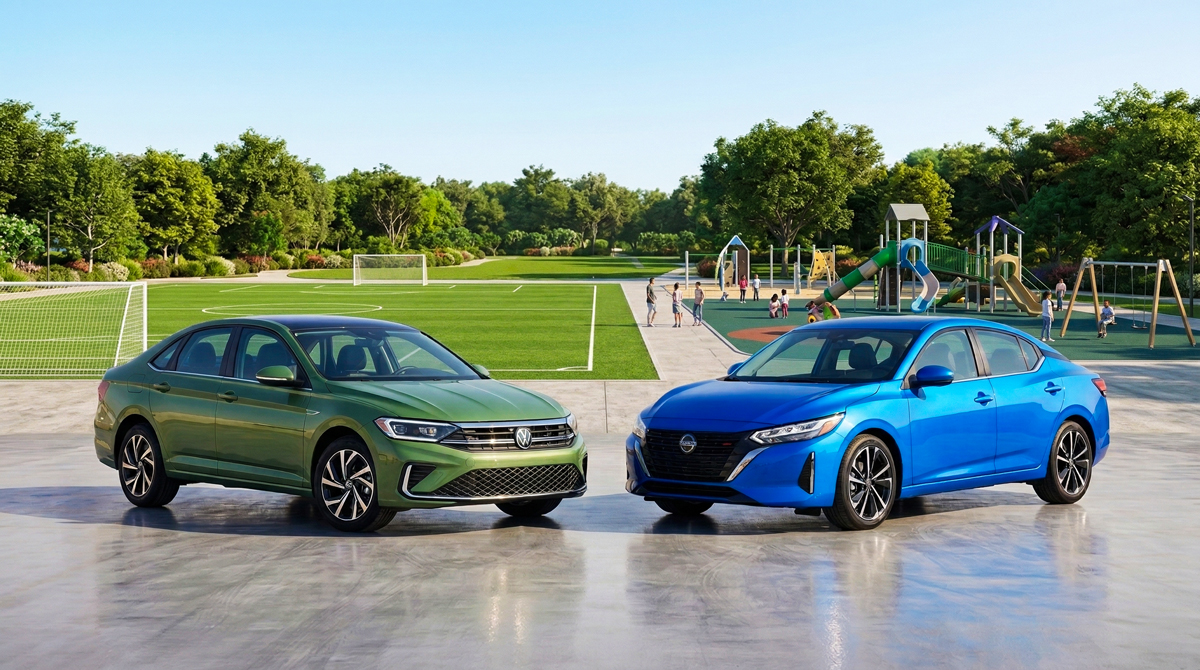
Compact sedans remain a cornerstone of the global car market despite the surge in SUV popularity. Models like the Volkswagen Jetta and Nissan Sentra continue to attract buyers who prioritize efficiency, affordability, and practical everyday driving. Both cars have evolved significantly in recent years, adding modern technology, improved safety systems, and more refined interiors. Yet each model reflects a different philosophy: the Jetta leans toward performance and European driving dynamics, while the Sentra emphasizes comfort, value, and commuter-friendly efficiency.
Design & Presence
Design plays a major role in how compact sedans differentiate themselves in a crowded market. Manufacturers aim to deliver styling that feels modern and upscale while still maintaining the practicality expected from this segment. Both the Jetta and Sentra achieve this in different ways, reflecting their brands’ design identities.
Volkswagen Jetta
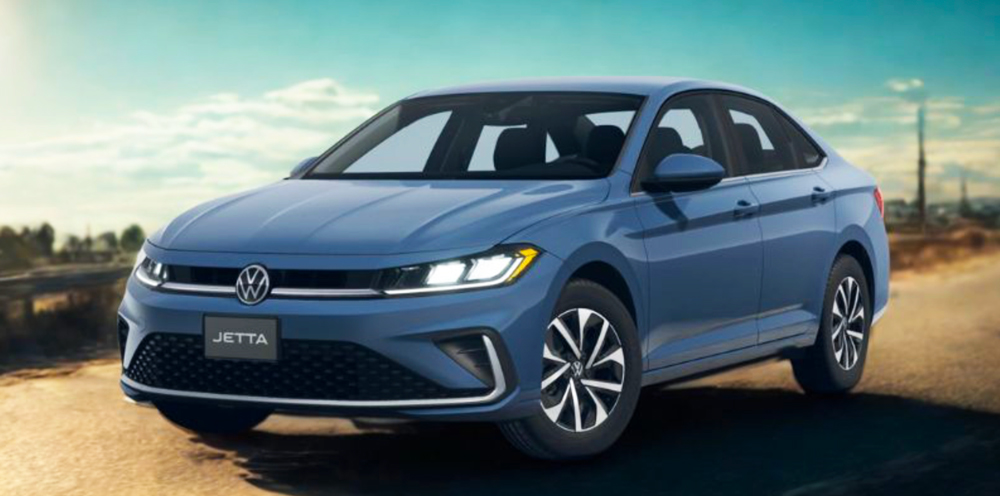
- Clean, understated styling inspired by Volkswagen’s larger sedans
- Slim LED headlights and wide grille for a refined look
- Smooth body lines that give the car a more mature appearance
- Available black accents and sport trims for added presence
Nissan Sentra
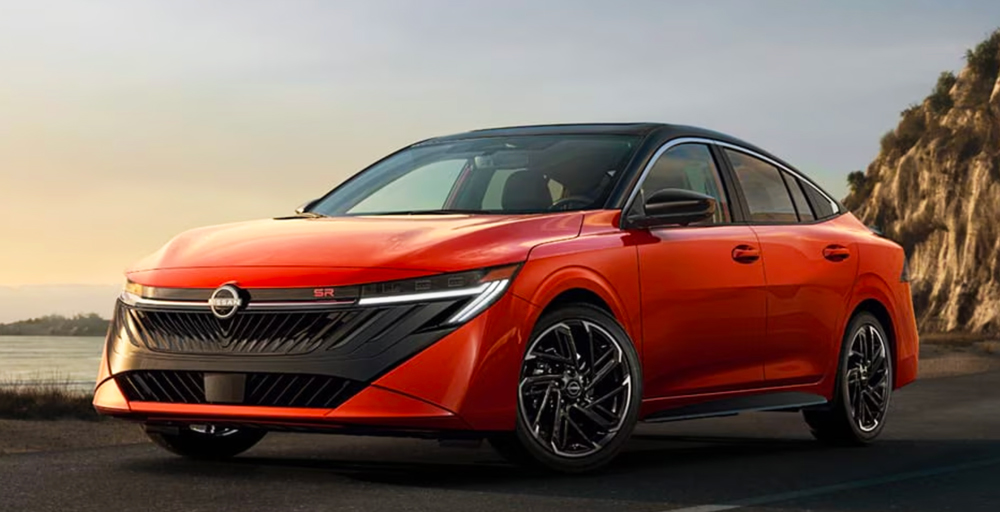
- Bold V-Motion grille and aggressive front fascia
- Sculpted bodywork with sharper character lines
- Floating-roof design and angular headlights
- Sport-inspired styling on higher trims
Performance & Driving Character
Performance differences between the Jetta and Sentra highlight their contrasting priorities. While both cars are designed primarily for daily commuting, their engines and transmissions create noticeably different driving experiences. One emphasizes responsiveness and torque, while the other focuses on smoothness and efficiency.
Volkswagen Jetta
- 1.5-liter turbocharged four-cylinder
- 158 horsepower and 184 lb-ft of torque
- Eight-speed automatic transmission
- Strong mid-range acceleration and balanced handling
Nissan Sentra
- 2.0-liter naturally aspirated four-cylinder
- 149 horsepower and 146 lb-ft of torque
- Continuously variable transmission (CVT)
- Smooth, efficiency-focused power delivery
Interior & Comfort
Interior quality has become a key battleground in the compact sedan segment. Buyers now expect cabins that feel comfortable, quiet, and well equipped, even at entry-level price points. Both the Jetta and Sentra offer spacious interiors and modern technology, but they prioritize different aspects of comfort.
Volkswagen Jetta
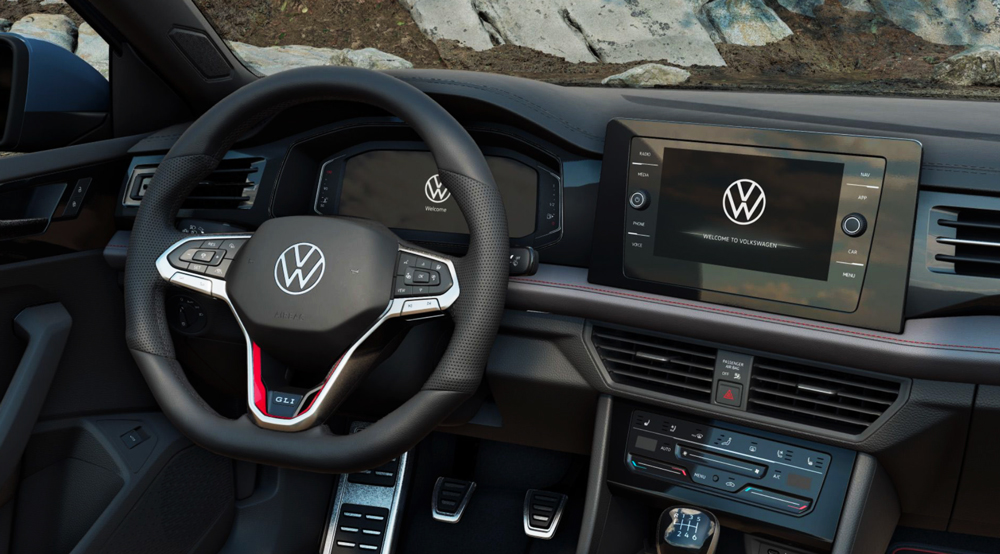
- Clean dashboard layout with a driver-focused design
- Available digital instrument cluster and large touchscreen
- Spacious rear seating with strong legroom for the segment
- Higher trims offer leather upholstery and ambient lighting
Nissan Sentra
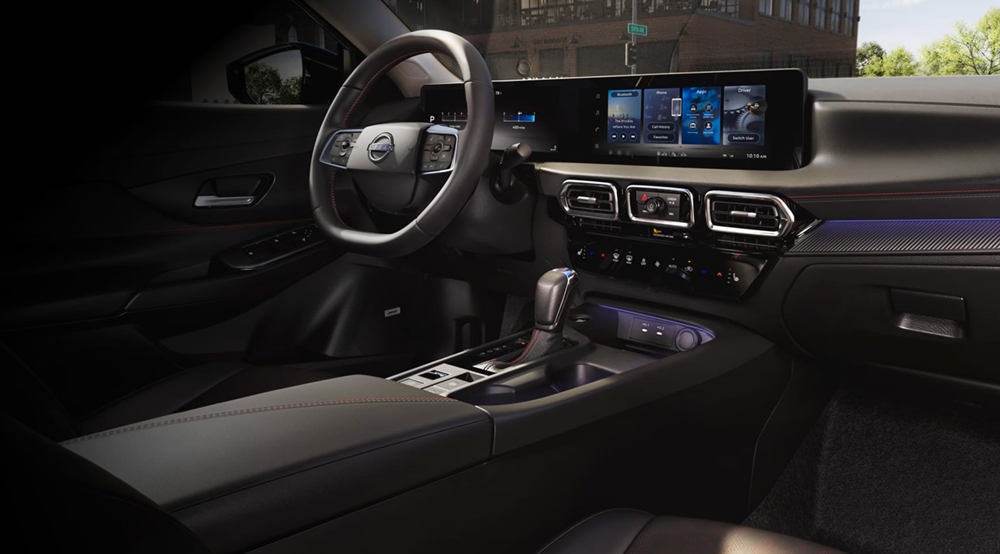
- Highly supportive front seats with Nissan’s “Zero Gravity” design
- Quiet ride with good cabin insulation
- Modern infotainment system and simple controls
- Soft-touch materials and thoughtful interior ergonomics
Technology & Safety
Technology expectations in compact sedans have increased dramatically over the past decade. Connectivity, driver assistance systems, and digital displays are now standard considerations for buyers in this category. Both vehicles deliver modern infotainment systems and advanced safety features designed to enhance daily driving confidence.
Common technology highlights
- Apple CarPlay and Android Auto connectivity
- Touchscreen infotainment systems
- Digital instrument displays on higher trims
- Wireless charging and multiple USB ports
Safety systems available on both
- Adaptive cruise control
- Lane-keeping assistance
- Automatic emergency braking
- Blind-spot monitoring
- Rear cross-traffic alert
Efficiency & Ownership Costs
Fuel efficiency continues to be one of the strongest advantages compact sedans hold over larger vehicles. Lower operating costs make them appealing for commuters, students, and urban drivers. Both the Jetta and Sentra deliver impressive efficiency figures while maintaining comfortable highway performance.
- Nissan Sentra: about 30 mpg city / 40 mpg highway
- Volkswagen Jetta: about 29 mpg city / 39 mpg highway
The Sentra holds a slight efficiency edge, while the Jetta’s turbocharged engine offers stronger acceleration for drivers who want a bit more responsiveness.
Value & Market Position
In the compact sedan segment, value extends beyond just purchase price. Buyers consider performance, interior quality, technology, and long-term ownership costs when evaluating options. The Jetta and Sentra appeal to slightly different priorities, making them attractive to different types of drivers.
Volkswagen Jetta advantages
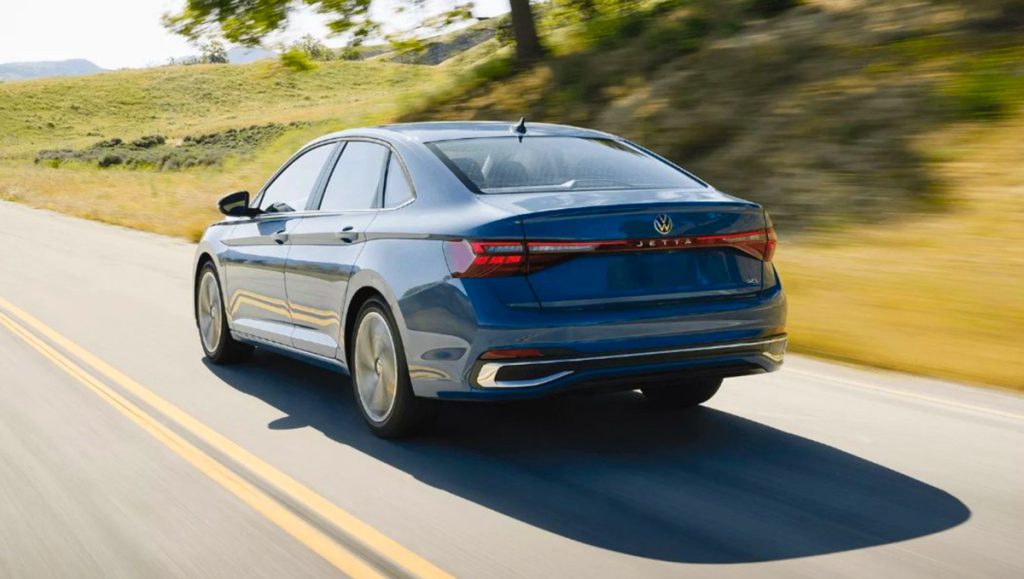
- Stronger acceleration from its turbocharged engine
- More engaging driving dynamics
- Interior presentation that feels slightly more premium
Nissan Sentra advantages
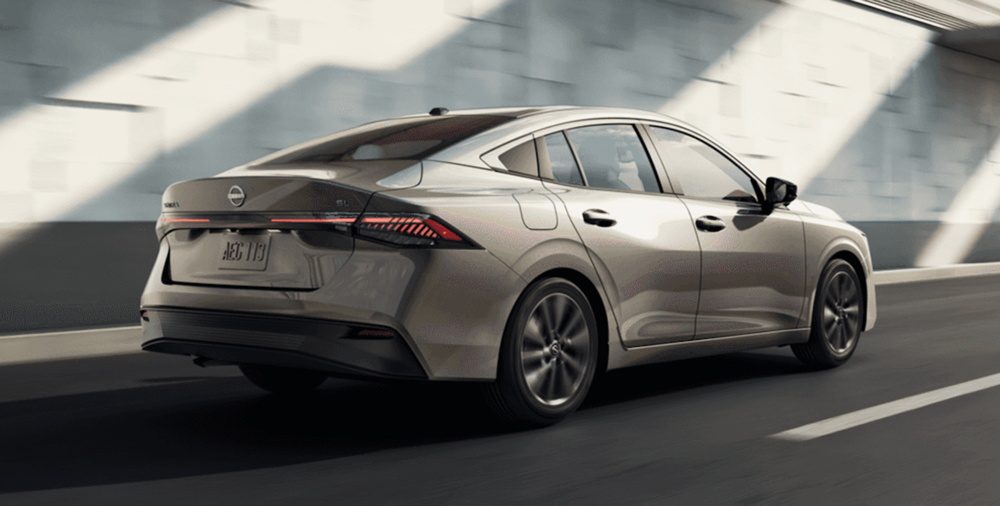
- Lower starting price
- Excellent ride comfort and supportive seating
- Strong fuel efficiency for daily commuting
MaxTake
The Nissan Sentra focuses on comfort, efficiency, and affordability, making it a strong choice for commuters and budget-minded drivers. The Volkswagen Jetta, with its turbocharged engine and sharper driving dynamics, offers a more engaging experience behind the wheel. For pure value, the Sentra delivers. For performance and refinement in a compact sedan, the Jetta has the edge.