
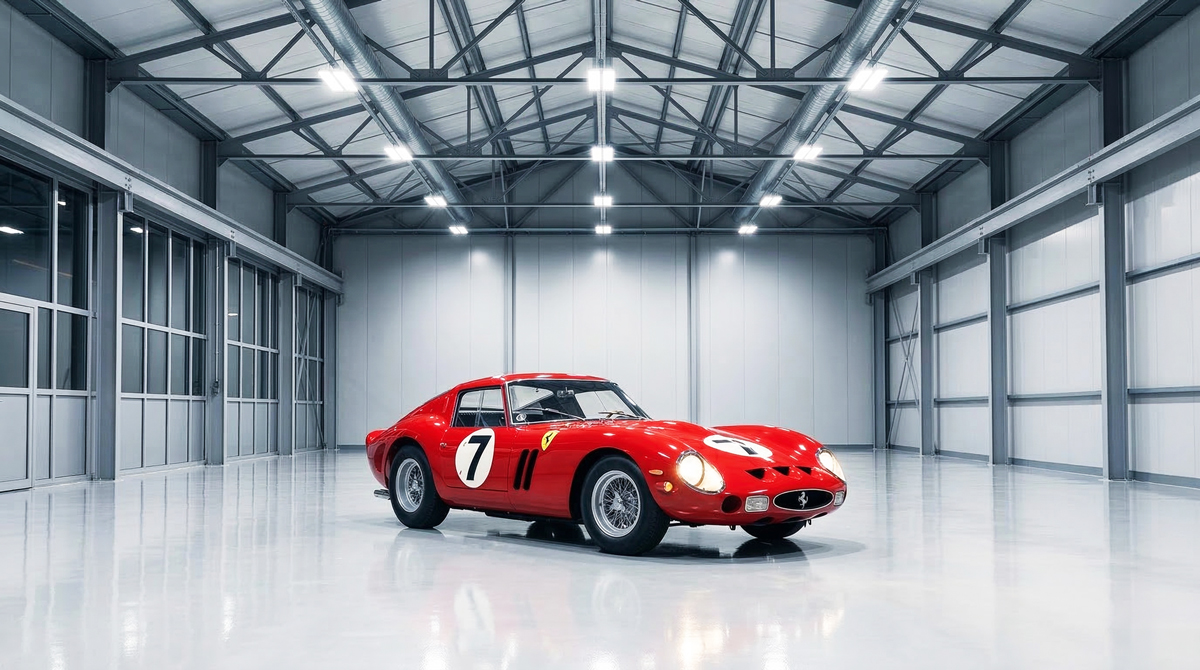
Some cars become icons. Others become myths. The 1962 Ferrari 250 GTO is both. Widely regarded as the most valuable and desirable collector car ever built, the 250 GTO represents the pinnacle of Ferrari’s golden era of racing engineering and handcrafted design. Only 36 examples were produced between 1962 and 1964, and each one was purpose-built for competition.
More than six decades later, the 250 GTO remains the ultimate symbol of exclusivity, motorsport heritage, and automotive artistry.
A Race Car Built for the Road
The Ferrari 250 GTO was developed to compete in the FIA’s Group 3 Grand Touring category, which required race cars to be based on road-legal production vehicles. Ferrari’s engineers created what was essentially a racing machine disguised as a grand touring car.
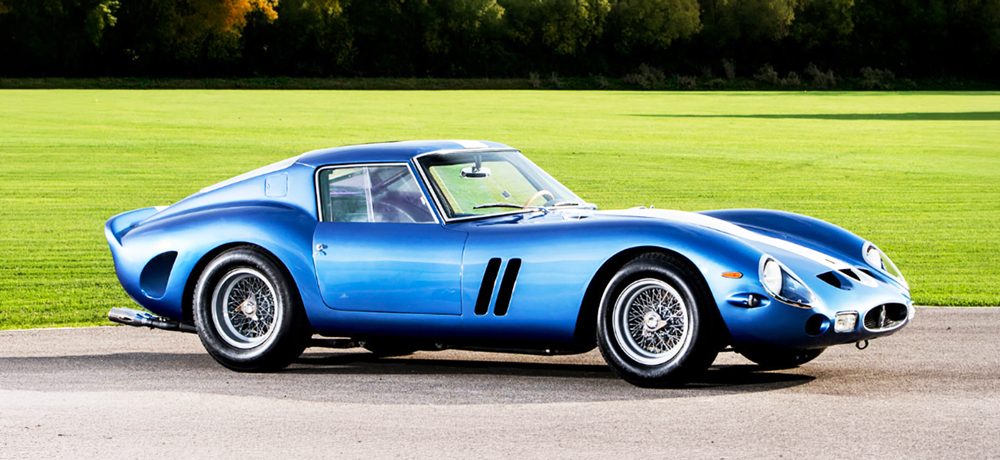
At the heart of the 250 GTO was the same philosophy that defined Ferrari during the early 1960s: light weight, mechanical purity, and relentless focus on performance.
Key mechanical highlights included:
- Engine: 3.0-liter Colombo V12
- Power: Approximately 300 horsepower
- Transmission: 5-speed manual gearbox
- Top Speed: Around 174 mph (280 km/h)
- Construction: Lightweight tubular steel chassis with aluminum bodywork
The V12 engine delivered a distinctive, high-revving soundtrack and remarkable durability during long endurance races.
Designed for Speed
The 250 GTO’s bodywork is one of the most recognizable shapes in automotive history. Designed with heavy input from Ferrari engineer Giotto Bizzarrini and later refined by Sergio Scaglietti, the car’s aerodynamic form was developed through extensive testing and race experience.
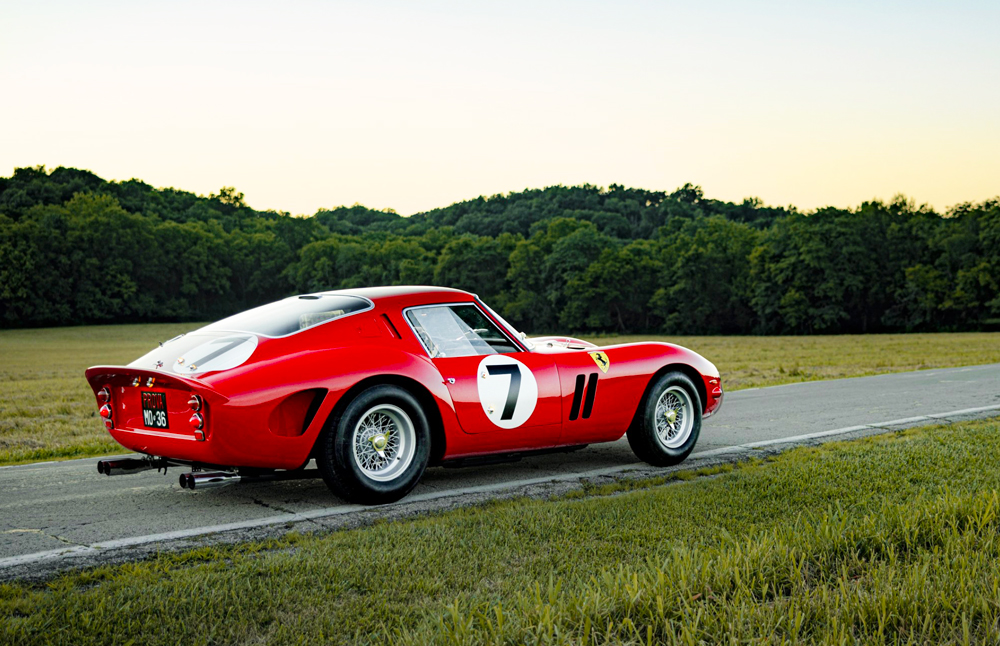
Every curve served a purpose:
- Long sculpted hood for the front-mounted V12
- Aggressive air intakes to cool brakes and engine components
- Kamm-style rear tail to improve high-speed stability
- Extremely lightweight aluminum body panels
Unlike modern cars designed by computers, the 250 GTO’s shape was refined through hands-on experimentation, wind tunnel testing, and real-world racing feedback.
Dominance on the Track
The Ferrari 250 GTO quickly proved itself as one of the most successful GT race cars of its era. From its debut in 1962, it dominated international competition.
Major racing achievements included:
- FIA GT World Championship victories: 1962, 1963, and 1964
- Class wins at the 24 Hours of Le Mans
- Victories at the Tour de France Automobile
- Success in endurance races across Europe and North America
What made the GTO special was its balance. It combined speed, reliability, and predictable handling — essential qualities for long-distance racing.
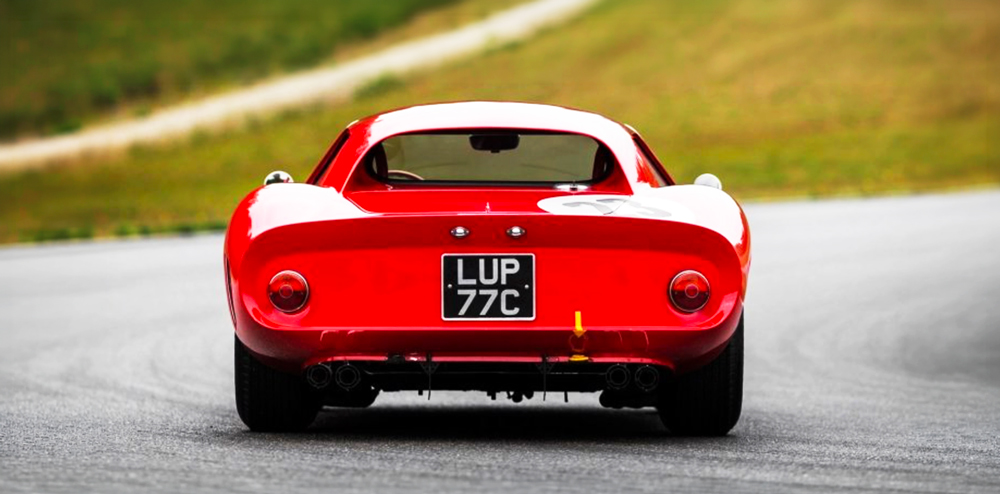
Drivers often described the car as surprisingly forgiving at the limit, a trait that helped it outperform rivals from Jaguar and Aston Martin.
A Handbuilt Legend
Every Ferrari 250 GTO was built largely by hand at Ferrari’s factory in Maranello. Buyers could not simply order one — they had to be personally approved by Enzo Ferrari himself. The cars were typically sold to serious racing teams and privateer drivers who intended to compete internationally.
Production numbers remain remarkably low:
- 36 total cars produced (1962–1964)
- 33 Series I cars (1962–1963)
- 3 Series II cars (1964 body style)
Because nearly all examples survived and remain documented, each car has a well-known history, often tied to specific races and drivers.
The Most Valuable Car in the World
Today, the Ferrari 250 GTO sits at the very top of the collector car market. Private sales have reportedly exceeded $70 million, making it the most expensive automobile ever sold. In rare cases, valuations have approached $80 million or more, depending on racing pedigree and originality.
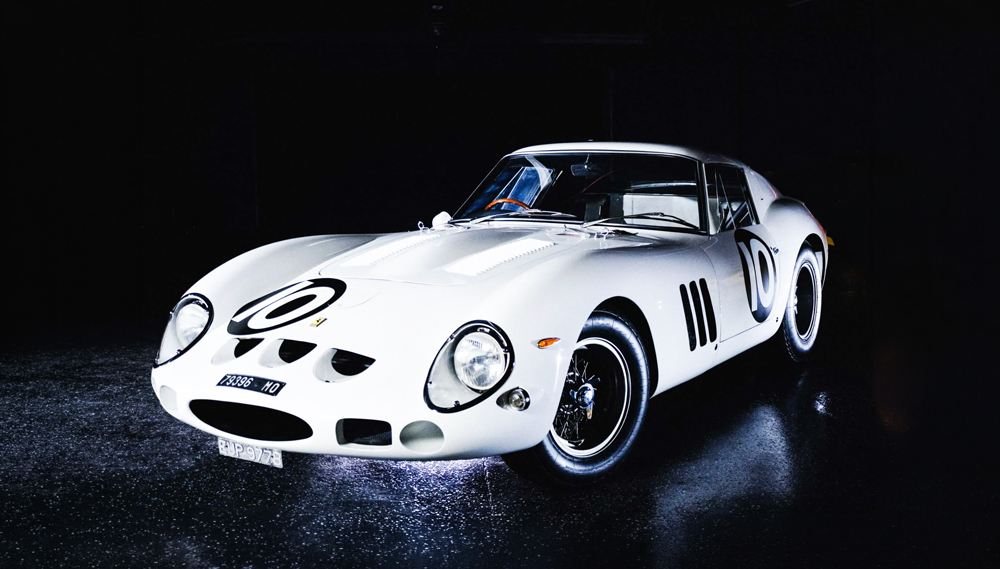
Several factors drive these extraordinary prices:
- Extremely limited production
- Historic racing success
- Ferrari’s legendary brand heritage
- Unmatched collector demand
For elite collectors, owning a 250 GTO is considered the ultimate achievement.
Timeless Design
Even beyond its performance and rarity, the 250 GTO is admired as a masterpiece of automotive design. The proportions are pure and purposeful — a long nose, compact cabin, and muscular rear fenders that hint at the car’s racing intentions.
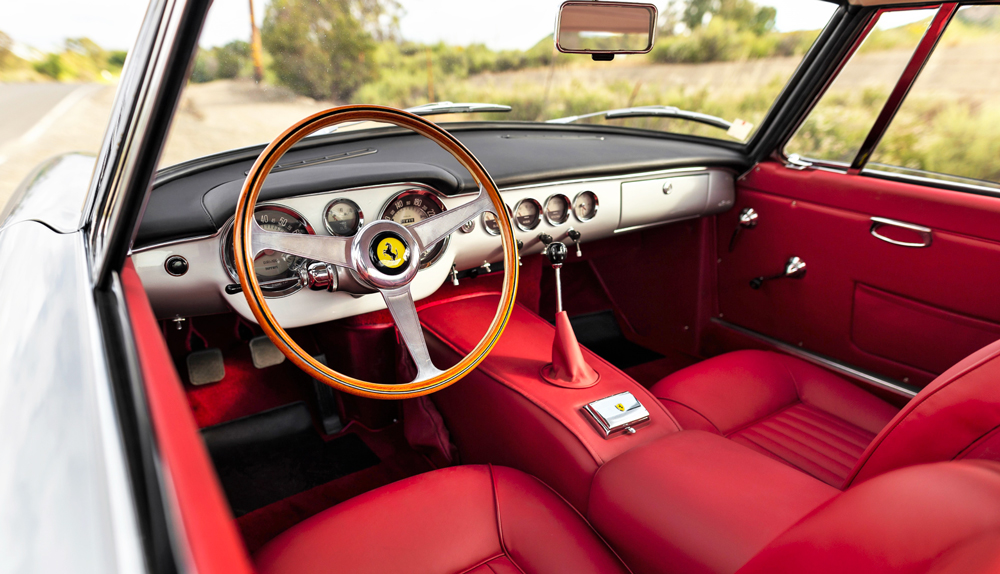
The interior is equally purposeful:
- Minimal instrumentation
- Lightweight bucket seats
- Bare aluminum surfaces
- No unnecessary luxury features
Everything about the car exists for speed.
Why the 250 GTO Still Matters
Many legendary cars have come and gone over the decades, but the Ferrari 250 GTO occupies a unique place in automotive culture. It represents the moment when racing innovation, craftsmanship, and design reached perfect harmony.
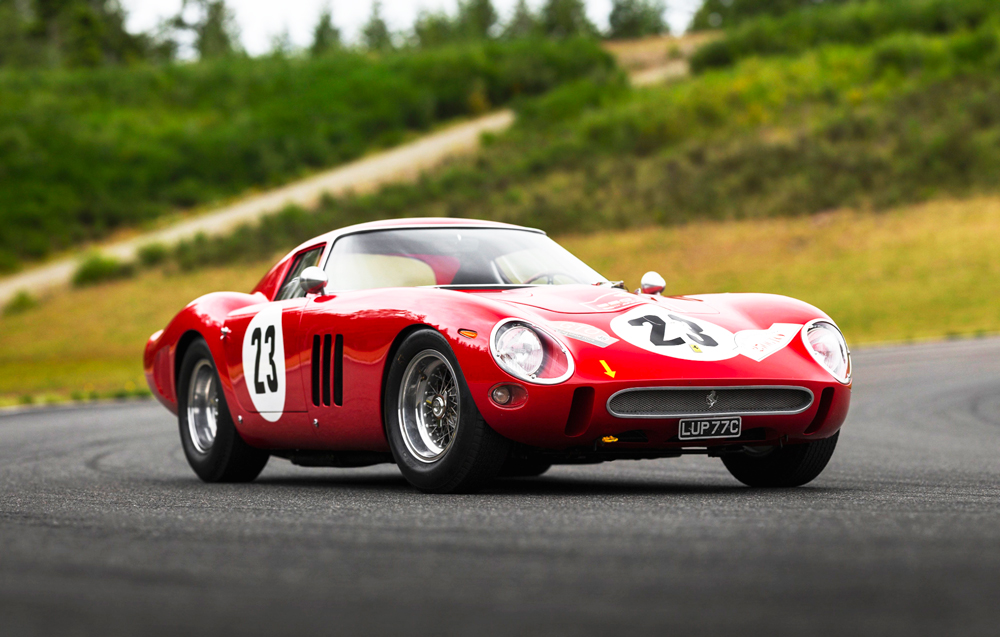
The GTO is not just a collector’s item — it is a rolling piece of motorsport history.
For enthusiasts and historians alike, the 250 GTO remains the gold standard of what a classic performance car can be.
MaxTake
The 1962 Ferrari 250 GTO isn’t simply the most valuable classic car ever built — it’s arguably the most important. A rare combination of racing pedigree, engineering brilliance, and timeless design ensures the GTO’s legend will endure for generations. In the world of classic automobiles, nothing sits higher on the pedestal.