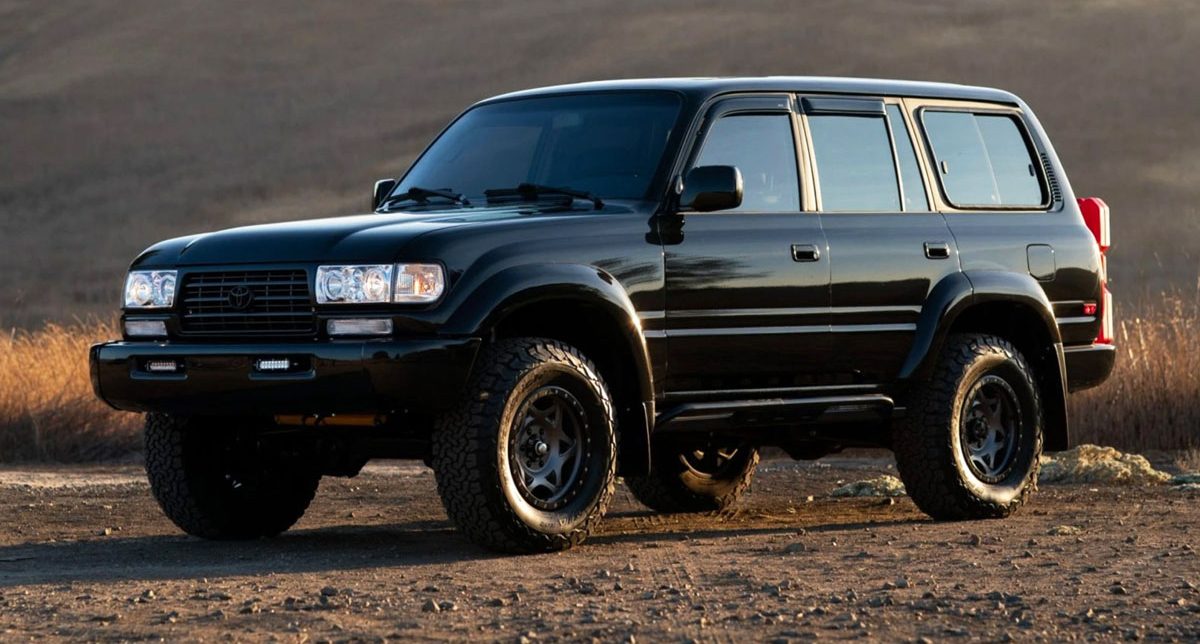
The Toyota Land Cruiser 80 Series has aged into something the market once overlooked: a serious collector SUV that never needed to shout. Built from 1990 to 1997, the 80 Series arrived as the bridge between old-school utility and modern SUV comfort, carrying the toughness of earlier Land Cruisers while adding coil-spring suspension, a more livable cabin, and the kind of long-distance confidence that made it a global favorite.
For years, it was simply “the old Land Cruiser.” Now, collectors see it differently. The 80 Series sits in that sweet spot where durability, mechanical honesty, everyday usability, and genuine off-road ability all meet. In a market full of SUVs pretending to be rugged, this one never had to pretend.
Built Before SUVs Became Accessories
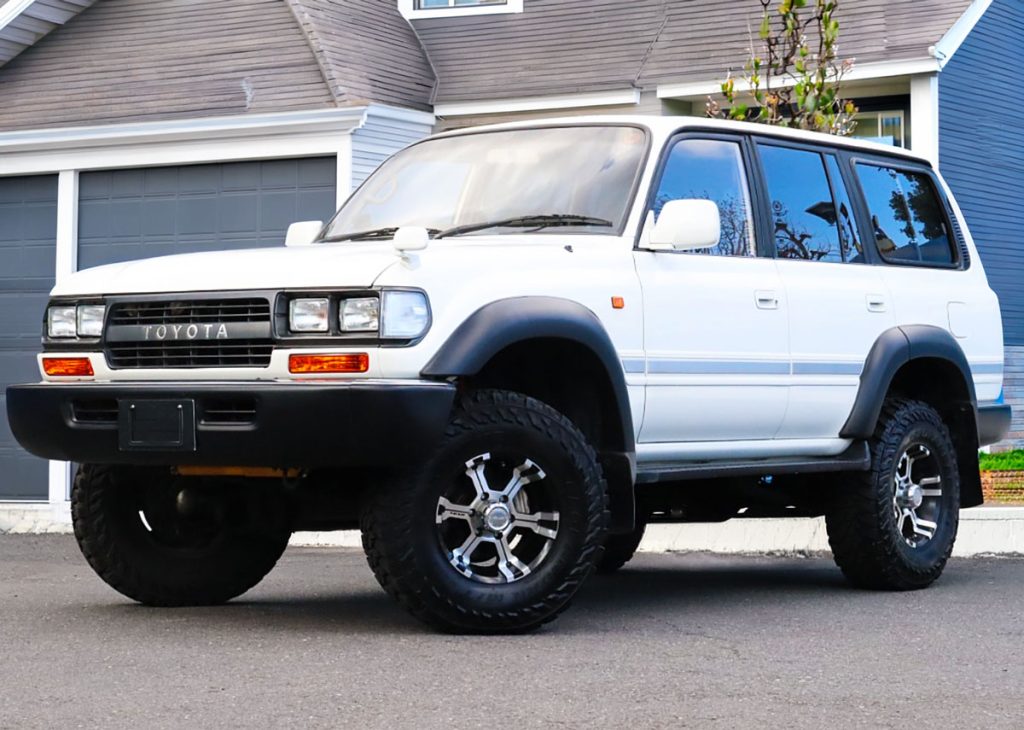
The 80 Series came from an era when Toyota still treated the Land Cruiser as a tool first and a lifestyle object second. It was body-on-frame, available with full-time four-wheel drive, and built around serious mechanical hardware rather than software theatrics. Early North American examples used the 4.0-litre 3F-E inline-six, while 1993–1997 FZJ80 models gained the stronger 4.5-litre 1FZ-FE inline-six, rated around 212 horsepower and 275 lb-ft of torque.
That engine upgrade matters. The 1FZ-FE did not turn the Land Cruiser into a sports SUV — nobody is confusing this with a Nürburgring weapon unless they’ve had a very confusing week — but it gave the 80 Series the torque and smoothness it needed to feel properly grown-up. It could tow, climb, haul, idle through rough terrain, and still carry a family in relative comfort.
The Hardware Collectors Care About
The magic of the 80 Series is not just nostalgia. It is the specification. Solid axles, coil springs, a dual-range transfer case, and available locking front and rear differentials gave certain models a level of off-road credibility that modern SUVs often try to recreate with drive modes and touchscreen graphics.
That is why the phrase “triple locked” carries so much weight among Land Cruiser people. A properly equipped 80 Series with locking center, front, and rear differentials is not just collectible because it is rare; it is collectible because the equipment actually means something. It was engineered for places where recovery trucks do not casually appear.
Why Collectors Finally Caught Up
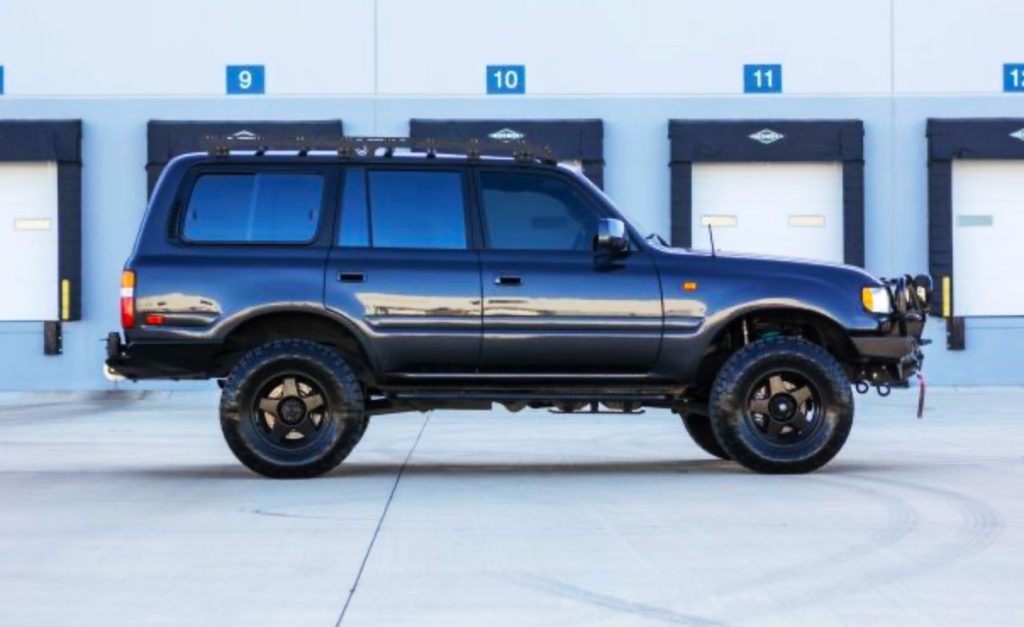
The 80 Series spent a long time living in the shadow of older FJ40s and newer luxury-oriented Land Cruisers. The FJ40 had the poster appeal. The 100 Series brought more refinement. The 200 Series became the modern overland flex. The 80 Series sat quietly in the middle, doing the work.
That quiet middle ground is exactly why it now makes sense. Collector attention has shifted toward vehicles that are usable, authentic, and mechanically durable. The best 80 Series examples are no longer cheap old SUVs. They are reference-point machines — the kind buyers want because they represent a peak moment in Toyota engineering before luxury, emissions complexity, and digital systems changed the Land Cruiser formula.
What Makes the Right One
For collectors, condition matters more than mileage alone. These trucks were built to cover big distances, but neglect still leaves fingerprints. Rust, poor modifications, tired suspension components, worn interiors, questionable engine maintenance, and low-quality overland accessories can all drag down desirability.
The strongest examples tend to share a few traits:
- Clean body and frame condition
- Documented maintenance history
- Original or tasteful modifications
- Factory lockers, when equipped
- Healthy 1FZ-FE engine performance
- Intact interior trim
- No major corrosion hiding underneath
A high-mileage but well-maintained 80 Series can be more appealing than a lower-mileage truck with patchy history. That is the Land Cruiser paradox: mileage is not meaningless, but care matters more.
The Driving Experience
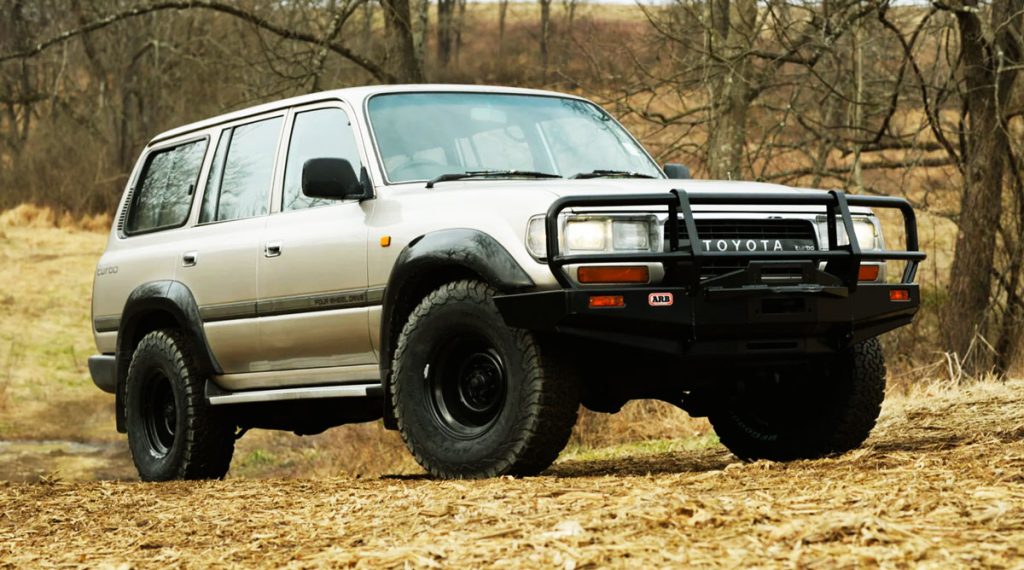
By modern standards, the 80 Series is slow, heavy, and thirsty. That is not a flaw; that is the receipt. You are buying a vehicle built for durability, not efficiency theatre. The steering is relaxed, the power delivery is steady, and the whole vehicle has a dense, deliberate feel that newer SUVs often lack.
It does not glide like a luxury crossover, but it feels honest. The 80 Series has weight in its controls, visibility from its upright cabin, and a kind of mechanical calm that makes it deeply satisfying. It is not trying to isolate you from the road completely. It lets you know there is machinery underneath — good machinery.
Why It Still Feels Relevant
The 80 Series has become more relevant because modern SUVs have moved so far away from its formula. Today, rugged design is everywhere, but true mechanical simplicity is harder to find. The Land Cruiser 80 offers a rare combination: old-school capability, Toyota reliability, collector credibility, and enough comfort to still be enjoyable on regular roads.
It also benefits from the broader rise of classic 4x4s. Buyers who once chased coupes and sports cars are now paying attention to SUVs with real history and usability. The 80 Series fits that movement perfectly. It is collectible, but not fragile. Valuable, but not decorative. Capable, but not costume-like.
MaxTake
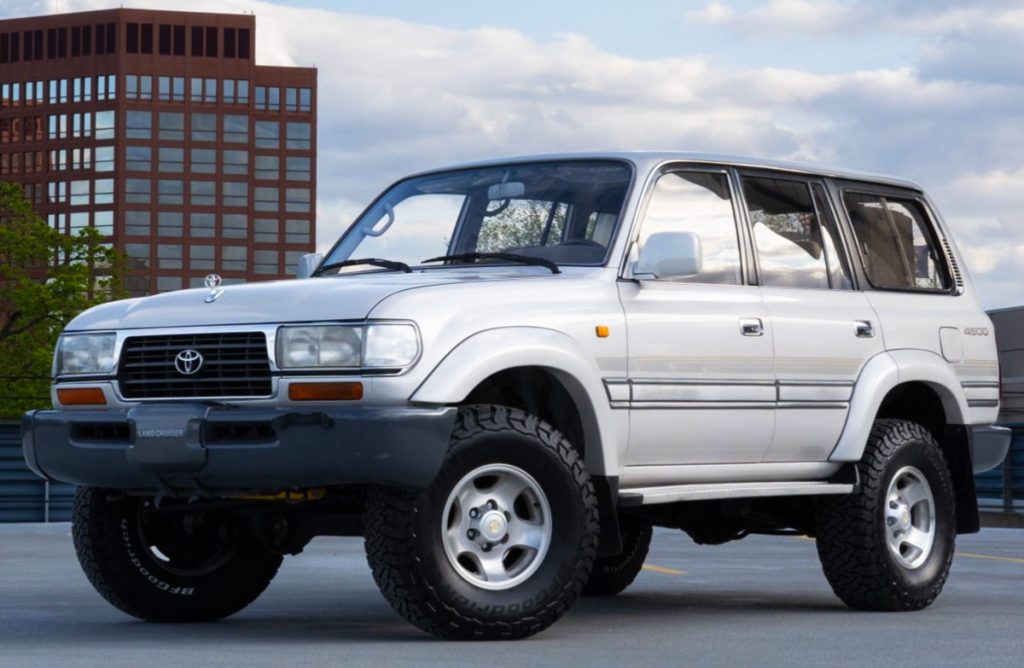
The Toyota Land Cruiser 80 Series is the SUV collectors finally understand because it was never built around hype. It was built around trust. Its appeal comes from hardware, engineering, durability, and the rare feeling that every part of it was designed with purpose.
The market took its time catching up, but the logic is clear now. The 80 Series is one of Toyota’s great modern classics: tough enough to cross continents, refined enough to live with, and honest enough to make most modern adventure SUVs look like they’re still waiting for permission to get dirty.