Modern vehicles can already watch the road with cameras, measure distance with radar and detect nearby objects through ultrasonic sensors. Yet even the most sophisticated sensor suite remains limited by one stubborn rule: it cannot reliably detect what it cannot see.
A delivery truck can hide a pedestrian. Buildings can block cross-traffic at an intersection. Heavy rain can obscure lane markings, while a sharp bend can conceal stopped traffic until a driver is almost on top of it. Vehicle-to-everything communication, better known as V2X, is designed to add another layer of awareness by allowing vehicles, infrastructure and road users to exchange timely safety information.
V2X does not give a car literal X-ray vision. It could, however, tell the vehicle what is happening beyond its sensors—and sometimes before the danger becomes visible at all.
The Blind Spot Sensors Cannot Eliminate
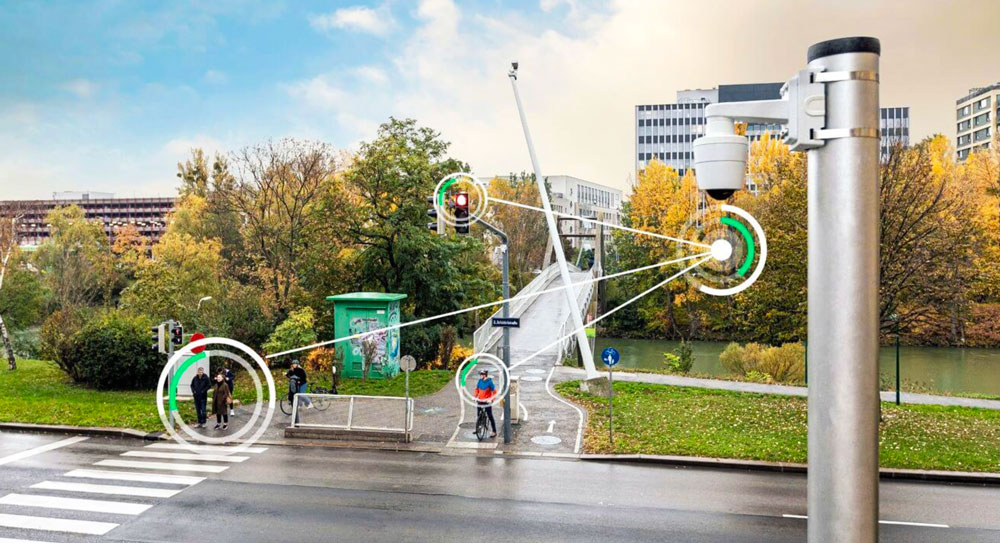
Cameras, radar and lidar are observational technologies. They examine the environment around the vehicle and help its software determine what objects are present, where they are moving and whether they pose a threat.
Their weakness is obstruction. A camera cannot identify a cyclist hidden behind a parked van. Radar may struggle to classify objects precisely, while lidar still requires a usable line of sight. Weather, dirt, glare, damaged hardware and complicated urban environments can further reduce performance.
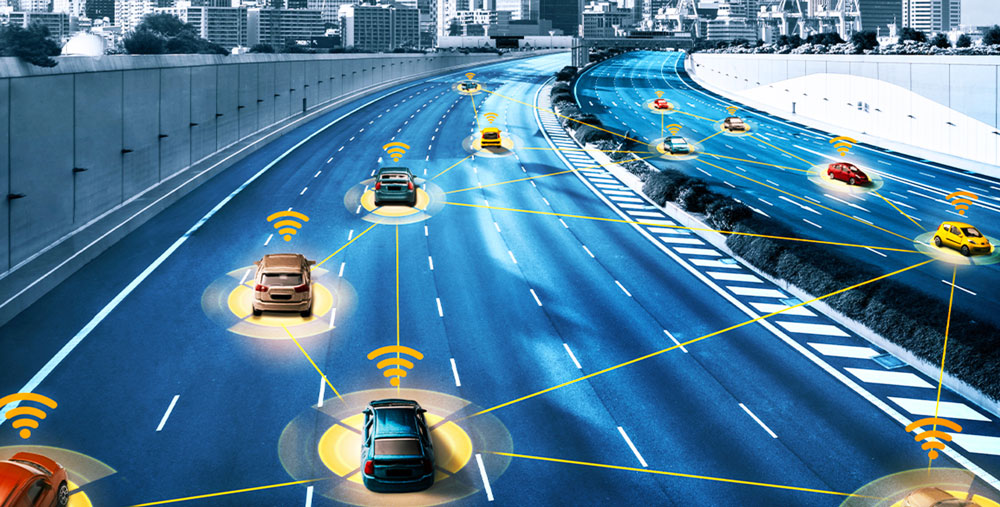
V2X approaches the problem differently. Instead of asking one vehicle to discover everything independently, it creates a cooperative information system. Another vehicle can report that it is braking hard. A traffic signal can transmit when it will change. Roadside equipment can warn of a pedestrian in a crosswalk, even when that person is hidden from an approaching driver.
The vehicle is no longer relying exclusively on what it can observe. It is also listening to what trusted participants know.
What the “Everything” in V2X Means
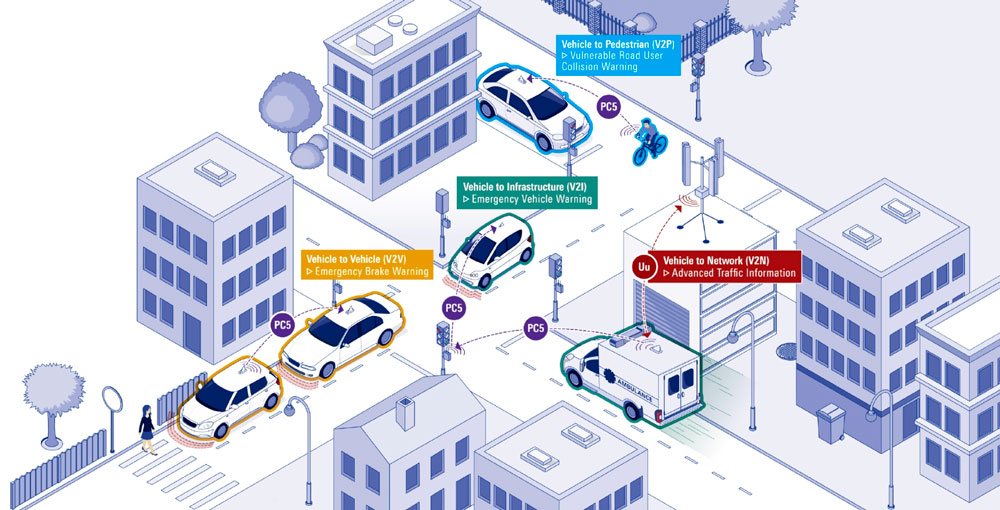
V2X is an umbrella covering several types of communication:
- Vehicle-to-vehicle, or V2V, allows nearby vehicles to exchange information such as position, speed, direction and braking status.
- Vehicle-to-infrastructure, or V2I, connects vehicles with traffic signals, roadside units, work zones, railway crossings and traffic-management systems.
- Vehicle-to-pedestrian, or V2P, is intended to improve awareness of cyclists, pedestrians and other vulnerable road users through compatible devices, connected infrastructure or roadside detection systems.
- Vehicle-to-network, or V2N, uses mobile networks and cloud services to distribute information over longer distances.
These connections serve different purposes. Immediate collision warnings benefit from fast, direct communication between nearby devices. Information about congestion, weather or a lane closure several kilometres ahead can travel through a wider cellular network.
V2X is therefore more than cars talking to other cars. It is an attempt to turn the entire road environment into a shared safety network.
What a Connected Vehicle Would Say
A V2X message is not meant to be a livestream from the vehicle. For basic safety applications, it can be a compact update containing details such as location, speed, heading, acceleration and brake activity.
Consider a car performing emergency braking three vehicles ahead. A following driver may not see its brake lights because two SUVs are blocking the view. With compatible V2V communication, the braking vehicle could broadcast the event immediately. Other equipped vehicles would calculate whether the warning is relevant based on their own position and direction.
The same principle applies at intersections. A vehicle approaching too quickly from a side street could transmit enough information for another vehicle to identify a potential crossing-path collision. The driver might receive a warning before either car becomes visible to the other.
Importantly, V2X is the communication layer—not necessarily the system making the driving decision. The receiving vehicle must determine whether the information is current, credible and relevant. It may warn the driver or, where properly integrated with an advanced driver-assistance system, use the message as one input among several.
When the Road Starts Talking
Infrastructure may ultimately provide some of the most valuable V2X applications because it can observe and communicate conditions across an entire intersection or corridor.
A connected traffic signal can transmit its current phase and expected timing. An approaching vehicle could then warn a distracted driver about a likely red-light violation. Less urgent applications could recommend a suitable speed for reaching the next green light, reducing unnecessary acceleration, braking and idling.
Roadside equipment could also broadcast:
- A queue of stopped vehicles beyond a hill or curve
- A lane closure or worker presence inside an active construction zone
- An approaching emergency vehicle and its intended path
- A wrong-way driver entering a highway
- A train approaching a railway crossing
- Ice, standing water or another hazardous road condition
- A temporary speed limit or changing school-zone restriction
- A pedestrian or cyclist detected in an obscured crossing area
Road authorities could use connected information in the opposite direction as well. Anonymous vehicle data showing repeated hard-braking events could help identify a dangerous intersection or misleading road layout before a pattern of serious crashes develops.
C-V2X Is Not Simply “Cars Using 5G”
Cellular vehicle-to-everything, or C-V2X, is currently central to the American V2X strategy, but the name can create confusion. Direct C-V2X communication can operate between nearby vehicles and roadside equipment without routing every message through a cellular tower. This direct link is intended for fast, local exchanges.
Network-based communication can separately use commercial cellular infrastructure to distribute information across a larger area. That makes it suitable for warnings about incidents, congestion, weather and other conditions that do not require an immediate direct exchange.
Newer 5G-based V2X standards are designed to support more advanced forms of cooperation, potentially including richer perception information and coordinated manoeuvres. Those capabilities require considerably more than faster radio hardware. Vehicles must also interpret shared information consistently, confirm its reliability and respond safely when messages are missing or contradictory.
Sensors and Connectivity Work Better Together
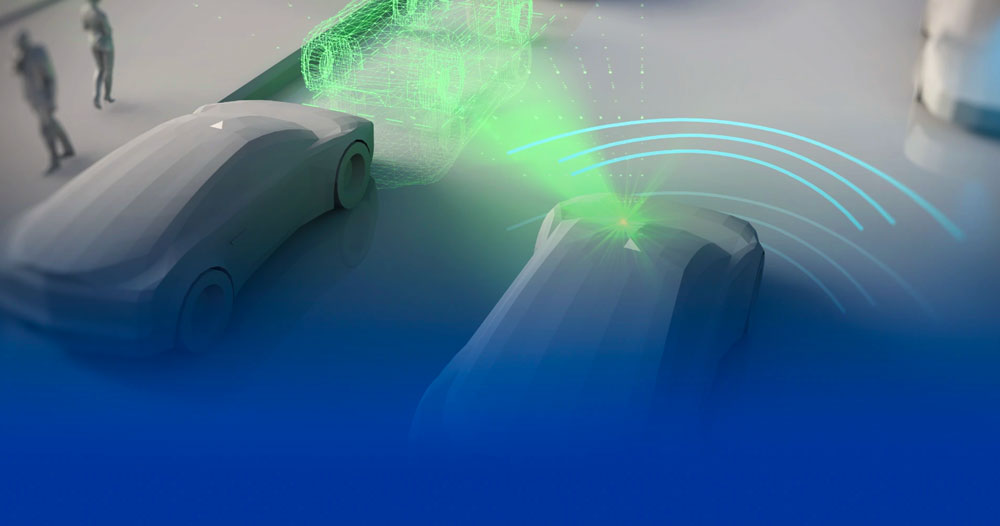
V2X should not be treated as a replacement for cameras, radar or lidar. Communication can fail, coverage will be uneven and many vehicles or road users will remain unequipped for years. A car still needs to recognize hazards independently.
The stronger model is sensor fusion. Onboard sensors provide direct physical evidence, while V2X contributes information from outside the vehicle’s immediate field of view. Each can help validate the other.
If infrastructure reports a cyclist approaching from behind a visual obstruction, the vehicle can prepare its sensors to look for that cyclist as the view opens. If a connected car claims to be approaching an intersection but the message contains inconsistent positioning or timing data, the receiving system can reduce its confidence or disregard the warning.
That distinction matters. V2X should expand awareness without turning every radio message into an unquestioned command.
The Challenge of Protecting Vulnerable Road Users
Pedestrians and cyclists could benefit significantly from earlier detection, but vehicle-to-pedestrian communication is one of the harder pieces to implement.
Requiring everyone to carry a compatible device, activate an application and maintain precise positioning would create obvious limitations. Phone battery use, location accuracy, network availability and privacy must also be considered.
Connected infrastructure offers another route. A roadside camera, thermal sensor or other detection system could identify someone entering a crosswalk and broadcast a safety message to approaching vehicles. The message would communicate the presence and movement of the road user without requiring that person to own special equipment.
No single approach will cover every situation. The likely solution is a mixture of direct communication, network services and infrastructure-based detection.
Trust Must Arrive Before Scale
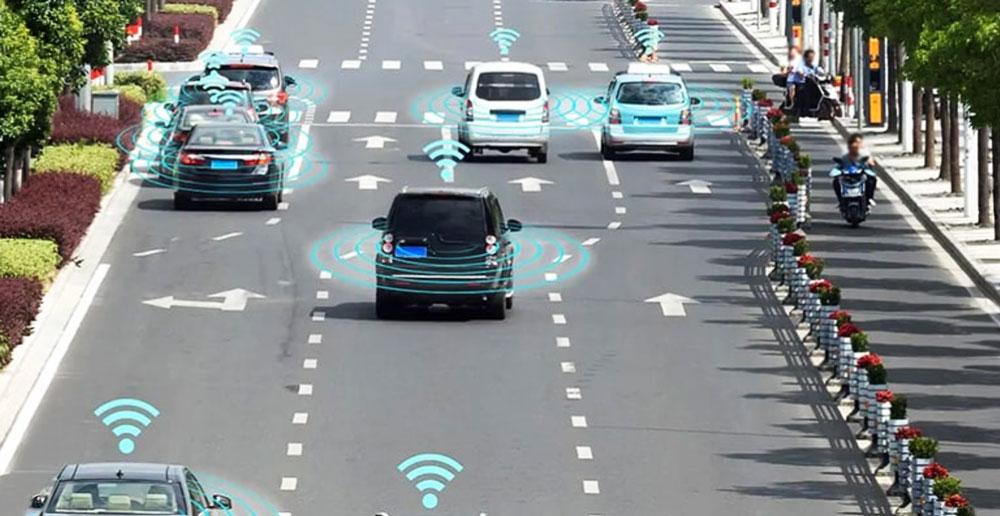
A safety network is useful only if vehicles can trust the messages they receive. A malicious or malfunctioning device broadcasting false collision warnings could cause confusion, unnecessary braking or wider disruption.
V2X security systems are therefore being designed around authenticated messages and managed digital certificates. These certificates can establish that a message came from an authorized device without requiring the broadcast of a driver’s name or permanent public identity. Misbehaving devices can potentially be detected and have their messaging privileges revoked.
Privacy still requires careful governance. Even pseudonymous location messages can become sensitive if collected, retained or combined improperly. Automakers, road operators and service providers will need clear limits covering what information is stored, how long it remains available and who may use it.
Cybersecurity cannot be bolted on after deployment. It must extend from the vehicle and roadside unit to traffic-control centres, software suppliers, certificate systems and maintenance procedures.
Deployment Is the Real Test
The United States has established final rules for C-V2X operation in the dedicated upper portion of the 5.9 GHz transportation band. Its national deployment plan sets phased, aspirational targets extending through 2036, including wider coverage of the National Highway System, connected intersections and compatible production vehicles.
Europe is already operating cooperative transport services across parts of its road network, supported by thousands of roadside units and coordinated cross-border programs. Its ecosystem includes both direct short-range communication and cellular network services.
Neither region has reached universal coverage. Technical standards, funding, infrastructure maintenance, security credentials and compatibility between vehicles from different manufacturers remain major challenges.
V2X also faces the classic network-effect problem: automakers gain more value when roads are connected, while road authorities gain more value when enough vehicles can use the infrastructure. Early expansion is therefore likely to remain concentrated around controlled fleets and high-value corridors. Buses, emergency vehicles, maintenance fleets, freight routes and dangerous intersections can produce practical benefits without waiting for every private vehicle to be connected.
What Drivers May Eventually Notice
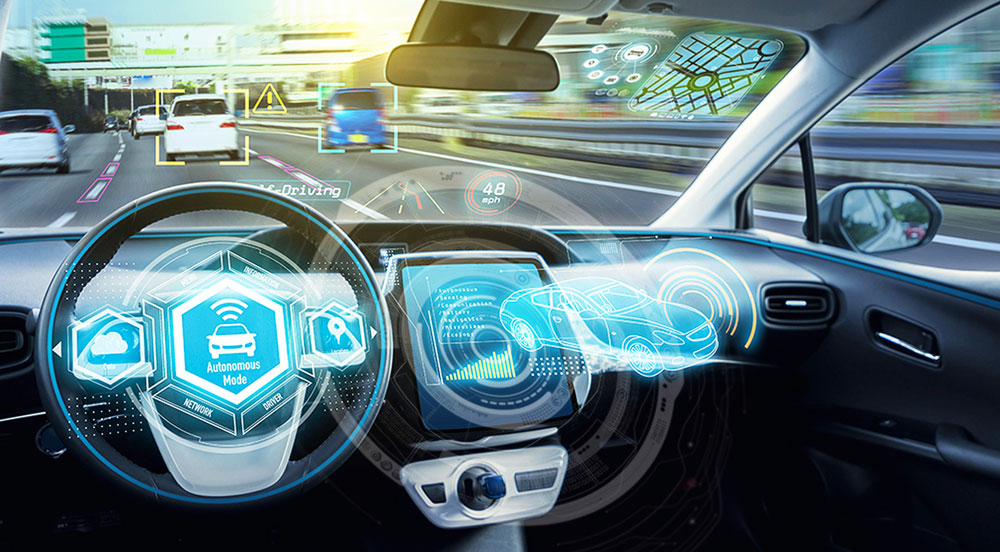
The best V2X experience may be the one drivers barely notice. It should not turn the dashboard into a chat room for overly anxious automobiles.
Warnings must be timely, relevant and prioritized. A potential collision hidden around a corner deserves immediate attention. A signal changing in 20 seconds does not require the same urgency. Poorly designed alerts would quickly create distraction and warning fatigue.
When implemented well, V2X could appear as a small number of highly useful interventions: a warning about an unseen emergency vehicle, a stopped queue beyond a curve or a pedestrian stepping into an obscured crosswalk. In more automated vehicles, the same information may quietly help the driving system anticipate hazards earlier.
MaxTake
V2X will not make cameras, radar or lidar obsolete. It addresses something those technologies cannot completely overcome: the physical limits of seeing the road from a single vehicle.
Its greatest contribution could be turning isolated safety systems into a cooperative one. A car would know that another vehicle is braking before its brake lights become visible, that a signal is about to change or that infrastructure has detected someone behind an obstruction.
The technology is technically credible and already moving beyond closed demonstrations, but nationwide benefits depend on interoperable vehicles, connected infrastructure, resilient security and disciplined privacy rules. That rollout will take time.
The future car may still watch the road through sensors. The difference is that the road—and everyone using it—could finally talk back.