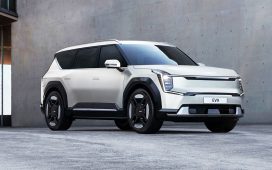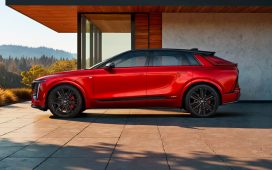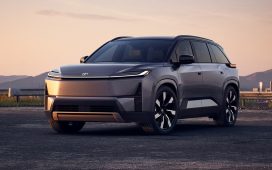
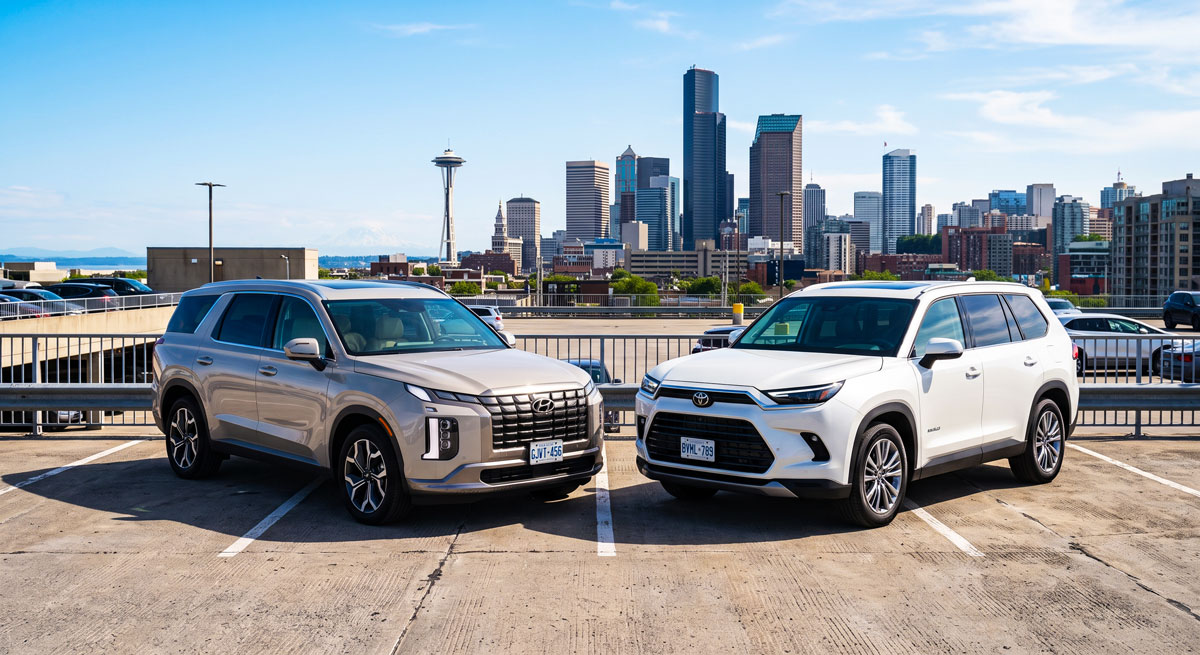
The three-row hybrid SUV has become the new family flagship. Buyers want genuine passenger space, manageable fuel consumption and enough power to move a full cabin without making every highway merge feel like a group project. The 2026 Hyundai Palisade Hybrid and 2026 Toyota Grand Highlander Hybrid approach that brief from opposite directions.
Hyundai emphasizes power, technology and near-luxury presentation. Toyota concentrates on efficiency, cargo capacity and straightforward practicality. Both can carry seven or eight passengers, both are conventional hybrids requiring no external charging, and both begin in the mid-$40,000 range in the United States. Choosing between them depends on whether refinement or measurable utility sits higher on the family agenda.
Powertrain — Hyundai Brings the Muscle
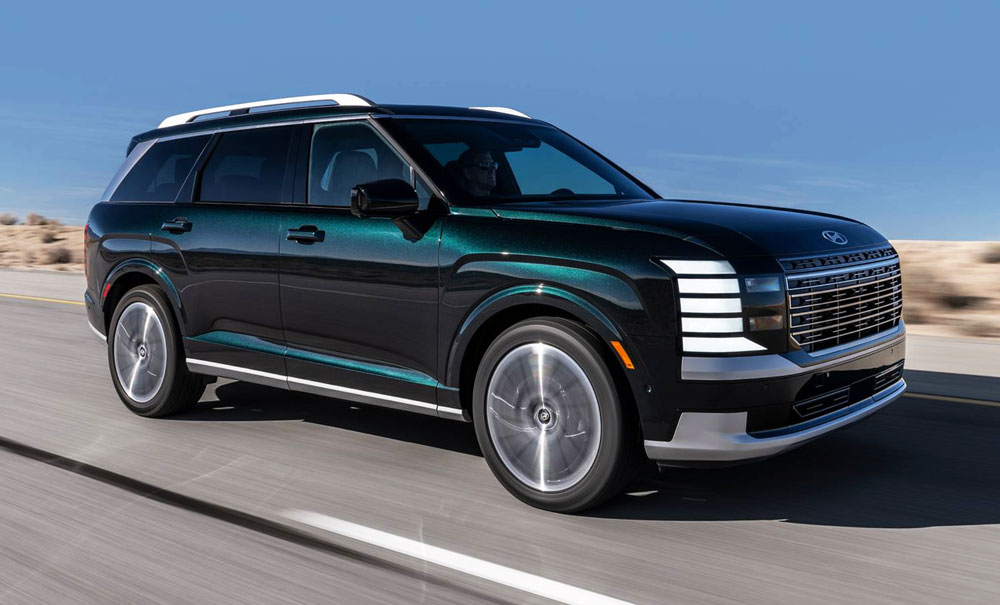
The Palisade Hybrid combines a turbocharged 2.5-litre four-cylinder engine with two electric motors integrated into a six-speed automatic transmission. Total output reaches 329 horsepower and 339 pound-feet of torque, with front-wheel drive or Hyundai’s HTRAC all-wheel drive available.
Those figures give the Hyundai a substantial advantage over the standard Grand Highlander Hybrid. Toyota’s efficiency-focused system pairs a naturally aspirated 2.5-litre four-cylinder with an electronically controlled continuously variable transmission, producing 245 combined horsepower. Front-wheel drive and electronic on-demand all-wheel drive are available depending on the grade.
The Toyota is smooth and responsive around town, where its electric assistance does its best work. Under heavier acceleration or with a full passenger load, however, its lower output and continuously variable transmission can make the engine work noticeably harder. The Palisade’s turbocharged torque and conventional gear changes produce stronger passing response and a more relaxed character at highway speeds.
Toyota does offer an escape route for buyers who want more performance. The Grand Highlander Hybrid MAX uses a turbocharged 2.4-litre hybrid powertrain producing 362 horsepower and 400 pound-feet of torque. It is the most powerful option in this showdown, but its higher price and 27-mpg combined rating place it in a different corner of the market.
Winner: Hyundai Palisade Hybrid in the direct comparison; Toyota Hybrid MAX for maximum output.
Fuel Economy — Toyota Owns the Pump
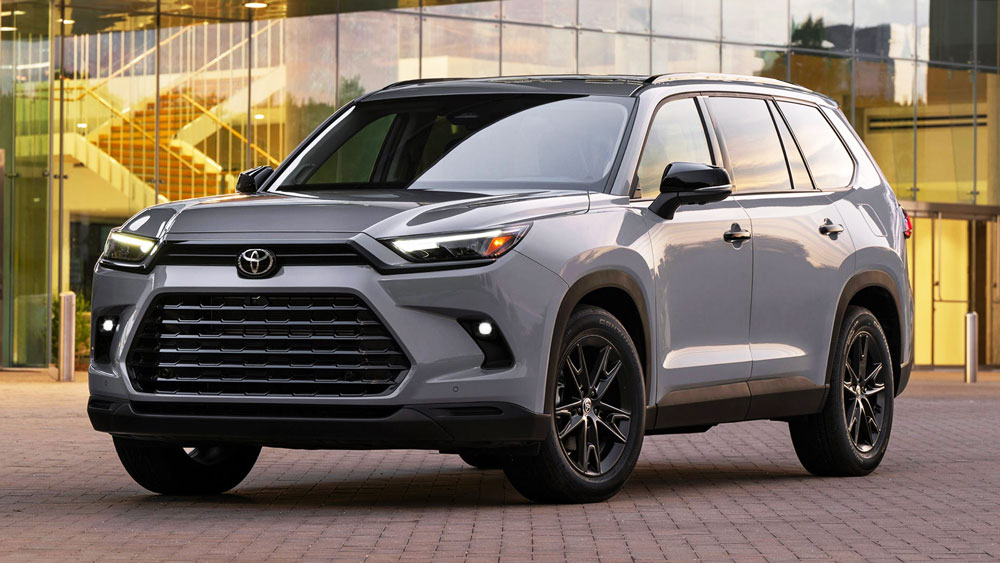
Efficiency is where the standard Grand Highlander Hybrid lands its cleanest punch. A front-wheel-drive Hybrid XLE is rated at 37 mpg city, 34 highway and 36 combined. Standard-hybrid all-wheel-drive configurations return approximately 36 city, 32 highway and 34 combined.
The most efficient front-wheel-drive Palisade Hybrid Blue models achieve 33 mpg city, 35 highway and 34 combined. Higher-trim front-wheel-drive versions fall to 31 combined, while all-wheel-drive models are rated at 29 city, 30 highway and 29 combined.
That difference becomes meaningful for drivers covering substantial annual mileage. Against an all-wheel-drive Palisade, an all-wheel-drive Grand Highlander Hybrid holds an advantage of roughly five mpg combined. Toyota’s Hybrid MAX reverses the calculation at 26 city, 27 highway and 27 combined, making it the performance choice rather than the fuel-saving one.
Winner: Toyota Grand Highlander Hybrid.
Interior Space — Toyota Finds More Room
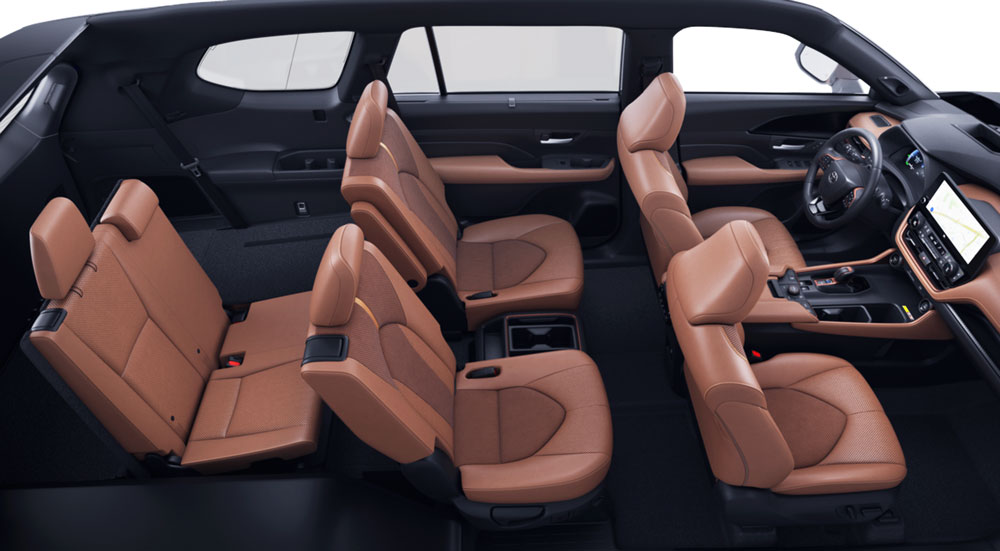
Both SUVs offer seven-passenger layouts with second-row captain’s chairs and eight-passenger configurations with a bench seat. The Toyota makes better use of its larger footprint when luggage enters the equation.
The Grand Highlander provides 20.6 cubic feet behind the third row, 57.9 cubic feet with the third row folded and as much as 97.5 cubic feet behind the front seats. The Palisade offers 19.1, 46.3 and 86.7 cubic feet in the same configurations.
The difference with the third row in use is modest. Once seats begin folding, Toyota pulls decisively ahead. Its additional volume makes it better suited to airport runs, sporting equipment and road trips requiring passengers and serious luggage to coexist peacefully.
Winner: Toyota Grand Highlander Hybrid.
Cabin and Technology — Hyundai Moves Upmarket
Toyota’s interior is sensibly organized, with generous storage, numerous cupholders and a 12.3-inch central touchscreen. Wireless Apple CarPlay and Android Auto are available across the relevant trims, while higher grades can add a digital instrument display, JBL audio, a panoramic-view monitor and a digital rearview mirror.
It is functional and family-friendly, but the cabin’s design and materials do not disguise the Toyota’s practical priorities.
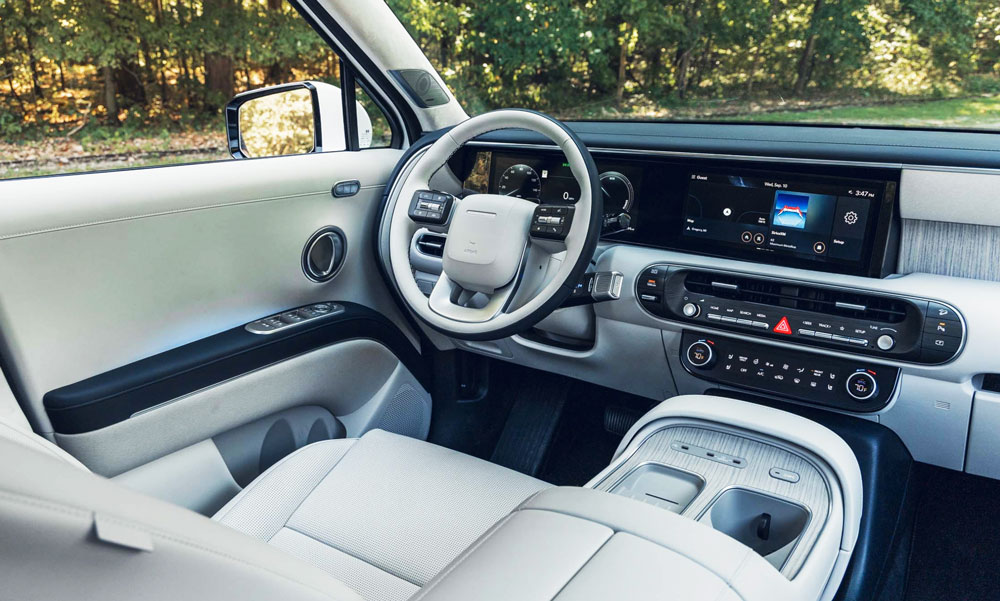
The Palisade feels more ambitious. Dual 12.3-inch displays give the dashboard a cleaner presentation, while physical controls remain available for frequently used climate and audio functions. Hyundai also distributes high-output USB-C connections throughout all three rows and provides more unexpected storage around the floating centre console.
Upper trims push the Palisade toward entry-luxury territory. Available features include Nappa leather, heated third-row seats, ventilated second-row seats, relaxation seats, a head-up display, digital rearview mirror, integrated front-and-rear dashcam and Highway Driving Assist 2. The Calligraphy can look and feel considerably more expensive than its badge suggests—a trick Hyundai has become rather annoyingly good at.
Winner: Hyundai Palisade Hybrid.
Ride and Everyday Driving
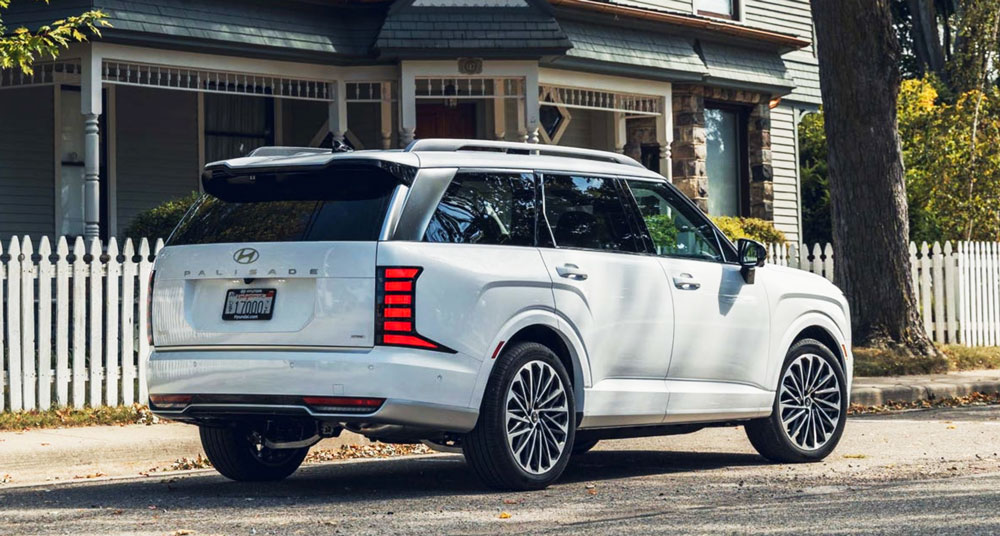
Neither vehicle is attempting to become a three-row sports SUV, which is probably excellent news for everyone carrying open drinks. Comfort, quietness and predictable responses matter more here than steering theatrics.
The Grand Highlander delivers a settled ride and light controls that make its size easy to manage. Its hybrid system is particularly well suited to urban traffic, where low-speed electric assistance keeps operation smooth and efficient. The trade-off is less reserve power when overtaking or climbing with a loaded cabin.
The Palisade feels stronger and more composed when asked to accelerate. Its six-speed automatic gives the powertrain a more familiar rhythm than Toyota’s efficiency-oriented transmission, while its additional torque reduces the sense that the engine is carrying the entire family’s emotional and physical baggage.
The Hyundai’s overall tuning better balances comfort with confident performance. The Toyota remains the calmer choice for drivers who prioritize economy and rarely ask for full power.
Winner: Hyundai Palisade Hybrid.
Towing and Capability
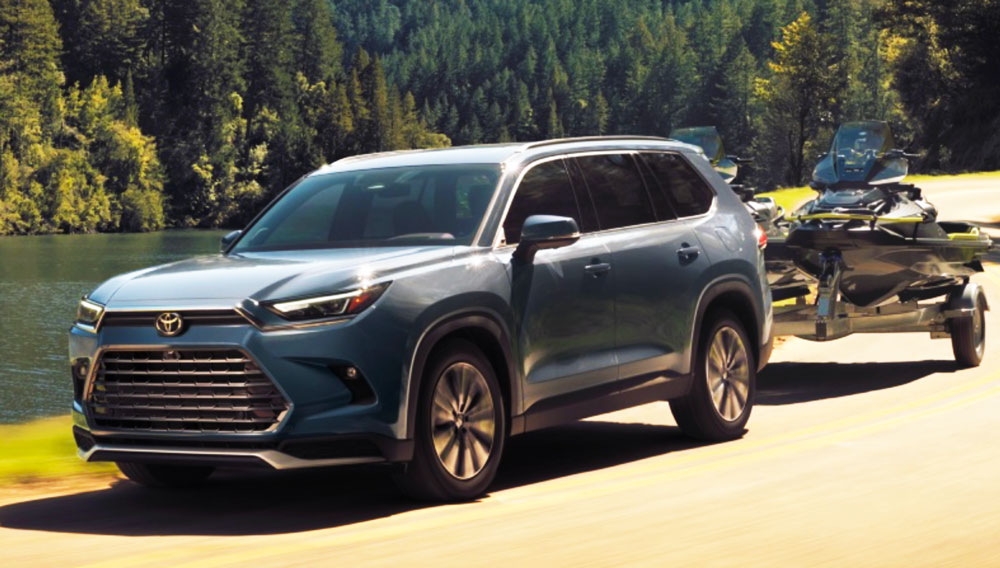
The Palisade Hybrid can tow as much as 4,000 pounds when properly equipped. That gives it a 500-pound advantage over the standard Grand Highlander Hybrid, which is rated for up to 3,500 pounds.
Toyota’s Hybrid MAX raises its capacity to 5,000 pounds, making it the stronger choice for heavier trailers. Its reduced fuel economy and higher purchase price must be considered, but buyers with genuine towing requirements may find that trade worthwhile.
For light recreational towing without abandoning respectable efficiency, the Palisade occupies the useful middle ground.
Winner: Hyundai against the standard Toyota; Grand Highlander Hybrid MAX overall.
Price and Ownership
Hyundai’s published 2026 U.S. pricing began at $43,660 for the front-wheel-drive Hybrid Blue SEL and $45,660 for the all-wheel-drive Hybrid SEL. Toyota currently lists the all-wheel-drive Grand Highlander Hybrid LE from $45,610 and the front-wheel-drive Hybrid XLE from $46,780. Freight, taxes and optional equipment are additional.
That makes the entry-level all-wheel-drive versions almost identically priced. Hyundai generally delivers more power and equipment for the money, while Toyota returns the investment through lower fuel consumption and greater cargo capacity.
The Palisade Hybrid SEL Premium is the Hyundai sweet spot, adding features such as ventilated front and second-row seats, a heated steering wheel and surround-view camera without requiring the price of the Calligraphy. Toyota’s Hybrid XLE is the efficiency pick, while the Hybrid Limited provides a richer equipment list for buyers willing to move above $50,000.
Hyundai backs the Palisade with a five-year or 60,000-mile new-vehicle warranty and ten-year or 100,000-mile coverage for the powertrain and hybrid system. Toyota’s comprehensive warranty is shorter at three years or 36,000 miles, but its hybrid battery is covered for ten years or 150,000 miles.
One purchasing check applies to certain 2026 Palisade Limited and Calligraphy vehicles equipped with power-operated rear seats. These models were included in a safety recall involving second- and third-row seat operation. Hyundai released a free software remedy and resumed sales in April 2026, but buyers should still confirm completion using the vehicle identification number.
The Verdict
The 2026 Toyota Grand Highlander Hybrid is the rational champion. It uses less fuel, carries more cargo and provides an exceptionally useful third row without requiring drivers to enter the plug-in world. For high-mileage families or anyone regularly transporting people and luggage together, it makes an exceptionally persuasive case.
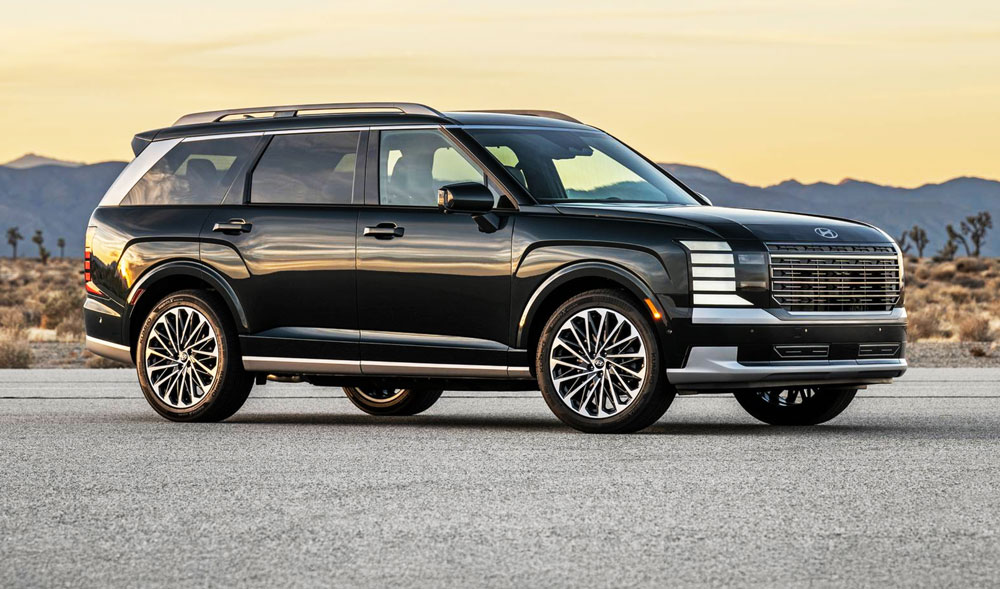
The 2026 Hyundai Palisade Hybrid is the more complete all-rounder. It is substantially more powerful than the standard Toyota, feels more relaxed when loaded, tows slightly more and presents a cabin that can challenge considerably more expensive SUVs. Its fuel economy and maximum cargo capacity trail Toyota, but neither weakness erases its broader combination of comfort, performance and value.
Overall Winner: 2026 Hyundai Palisade Hybrid
MaxTake
The Grand Highlander Hybrid wins with numbers: more cargo space and fewer visits to the fuel pump. The Palisade Hybrid wins through experience, combining useful efficiency with the power, technology and cabin quality expected of a modern flagship.
Choose the Toyota when every litre of cargo space and every gallon of fuel matters. Choose the Hyundai when the family hauler also needs to feel like a reward for the person holding the steering wheel.