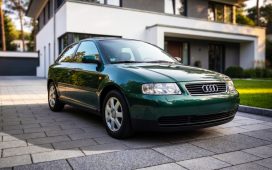
The original Audi A2 arrived with the uncomfortable habit of being right before the market was ready to admit it. Its lightweight thinking, compact footprint and obsession with efficiency were unusual at a time when premium cars were becoming larger, heavier and more powerful. It never became a volume success, but its engineering-first character gradually earned the respect that initially escaped it.
Now Audi has revived the name for a fully electric compact car built around a remarkably similar philosophy. The new A2 e-tron is not trying to become the smallest imitation of a large luxury SUV. Instead, it places aerodynamics, low energy consumption, interior flexibility and intelligent technology at the centre of its identity. In a segment increasingly crowded with affordable electric models, that may be exactly what a compact Audi needs to matter again.
Premium Without the Excess
For years, premium positioning has often been measured through size, power and visual presence. Electric vehicles intensified that formula, adding larger batteries, heavier platforms and acceleration figures that few drivers genuinely need. The A2 e-tron takes a more disciplined route by treating efficiency itself as a premium feature.
Audi says its most economical configuration can consume as little as 12.8 kWh per 100 kilometres under preliminary WLTP measurements when equipped with the optional efficiency package. That would make it the most efficient Audi produced to date. A drag coefficient of 0.24 contributes to that result, supported by an active cooling-air intake, a largely enclosed underbody, aerodynamic wheels and trim designed to reduce the gaps around the wheel arches.
These details may lack the theatre of enormous wheels or unnecessary horsepower, but they directly affect range, charging costs and everyday usability. The clever part is that efficiency is not being presented as sacrifice. It is being positioned as evidence that the car has been designed properly.
Three Batteries, Four Levels of Performance
The A2 e-tron will be offered with gross battery capacities of 52, 61 and 84 kWh. Depending on the powertrain, official WLTP range extends from 262 miles, or approximately 422 kilometres, to 397 miles, or around 639 kilometres. Audi has also quoted a maximum figure of 646 kilometres in some European specifications, reflecting differences in configuration and market testing data.
Four power outputs will be available: 125 kW, 140 kW, 170 kW and 240 kW, equivalent to 170, 190, 231 and 326 PS. The first three versions produce 350 Nm of torque, while the most powerful model increases that figure to 545 Nm. Acceleration from zero to 100 km/h ranges from 8.8 seconds in the entry model to 5.7 seconds in the 326 PS version.
The range leader is not the quickest A2. The 231 PS model pairs the 84 kWh battery with up to 397 miles of WLTP range, while the 326 PS version sacrifices a small amount of distance for stronger performance. That distinction reinforces the car’s purpose: speed remains available, but efficiency is allowed to be the hero.
Charging That Fits the Battery
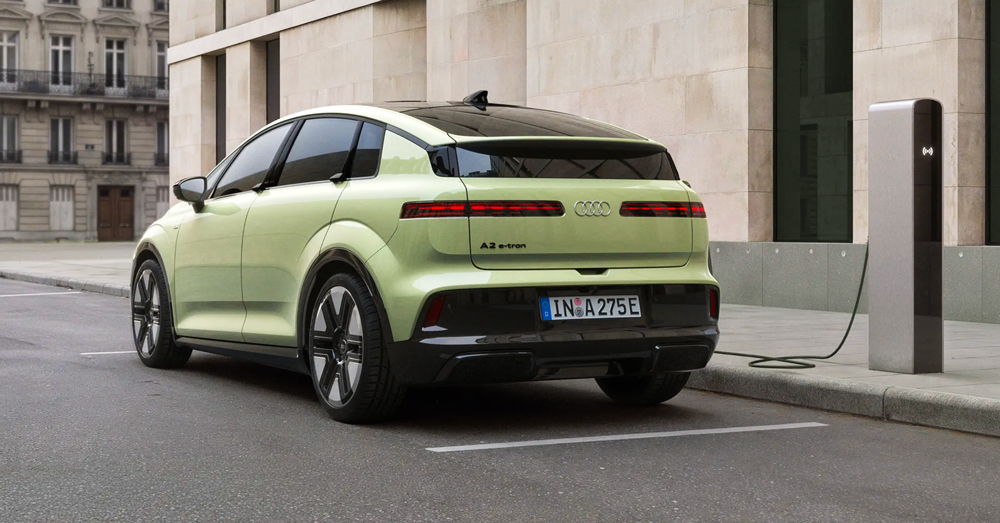
Maximum DC charging power depends on the battery selected. The 52 kWh version accepts up to 100 kW, the 61 kWh model reaches 105 kW and the 84 kWh battery supports as much as 183 kW. Audi quotes 10-to-80-percent charging times of between 24 and 29 minutes.
Those peak figures are less dramatic than the charging rates offered by Audi’s larger 800-volt electric models, but they are appropriate to the A2’s smaller batteries. A high peak number is only one part of the equation; energy consumption determines how much usable driving range is gained from every kilowatt-hour added. Because the A2 needs less electricity to travel the same distance, it can turn a moderate charging session into meaningful range.
Four regenerative-braking settings are included, along with one-pedal driving through the transmission’s B position. This gives drivers the freedom to choose stronger regeneration in urban traffic or a more natural coasting response on faster roads.
Familiar A2 Thinking, Reworked for Today
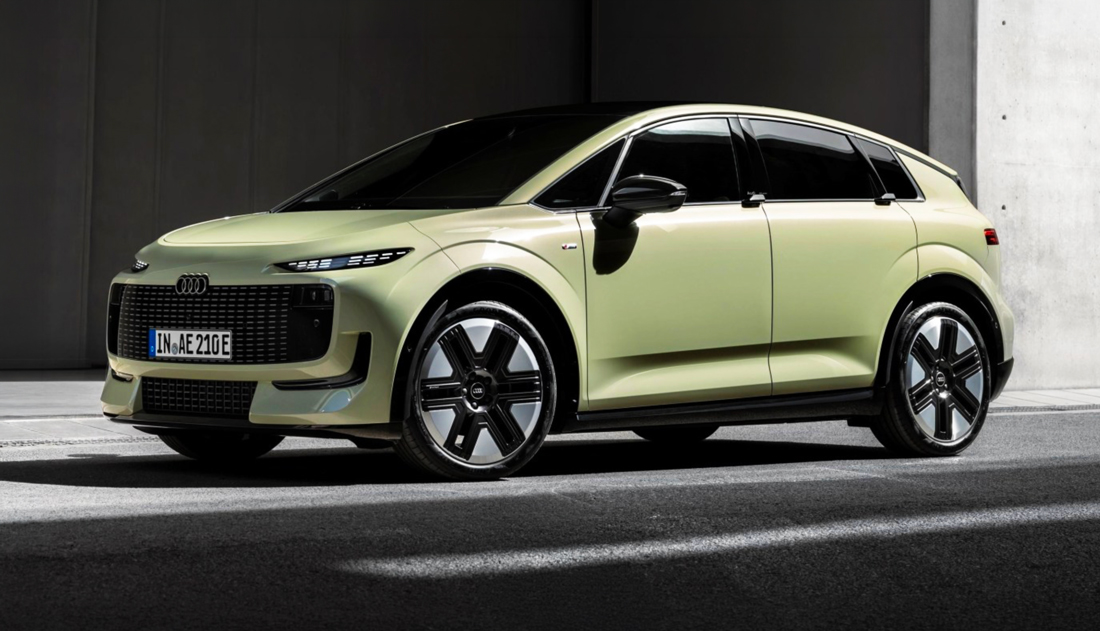
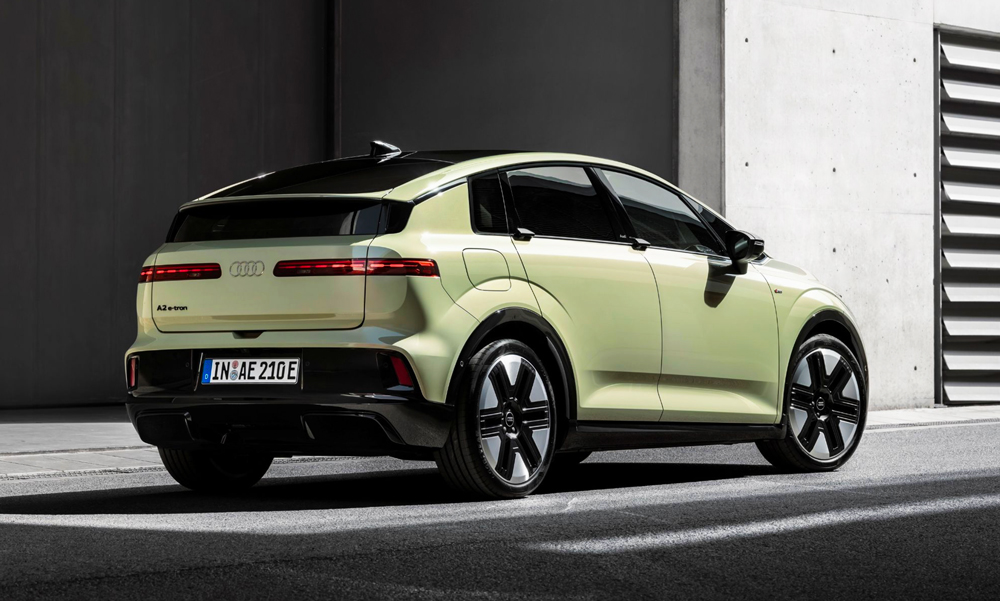
The new model does not recreate the original A2 as a retro exercise. Instead, it carries forward the earlier car’s central ideas through a contemporary electric shape. Its rounded nose, flowing roofline and compact proportions have been developed around clean airflow, while a rear spoiler divides the back window in a deliberate reference to the original.
Flush, wing-shaped electric door handles reduce disruption along the body sides. Slim lighting and carefully controlled surfacing give the car a cleaner appearance than the heavily sculpted look used by many compact crossovers. It remains recognizably modern, but its shape appears to have been determined by purpose instead of decoration.
That could become one of its strongest selling points. The compact premium market has spent years drifting toward SUV-inspired designs, often adding height, weight and frontal area in the process. The A2 e-tron offers an alternative for buyers who want space and versatility without pretending every commute is the opening scene of an expedition documentary.
A Compact Cabin That Thinks Bigger
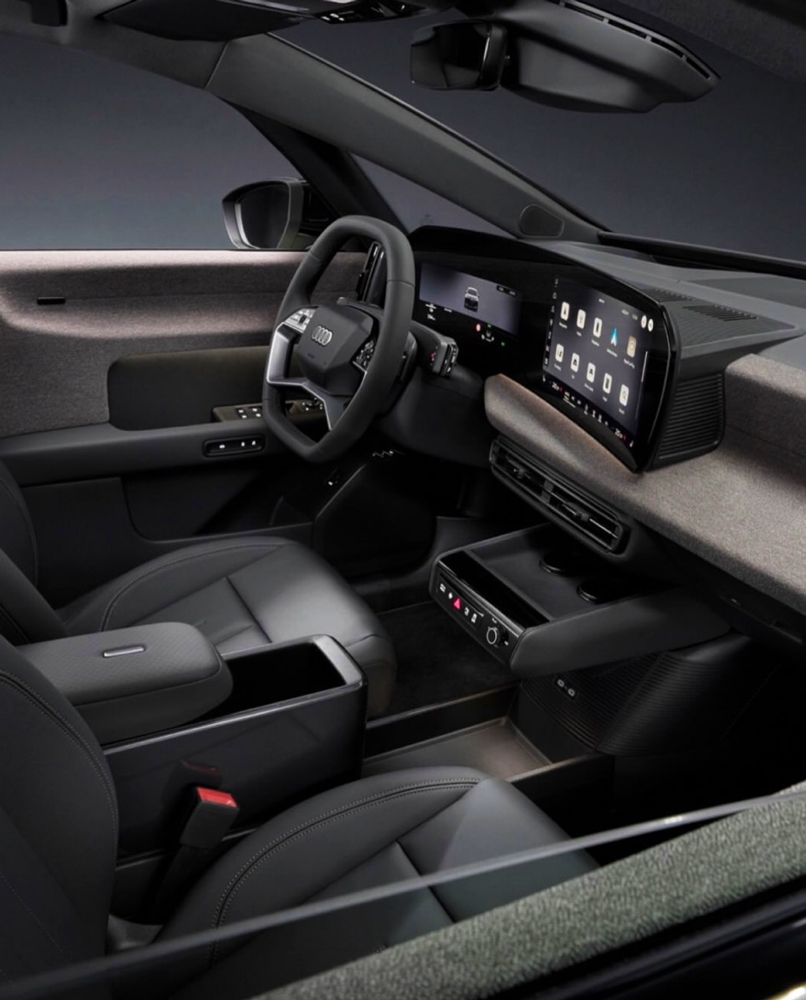
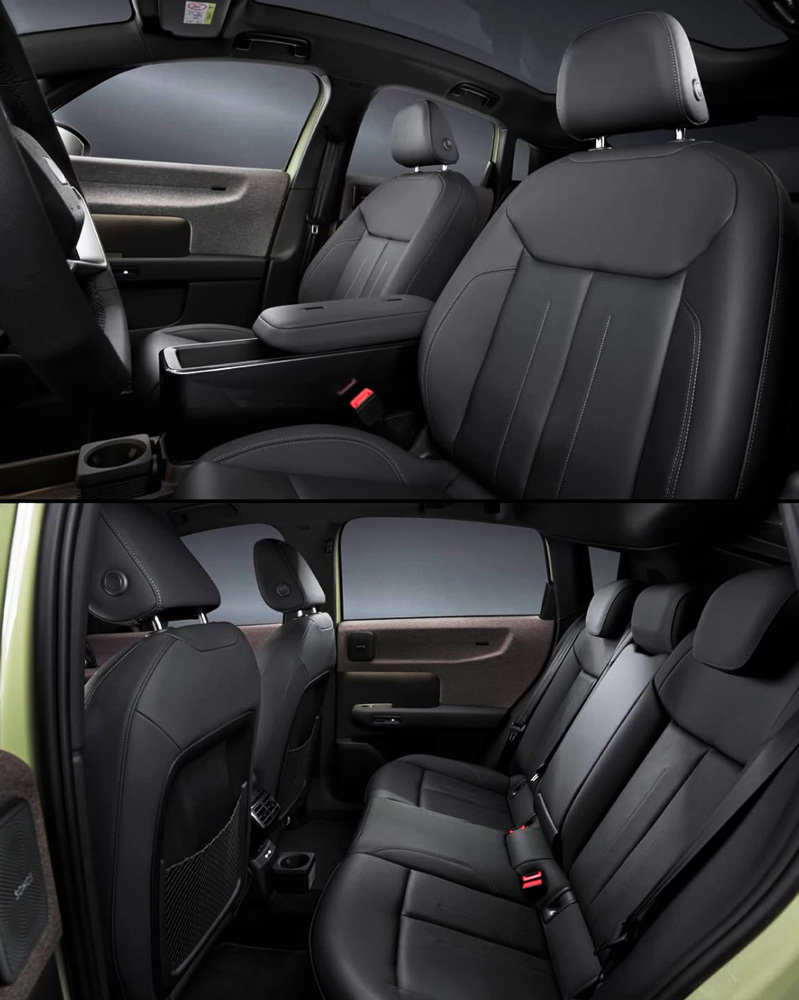
Audi has designed the interior to make effective use of the electric platform’s footprint. A fabric-covered Softwrap surface extends across the dashboard and into the doors, providing a warmer visual character than the hard, screen-dominated cabins common in entry-level EVs.
The standard panoramic display combines an 11.9-inch Audi virtual cockpit with a curved 12.8-inch central touchscreen. Audi’s digital package includes its route planner, connected services and an assistant with artificial-intelligence integration. Microsoft Outlook and Teams support will also be available through Audi’s connected-work features, although whether anyone truly needs another Teams meeting inside a car is a question efficiency engineering cannot solve.
One of the more distinctive details is the standard Fidlock fastening system. Magnetic mounting points in the centre console and cargo area can secure accessories such as cupholders and charging-cable bags. It is a modest idea, but it suits the A2’s wider philosophy: premium design can be found in small features that make daily life easier.
The standard assistance package includes adaptive cruise control, emergency braking, swerve assistance, attention monitoring, parking sensors and a reversing camera. Optional equipment expands that list with surround-view cameras, automated parking and proactive occupant-protection functions.
More Than Transportation
Bidirectional charging gives the A2 e-tron another practical advantage. Vehicle-to-Load capability allows its battery to power external equipment through a cargo-area outlet or a charging-port adapter. In supported European markets, Vehicle-to-Home functionality can also supply electricity to a compatible household energy system through a suitable DC wall box.
That means the battery does not have to remain an expensive piece of equipment that sits idle whenever the car is parked. It can support outdoor equipment, charge an e-bike or become part of a home’s energy-management system. Availability will depend on local infrastructure and compatible hardware, but the technology helps move the A2 beyond the conventional role of a compact commuter.
The Price Will Decide the Argument
The A2 e-tron is being developed and manufactured in Ingolstadt, with Audi initially directing it toward European customers. German pricing begins at €38,200, while the confirmed UK starting price is £32,200. UK ordering opens in October 2026, with customer deliveries beginning in early 2027. Audi has not confirmed a Canadian or United States launch.
Its price places the A2 above many mainstream compact EVs, meaning efficiency alone will not guarantee success. Buyers will judge whether its interior quality, technology, driving character and ownership experience justify the premium. Optional equipment could also weaken its value if desirable features push real-world transaction prices too far upward.
The opportunity is nevertheless significant. Many electric buyers no longer need to be persuaded by extreme acceleration or oversized screens. They want useful range, manageable dimensions, reasonable charging times and a cabin that feels considered. The A2 e-tron has been designed around precisely those priorities.
Can the Compact Premium Car Matter Again?
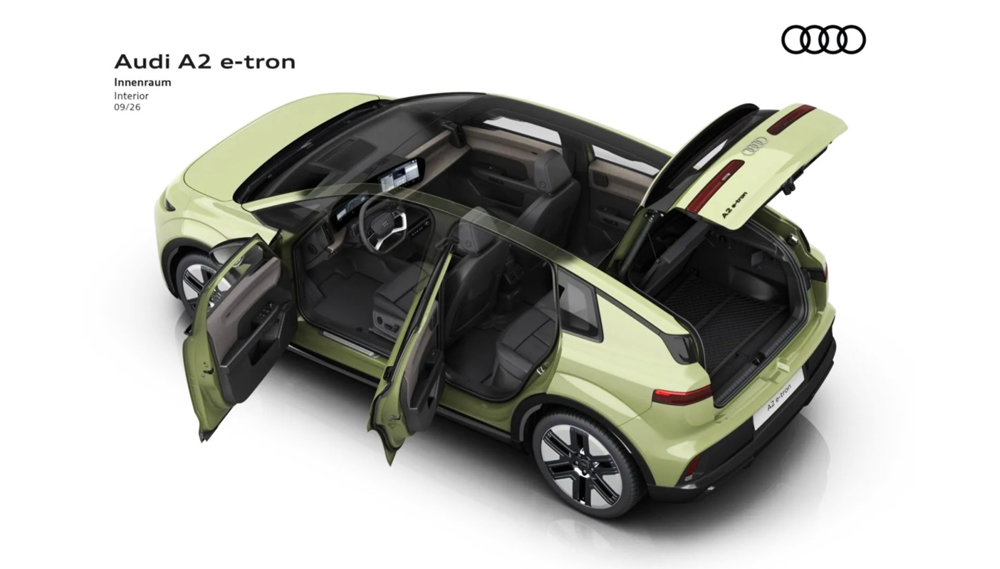
The compact premium car still matters, but it needs a new definition. It cannot succeed merely by shrinking a larger model and protecting the badge premium. Increasingly capable mainstream EVs have made that approach difficult to defend.
Audi’s answer is to make intelligence visible through lower consumption, better aerodynamics, flexible energy use and thoughtful packaging. If the production car delivers its promised efficiency without feeling stripped down or overly expensive, the A2 e-tron could demonstrate that a small luxury car does not need to apologize for being small.
Its greatest achievement may be philosophical rather than numerical. At a moment when the industry often uses electrification to justify more weight and power, the A2 suggests that progress can also mean needing less.
MaxTake
The Audi A2 e-tron gives the compact premium car a convincing reason to exist again. Its strongest numbers are not horsepower or acceleration, but energy consumption, aerodynamic efficiency and usable range. That is a welcome change of priorities.
Pricing and market availability will determine how far its influence travels, particularly with no confirmed North American launch. In Europe, however, the A2 e-tron could become one of Audi’s most relevant new models—not because it is the largest or fastest, but because it understands that modern luxury should make better use of every centimetre, every kilowatt-hour and every dollar.