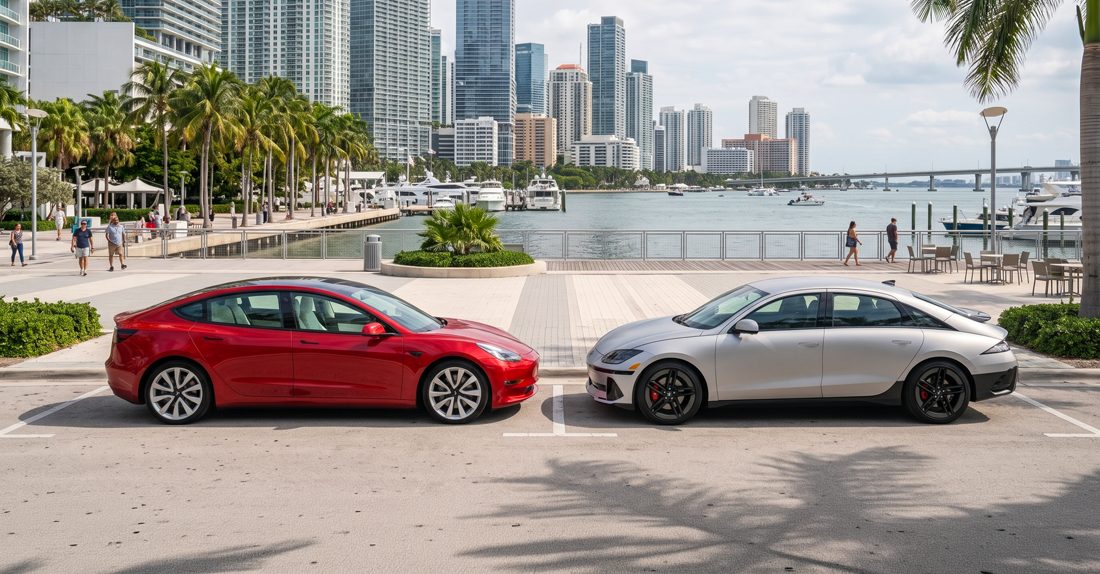
The Tesla Model 3 and Hyundai Ioniq 6 are built for the same everyday mission: carrying people comfortably, covering long distances on electricity and making the switch from petrol feel straightforward. The Tesla leans into a minimalist cabin and an integrated charging experience, while the Hyundai brings a more distinctive shape, familiar controls and very rapid charging capability. Their exact trims and availability vary by country, so the best comparison is how each one fits into daily life.
Design And Everyday Practicality — Winner: Hyundai Ioniq 6
The Model 3 has a clean, understated profile and a cabin where most functions run through the central touchscreen. That uncluttered look suits drivers who prefer a streamlined interior, though the screen-focused controls can take some adjustment.
Hyundai gives the Ioniq 6 a more expressive silhouette, with a curved roof and tapered rear. Its cabin is more traditionally arranged, with a driver display, a separate infotainment screen and physical controls for key climate functions in the refreshed version.
Both cars suit commuting, errands and highway trips. The Tesla adds a front trunk for smaller items; the Hyundai counters with a roomier-feeling cabin and more familiar controls. The Ioniq 6 wins this category for its more approachable layout and comfort-focused design, though its sloping roof is worth checking for rear-seat headroom and cargo access.
Range And Charging — Winner: Hyundai Ioniq 6
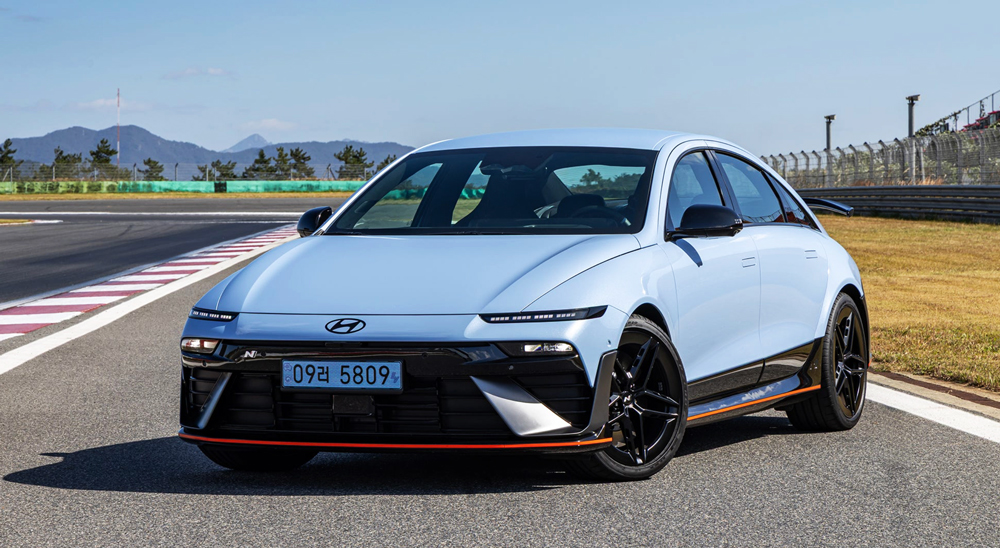
Range depends on trim, wheels, weather and the testing method used in each market. Official estimates for the two sedans are not always directly comparable, so buyers should check the ratings published for the specific versions available where they live.
The Ioniq 6’s advantage is its 800-volt charging system. On a compatible high-powered charger and under suitable conditions, Hyundai says the refreshed model can charge from 10 to 80 percent in about 18 minutes. That gives it the edge for charging speed when the right equipment is available.
Tesla’s strength is the close integration between its route planning and Supercharger network, which can make charging stops simple to plan. Hyundai drivers can also access Tesla Superchargers at compatible locations, though the required connector or adapter depends on the vehicle and market. The Ioniq 6 takes the category for charging capability; Tesla remains highly convenient for network integration.
Driving And Cabin Comfort — Winner: Hyundai Ioniq 6
The Model 3 feels quick and responsive, with brisk acceleration and agile handling. Its quiet, screen-led cabin suits drivers who enjoy a modern, tech-focused environment, although the sparse layout may not feel relaxing to everyone.
The Ioniq 6 is tuned for a composed ride, and its low centre of gravity helps it feel settled on the road. Rear-wheel-drive and all-wheel-drive versions let buyers choose between an efficiency-focused setup and added traction and performance.
The Model 3 is the livelier drive, but the Ioniq 6 wins this category for its more comfort-oriented character and conventional cabin layout. Ride quality and real-world range still vary with wheels, road conditions, temperature and speed, so a test drive matters.
Ownership And Availability — Winner: Tesla Model 3
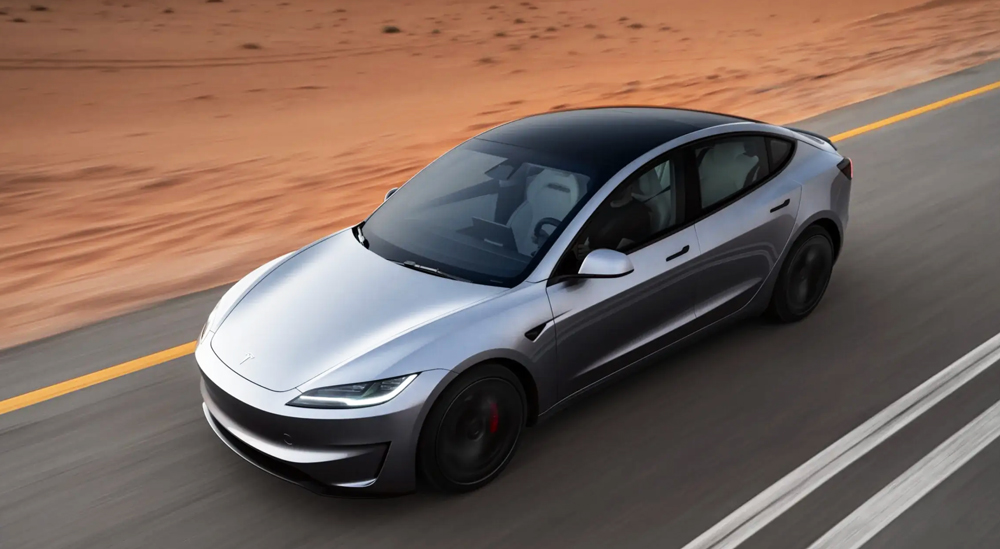
The Model 3 is sold across several major markets, although trims, equipment and prices vary by region. Its advantages include a well-integrated software experience, over-the-air updates and access to Tesla’s charging ecosystem.
The Ioniq 6’s model-year timing differs more sharply by country. The refreshed version has been announced for Europe, with UK deliveries scheduled to begin in early 2027. Availability of the regular Ioniq 6 has also changed in the United States, so buyers should confirm which versions are offered locally.
Tesla takes this category because its Model 3 is more consistently available across markets right now. Local inventory, service access and charging options can still change the calculation for individual buyers.
Overall Verdict — Winner: Hyundai Ioniq 6
The Tesla Model 3 is the stronger fit for drivers who value a polished digital experience, responsive handling and a closely connected charging routine. The Hyundai Ioniq 6 makes the better all-round case with its distinctive design, more familiar controls, comfort-focused ride and very fast charging capability.
The Model 3 earns the ownership and availability win, but the Ioniq 6 takes more of the everyday categories. Check the trims and charging access in your market, then drive both—the better sedan is the one that fits your routine.
MaxTake
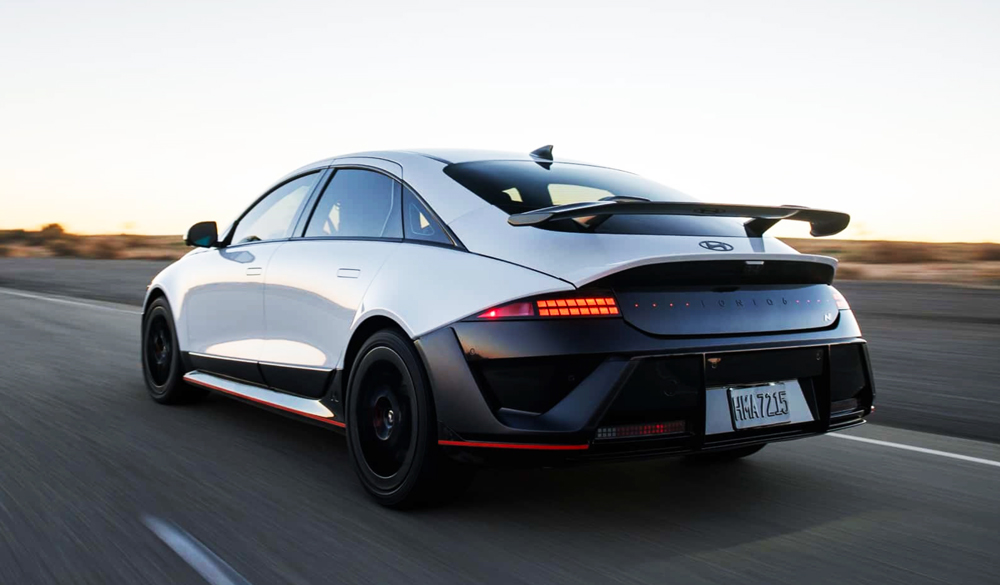
The Model 3 remains a compelling choice for drivers who want a tech-focused cabin and an easy-to-use charging ecosystem. The Ioniq 6 edges ahead overall by pairing rapid charging with a more conventional, comfort-minded experience—provided the version you want is available where you live. Tesla’s charging integration and broad availability make it an especially easy car to recommend for frequent road trips. Hyundai’s more balanced cabin and faster charging potential give it the advantage for drivers who value comfort as much as convenience.