From Excess to Efficiency
The first wave of electric pickups proved a point—EVs could tow, sprint, and dominate spec sheets. But in doing so, they leaned heavily into extremes: massive battery packs, oversized dimensions, and headline-grabbing performance figures that didn’t always translate into everyday usability. The result was impressive, but often inefficient and expensive.
The second wave is correcting the formula. Electric trucks are now being re-engineered with a sharper focus on weight reduction, real-world usability, and smarter energy management. Instead of chasing excess, manufacturers are refining the balance between capability, cost, and efficiency—bringing electric pickups closer to what truck buyers actually need day to day.
Lighter Platforms, Smarter Packaging
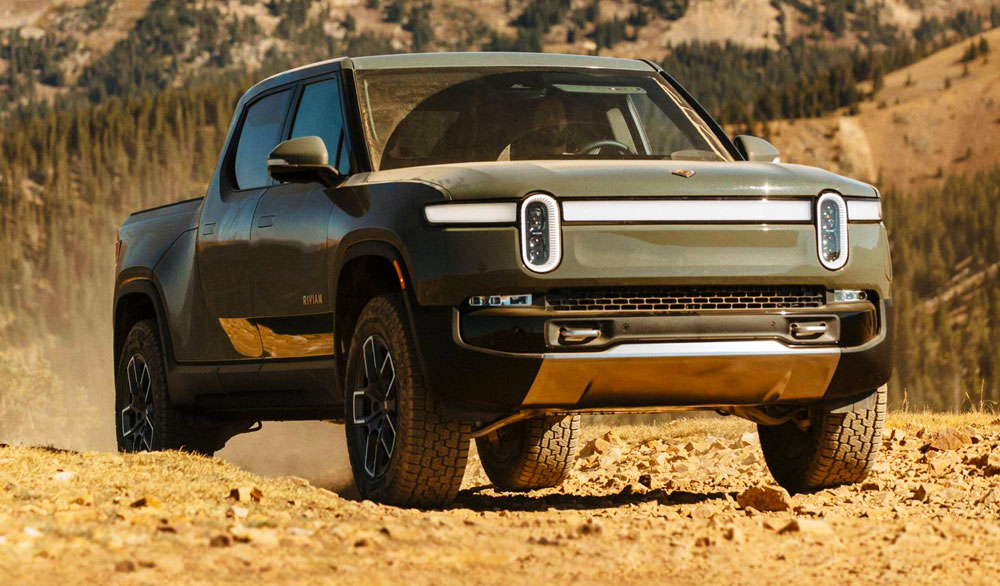
Weight is now the central battleground. Early EV trucks carried enormous battery packs and reinforced structures that pushed curb weights into heavy-duty territory, impacting efficiency, braking, and tire wear. Automakers are now rethinking platforms from the ground up instead of adapting existing truck architectures, unlocking smarter packaging solutions.
- Dedicated EV platforms improve efficiency and interior space
- More aerodynamic shapes reduce drag and extend range
- Structural battery integration reduces redundant mass
- Smaller, optimized motor setups replace oversized quad systems in many trims
Even full-size trucks like the Chevrolet Silverado EV are evolving with more efficient packaging and better weight distribution despite their size. The goal isn’t just lighter trucks—it’s smarter weight, placed exactly where it improves performance and usability.
Range That Actually Works in the Real World
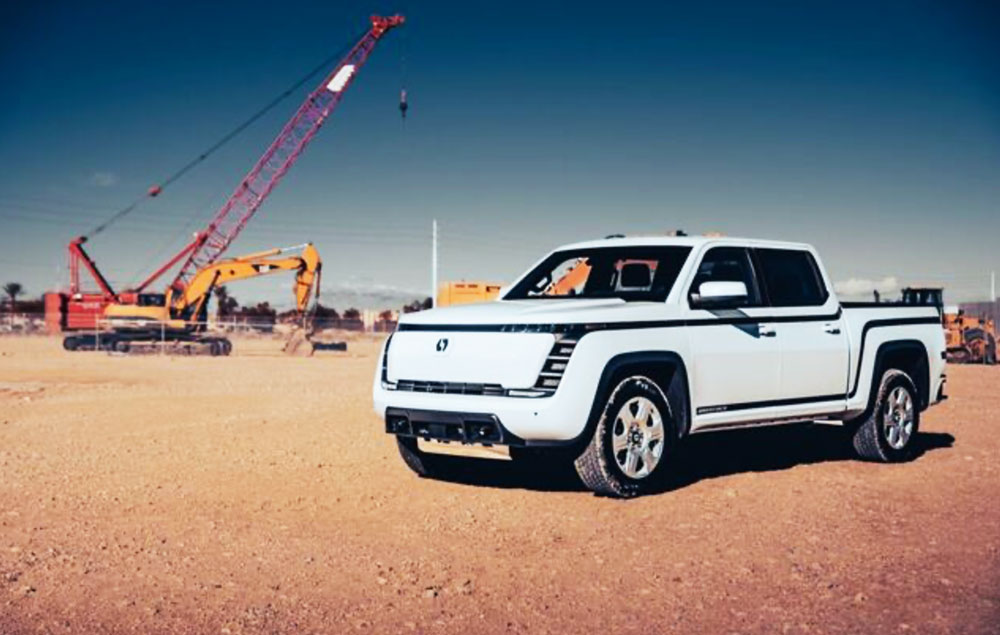
Range claims are no longer just headline numbers—they’re becoming usable, real-world metrics that reflect how trucks are actually driven. Early EV pickups delivered impressive maximum figures, but often struggled under load, in cold weather, or during highway driving.
- Modern electric pickups now reach up to ~493 miles depending on configuration
- Mid-size options like the Rivian R1T can deliver up to ~676 km (≈420 miles) with larger battery packs
- Faster charging (up to 350 kW in some models) reduces downtime significantly
Crucially, efficiency improvements mean less dramatic range loss in daily driving—not just ideal conditions. The shift is toward consistency, where drivers can rely on predictable performance whether commuting, hauling, or heading off-grid.
Smarter Powertrains, Not Just More Power
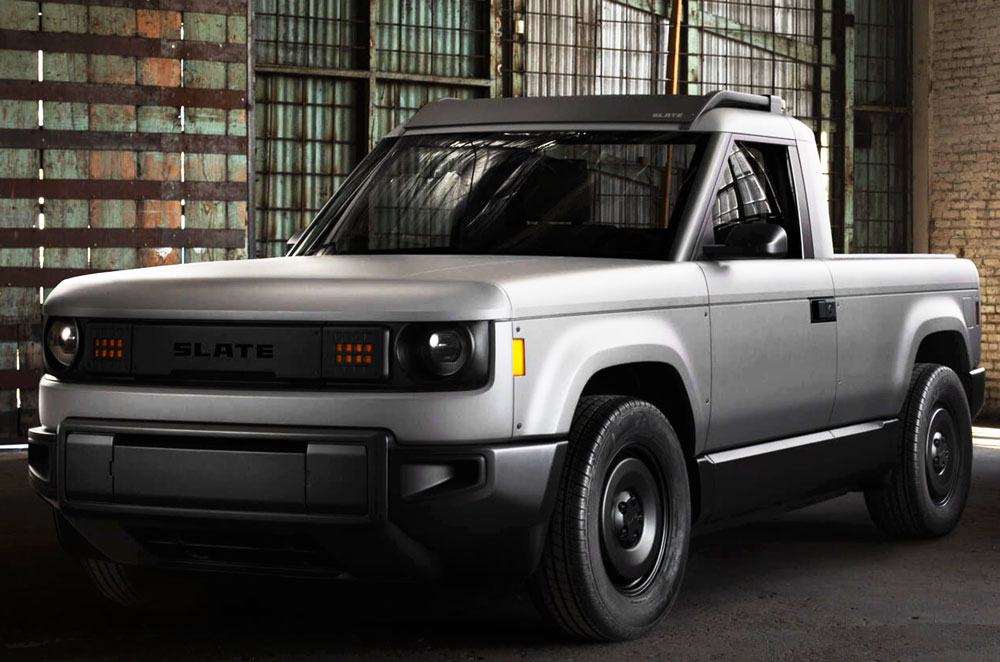
The first generation chased horsepower, delivering staggering acceleration figures that rivaled supercars. While impressive, that approach often came at the cost of efficiency and complexity. The second generation is refining how power is delivered rather than simply increasing it.
- Dual-motor setups are becoming the sweet spot for efficiency and cost
- Software-driven torque vectoring replaces mechanical complexity
- New in-house motor designs improve both performance and efficiency
High-performance variants still exist—some exceeding 1,000 horsepower—but they’re no longer the default. The focus is now on controllable, usable power that enhances traction, towing stability, and everyday drivability without unnecessary energy drain.
Work-Ready Capability Finally Matches the Promise
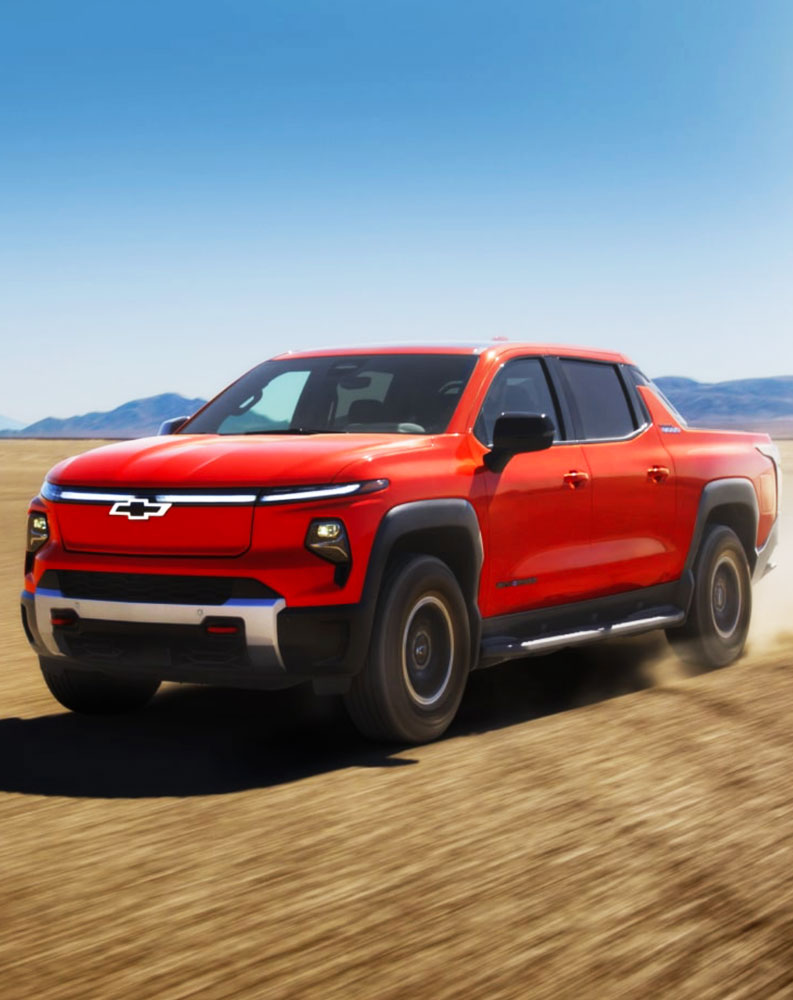
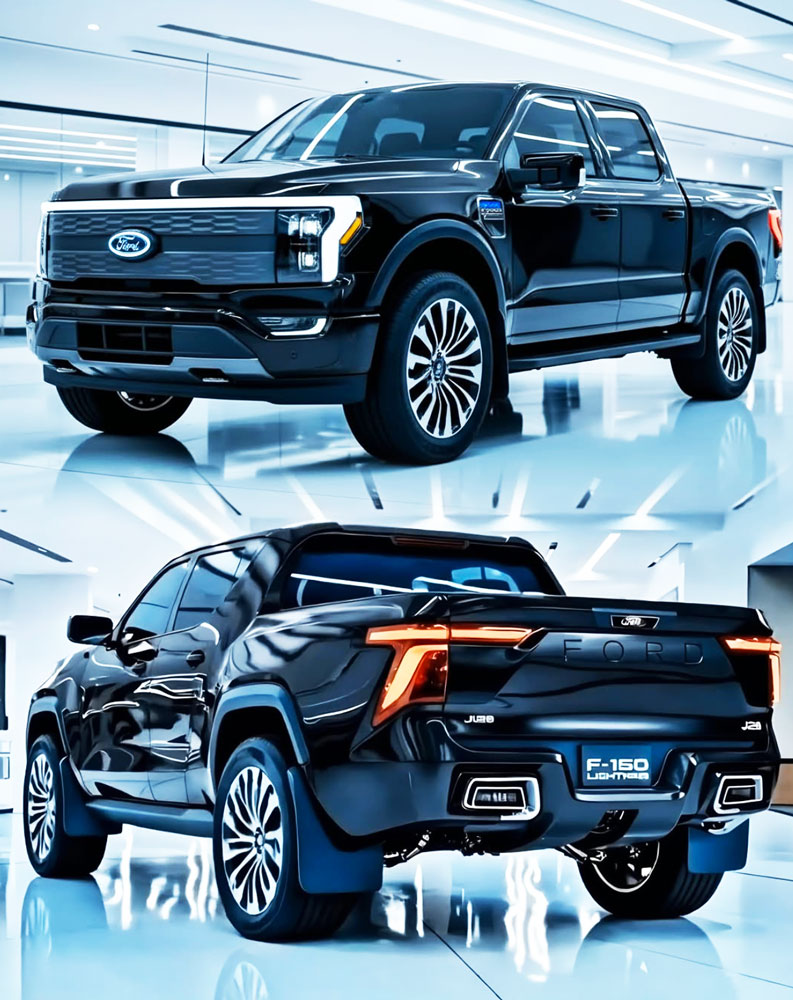
Electric pickups are now aligning more closely with real truck use, moving beyond lifestyle positioning into genuine work-ready tools. Early skepticism around EV trucks often centered on durability, towing practicality, and long-term reliability under load.
- Towing capacity reaches up to ~12,500 lbs in top trims
- Integrated power export (up to ~10 kW) turns trucks into mobile generators
- Features like extendable beds and midgates increase cargo flexibility
However, the industry is also addressing a key issue: towing still significantly impacts range. Instead of simply increasing battery size, manufacturers are improving energy management, cooling systems, and drivetrain efficiency to make towing more viable in real-world conditions.
Charging Ecosystem: Quietly Solving the Biggest Problem
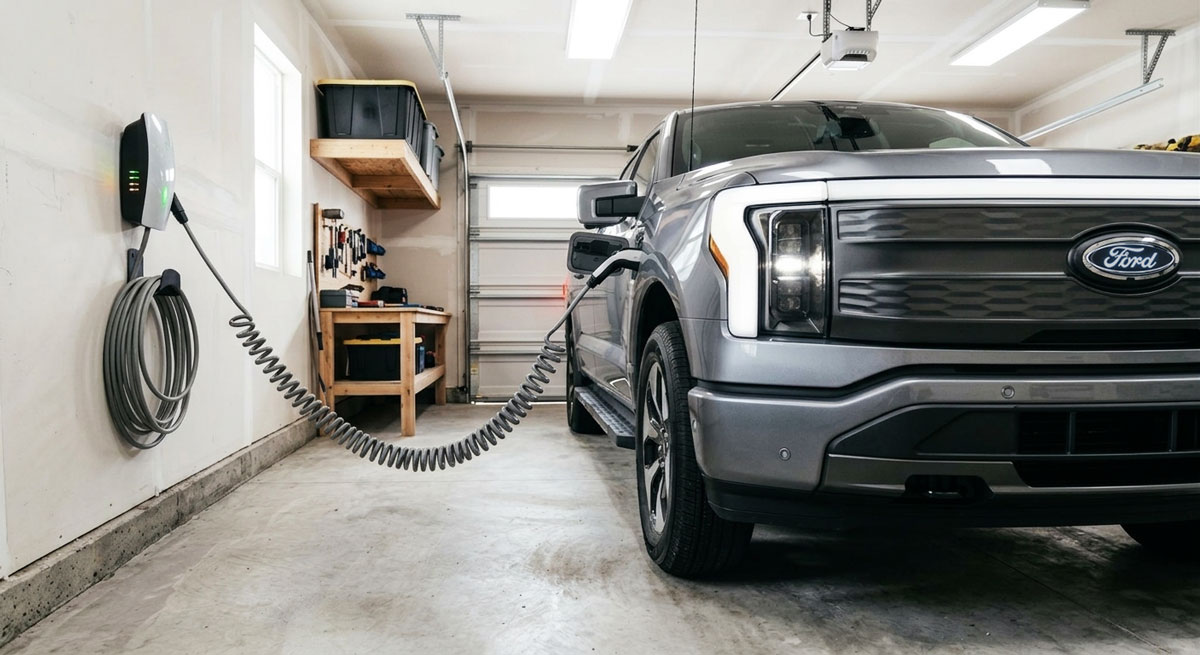
One of the most meaningful upgrades isn’t visible—it’s compatibility and infrastructure access. For many buyers, charging availability has been a bigger barrier than the vehicles themselves, especially for trucks expected to travel long distances or operate in rural areas.
- Adoption of Tesla’s charging standard (NACS) is expanding access to reliable fast chargers
- Improved battery management systems optimize charging speeds and longevity
- Broader infrastructure access is reducing range anxiety in practical use
This shift is arguably more important than raw battery size. A well-supported charging network transforms how these trucks are used, making them far more practical for both work and travel.
The Rise of Right-Sized Trucks
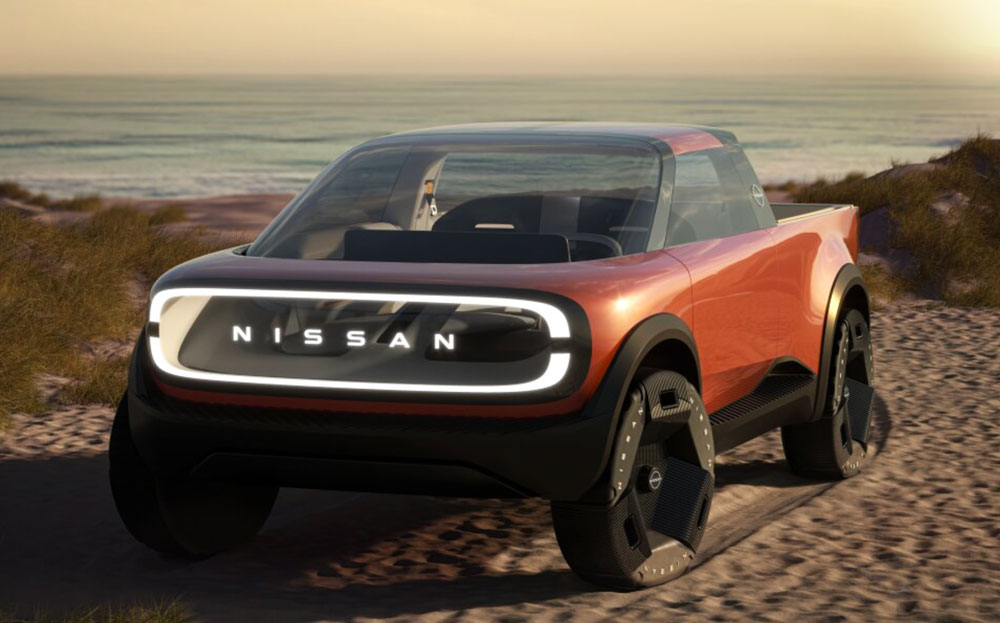
Not every buyer wants a massive, luxury-priced electric pickup—and automakers are finally responding. The next wave is expanding into smaller, more accessible segments that better match urban, lifestyle, and light-duty needs.
- Smaller, more affordable electric trucks are entering the market
- Simpler configurations reduce cost and complexity
- Urban and lifestyle use cases are gaining priority over heavy-duty extremes
This signals a major transition: electric pickups are no longer niche, high-end products. They’re evolving into a broader category that can serve everything from city driving to weekend utility.
Interior Tech That Serves a Purpose
Cabins are becoming more intuitive, not just more digital. Early EV interiors often leaned heavily into oversized screens and minimal physical controls, sometimes at the expense of usability—especially in work environments.
- Cleaner interfaces with fewer distractions
- Over-the-air updates improving features over time
- Integrated worksite and outdoor functionality (power outlets, storage systems)
The emphasis is shifting from “tech for wow-factor” to “tech that works,” where functionality, durability, and ease of use take priority over novelty.
Where Electric Pickups Go Next
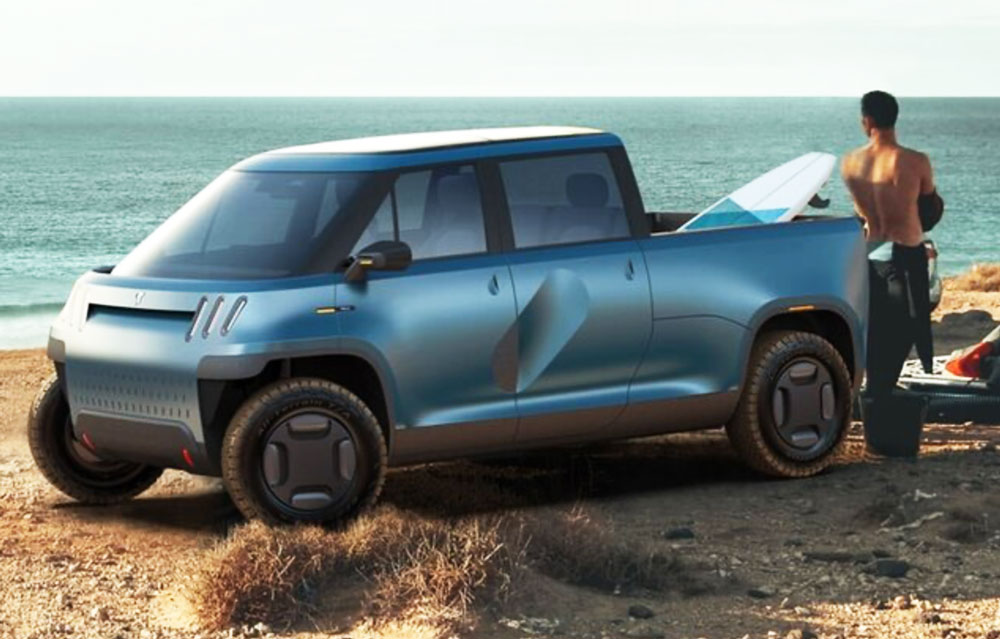
Electric Pickups 2.0 aren’t about proving capability anymore—they’re about refinement and scalability. The foundation has been established, and now the focus is on making these trucks more efficient, more affordable, and more widely usable.
Expect the next phase to focus on:
- Lower-cost battery chemistries (like LFP)
- Improved towing efficiency
- Lighter materials and modular platforms
- Broader accessibility across price points
MaxTake
Electric trucks are growing up. The first generation was about power and headlines—the second is about usability, efficiency, and real-world value. The trucks aren’t just electric anymore—they’re finally becoming practical.