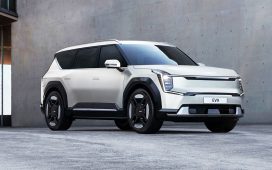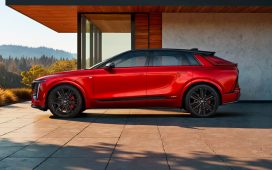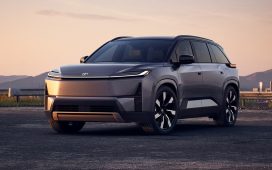
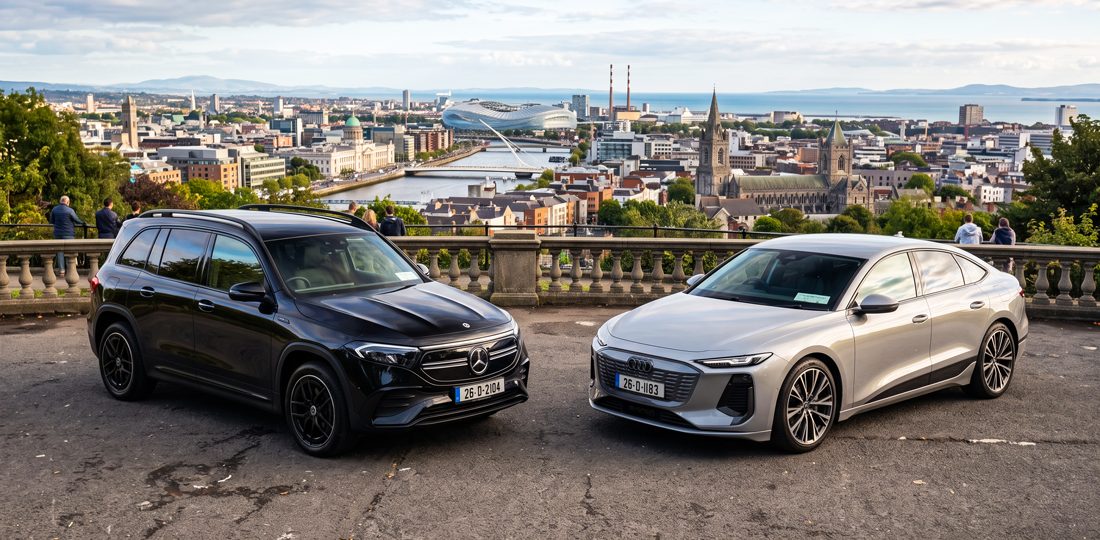
Electric vehicles have changed almost everything about how automotive efficiency is measured. Engines, transmissions and fuel tanks have been replaced by motors, inverters and battery packs, yet one stubborn rule remains: the shape moving through the air still matters. An electric SUV may use the same battery technology, motors and underlying platform as a sedan, but its taller body will usually consume more energy—particularly at highway speeds.
That difference is easy to overlook when electric SUVs promise increasingly impressive range. Automakers have become exceptionally good at smoothing airflow around large vehicles, while battery capacity has grown enough to hide some of the penalty. But a bigger battery does not necessarily make an EV more efficient. It simply gives the vehicle more energy to spend.
The Sedan’s Natural Advantage
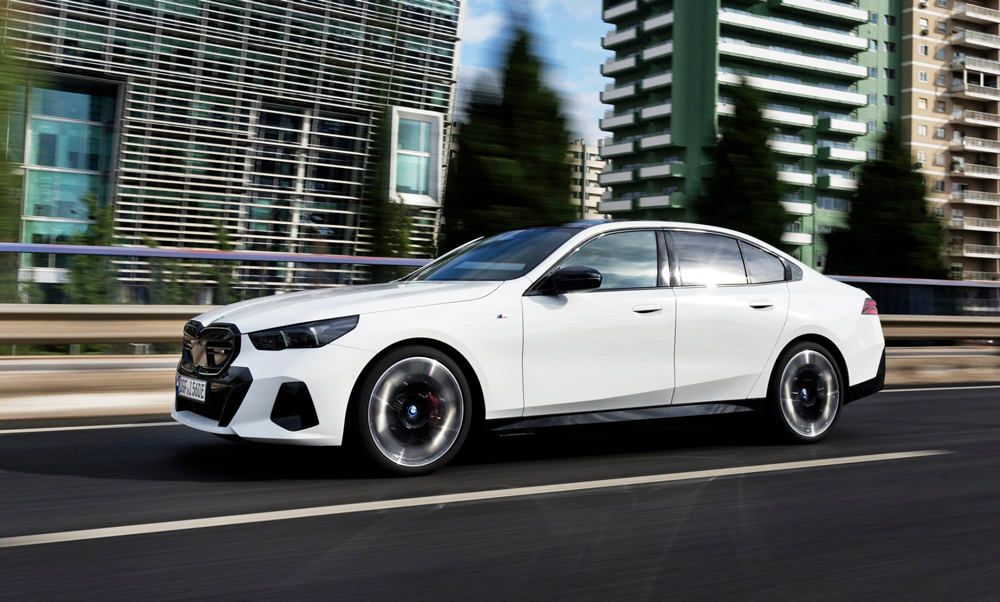
A sedan begins with an aerodynamic head start. Its lower roof, smaller frontal area and gradually tapering rear profile allow it to move through the air with less resistance. A carefully designed electric sedan can direct air around its body and reconnect that airflow more cleanly behind the car, reducing the turbulent wake that effectively pulls backward against it.
The drag coefficient often receives most of the attention, but it does not tell the entire story. Total aerodynamic resistance also depends on frontal area—the size of the vehicle’s face as seen by the oncoming air. A large SUV can post an impressive drag coefficient and still create more drag than a sedan because it is taller and presents a larger surface to the wind.
That is why electric sedans tend to perform especially well on long highway journeys. Aerodynamic drag rises sharply with speed, and the power required to overcome it increases even faster. At urban speeds, the efficiency gap may be relatively modest. At 110 or 120 km/h, the sedan’s lower and narrower profile becomes far more valuable.
SUVs Have More Air to Move
The qualities that make SUVs popular are also the ones working against them. A higher seating position requires a taller cabin. Greater ground clearance leaves more room for air to travel beneath the body. A wide, upright rear section creates additional turbulence, while roof rails, larger mirrors and boxier cargo areas can further disrupt airflow.
Electric SUVs also tend to be heavier. Their larger bodies require more structure, and buyers frequently select all-wheel drive, larger wheels and additional equipment. Some models need bigger batteries to deliver a range figure comparable to that of a smaller sedan, which adds even more mass.
Weight matters most during acceleration and climbing. Regenerative braking can recover part of the energy used to move a heavy vehicle, but it cannot recover all of it. Conversion losses remain, and the energy needed to push a larger vehicle through the air is gone once it has been spent. Regeneration is helpful, not magic—physics remains annoyingly committed to its job.
One Platform, Two Different Outcomes
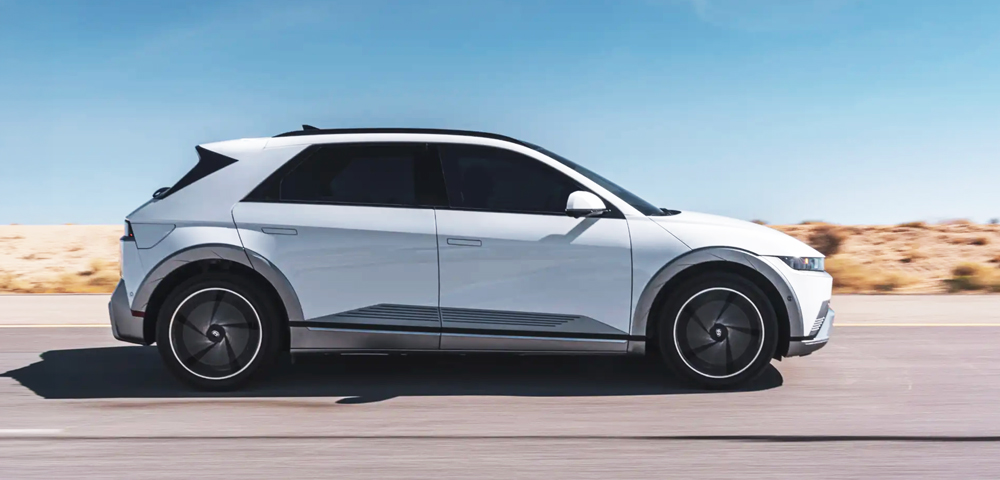
The contrast becomes clearest when a sedan and SUV are built with related electrical hardware. Hyundai’s 2025 IONIQ 6 sedan, for example, offered an EPA-estimated range of up to 342 miles in its most range-focused rear-wheel-drive configuration. The related 2025 IONIQ 5 crossover reached up to 318 miles.
Those figures should not be treated as a perfect laboratory comparison because specifications, tires and equipment can vary. They nevertheless illustrate the broader pattern: a lower, more streamlined body can travel farther with broadly similar battery and propulsion technology.
This is why comparing battery capacity alone can be misleading. An SUV with a larger pack may advertise more range than a sedan with a smaller one while still consuming considerably more electricity per kilometre. The better measurement is energy consumption, shown as kilowatt-hours per 100 kilometres in Canada and Europe or miles per gallon equivalent in the United States.
Wheels Can Undo Good Aerodynamics
Body style is only the beginning. Wheel and tire choices can produce a substantial difference within the same model range. Large wheels are visually appealing, but they are generally heavier and are often paired with wider performance tires. That increases rolling resistance and may expose more tire surface to the air.
Range-focused trims typically use smaller wheels, narrower tires and more aerodynamic covers. Performance versions sacrifice some efficiency for stronger grip, sharper response and more aggressive styling. An electric SUV equipped with oversized wheels therefore combines a taller body with one of the most common efficiency penalties available on an options sheet.
This is one area where buyers have more control than they may realize. Choosing the smaller factory wheel can improve comfort, reduce replacement-tire costs and preserve range. It may not win the parking-lot beauty contest, but it usually wins the charging-stop argument.
Highway Range Reveals the Difference
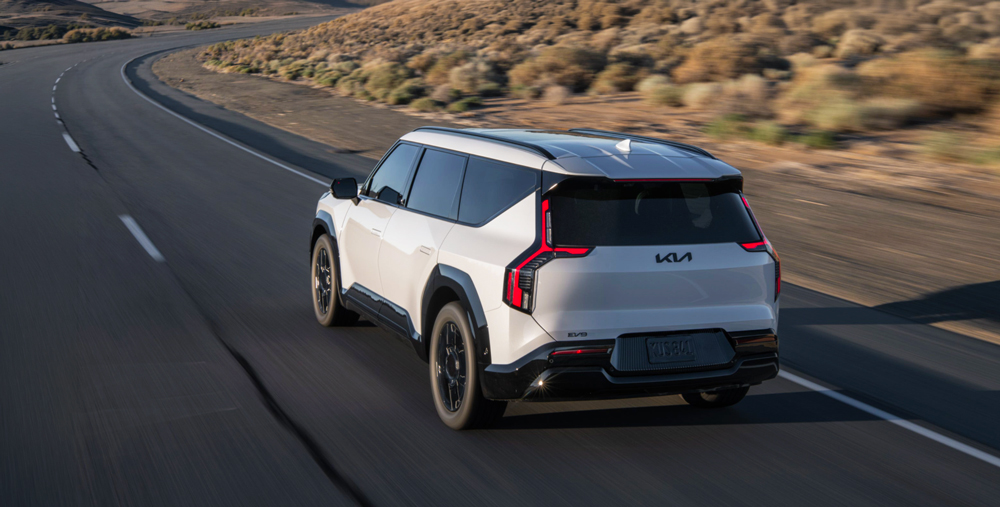
City driving can make an electric SUV look surprisingly efficient. Speeds are lower, aerodynamic drag is limited and regenerative braking can capture energy during repeated slowing. A well-calibrated SUV may therefore return excellent results on an urban commute.
The equation changes on an open highway. Regenerative opportunities decline, average speed increases and aerodynamic drag becomes the dominant force. A headwind raises the effective airspeed even further, while rain, cold temperatures and low tire pressure add resistance. Under those conditions, the difference between a sleek sedan and an upright SUV becomes much more noticeable.
This matters for buyers who regularly travel between cities. Official range figures combine different operating conditions, but sustained high-speed driving can expose inefficiencies that are less obvious in the test result. A sedan may not only travel farther; it may also require shorter or less frequent charging stops because it uses energy more slowly.
Efficiency Affects More Than Range
Lower energy consumption provides benefits even when charging is convenient. An efficient EV needs fewer kilowatt-hours to cover the same distance, lowering home-charging costs and reducing exposure to expensive public fast-charging rates. It also places less demand on the electrical grid and can make better use of charging infrastructure during busy travel periods.
Efficiency can influence charging time as well. Two vehicles may accept power at similar speeds, but the one using less energy between stops needs fewer kilowatt-hours returned to its battery. A large pack and a high peak charging rate may look impressive on paper; low consumption often delivers the quieter advantage over an entire journey.
Smaller batteries can also reduce vehicle weight, manufacturing cost and the quantity of raw materials required. A highly efficient sedan may therefore achieve competitive range without relying on an enormous battery. That is a more elegant engineering solution than compensating for poor aerodynamics with additional cells.
Why Electric SUVs Still Dominate
Efficiency is only one part of the buying decision. SUVs offer easier entry, a more commanding seating position, flexible cargo areas and body shapes that are often better suited to families, pets and bulky equipment. Their popularity means manufacturers can justify offering them across more price points and sizes.
An electric SUV may also be the better overall choice for a household replacing a conventional family vehicle. A theoretical range advantage is not especially useful if the sedan cannot carry what the owner needs. Practical efficiency includes how well one vehicle can perform multiple roles, potentially eliminating the need for a second car.
The important distinction is that convenience has an energy cost. Buyers do not need to reject SUVs, but they should understand what they are trading for the extra height and space.
The Gap Is Narrowing, Not Disappearing
Automakers are using active grille shutters, flat underbody panels, carefully shaped spoilers, flush door handles and air curtains around the wheels to make electric SUVs more aerodynamic. Some newer crossovers also adopt low rooflines and tapered rear sections, creating a middle ground between a conventional SUV and a fastback.
Advanced motors, silicon-carbide power electronics, improved thermal management and more energy-dense batteries can reduce consumption across every body style. Yet these technologies generally benefit sedans too. Engineering can narrow the difference, but it cannot remove the fundamental advantage of presenting less vehicle to the wind.
The most efficient future EVs will not necessarily be the ones carrying the largest batteries. They will be the ones that require less energy in the first place.
MaxTake
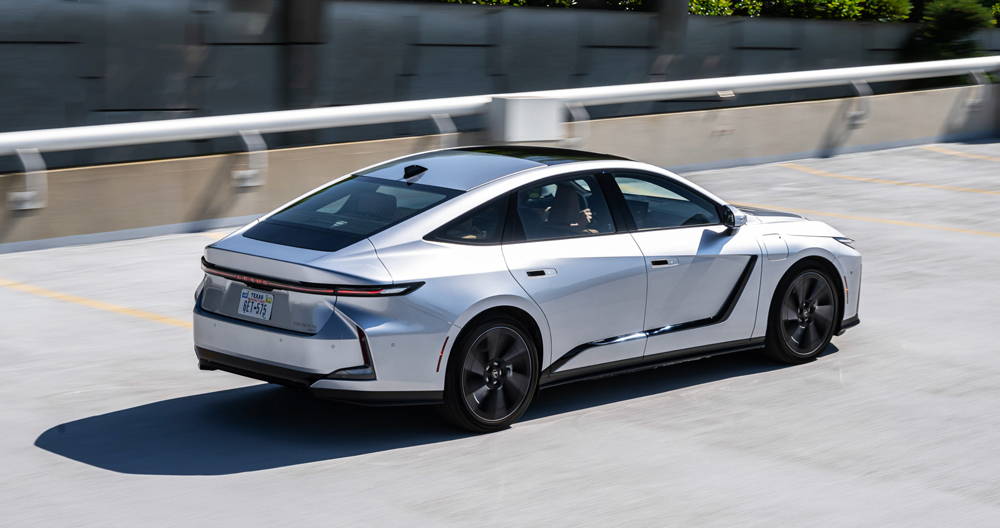
Electric sedans remain the efficiency champions because their proportions work with the air rather than asking the battery to overpower it. Their lower bodies, smaller frontal areas and reduced weight generally translate into lower consumption, stronger highway range and fewer kilowatt-hours purchased over time.
Electric SUVs answer a different set of priorities, delivering space, visibility and versatility while steadily improving their aerodynamic performance. For buyers who need those qualities, the efficiency penalty may be entirely reasonable. But battery size and advertised range should never be mistaken for efficiency. Even in the electric era, the silhouette still tells much of the story.