The Legend That Refused to Fade
The Toyota Supra Mk4, internally known as the A80, wasn’t always treated like royalty. When it debuted in the early 1990s, it was respected—quick, well-built, and unmistakably Japanese—but it wasn’t instantly crowned a legend. That transformation came later. Over time, a perfect storm of engineering brilliance, tuning potential, and pop culture exposure elevated it into one of the most iconic performance cars ever built.
It also arrived during a golden era for Japanese performance cars, when manufacturers were pushing boundaries without the constraints seen today. That context helped shape the Supra into something far more enduring than its original sales numbers would suggest.
Today, the Mk4 Supra sits in a rare category: a car that transcended its original market position to become a global automotive symbol.
Design That Defined an Era
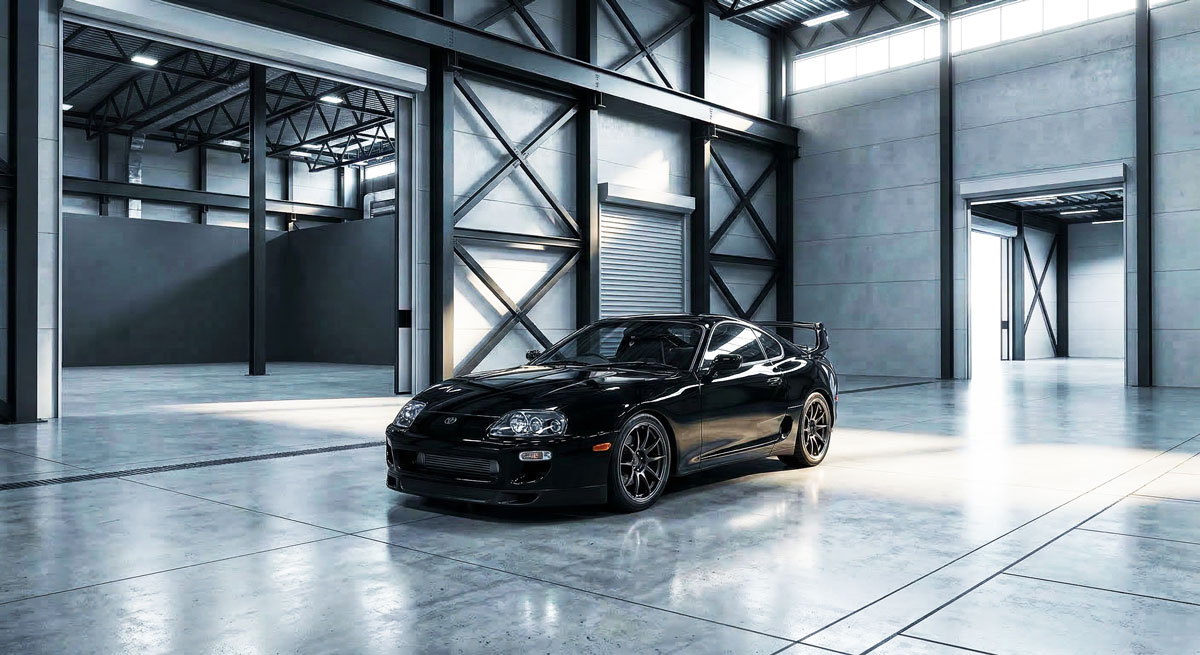
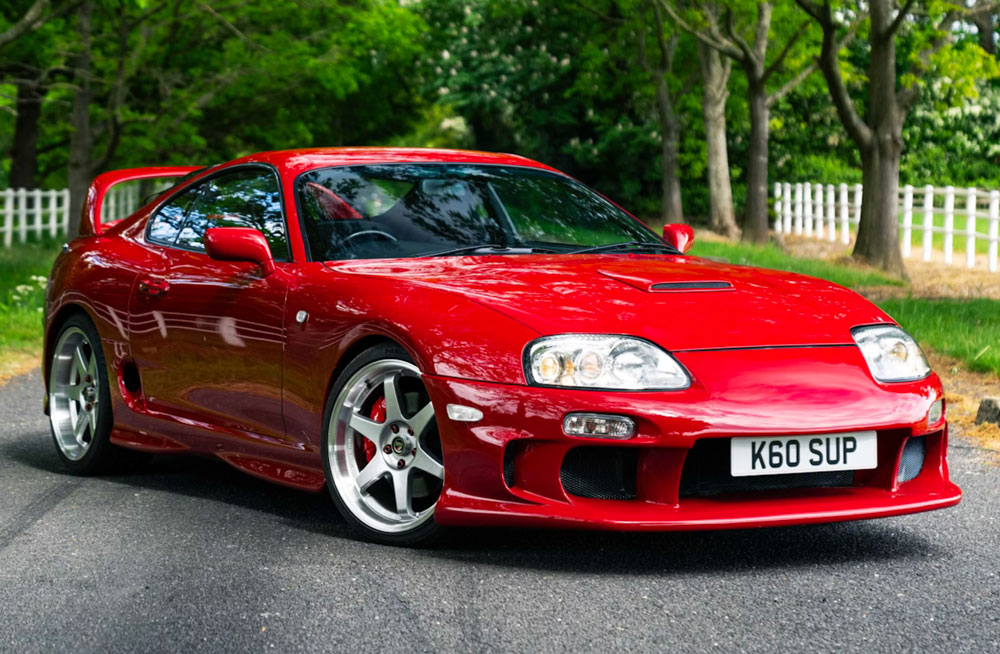
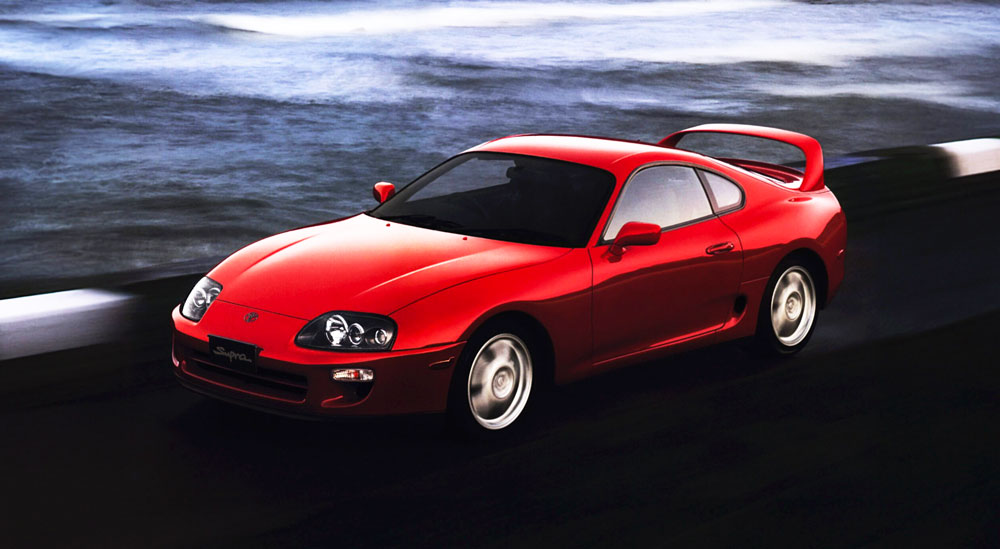
The Mk4’s design still holds its ground decades later. Rounded, muscular, and purposeful, it balanced aggression with aerodynamic finesse. Unlike many of its rivals at the time, it avoided sharp edges in favor of flowing surfaces that reduced drag and improved stability at speed. The result was a shape that felt both futuristic and timeless.
- Long hood, short rear deck proportions gave it a classic sports car stance
- Signature rear wing became an icon in its own right
- Smooth curves and flush headlights reflected 1990s Japanese design philosophy
- Wide body and planted posture hinted at serious performance beneath
It wasn’t flashy for the sake of it—it was functional, shaped by airflow and speed.
The Heart of the Legend: 2JZ-GTE
At the core of the Supra Mk4’s rise is one of the most celebrated engines ever produced: the 2JZ-GTE. Built during a time when reliability standards often exceeded necessity, the engine became known for its ability to handle far more power than Toyota ever intended. Its engineering simplicity combined with extreme strength made it a favorite among tuners worldwide.
- 3.0L inline-six with twin sequential turbochargers
- Factory output: ~276 hp (Japan) / 320 hp (North America)
- Iron block construction built for extreme durability
- Known to handle 600–1,000+ hp with proper tuning
The engine’s overbuilt nature is what turned the Supra from a fast car into a tuning phenomenon. It wasn’t just powerful—it was nearly indestructible by performance standards.
Performance That Still Holds Up
Even by today’s standards, the Mk4 Supra delivers serious numbers. Its combination of turbocharged power and rear-wheel-drive balance allowed it to compete with—and often outperform—many European sports cars of its era. The driving experience remains engaging, mechanical, and direct, qualities that are increasingly rare in modern performance vehicles.
- 0–100 km/h: ~4.6 seconds (Twin Turbo)
- Top speed electronically limited, easily surpassed when unrestricted
- Near 50:50 weight distribution
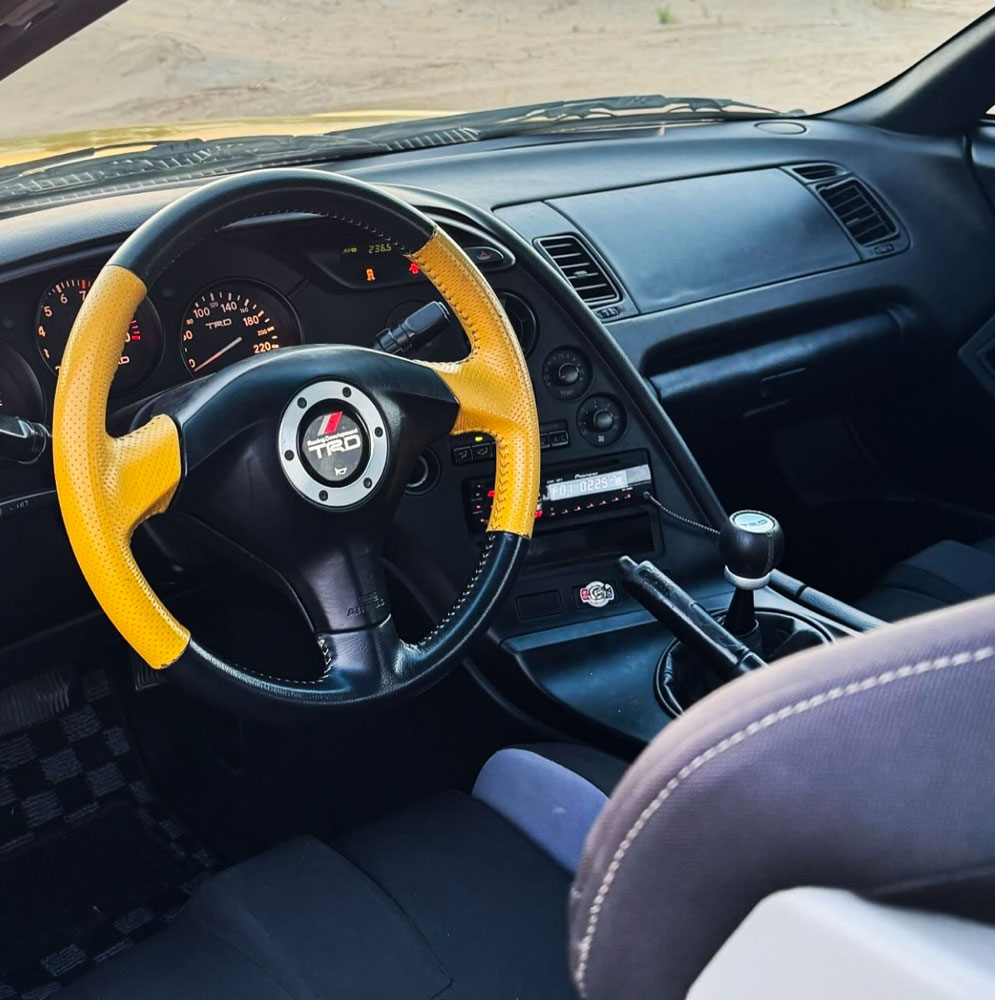
- Available 6-speed manual (Getrag V160) now highly sought after
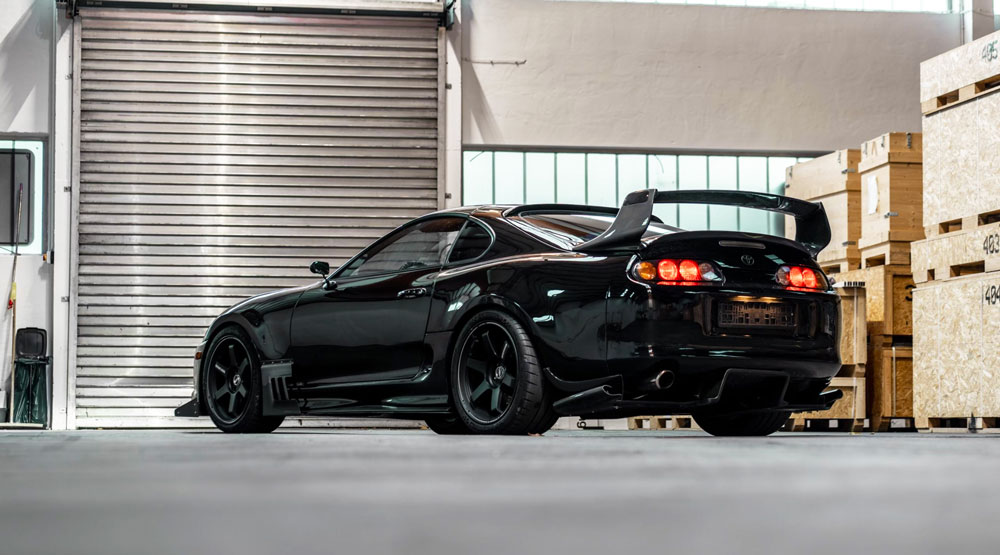
Its balance of straight-line speed and composure made it a complete performance package, not just a drag strip hero.
The Tuning Culture Catalyst
The Supra Mk4 didn’t just participate in tuning culture—it helped define it. Its engine architecture, strong drivetrain, and accessible electronics made it one of the most modifiable platforms of its time. As tuning culture expanded globally in the late 1990s and early 2000s, the Supra became a central figure in that movement.
- Massive global tuning community built around the 2JZ platform
- Capable of four-digit horsepower builds
- Endless aftermarket support for engine, suspension, and aesthetics
- Became a benchmark for what a “buildable” performance car could be
For many enthusiasts, the Supra wasn’t just a car—it was a blank canvas.
Hollywood, Gaming, and Global Fame
Pop culture didn’t create the Supra—but it undeniably amplified its legend. Its presence in film and gaming introduced it to audiences far beyond traditional car enthusiasts, giving it a second life long after production ended. This exposure helped transform it from a niche performance car into a household name.
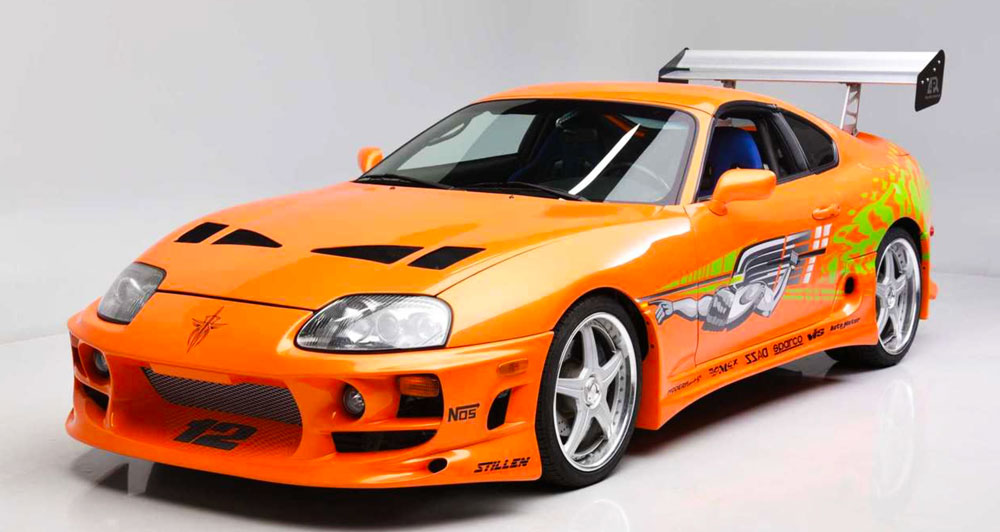
- Featured prominently in The Fast and the Furious (2001)
- Became a staple in racing games like Gran Turismo and Need for Speed
- Recognizable worldwide, even among non-car enthusiasts
The bright orange Supra driven by Paul Walker became one of the most recognizable cars in film history, cementing the Mk4’s place in automotive pop culture.
From Affordable Performance to Auction Star
What was once an attainable performance car has now entered collector territory. Values remained relatively modest for years before sharply increasing as nostalgia, scarcity, and global demand converged. Today, the market reflects not just rarity, but cultural importance.
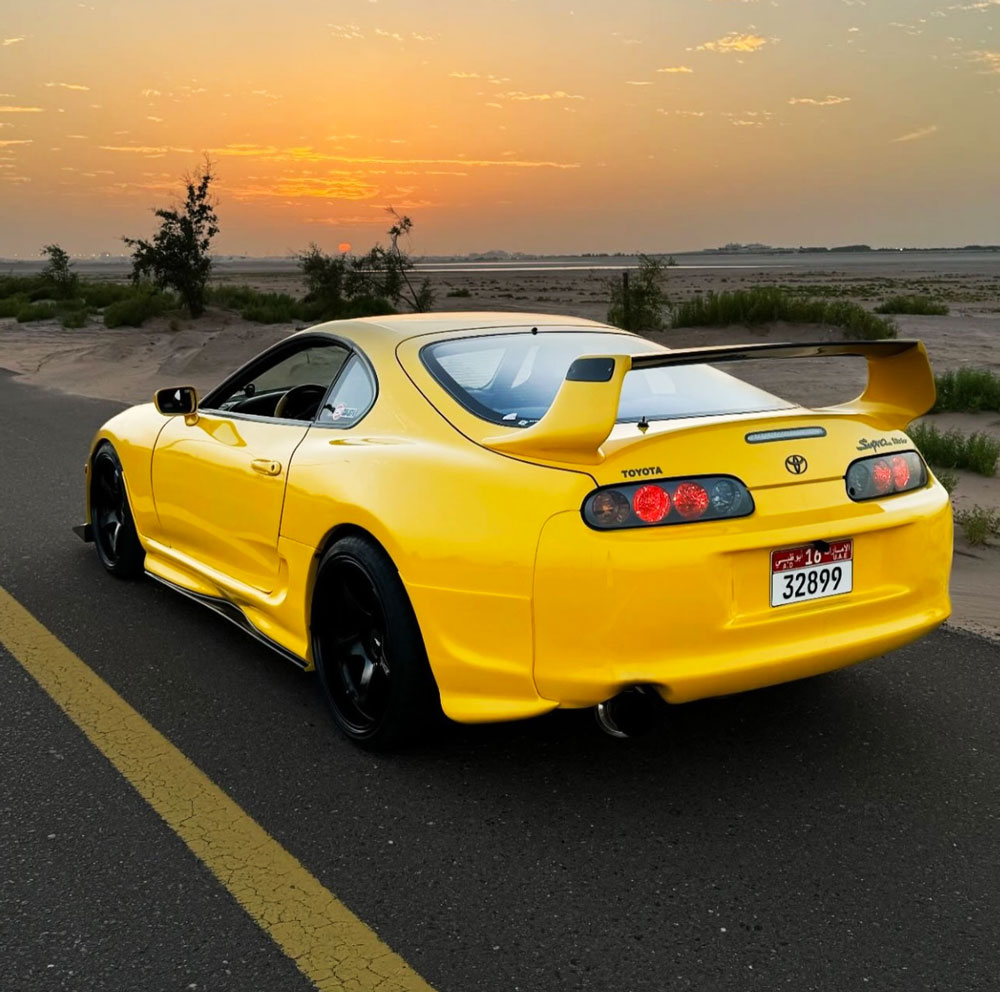
- Clean, low-mileage examples now command six-figure prices
- Original, unmodified cars are the most valuable
- Manual transmission models carry a significant premium
- Limited supply due to age, modifications, and attrition
The Mk4 Supra’s value surge reflects more than nostalgia—it reflects its lasting significance in automotive history.
Why the Mk4 Supra Still Matters
The Supra Mk4 represents a moment in time when engineering freedom met enthusiast demand. It stands as a benchmark for durability, tunability, and driver engagement—qualities that continue to influence modern performance cars. As the industry shifts toward electrification, its analog nature becomes even more appreciated.
In today’s era of electrification and digital driving experiences, the Mk4 stands as a reminder of mechanical purity. No filters, no artificial sound, no compromises—just raw performance and limitless potential.
MaxTake
The Toyota Supra Mk4 didn’t just age well—it evolved into something far greater than its original identity. What started as a high-performance grand tourer became a cultural icon, a tuning legend, and now a blue-chip collector’s asset. Its influence can still be seen in modern performance engineering and enthusiast culture alike. Few cars make that journey. The Supra didn’t just make it—it defined it.