
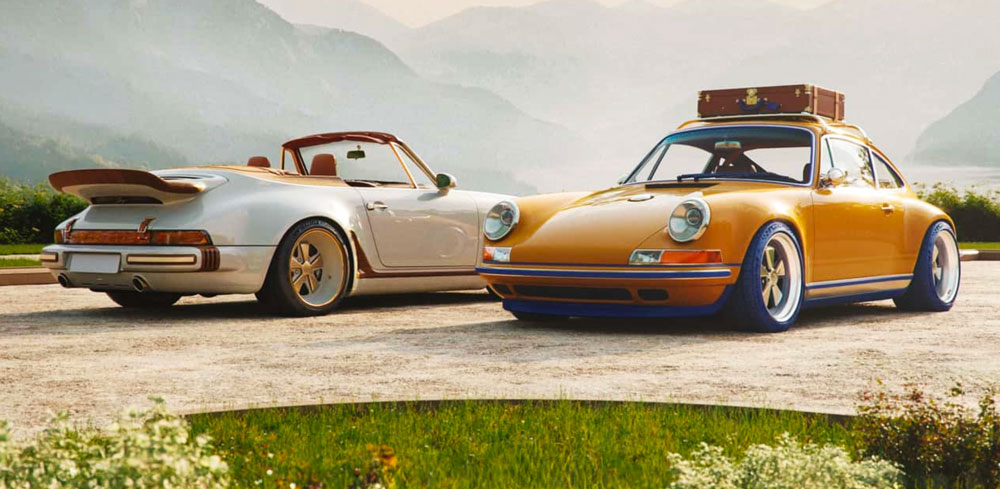
The relationship between fashion and automotive design is entering a more sophisticated phase. For 2026 and 2027, the most interesting projects are no longer satisfied with placing a designer badge on an existing trim level. They are using exclusive materials, numbered production, technical partnerships and carefully timed releases to turn cars into seasonal luxury objects.
Traditional fashion collaborations remain part of the formula, led by MINI, Paul Smith, MG and couturier Gaurav Gupta. At the upper end, Louis Vuitton and Singer have treated reimagined Porsche 911s like rolling examples of haute couture. Meanwhile, automakers including Bentley, BMW, Cadillac and Alfa Romeo are adopting the fashion industry’s wider playbook: limited drops, tightly controlled colour stories, matching accessories and clearly documented provenance.
The result is a 2026–2027 market in which the difference between a special trim, a factory collector edition and a true one-off matters more than ever.
The Designer Edition Is Nothing New
Fashion began influencing factory cars decades before capsule collections and social-media reveals. The AMC Hornet Sportabout offered a Gucci-designed interior package for the 1972 and 1973 model years, while Lincoln introduced its Continental Mark IV Designer Series in 1976 with editions associated with Bill Blass, Givenchy, Emilio Pucci and Cartier.
The modern Fiat 500 later became a natural platform for the concept. The 500 by Diesel arrived in 2008 as a 10,000-unit global edition, followed by the 500 by Gucci in 2011. The Gucci version used the fashion house’s green-red-green stripe, branded wheel centres and two-tone leather upholstery to create an attainable piece of Italian lifestyle design.
Land Rover moved the idea further upscale with the 2012 Range Rover Evoque Special Edition with Victoria Beckham. Limited to a maximum of 200 vehicles, it received hand-finished matte paint, rose-gold details, semi-aniline leather and fitted luggage.
More recent collaborations established the template still being used today. BMW produced 150 examples of the M4 Competition x Kith, seven i4 M50 by Kith vehicles and 47 examples of the XM by Kith. Mercedes-Maybach built 150 S 680 sedans designed with Virgil Abloh, while Mercedes-Benz and Moncler followed a NIGO-created art piece with a 20-car G-Class Past II Future edition. Porsche and Aimé Leon Dore took another route, using bespoke restorations such as the Mulberry Green 993 Turbo to connect fashion with established automotive heritage.
The idea is not new. What has changed for 2026 and 2027 is the scale, variety and precision with which it is being executed.
MINI and Paul Smith Return for 2026
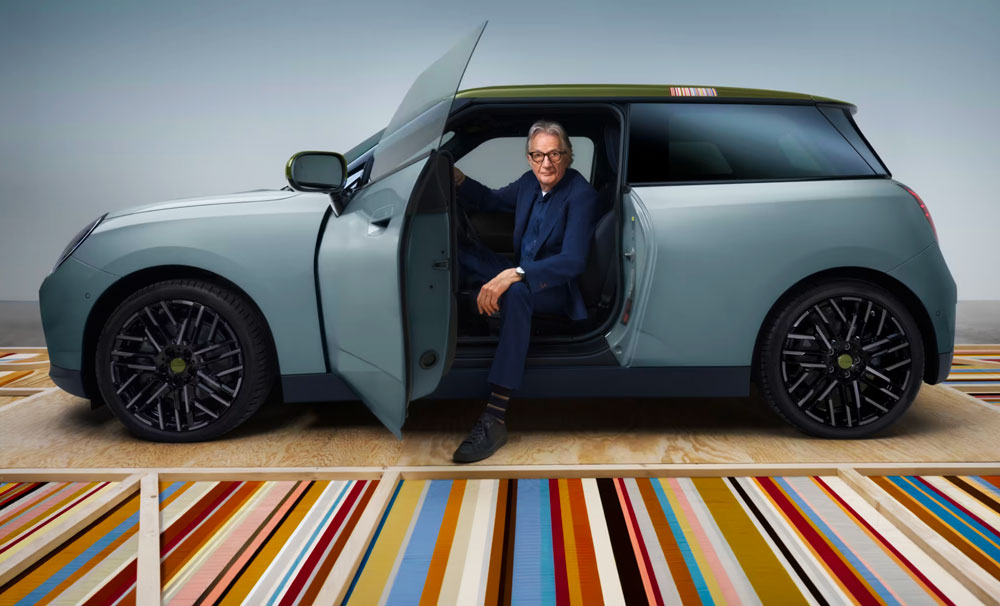
The new MINI Paul Smith Edition is one of the clearest production-car fashion collaborations of 2026. First launched on the electric MINI Cooper and extended to the three-door, five-door and Convertible, the edition brings Paul Smith’s “classic with a twist” philosophy to the current MINI generation.
Statement Grey and Inspired White were created specifically for the edition, while Midnight Black provides a more conventional alternative. Buyers can pair the body with a Jet Black or Nottingham Green roof, the latter referencing Smith’s birthplace. Paul Smith stripes, Dark Steel wheels, green mirror caps and a handwritten “hello” puddle-light projection supply the unexpected details.
Inside, the knitted dashboard receives a subtle striped pattern, while Nightshade Blue seats, contrast stitching, a Paul Smith stripe on the steering wheel and a hand-drawn rabbit on the floor mat keep the cabin playful without turning it into a rolling billboard.
MINI has not announced a fixed global production number. That makes the Paul Smith Edition a genuine designer model, but not automatically a scarce collector car. Its appeal is based primarily on specification, visual coherence and the long relationship between the two British brands.
MG Brings Gaurav Gupta Couture to Electric Cars

MG SELECT introduced two of the most literal runway-to-road collaborations of 2026 with the Cyberster Couture Edition and M9 Couture Edition, created with Indian couturier Gaurav Gupta.
The Cyberster electric roadster and M9 luxury electric MPV receive Gupta’s Serpent Infinity motif, executed through embroidery, tonal layering and hand-finished detailing. The design originated from Gupta’s fashion work and was translated into automotive materials to create surfaces that shift visually as light moves across them.
MG has limited the Couture Edition kit for each model to 50 units, distributed through its MG SELECT network in India. That wording is important: the limited element is the official couture package applied to each vehicle, rather than a separately engineered model with a unique powertrain or chassis.
Even so, the collaboration demonstrates that automotive couture is no longer restricted to European luxury marques. It also shows how electric cars are becoming desirable design platforms in their own right instead of merely serving as technology showcases.
Louis Vuitton and Singer Create Two Rolling One-Offs
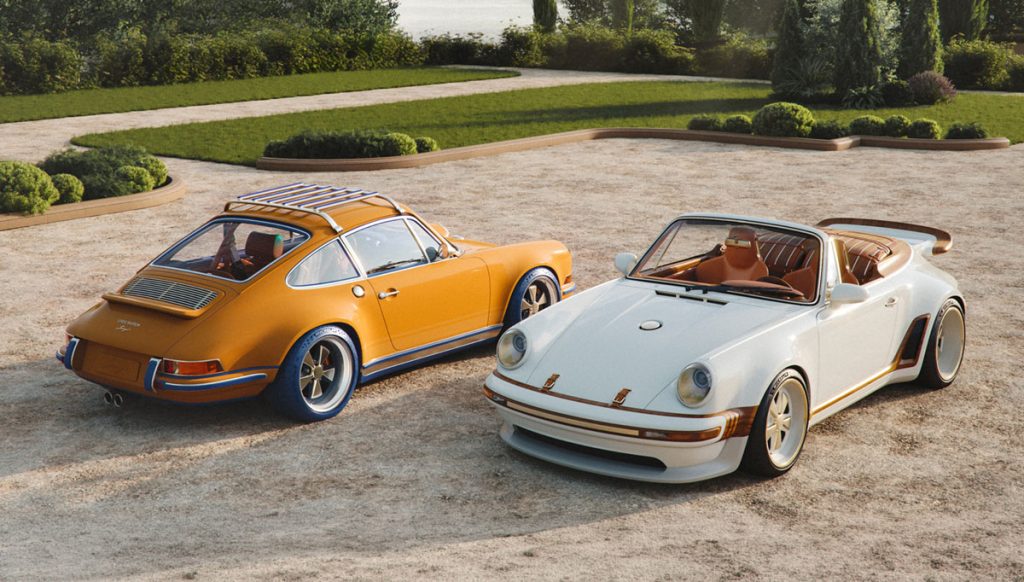
One of the most significant fashion-and-automotive projects of 2026 comes from Louis Vuitton and Singer, the specialist known for restoring and reimagining classic Porsche 911s.
The collaboration produced two distinct cars. The naturally aspirated Porsche 911 Reimagined by Singer — Classic uses saffron, cobalt blue and yellow, with a travel-focused specification that includes bespoke luggage and equipment. A second Classic Turbo cabriolet was conceived with Louis Vuitton women’s artistic director Nicolas Ghesquière and combines Calcaire Lutétien white paint with wood trim and details inspired by classic motorboats.
Louis Vuitton’s leatherworking and watchmaking expertise appears throughout both vehicles. A removable Tambour dashboard clock became the starting point for the wider project, while made-to-measure luggage, clothing and travel accessories extend each car’s identity beyond the cabin.
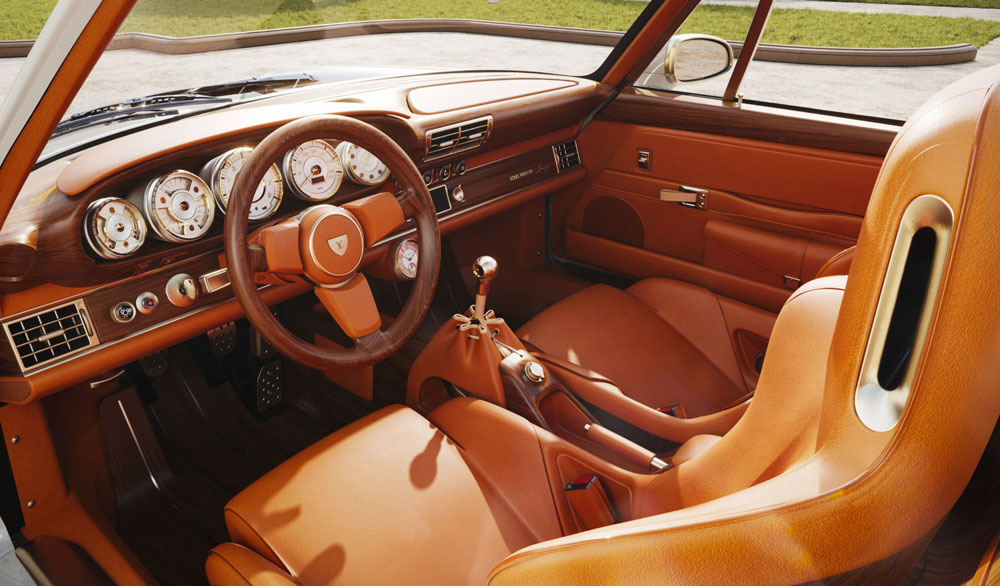
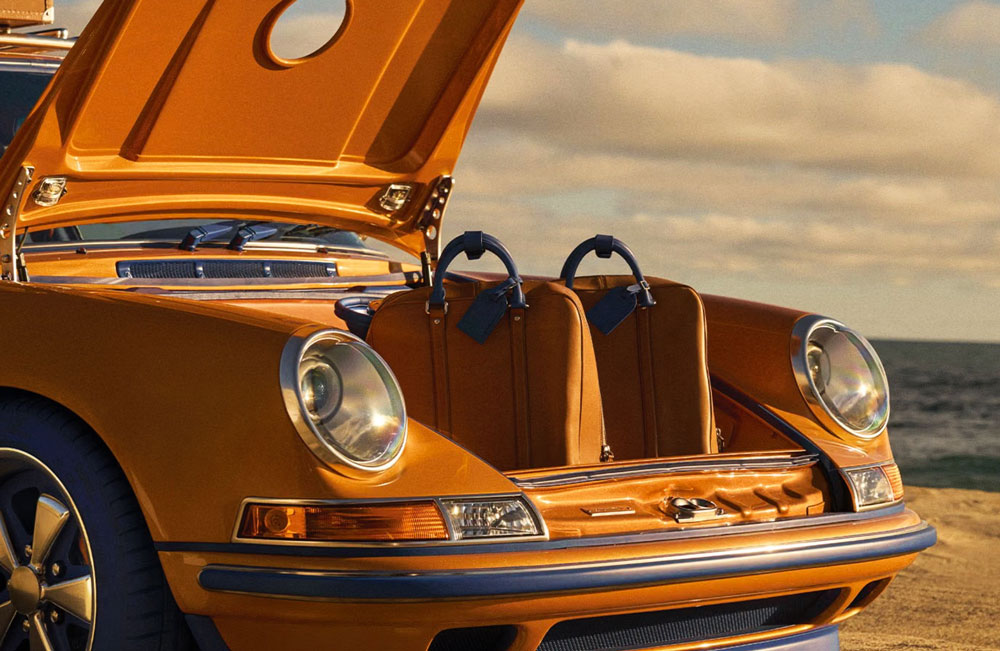
These are not new Porsche production models, nor were they announced as a numbered customer series. They are bespoke Singer restorations based on classic 911 architecture. That places them in the one-off design category, where significance comes from craftsmanship, provenance and the identities of the collaborators rather than a factory production count.
Alfa Romeo Turns a Sailing Partnership Into Ten Cars
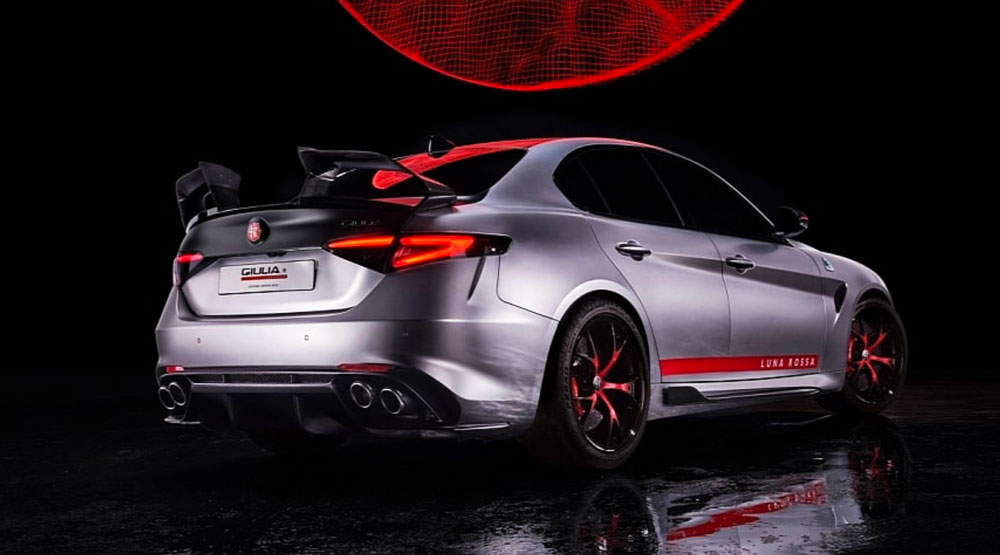
The 2026 Alfa Romeo Giulia Quadrifoglio Luna Rossa shows how a collaboration can influence both appearance and engineering.
Created with the Luna Rossa sailing team, the edition is limited to ten units worldwide, all of which were sold before its public debut. Its iridescent paint references the hull of the Luna Rossa AC75 racing yacht, while sections of the interior use original sail material. The Sparco seats incorporate textures inspired by the personal flotation equipment worn by the crew.
More importantly, the partnership produced a dedicated carbon-fibre aerodynamic package. Front appendages, underbody elements, side skirts and a dual-profile rear wing allow the car to generate as much as five times the downforce of the standard Alfa Romeo Giulia Quadrifoglio, reaching 140 kilograms at 300 km/h.
This is the sort of collaboration collectors tend to take seriously. It has a documented production number, unmistakable materials and meaningful technical changes rather than a cosmetic package alone.
Cadillac Marks Its F1 Arrival With 26 Blackwings
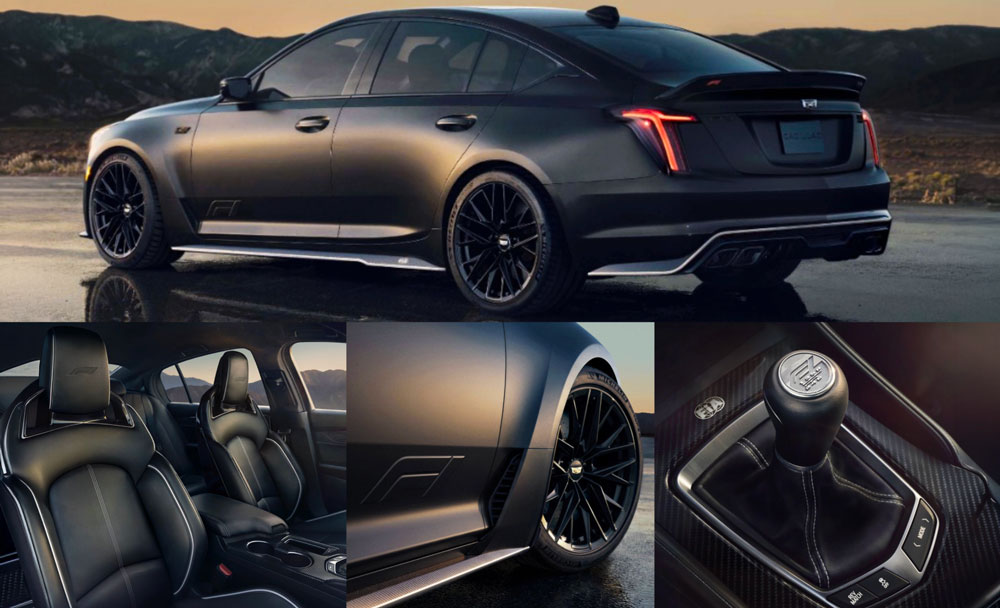
North America’s standout collaborative collector sedan for 2026 is the Cadillac CT5-V Blackwing F1 Collector Series.
Only 26 units are being produced for the United States and Canada, marking Cadillac’s arrival on the Formula 1 grid in 2026. Developed with Formula 1 and the FIA, the edition incorporates serialized builder plaques, stamped and engraved identifiers, dedicated sill plates and F1-related details throughout the body, cabin and engine compartment.
The treatment is not purely visual. Its supercharged 6.2-litre V8 produces 685 horsepower, making it the most powerful Blackwing Cadillac has offered. Every example also receives a six-speed manual transmission and the Precision Package.
For collectors, its combination of extremely low production, North American availability, manual transmission and direct connection to a major moment in Cadillac history gives it substance beyond the branding.
Bentley Turns the 2027 Model Year Into a Seasonal Collection

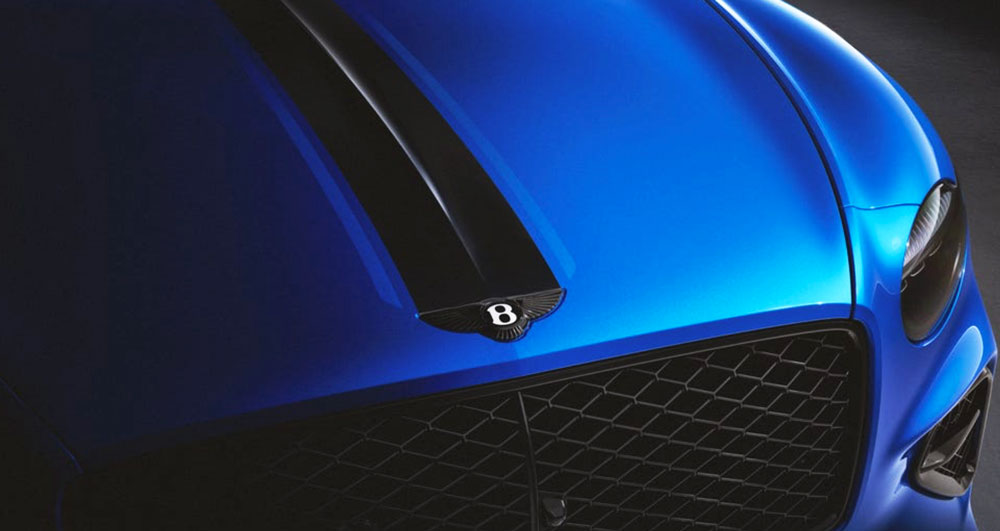
Bentley’s first Bespoke Series by Mulliner may be the clearest sign that carmakers are adopting the release schedule of a fashion house.
Introduced in 2026 as an annual program, the inaugural Bespoke Edition 2027 is limited to 100 numbered vehicles worldwide. Buyers can choose between the Continental GT S and Continental GT S Convertible, with six curated exterior specifications carrying coordinated colours and materials into the cabin.
The collection includes shades such as Salerno Blue, Snow Quartz, Midnight Prism Pearlescent, Spectral Verdant, Manuka Orange and Bright Ruby Red. A central painted stripe, black 22-inch wheels, triple-colour upholstery, dedicated perforation patterns and numbered fascia and treadplates identify each vehicle.
The important innovation is not any single paint colour. Bentley is treating each Bespoke Series as a dated annual collection. Once a year’s 100-car allocation is completed, the marque can move to another creative theme. It is the automotive equivalent of a seasonal luxury drop—except this one requires a much larger closet.
BMW Moves Into Small-Series Coachbuilding

BMW’s Skytop and Speedtop demonstrate another direction for the current collector market: transforming dramatic design studies into tightly controlled production cars.
The Skytop is limited to 50 examples, all assigned shortly after BMW confirmed production. The open two-seater references earlier BMW roadsters while using the company’s 625-horsepower V8, removable roof panels and a handcrafted interior.
The Speedtop follows as a three-door shooting brake limited to 70 vehicles. Its cabin, cargo compartment and exterior were developed as a continuous colour-and-material composition. Specially fitted luggage from Italian leather specialist Schedoni turns the cargo area into part of the design experience rather than somewhere to abandon a gym bag.
Neither car requires an external fashion label. BMW is applying couture principles internally: small-scale construction, individually considered materials and direct allocation to established collectors. The automaker itself has effectively become the fashion house.
Porsche Keeps the 911 Spirit 70 in the Current Collector Market

Although unveiled in 2025, the Porsche 911 Spirit 70 continues to reach global customers during 2026 and remains one of the market’s most design-led factory collector cars.
Limited to 1,500 examples, it combines the current 911 Carrera GTS Cabriolet’s T-Hybrid powertrain with a visual identity drawn from the 1970s and early 1980s. Olive Neo paint, Bronzite details, gold-coloured badging and black-and-olive Pasha upholstery create a complete period-inspired composition.
Each car carries its individual number on a dashboard plaque. Porsche also developed a matching chronograph and lifestyle collection, reinforcing the same product ecosystem used by major fashion collaborations.
The Spirit 70 proves that an automaker does not need an outside designer when its own archive contains enough recognizable colours, patterns and cultural references.
The 2027 Bentley Supersports Takes a More Mechanical Approach


The 2027 Bentley Supersports represents the performance end of the collector-edition market. Production begins in late 2026, with the first deliveries scheduled for early 2027, and only 500 individually numbered cars will be built.
Its 666-PS twin-turbocharged V8 sends power exclusively to the rear wheels, making it the first rear-wheel-drive production Continental GT. The cabin is reduced to two seats, weight falls below 2,000 kilograms and a dedicated carbon-fibre aerodynamic package adds substantial downforce.
Bentley also worked with specialist partners: Manthey helped develop the forged wheels, while Akrapovič supplies the titanium exhaust system. Five exterior design themes and additional Mulliner choices allow owners to individualize the car without weakening its identity as a defined production edition.
This is collaboration driven by engineering rather than fashion, but the collector logic is identical: recognized partners, a clear production ceiling and details unavailable on the standard model.
The 2027 Corvette Grand Sport Tests the Meaning of “Launch Edition”

Chevrolet’s 2027 Corvette Grand Sport adds another important distinction to the market. Its available Launch Edition includes a Santorini Blue interior, red accents, special embroidery, dedicated plaques and multiple exterior graphic combinations.
Underneath, the new Grand Sport uses Chevrolet’s 535-horsepower, naturally aspirated 6.7-litre V8 and combines it with the wider body and performance hardware expected from the model.
However, Chevrolet has described the wider Grand Sport Corvette as a high-volume model and has not announced a production cap for the Launch Edition. That does not make it undesirable, but it illustrates why collectors should never assume that “Launch Edition” and “limited edition” mean the same thing.
MaxTake
The 2026 and 2027 market is dividing automotive collaborations into three clear groups. MINI and MG are offering accessible designer editions. Louis Vuitton, Singer and Alfa Romeo are creating deeply specialized one-offs or few-offs. Bentley, BMW, Cadillac and Porsche are packaging exclusive cars with the discipline of luxury collections.
The strongest collector editions have more than an attractive colour and a famous name. They combine factory authorization, documented production, specific materials, genuine technical or creative involvement and accessories that complete the original specification.
Fashion may generate the attention, but provenance will determine which cars remain important. In the current market, the smartest collectors are not simply asking who designed the car. They are asking exactly what was built, how many exist and whether the matching luggage is still hiding under someone’s bed.