The Peugeot 205 GTI didn’t invent the hot hatch, but it showed how thrilling the formula could be when a small car was light, lively and tuned around the driver. In the 1980s, as performance cars gained power and presence, the little Peugeot made nimble handling feel like its own kind of speed.
A compact car with a sporting streak
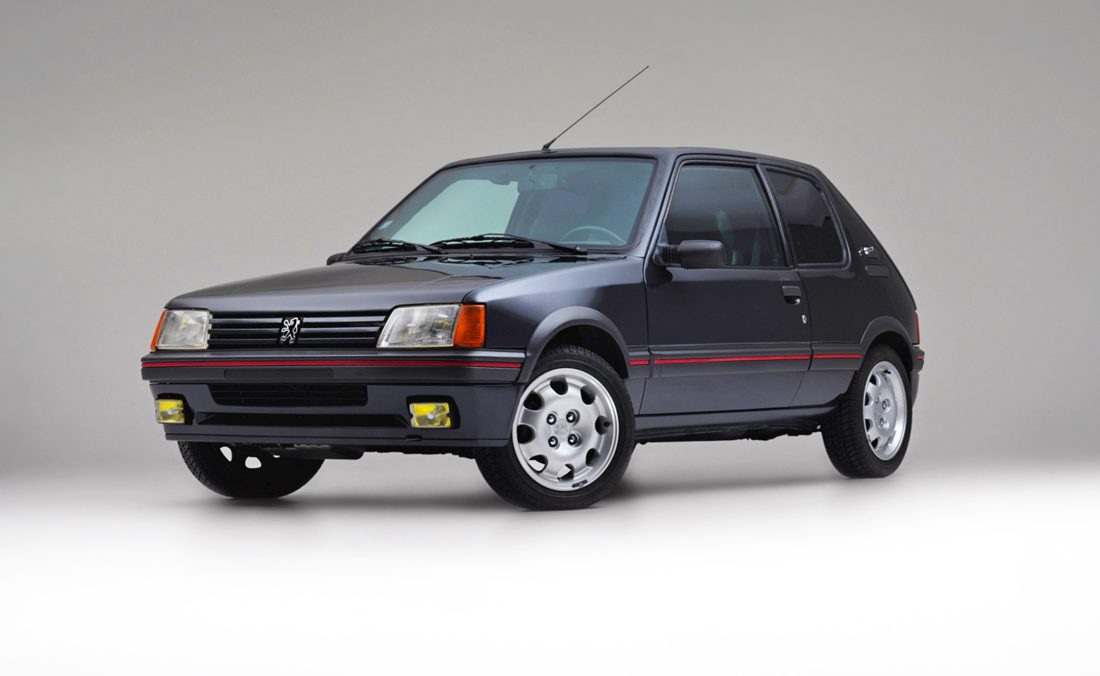
The 205 began as a versatile small hatchback in 1983. A year later, Peugeot added the three-door GTI, putting a 1.6-litre fuel-injected engine under its short bonnet. The original made 105 bhp, and its modest weight helped it feel brisk without needing a large engine.
Its appeal came from the whole package. The GTI looked purposeful, with flared wheel arches, red detailing and distinctive alloy wheels, but remained recognisably a 205: compact, tidy and usable. Inside, the cabin was practical enough for everyday life. It could carry people and shopping, then make a familiar road feel newly interesting on the way home.
Small numbers, vivid responses
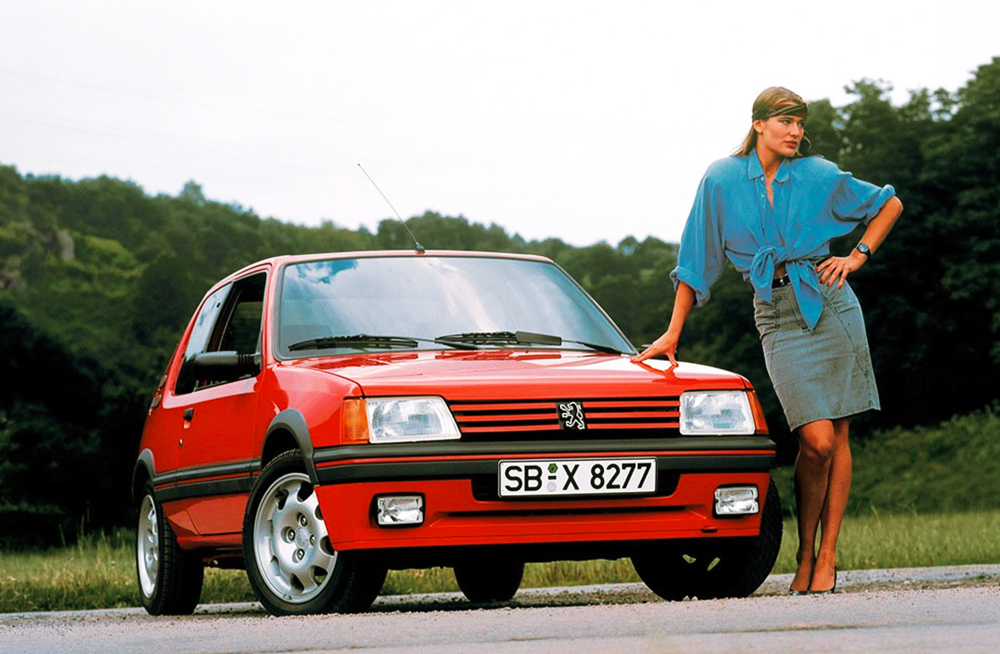
The 205 GTI’s personality came from its lightness and eager responses. Steering was direct, the engine rewarded being worked through the rev range, and the chassis let the driver feel how the car was settling into a corner. Rather than relying on sheer power, it made momentum part of the fun.
Peugeot developed the range as the decade progressed. The 1.6 gained power, and a 1.9-litre version arrived in 1986 with 130 bhp and more torque. The larger engine gave the GTI stronger acceleration, while the 1.6 kept its own following for its eager character. Choosing between them became a matter of taste: a bit more punch, or a different rhythm.
That lively chassis also asked something of its driver. The GTI lacked the electronic assistance expected in modern performance hatchbacks, and lifting off the throttle mid-corner could change its balance quickly. For attentive drivers, that adjustability was part of the connection. For anyone caught by surprise, it could be a sharp lesson in smooth inputs.
The hot hatch comes of age
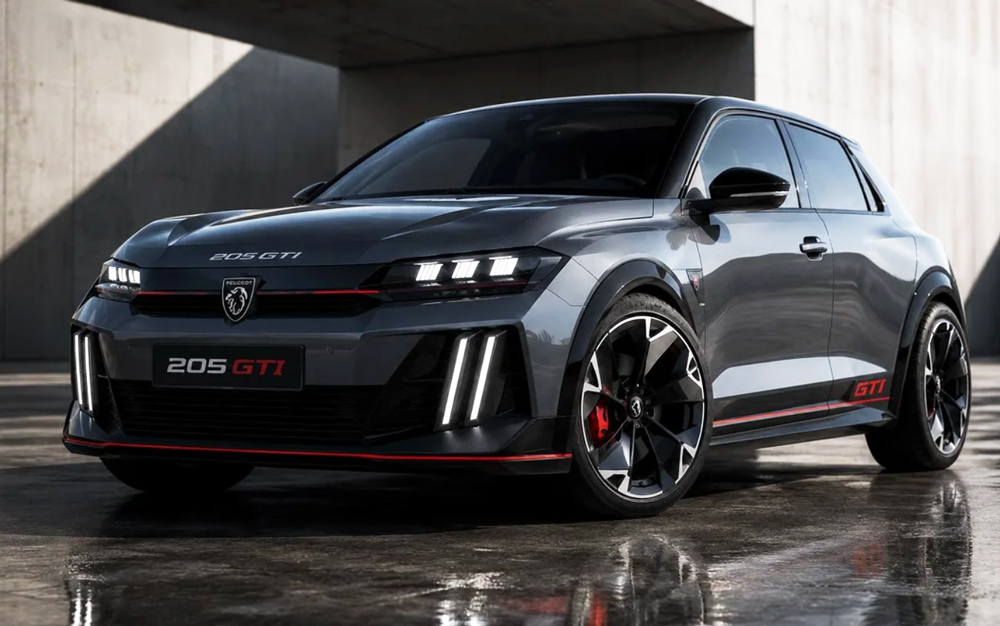
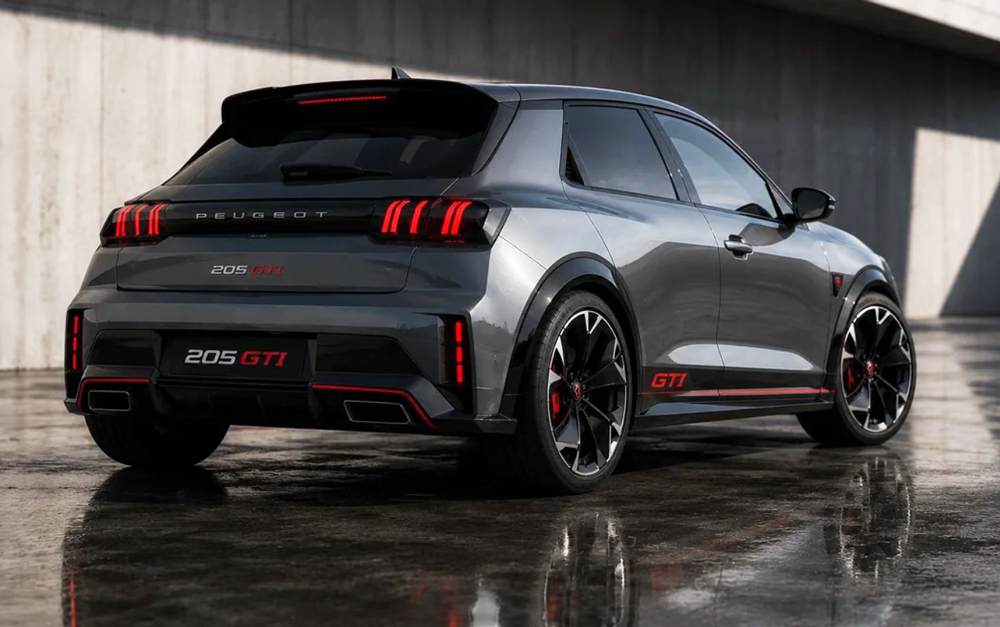
The 205 GTI arrived after the Volkswagen Golf GTI had established the hot-hatch idea. Its contribution was to make the category feel more agile and playful, showing that an affordable performance car didn’t need to be large or intimidating to feel special. It was part of a wider 1980s wave of quick hatchbacks, alongside rivals such as the Renault 5 GT Turbo.
The GTI also benefited from Peugeot’s motorsport spotlight. The road car and the all-wheel-drive, mid-engined 205 Turbo 16 were very different machines, but their shared name and shape connected the everyday hatchback to Peugeot’s dramatic Group B rally success. The distinction matters: the GTI earned its reputation on public roads through balance and involvement, not rally-car hardware.
The appeal, and the compromises
By modern standards, the 205 GTI is not especially fast, quiet or refined. Its cabin and controls show their age, and its lively handling rewards care. That is part of why its reputation rests less on stopwatch figures than on the feeling that the driver is involved in everything it does.
Its influence can be seen in how enthusiasts still describe the ideal hot hatch: compact, light on its feet, useful during the week and entertaining on a good road. The 205 GTI made those qualities feel like more than a sensible compromise. They were the point.
MaxTake
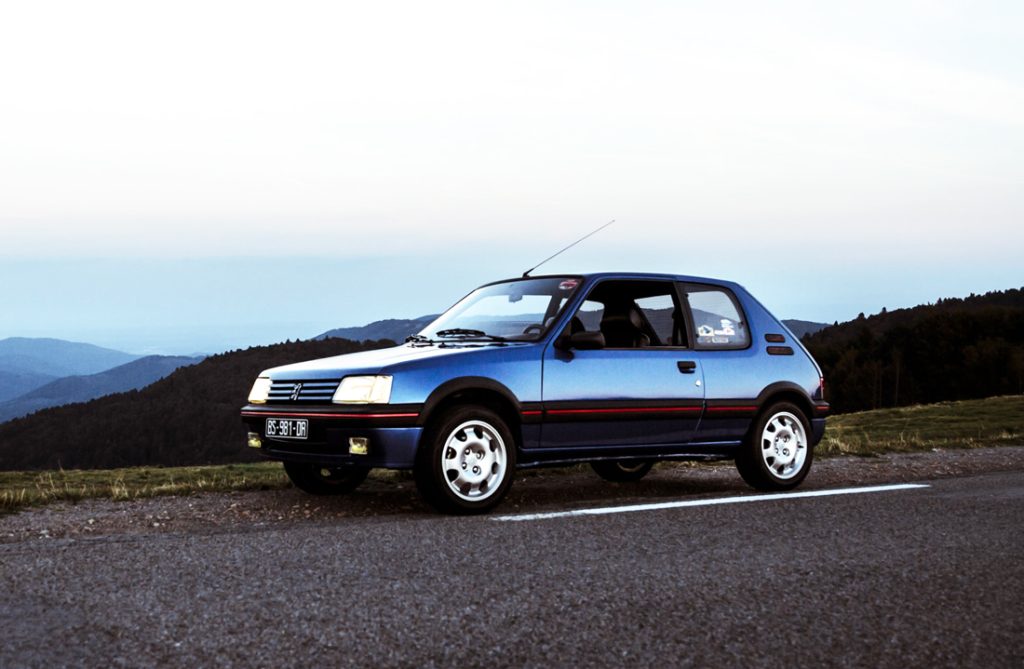
The Peugeot 205 GTI made modest power feel vivid by surrounding it with light weight, direct responses and a chassis that kept the driver engaged. It helped define the 1980s hot hatch as an affordable car with genuine sporting character. Its limits are real: it is an old car, and its lively balance deserves respect. But the best part of its appeal is still easy to understand: it made an ordinary stretch of road feel like an invitation.