The original Austin Mini was designed around a simple challenge: how could a small car carry four people without feeling like a cramped compromise? Launched in 1959, Alec Issigonis’s answer was to rethink where the mechanical parts went and how much room they used. The result became a practical city car, a rally winner and a lasting reference point for compact-car design.
History & Heritage
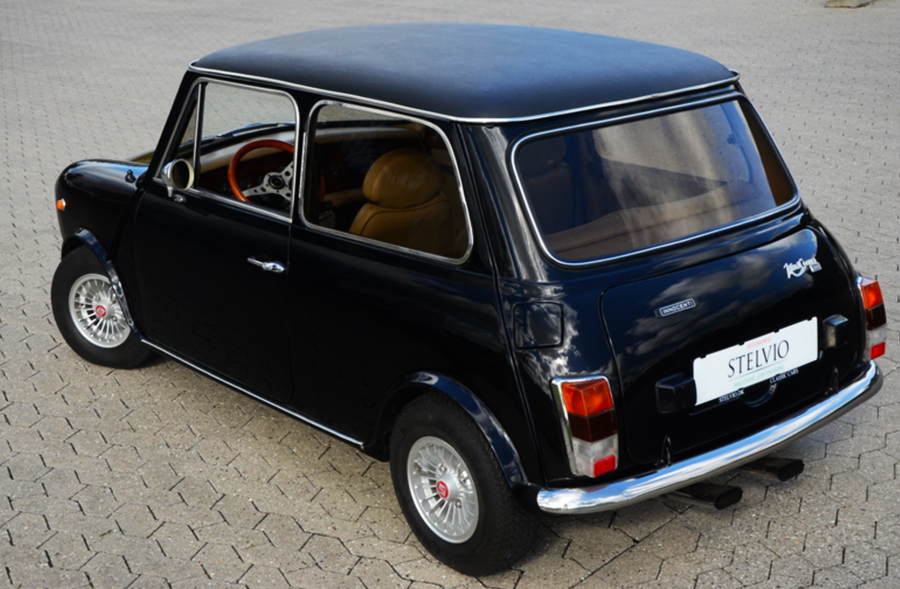
The Mini arrived at a time when fuel economy and affordable transport mattered to British drivers. The British Motor Corporation introduced it in two versions, the Austin Seven and Morris Mini-Minor, with the same basic engineering beneath their different badges. Its compact dimensions suited crowded streets, but the design’s real achievement was making a small footprint useful for everyday life.
The classic Mini remained in production until 2000. Across those decades, it appeared in numerous forms, from family saloons and estate models to vans and the open-sided Moke. Its shape became an icon, but the car’s influence came just as much from the careful decisions hidden underneath it.
Packaging That Put Passengers First
Issigonis’s layout placed the engine sideways across the front of the car, with the gearbox beneath it, driving the front wheels. This arrangement kept the mechanical package compact and freed more of the car’s length for passengers and luggage. The wheels were pushed toward the corners, helping create a roomy cabin within a remarkably short body.
That combination made the Mini feel larger inside than its exterior suggested. Its small wheels and short overhangs also helped it manoeuvre through tight streets and park in spaces that challenged larger cars. The cabin was plainly finished, but the design made an argument that still shapes small-car engineering: thoughtful packaging can matter as much as adding size.
From City Car To Rally Contender
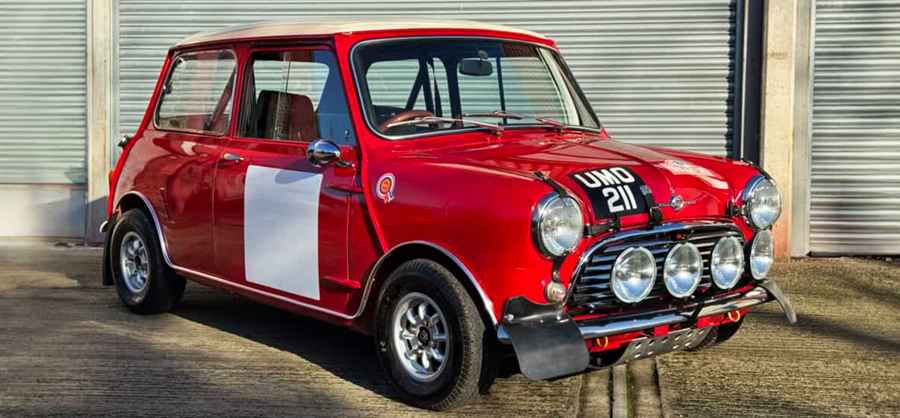
The Mini’s motorsport reputation grew when builder and racer John Cooper saw potential in the car’s light weight and responsive handling. The resulting Mini Cooper, followed by the more powerful Cooper S, added performance to a formula originally aimed at affordable transport.
The Cooper S scored outright victories in the Monte Carlo Rally in 1964, 1965 and 1967. Drivers Paddy Hopkirk, Timo Mäkinen and Rauno Aaltonen helped make the little car a formidable presence against larger rivals. Its agility was especially valuable on narrow, twisting roads, where nimble handling could count for more than straight-line power.
The 1966 rally remains a complicated chapter: Mini crews crossed the finish line at the front, but the leading cars were disqualified over their headlamps, and the win was awarded elsewhere. The controversy added to the car’s legend, while the three undisputed victories firmly established its competition credentials.
A Lasting Influence On Compact Cars
The Mini helped show how a transverse front engine and front-wheel drive could support a practical, space-efficient small car. These ideas became common in later compact vehicles, though the Mini was part of a broader evolution in automotive engineering rather than the sole origin of every modern layout.
Its deeper influence was the way it connected packaging with character. The Mini was economical and useful, yet it also felt lively to drive and unmistakable to look at. Later small cars would borrow the logic of its layout while pursuing different priorities, but the original Mini showed that efficiency did not have to make a car feel anonymous.
The Mini’s Enduring Appeal
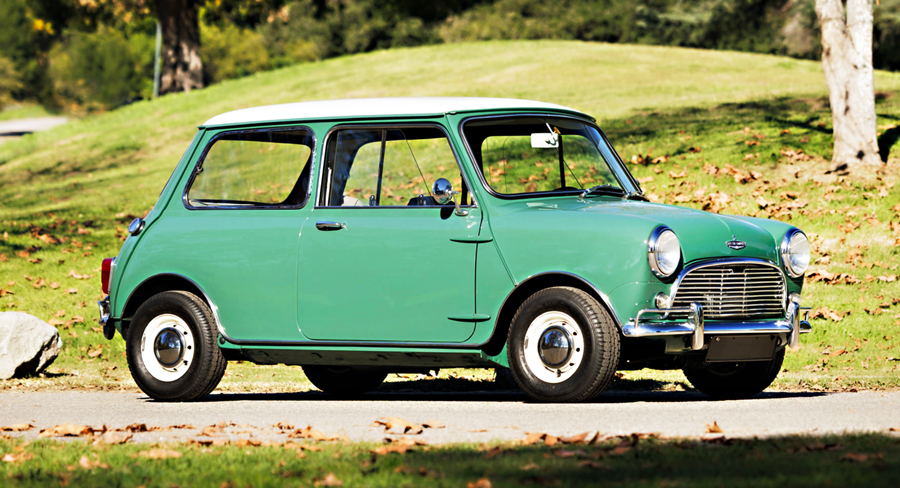
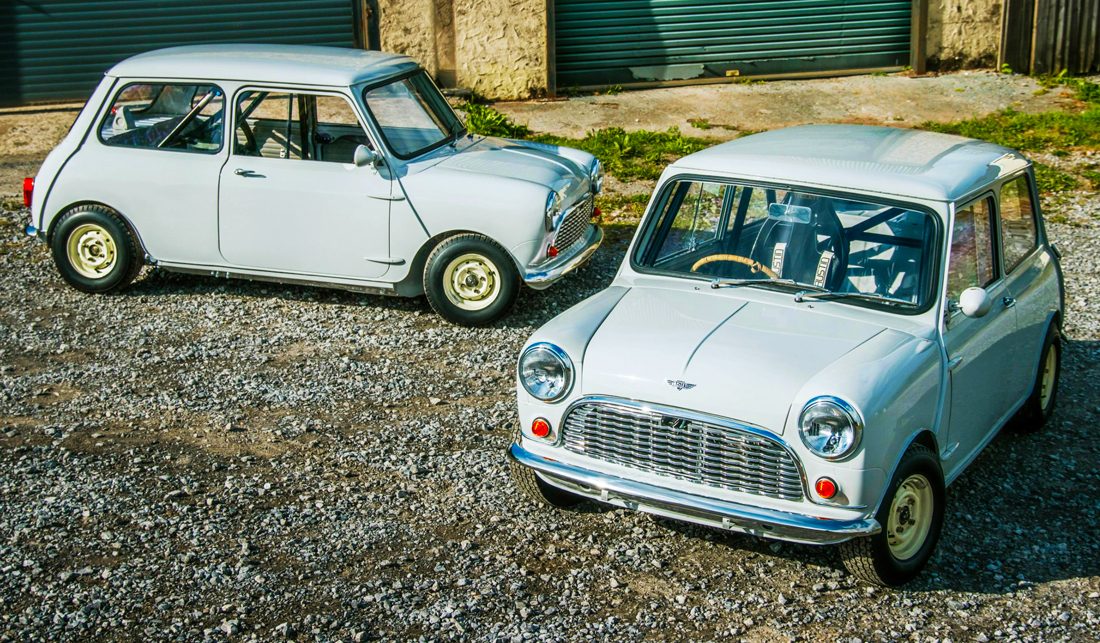
The classic Mini’s proportions remain instantly recognizable: upright cabin, short nose, wheels near the corners and a stance that seems ready to dart into a gap. Its design was shaped by practical constraints, but those constraints produced a car with personality rather than a box on wheels.
That balance helps explain why the Mini still resonates with drivers and designers. It made a compelling case for using space intelligently, then proved that a car built around that idea could be fun, competitive and culturally memorable.
MaxTake
The Austin Mini made its space count by treating every inch as part of the design, not as leftover room around the machinery. Its packaging helped shape expectations for compact cars, while its rally successes gave that clever engineering a thrilling public stage. More than six decades after its debut, the Mini remains a reminder that a small car can leave a very large mark.