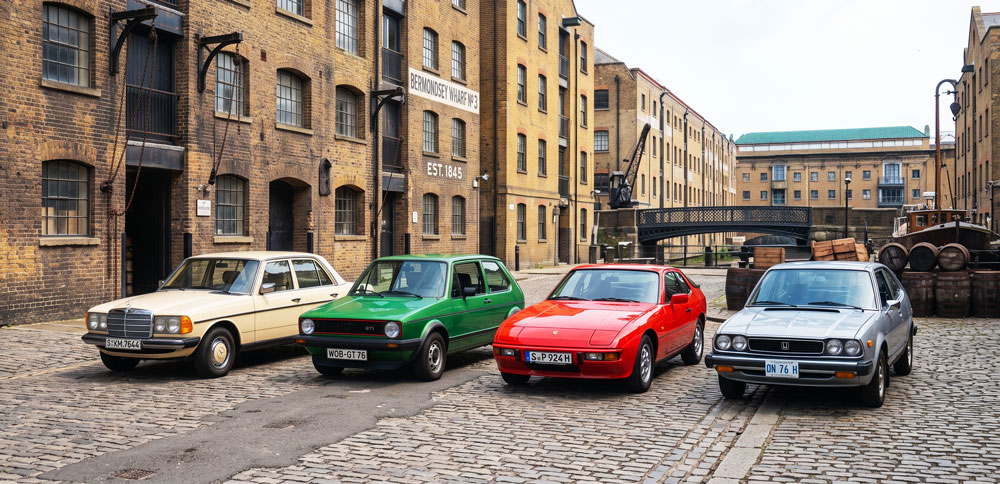
The automotive world of 1976 was caught between eras. Fuel costs and emissions regulations were reshaping engineering priorities, yet designers were still producing dramatic wedges, elegant grand tourers and unapologetically analogue performance cars.
Some of the year’s most influential arrivals were modest hatchbacks designed for ordinary families. Others challenged established ideas about what a Porsche, Mercedes-Benz or Lotus should be. Together, these six cars introduced formulas that would influence the industry for the next half-century.
Volkswagen Golf GTI — Performance for the Real World
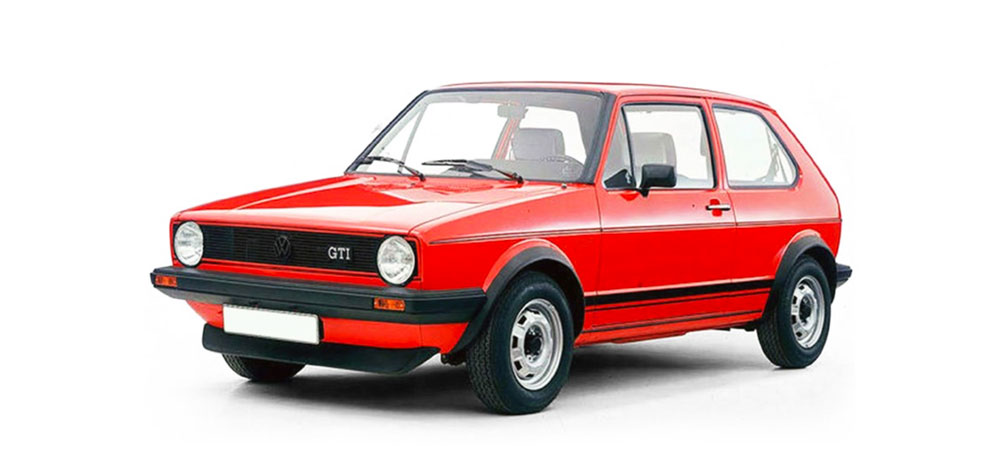
Volkswagen displayed the Golf GTI at the Frankfurt motor show in 1975, but June 1976 was when German customers could finally buy one. That showroom arrival transformed a clever internal project into one of the most influential performance cars ever produced.
Its formula now appears obvious: take a practical front-wheel-drive hatchback, add fuel injection, firmer suspension, discreet visual details and enough power to challenge more expensive machinery. In 1976, it was wonderfully disruptive.
The original 1.6-litre engine produced 110 PS, while the car weighed only around 810 kilograms. Volkswagen initially expected to build 5,000 examples. Instead, approximately 462,000 first-generation GTIs were eventually produced.
The GTI did not invent the quick small car, but it combined the ingredients so convincingly that an entire category formed around it. Every modern hot hatch still carries a little of its DNA.
Honda Accord — Japan Moves Upmarket
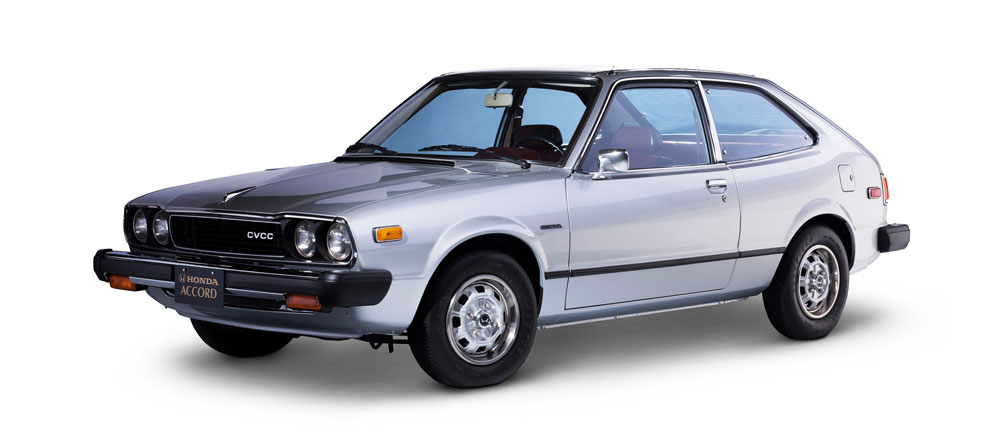
The first Honda Accord reached the Japanese market in May 1976 as a three-door hatchback. Larger and more refined than the Civic, it offered an impressive combination of manageable dimensions, interior comfort, quietness and economical operation.
That balance proved especially important in North America. Honda was no longer simply a manufacturer of clever small cars; it was demonstrating that Japanese brands could compete directly in the heart of the family-car market.
The original Accord was exported to the United States shortly after its Japanese launch. A four-door sedan followed in 1977, eventually becoming the body style most closely associated with the name.
Later generations would grow considerably, and American production would begin in Ohio in 1982. The essential Accord philosophy, however, was established in 1976: thoughtful engineering, dependable operation and everyday refinement without unnecessary drama.
Ford Fiesta — The Small Ford Goes Global
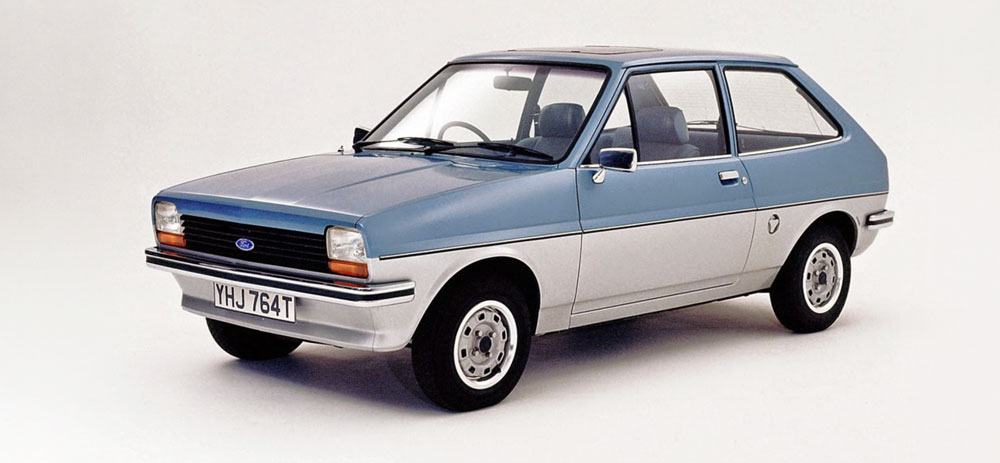
Ford developed the original Fiesta under the internal name Project Bobcat. Production began in 1976, followed by its arrival in major Continental European markets that year. British customers received the new small Ford in early 1977.
With a transverse engine, front-wheel drive and compact hatchback body, the Fiesta delivered the space efficiency European buyers increasingly expected. It was economical without feeling like a temporary response to high fuel prices, while its clean proportions allowed it to remain recognizable through several generations.
The Fiesta also demonstrated the industrial scale required to compete seriously in the growing supermini segment. Ford invested in new and expanded production facilities across Europe, including a major factory near Valencia, Spain.
By the time production ended in 2023, the Fiesta had become one of Ford’s most successful nameplates. Its importance began with the realization that an affordable small car did not need to feel like a small idea.
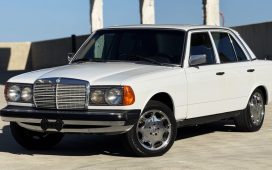
Mercedes-Benz W123 — The Everyday Hero
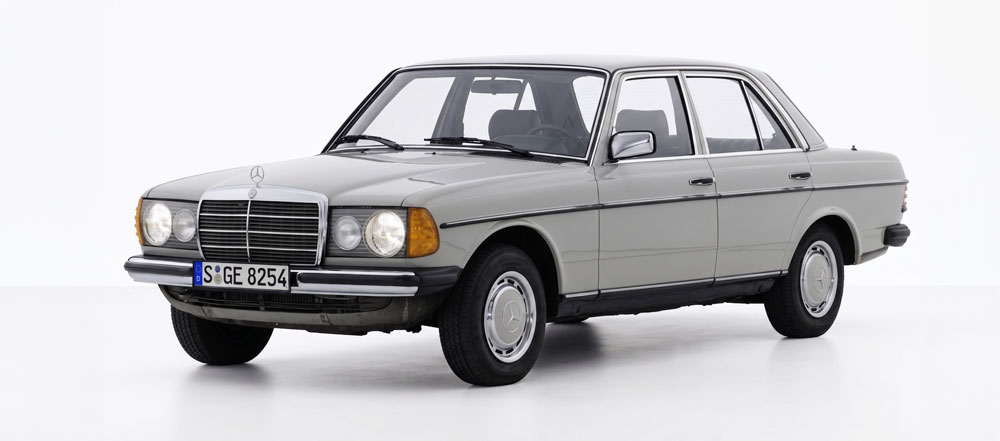
Introduced in January 1976, the Mercedes-Benz 123 series replaced the W114 and W115 models. It arrived with understated styling, extensive safety engineering and the solid construction that would make it a worldwide symbol of durability.
The range eventually included sedans, long-wheelbase models, coupés and the first factory-built Mercedes-Benz estate. Buyers could choose from petrol and diesel engines, creating a family broad enough to serve everyone from private owners and diplomats to taxi operators.
Its appeal was not built around novelty. The W123 mattered because it refined traditional Mercedes-Benz virtues into an unusually complete package. It was comfortable, carefully engineered and capable of accumulating enormous mileage when properly maintained.
Fifty years later, surviving examples remain in regular use across several continents. Few luxury cars have ever balanced prestige and hard-working practicality so successfully.
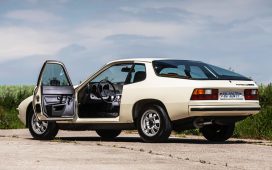
Porsche 924 — A Different Kind of Porsche
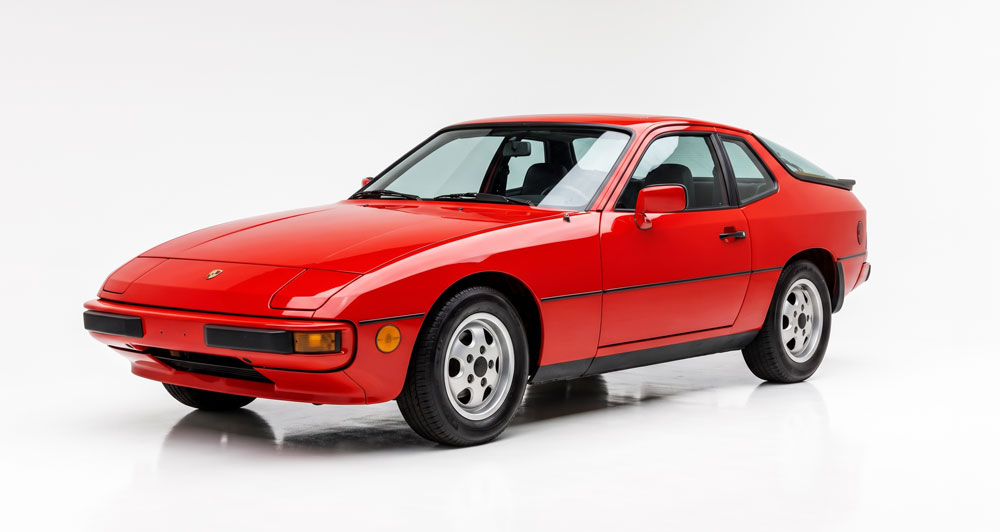
The Porsche 924 entered the market in 1976 and represented a dramatic break with the company’s established rear-engine identity. Its water-cooled four-cylinder engine sat at the front, while the transmission was mounted at the rear as part of a transaxle layout intended to improve weight distribution.
The project had originally been developed for Volkswagen before Porsche acquired the rights and completed the car under its own name. Its use of components from the wider Volkswagen and Audi network initially made the 924 controversial among traditionalists.
What critics could not ignore was its usefulness. The 924 offered clean styling, a large glass rear hatch, small rear seats and greater everyday versatility than many contemporary sports cars. It also brought Porsche within reach of a broader customer base.
The 924 began a transaxle family that would later include the 928, 944 and 968. Nearly 400,000 transaxle Porsches were sold across those four model lines, making the original 924 far more than an unusual footnote in the company’s history.
Lotus Esprit — The Wedge Reaches the Road
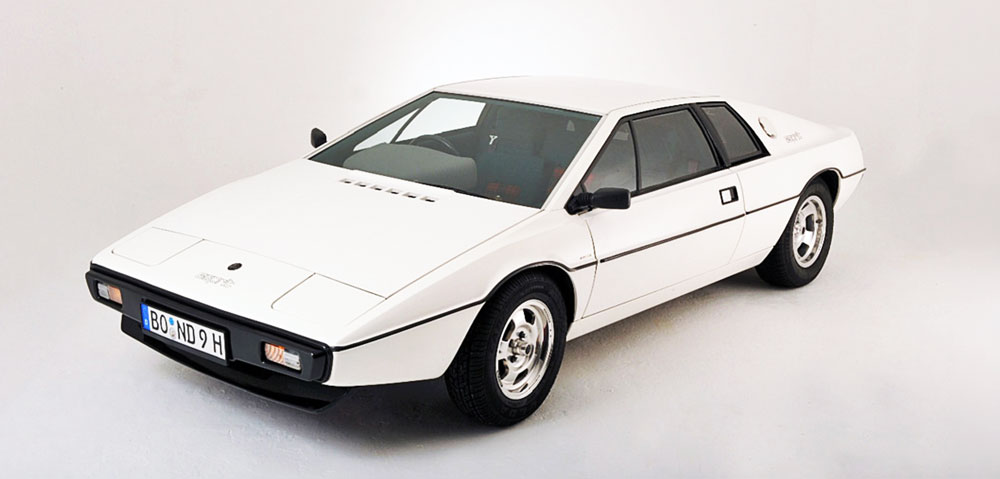
The Lotus Esprit entered production in 1976, translating Giorgetto Giugiaro’s sharp “folded-paper” design language into one of the decade’s purest sports-car shapes.
Underneath the fibreglass body sat Lotus’s familiar steel backbone chassis. The first Esprit used a 1,973-cc, 16-valve four-cylinder engine producing 160 bhp, paired with a five-speed manual transmission. At just over 1,000 kilograms, it followed Colin Chapman’s preference for extracting performance through lightness.
Its specifications were relatively restrained beside the era’s V8 and V12 exotics, but the Esprit looked like something from another planet. Its low roof, pop-up headlights and uncompromised wedge profile gave Lotus a genuine poster car.
A starring appearance in the 1977 James Bond film The Spy Who Loved Me would soon make it internationally famous. Production continued in increasingly powerful forms until 2004, giving the Esprit one of the longest careers of any British sports car.
MaxTake
These six defining cars of 1976 did not point toward a single version of the future. The Golf GTI made performance democratic, the Accord elevated the Japanese family car and the Fiesta demonstrated the global potential of the modern supermini. The W123 turned durability into prestige, while the 924 and Esprit offered two radically different visions of the practical sports car.
Fifty years on, their influence is still visible. Hot hatchbacks, refined Japanese sedans, premium compact cars and usable performance machines continue to follow formulas established in 1976—only now with touchscreens, driver assistance and considerably fewer brown interiors.