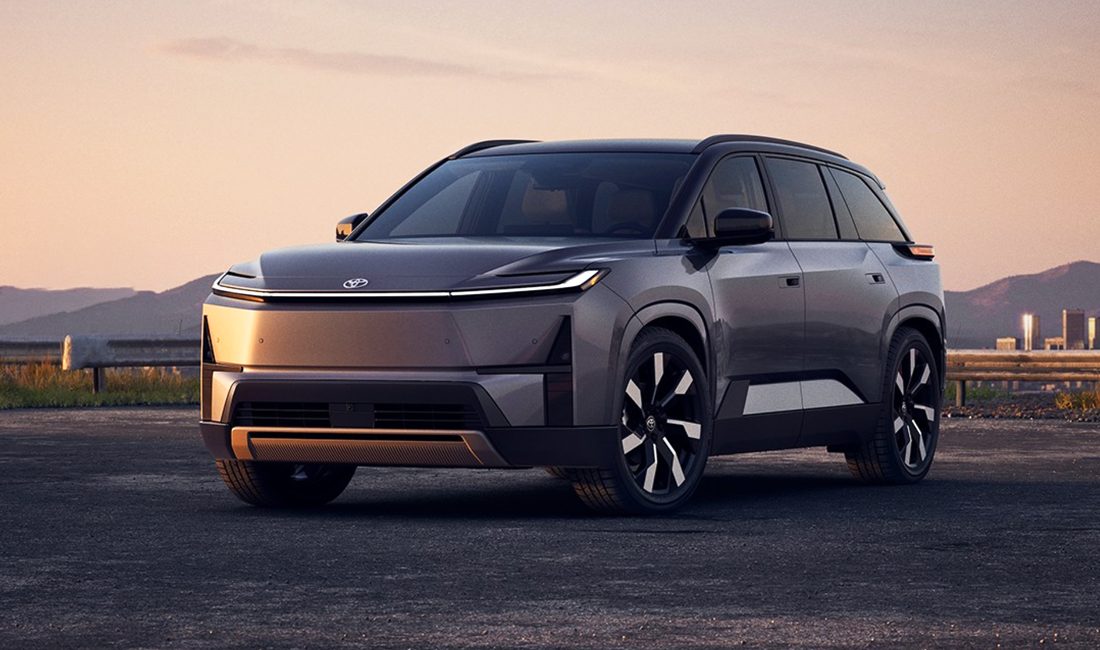
The Highlander has spent more than two decades making family travel feel straightforward. Toyota’s next version keeps the three rows and familiar name, but replaces the gasoline or hybrid powertrain with a battery electric one. It is a substantial change for an SUV often chosen because it asks little of its owner.
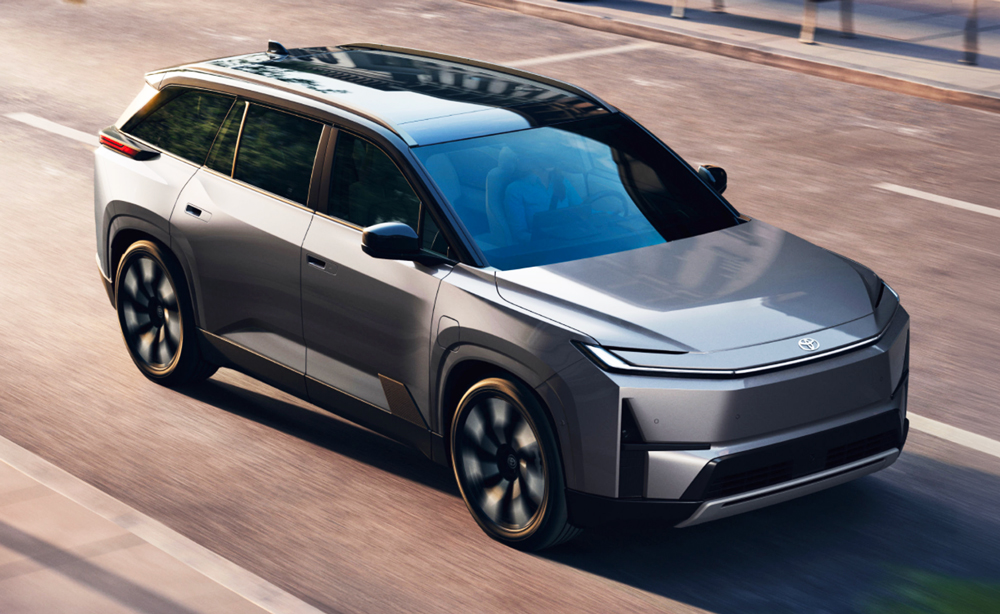
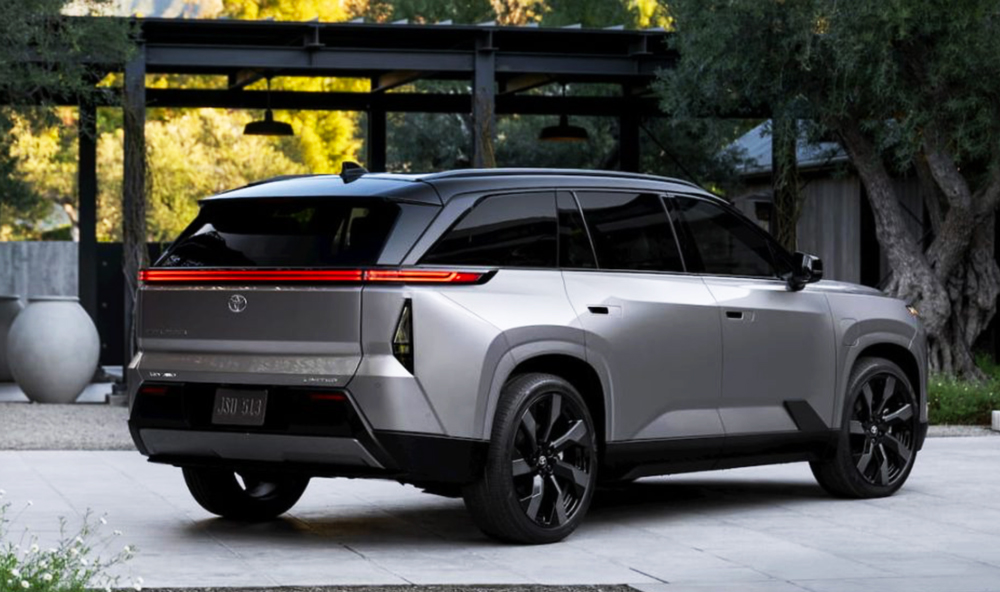
The new Highlander looks sharper than the outgoing model, with broad fenders, full-width lighting and semi-flush door handles. Inside, a 14-inch touchscreen and 12.3-inch driver display give it a more modern cockpit. Yet the most revealing questions are practical ones: How far can a loaded family travel? How easily can everyone fit? And what does charging add to a road trip?
Range Depends on the Highlander You Choose
Toyota plans two grades, XLE and Limited, with front-wheel drive available on the XLE and all-wheel drive available on the XLE and standard on the Limited. The XLE front-wheel-drive model pairs a 77.0-kWh battery with a manufacturer-estimated 287 miles of range. The XLE all-wheel-drive model with that battery is estimated at 270 miles. Choosing the 95.8-kWh battery raises Toyota’s estimate to 315 miles for the XLE and Limited all-wheel-drive versions.
That spread matters more than the headline figure. Families who regularly drive long distances will want to compare the exact version they intend to buy, especially if winter temperatures, highway speeds or a full cabin are part of the routine. Toyota’s figures are estimates; real driving will determine how much distance owners can comfortably plan between stops.
The electric powertrain also changes the Highlander’s character. Front-wheel-drive models produce 221 horsepower, while all-wheel-drive versions produce 338 horsepower. Instant electric response should suit merging and passing with passengers aboard, although ride comfort and efficiency will need to be judged on the road.
Charging Becomes Part of the Family Schedule
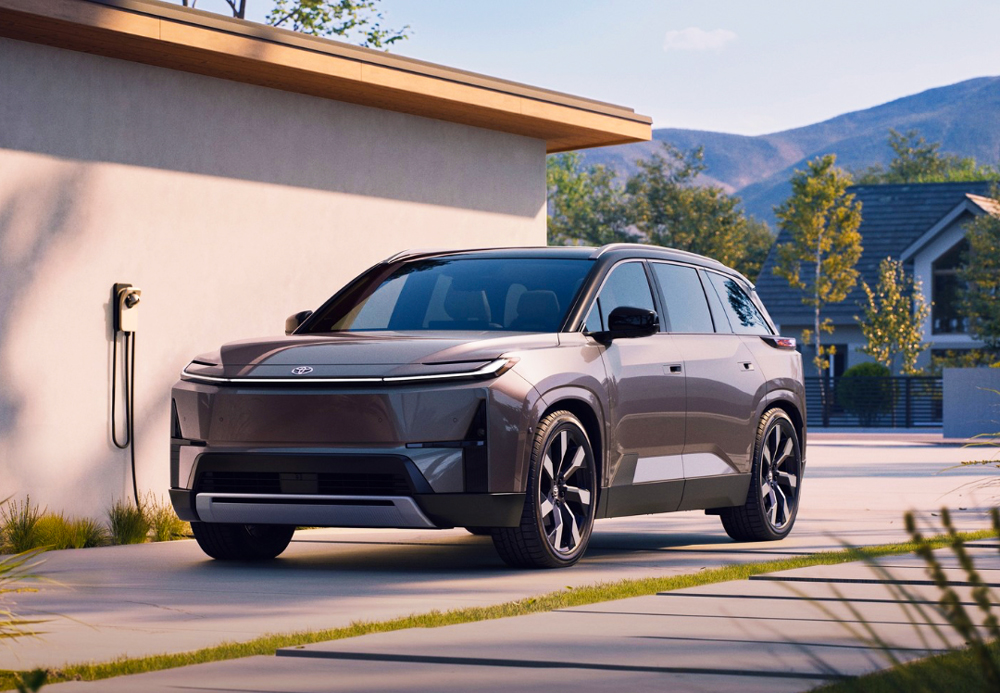
A standard North American Charging System port gives the Highlander access to compatible DC fast chargers. Toyota says a charge from 10 to 80 percent can take around 30 minutes under ideal conditions. Battery preconditioning is designed to help the vehicle arrive at a charger ready for a faster session, and an included dual-voltage cable supports 120- and 240-volt AC charging.
For a household that can charge at home, the appeal is easy to see: most mornings could begin with the battery ready for the day. Longer trips require a different habit. A half-hour charging stop can fit naturally around a meal, but charger location, availability and actual charging speed will shape the experience. Buyers should look beyond the advertised range and consider the routes they drive most often.
Three Rows, With Familiar Trade-Offs
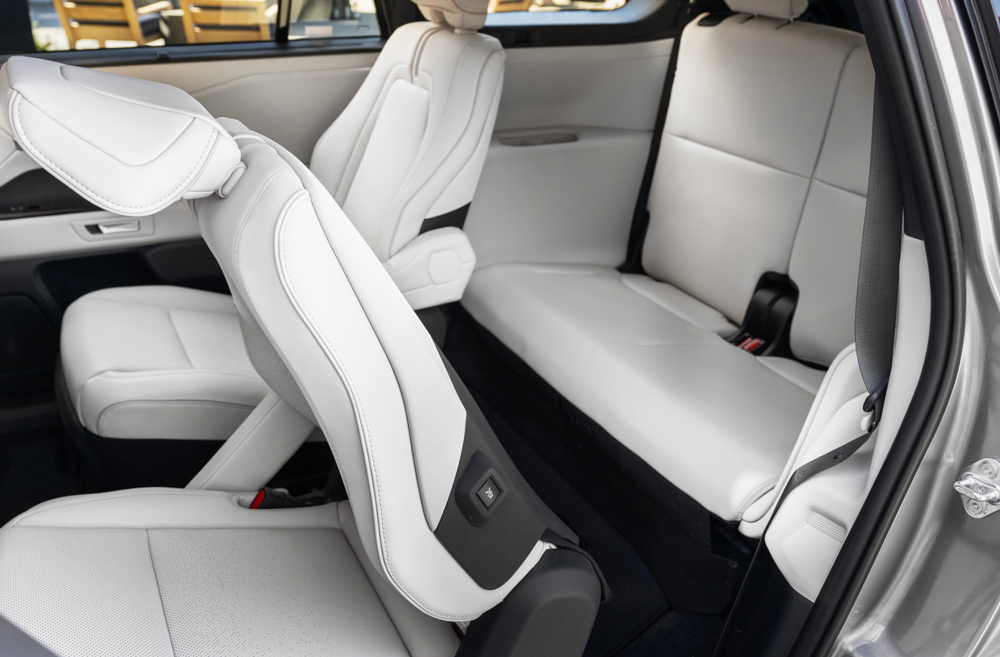
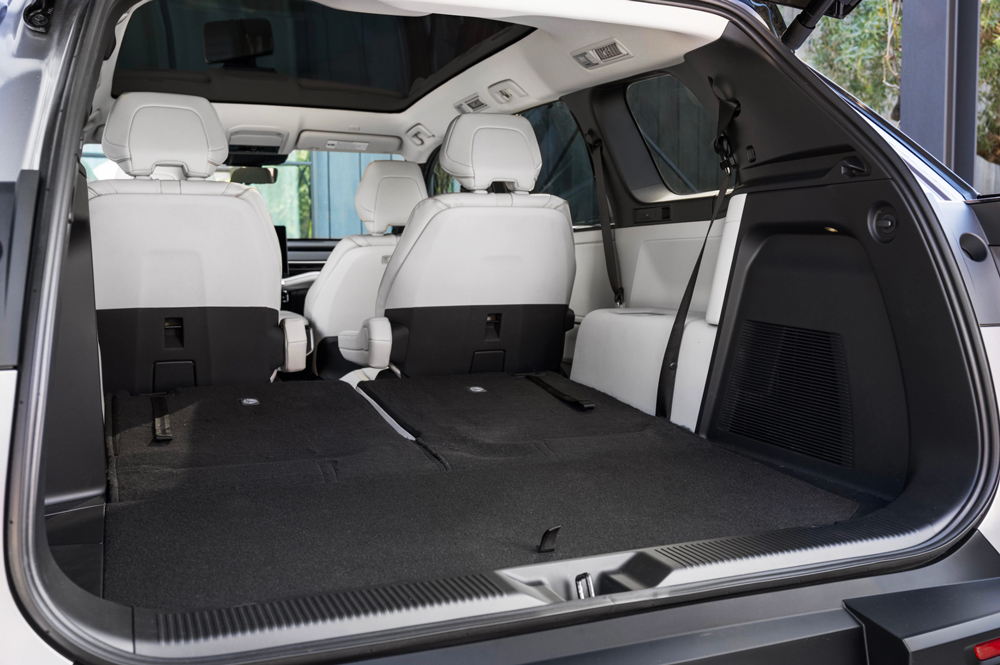
The electric Highlander seats up to seven. Second-row captain’s chairs are standard, while a bench is available on the XLE all-wheel-drive model. Toyota lists 15.9 cubic feet of cargo room with the third row in use and 45.6 cubic feet when it is folded. That gives families a clear choice between carrying a full group and carrying bulkier luggage.
Those numbers also put attention on the third row itself. Access, passenger comfort and the amount of luggage that fits behind occupied seats will matter more than a cabin photograph. The new Highlander promises the flexibility buyers expect from the badge, but a showroom visit with the people and gear it will actually carry remains the best test.
Toyota has added conveniences that should help in daily use, including a hands-free power liftgate, charging ports in every row and available rear sunshades. A fixed panoramic roof is optional. Vehicle-to-load capability can also supply power to external devices with the required accessories, adding a useful possibility for camping or an outage.
MaxTake
The electric Highlander’s strongest idea is its familiarity. Toyota is bringing battery power to a three-row SUV that families already understand, with several range choices and a cabin designed around ordinary errands as well as longer journeys. Its success will rest on the details that cannot be settled by an announcement: dependable real-world range, comfortable use of all three rows, charging that works along family routes and a price that makes the switch worthwhile.