For more than a century, the automotive business followed a familiar rhythm: design a vehicle, build it, sell it and begin again with the next model cycle. That structure is now being stretched by software, electrification and autonomous driving. The car is no longer viewed only as a product that leaves the showroom. It can also become a connected platform, a fleet asset and, in the case of a robotaxi, a service that earns revenue trip after trip.
This does not mean private car ownership is about to disappear. It means automakers are trying to participate in a much larger portion of the transportation economy. Instead of earning primarily when a customer buys or leases a vehicle, they want a role in what happens every time someone moves through a city.
The Limits of the One-Time Sale
Traditional automaking is capital-intensive and cyclical. Manufacturers spend heavily on factories, engineering, supply chains and new models, only to compete for a sale that may not be repeated for several years. Financing, maintenance and parts extend the relationship, but the vehicle transaction remains the centre of the business.
Mobility services offer a different proposition. A vehicle operating in a ride-hailing or shuttle fleet can generate thousands of paid journeys over its working life. The manufacturer may earn money from the vehicle itself, the autonomous-driving system, fleet software, maintenance, charging, data services or a share of each trip. The attraction is obvious: transportation becomes a recurring business rather than a sequence of individual sales.
Electric vehicles help make that shift possible. Their software-led architectures, smaller number of mechanical service items and compatibility with centralized charging make them well suited to intensive fleet use. Autonomy adds the potential to remove the driver from some operating costs, although the technology and support network required to do that safely are anything but cheap.
The Robotaxi Is More Than a Self-Driving Car
A true robotaxi is generally designed around Level 4 automation. Within a defined operating area and under specified conditions, the automated system performs the complete driving task without requiring a human driver. That is very different from the driver-assistance features sold in most consumer vehicles, which still require the person behind the wheel to remain responsible.
The distinction matters because a robotaxi is not simply a regular car with extra sensors on the roof. It needs redundant steering, braking, power and communications systems. It also needs remote assistance, fleet monitoring, cleaning, charging, maintenance, customer support, dispatching and a reliable way to manage pickups and drop-offs. Building the vehicle is only the first movement in a much longer symphony.
This is where established automakers see an opening. Technology companies may lead in artificial intelligence and autonomous-driving software, while ride-hailing platforms already understand demand and dispatch. Carmakers bring high-volume manufacturing, crash engineering, supplier networks, repair knowledge and the discipline required to produce thousands of consistent vehicles. Robotaxis require all three worlds to work together.
Several Roads to the Same Destination
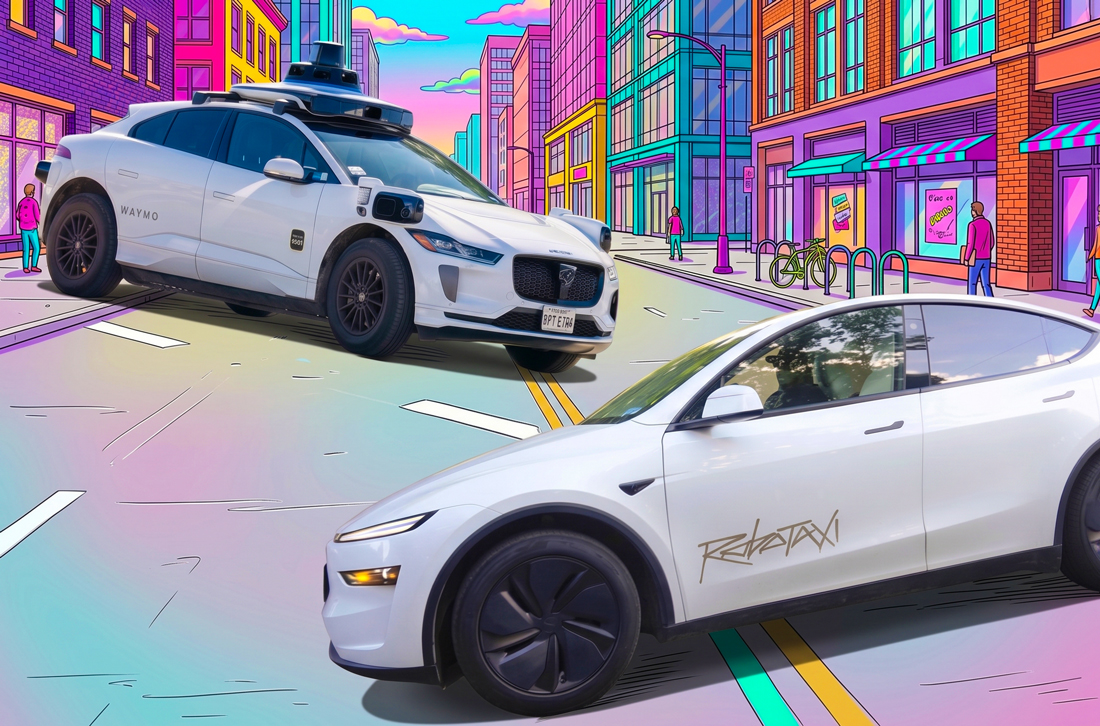
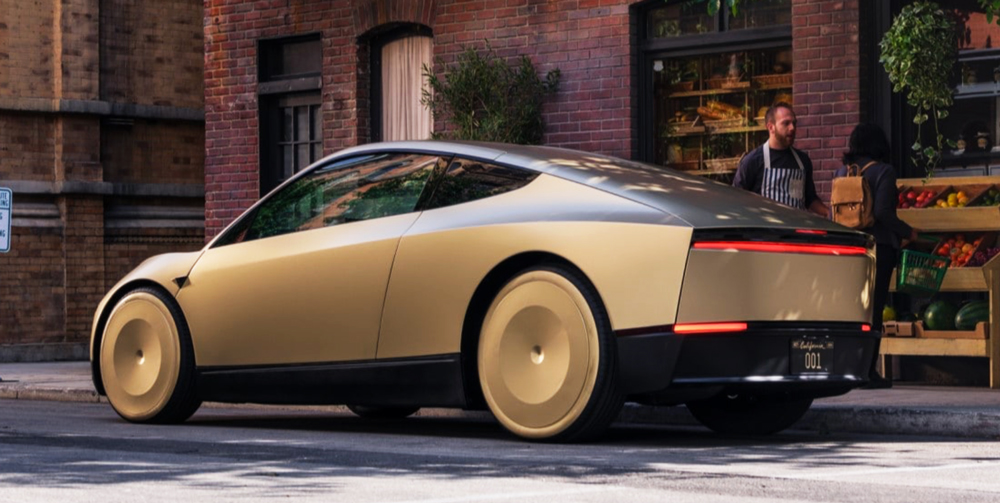
There is no single mobility-company formula. Tesla is pursuing one of the most vertically integrated approaches. It launched its initial Robotaxi service in Austin in June 2025 and began production of the purpose-built Cybercab in 2026. Tesla controls the vehicle, its autonomous-driving technology, the app and the service, giving it the opportunity to connect manufacturing directly to recurring ride revenue.
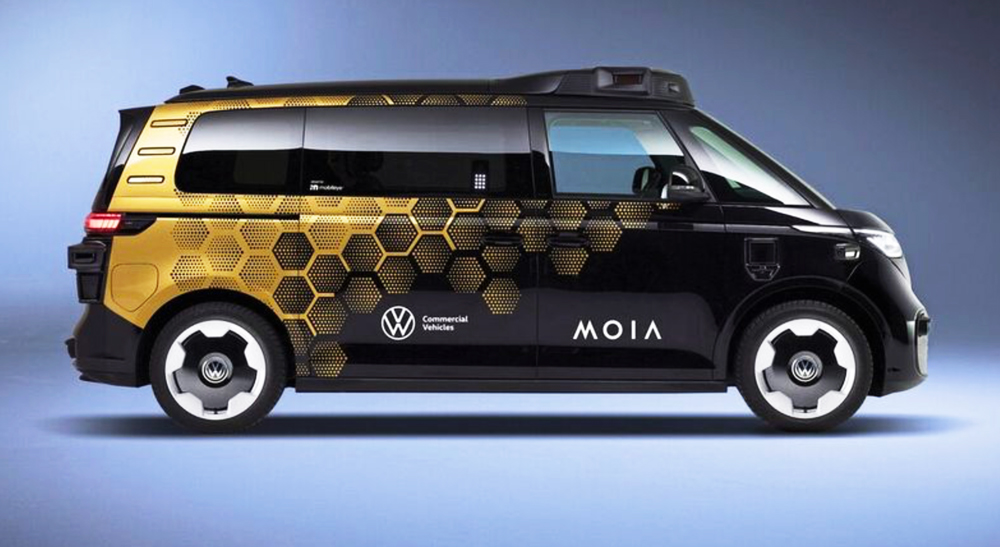
Volkswagen is following a partnership model through MOIA. Autonomous ID. Buzz vehicles entered on-road validation in Los Angeles in 2026, with the test fleet planned to grow beyond 100 vehicles and rides on Uber’s platform targeted for later in the year. Volkswagen supplies the vehicle and mobility system, while Uber contributes an established customer network and day-to-day ride-hailing infrastructure.
Hyundai is positioning itself in more than one part of the chain. It is preparing autonomous-ready IONIQ 5 vehicles for Waymo while its Motional venture works toward a driverless commercial service. That lets Hyundai use its manufacturing strength as a supplier to an autonomy leader while continuing to develop a mobility operation connected to its own group.
Lucid has taken another collaborative route. Its Gravity provides the electric vehicle platform for a robotaxi program in which Nuro supplies the Level 4 driving system and Uber provides the customer-facing network and in-cabin experience. For a smaller automaker, fleet partnerships can create meaningful production demand without requiring it to build an entire ride-hailing business alone.
These strategies reveal the new division of labour. One company may build the body and battery, another may supply the automated driver, and a third may own the app through which the passenger books the ride. The future mobility company may be a tightly integrated operator, but it may just as easily be the most valuable specialist in a carefully assembled partnership.
Manufacturing Becomes a Competitive Advantage Again
The autonomous era was once described as a threat that would reduce automakers to commodity hardware suppliers. In practice, robotaxi expansion has made industrial capability more important. A prototype can demonstrate impressive technology, but a commercial fleet needs vehicles that can be built repeatedly, repaired quickly and kept on the road for long hours.
Fleet requirements can also reshape vehicle design. Easy entry, durable interiors, automated doors, accessible controls and simplified cleaning may matter more than horsepower or dramatic styling. Range and charging speed become measures of productive uptime. Components must be engineered not only for private use but for the wear created by a steady flow of passengers.
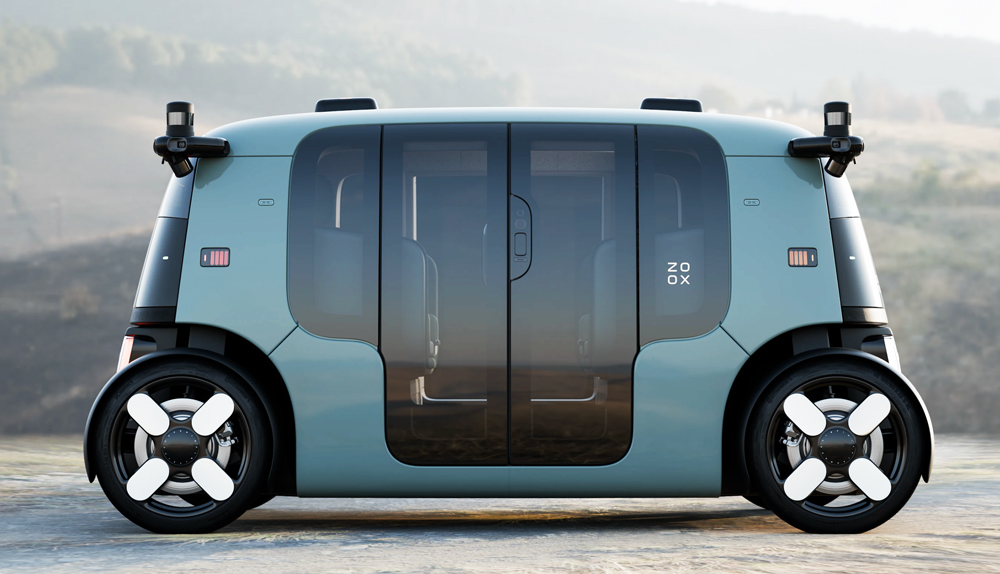
That gives automakers a chance to create a new category between the passenger car and public transit vehicle. Volkswagen’s ID. Buzz emphasizes shared space, Lucid’s Gravity program leans into premium comfort, and purpose-built vehicles such as Tesla’s Cybercab and Amazon-owned Zoox’s robotaxi remove many conventions associated with a human driver. The vehicle itself begins to reflect the service it is meant to deliver.
The Hard Part Begins After the Vehicle Is Built
Robotaxi economics depend on utilization. An autonomous vehicle earns nothing while it is charging, being cleaned, waiting for repairs or sitting in a depot. A profitable network must place vehicles where demand exists, limit empty travel between fares and manage peaks without maintaining an oversized fleet. It must also provide rapid support when a passenger, emergency responder or vehicle encounters a situation the system cannot resolve smoothly.
Scale therefore requires more than expanding a service-area map. Each city brings different roads, weather, traffic behaviour, regulations and political expectations. Level 4 systems normally operate within defined boundaries, so expansion is methodical rather than universal. A robotaxi that works in one part of one city is not automatically ready for every road in the country.
Public confidence is just as important. Safety performance, transparent incident reporting, accessibility and cooperation with local authorities will shape how quickly services grow. A technically capable vehicle can still face resistance if residents believe it creates congestion, blocks emergency vehicles or arrives without sufficient oversight. In mobility, trust is part of the infrastructure.
Not Every Automaker Will Operate a Fleet
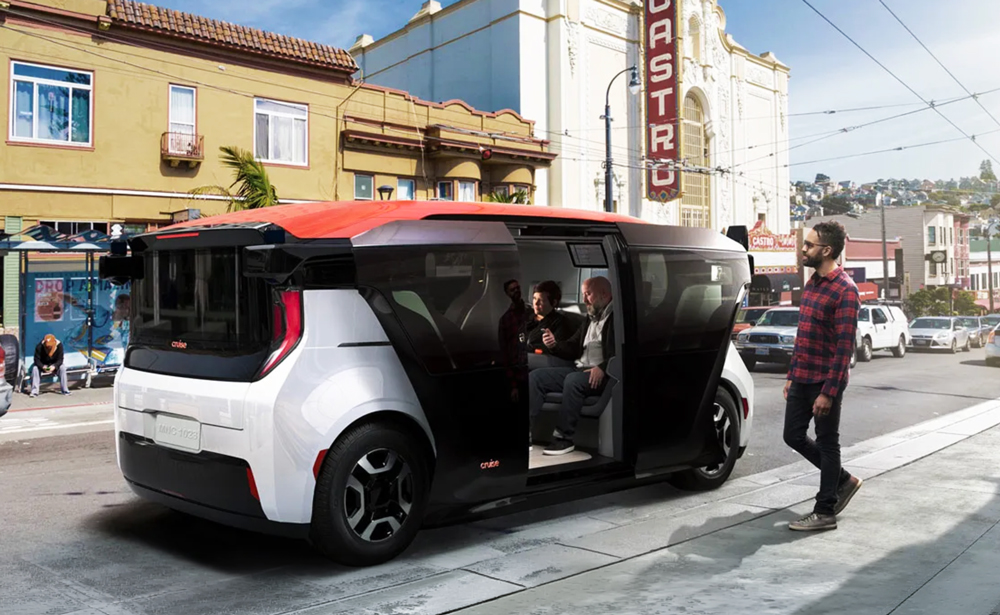
General Motors’ decision to stop funding Cruise as a standalone robotaxi business showed how demanding the model can be. GM combined Cruise’s technical work with its internal teams and refocused on advanced driver assistance and autonomous technology for personal vehicles. The decision did not signal an abandonment of autonomy; it showed that the same research can support a different commercial destination.
That may be the more practical route for many manufacturers. Some will operate robotaxis, some will sell fleet-ready vehicles, and others will use autonomous systems to make privately owned cars safer and more capable. The showroom and the mobility app can coexist. Technology proven through supervised fleets may also improve the vehicles customers eventually buy.
The Brand Moves Beyond the Badge
For consumers, the change could redefine what an automotive brand represents. A person may experience a Hyundai, Volkswagen, Lucid or Tesla first as a ride rather than as a purchase. Comfort, cleanliness, app reliability, pickup accuracy and customer support will influence the brand as much as styling or acceleration.
That creates an entirely new competitive arena. Automakers accustomed to measuring panel gaps and dealership satisfaction must now think about wait times, fleet availability and digital service recovery. The best mobility company will not necessarily build the most exciting car. It may be the one that delivers the most dependable ten-minute journey, hundreds of thousands of times.
MaxTake
Automakers are becoming mobility companies because the value of a vehicle no longer ends when the keys change hands. Robotaxis turn manufacturing, software and transportation into one continuous business, with revenue potentially generated across the full operating life of the vehicle.
The winners will not be decided by who makes the boldest autonomous promise. They will be the companies that can combine safe technology, disciplined manufacturing, efficient fleet operations and public trust. The showroom will remain important, but the next great automotive battleground may be the curb outside it.